Overcoming Pre-Game Nerves in Amateur Sports
4 April 2026
Let’s be honest: just because you’re not going pro doesn’t mean game day doesn’t hit like a ton of bricks. Whether it’s your first little league baseball game, a local soccer final, or even your weekly tennis match at the club, those pre-game nerves? Oh yeah, they’re real—and they can mess with your performance big time.
But hey, feeling nervous doesn’t mean something’s wrong. In fact, it means you care. The key is learning how to ride those nerves like a wave instead of letting them drag you under. Let’s break down how to manage, and even use, those jitters to your advantage.
Why Do You Get Pre-Game Nerves?
First things first—why does your stomach do somersaults before a game?It’s biology, really. When you anticipate a challenge (like a match or a race), your body kicks into "fight or flight” mode. Heart rate spikes, muscles tighten, palms sweat. It’s your body’s way of saying, “Hey, something big is coming!”
But when your mind interprets those signs as fear or doubt instead of excitement, that’s when the trouble starts.
It's Normal—So Cut Yourself Some Slack
Here’s the deal: nerves are 100% natural. Every athlete—from rookies to veterans—feels them. What separates seasoned players from overwhelmed ones isn’t the nerves—it’s how they handle them.Think about it: if someone told you they’ve never been nervous before a competition, they’re either lying or they’ve found the secret to Nirvana.
Mind Over Matter: Reframing Your Thoughts
Ever heard of the saying, “Change your thoughts, change your world”? That applies like crazy in sports.Instead of thinking, “What if I mess up?”—flip the script. Ask, “What if I play my best game yet?” A simple shift in mindset can take you from spiraling to soaring.
A little trick? Call your nerves “excitement.” They feel almost exactly the same, physiologically. Your brain just adds the drama.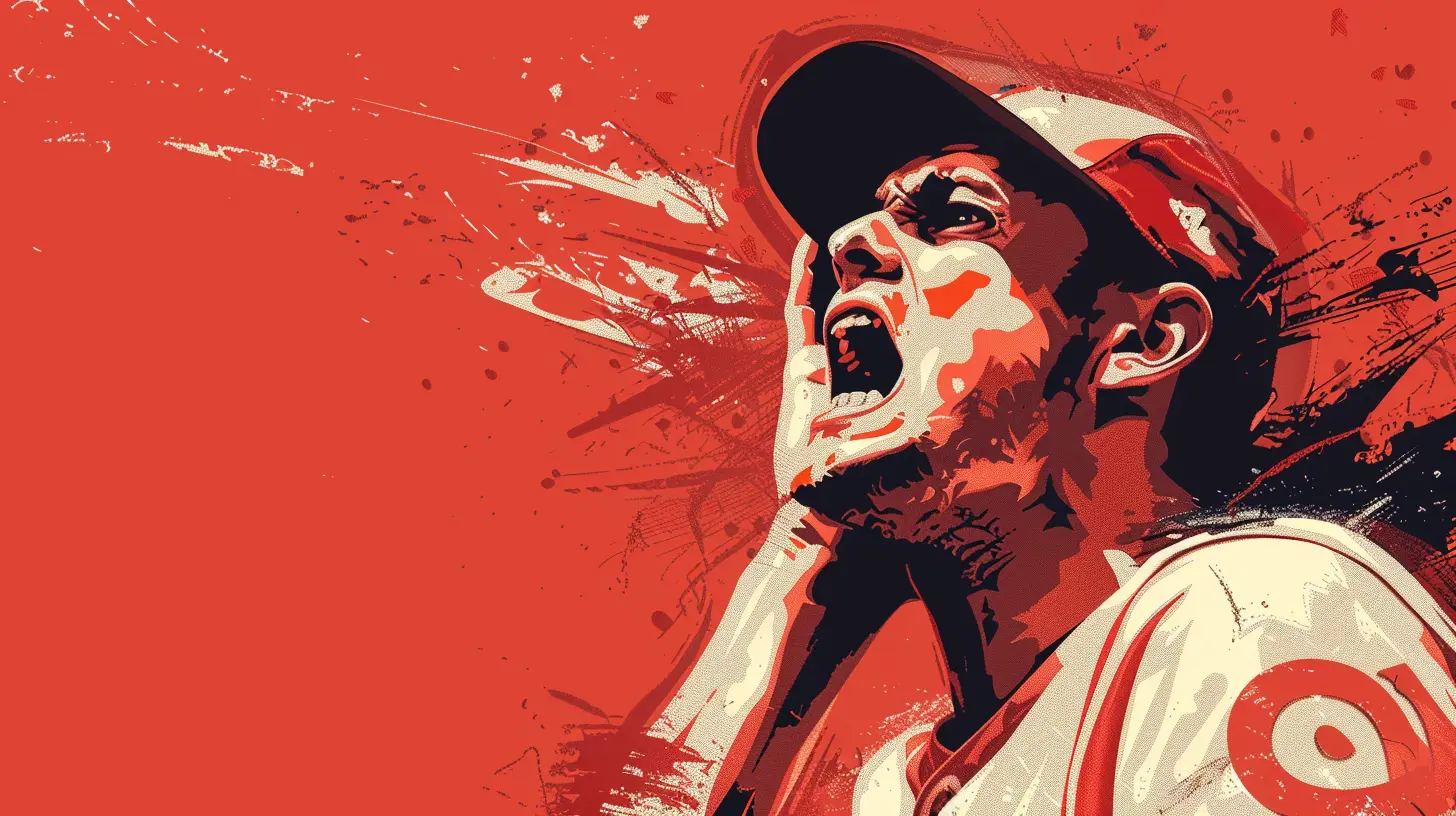
Visualization: Your Secret Weapon
Visualization isn’t just for Olympic athletes or yoga retreats. It’s fuel for your confidence.Close your eyes. Imagine the field. Picture yourself making the perfect pass, sinking that jumper, acing your serve. The more clearly you see yourself succeeding, the more likely you'll actually follow through when the game starts.
This isn't woo-woo self-help stuff. It's backed by neuroscience. Your brain doesn’t always know the difference between real and imagined experience—so give it a highlight reel it can get behind.
Pre-Game Routines: The Anchor That Grounds You
Think back to the times you played your best. What did those days look like? What music did you play in the locker room? Did you eat a banana before the game or wear your lucky socks?Creating a consistent, personalized pre-game routine helps train your brain to feel steady and focused—even when your heart's racing.
Your routine doesn’t need to be long or fancy. Maybe it’s five minutes of stretching, listening to a certain song, or tying your shoes just right. It’s not superstition—it’s mental preparation.
Breathing: Yes, It Actually Matters
Most people underestimate how powerful breathing can be. When you start to panic, your breathing gets shallow. Oxygen drops. Muscles tense. Performance suffers.Here’s a quick breathing hack: Try the 4-7-8 technique.
- Inhale through your nose for 4 seconds
- Hold your breath for 7 seconds
- Exhale slowly through your mouth for 8 seconds
Do that 3–4 times before the game, and you’ll feel the difference. It calms the nervous system like magic.
Focus On the Process, Not Just the Outcome
This one’s huge. When nerves take over, it’s usually because we’re way too focused on the outcome: the score, winning, not screwing up.Instead, narrow your focus to the moment. Think mechanics. Think movement. Focus on your role, your effort, your form. Treat the game like a series of small tasks.
If you're playing soccer, think “pass, run, support,” not “OMG we need to win this!”
Shift your focus from outcome to action, and the results often take care of themselves.
Use Music to Channel Energy
Music taps straight into emotion—and it’s a great tool for managing nerves. Got a song that pumps you up? Or one that chills you out?Build a game-day playlist. Some athletes need high-energy beats to fire them up. Others need mellow acoustic vibes to stay level. Whatever works, use it.
This isn’t just fun—it’s strategy. The right music can shift your mood, boost confidence, and sync your rhythm before kickoff.
Talk It Out (Yes, Really)
Sometimes, the best way to quiet your nerves is to speak them out loud. Talk to a teammate, coach, or even yourself.Ever say something like, “Man, I’m nervous,” only to hear “Me too!”? That feeling of not being alone can be incredibly grounding.
Better yet, use that team energy to reassure each other. A simple “You’ve got this” goes a long way.
Cut Out the “What If” Thinking
“What if I miss the shot?”“What if I embarrass myself?”
“What if I let the team down?”
Sound familiar?
Time to shut those thoughts down. Replace “what ifs” with “even ifs.”
Even if you mess up, will the world end? Nope.
Even if you fall short, will you be less of a person? Not a chance.
Fear shrinks when you realize it's not the boss of your life. You are.
Watch Your Nutrition and Hydration
Now, let’s zoom out for a sec. Sometimes physical nerves feel worse because your body’s out of balance—too much caffeine, not enough water, or no fuel in the tank.Try this:
- Eat a balanced meal a few hours before game time
- Stay hydrated (skip the energy drinks)
- Avoid heavy, greasy food that could weigh you down
Keeping your body stable helps keep your mind steady too.
Sleep: The Hidden MVP
Hands down, sleep is one of the most overlooked performance enhancers. Without enough rest, your brain is foggy, your reactions slow, and your emotions? All over the place.Try to lock in 7–9 hours of sleep the night before your game. That pre-game anxiety often feels way worse on three hours of sleep and a bad diet.
Don’t Try to Be Perfect: Just Show Up
Perfection is a moving target—and chasing it only feeds anxiety. You're not out there to be flawless. You're out there to learn, grow, compete, and enjoy the game.Let go of unrealistic expectations. Play like you practice. Mistakes happen. Missed shots happen. It’s part of the sport.
Amateur sports are about development and joy, not flawless execution.
Turn Nerves Into Fuel
Here’s the icing on the cake: Nerves can actually be a good thing.They mean you care. They mean you’re alive and invested. So instead of fighting them—harness their energy.
Channel that adrenaline into speed, precision, and focus. Let it sharpen your senses. Think of nerves like rocket fuel—you just have to steer the rocket.
Key Takeaways for Game Day Calm
Need a quick reference before your next game? Here's your cheat sheet:- Feel nervous? It’s normal. Don’t panic.
- Shift your mindset from fear to excitement.
- Visualize your success ahead of time.
- Stick to a calming pre-game routine.
- Use breathing techniques to manage anxiety.
- Focus on effort, not just end results.
- Eat, sleep, and hydrate well.
- Embrace imperfection—it’s part of the process.
- Use nerves as a source of energy and motivation.
Final Thoughts
Look, amateur sports are supposed to be fun—even when they’re intense. Pre-game nerves are just a sign that you’re pushing your boundaries, and that’s a good thing. With the right tools and mindset, you can turn the butterflies in your stomach into a performance edge.The next time nerves come knocking, don’t panic. Just nod, smile, and say, “Let’s do this.
all images in this post were generated using AI tools
Category:
Amateur SportsAuthor:

Easton Simmons
Discussion
rate this article
2 comments
Tia McCoy
Pre-game nerves are a common challenge for athletes at any level. Embracing these feelings can transform anxiety into focus. Remember, it's about enjoying the game and learning from the experience. Every match is an opportunity for growth, regardless of the outcome. Just play your best!
May 15, 2026 at 10:49 AM
Easton Simmons
Absolutely! Embracing nerves can turn them into motivation. Each game is a chance to grow and enjoy the journey, no matter the result. Just have fun out there!
Mercy Hamilton
Great article! Managing pre-game nerves is crucial for amateur athletes. Your insights on visualization and breathing techniques are particularly helpful. It’s reassuring to know that even the pros face similar challenges. I look forward to applying these tips in my next game. Thanks for sharing!
April 6, 2026 at 12:52 PM
Easton Simmons
Thank you for your kind words! I'm glad you found the tips helpful—best of luck in your next game!