The Role of Athlete Endorsements in Growing Emerging Sports
24 February 2026
Let’s face it — sports are more than just games now. They’re ecosystems, cultures, and billion-dollar industries. But not every sport gets a slice of that lucrative pie. While major leagues bask in global attention, emerging sports often struggle to step into the spotlight.
So, how do niche or lesser-known sports make their mark in a world dominated by footballs, basketballs, and tennis rackets?
One answer lies in a powerful marketing machine — athlete endorsements.
Sure, we’ve all seen Michael Jordan stay forever linked to basketball thanks to Nike, or Cristiano Ronaldo turning heads (and wallets) with just a social media post. But what happens when that same endorsement magic is pointed at sports like pickleball, ultimate frisbee, or esports?
Let’s dive into how athlete endorsements are turning underdog sports into global game-changers.
Why Emerging Sports Need Visibility
Before we talk endorsements, let’s talk about the struggle. Emerging sports have a serious visibility problem. They're like indie bands — full of potential, but often playing to half-empty rooms. They lack access to extensive TV contracts, big sponsorships, and media coverage, making it tough to attract fans, participants, or investors.This is where athlete endorsements come into play. A trusted, well-known face promoting a sport can be the difference between obscurity and stardom.
What Exactly Is an Athlete Endorsement?
Think of endorsements as a credibility booster. When an athlete — especially a recognizable or respected one — publicly supports a brand, product, or sport, it sends a signal. It kinda says, "Hey, this thing is legit. I believe in it."In the context of sports, it usually means a well-known athlete throws their weight behind an up-and-coming sport — by playing it, investing in it, talking about it, or even wearing its merch. Their involvement draws attention, creates buzz, and often leads to a surge in popularity.
The Psychology: Why We Trust Athletes
Here’s where it gets interesting. We trust athletes. Not just for their skills, but because they’re seen as disciplined, hardworking, and authentic. When they endorse something, especially a new sport, it doesn’t feel like a sales pitch — it feels like a tip from a friend who knows what they’re talking about.Think of it like this: if LeBron James picks up a paddle and starts playing pickleball, millions are suddenly curious. Not because they're into pickleball already, but because LeBron is.
This trust-based influence is gold for emerging sports.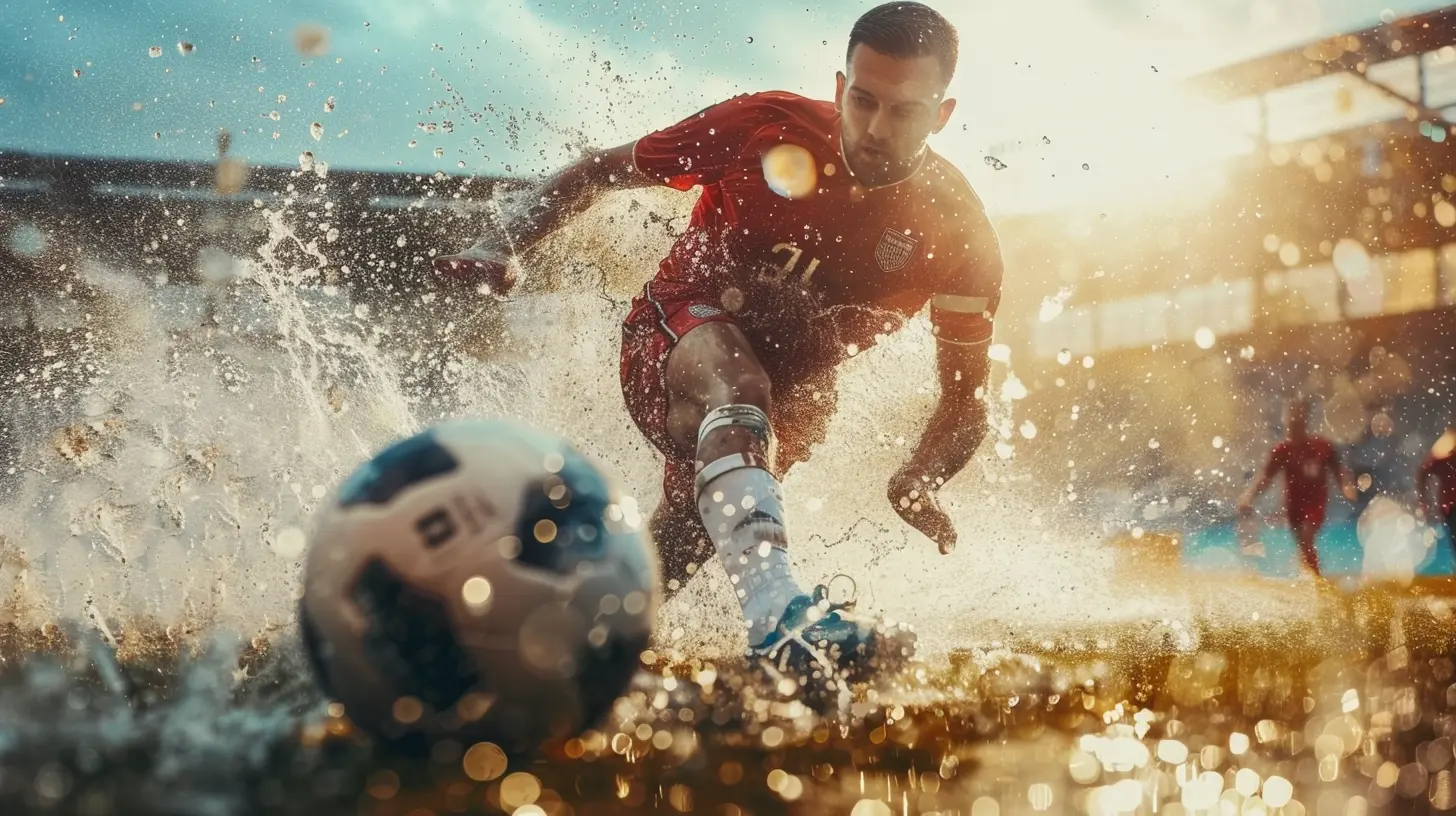
Real-Life Examples That Prove the Power
1. Pickleball and Pro Athletes
Pickleball might sound like a lunchbox item, but it’s actually America’s fastest-growing sport. A huge reason? Endorsements from big names like Tom Brady, Kevin Durant, and LeBron James — yes, seriously. They’re not just playing; they’re investing and owning teams in pickleball leagues.The result? A sport once played in retirement communities is now attracting major media deals, prize money, and fans across all age groups.
2. Skateboarding and Celebrity Influence
Skateboarding went from rebellious street culture to Olympic respectability. Athletes like Tony Hawk didn’t just shred half-pipes — they became cultural icons. Tony’s endorsement didn't just sell skateboards; it legitimized skateboarding itself. Without his influence, it might never have made it to the global stage like the Olympics.3. Esports and Traditional Athletes
Yes, playing video games is now a sport — and not just for teenagers in their bedrooms. Esports got a massive leg-up from endorsements by traditional athletes like Shaquille O’Neal, who invested in esports teams. That crossover brought credibility and a brand-new audience into the gaming world. Now the industry is worth over $1 billion and climbing.How Athlete Endorsements Spark Growth
So, you might be wondering — how does one celebrity tie-in actually help a whole sport grow?Here’s the ripple effect of an athlete endorsement:
1. Boosts Credibility
When a respected athlete endorses a sport, it instantly gains street cred. It tells people, “This is worth your time.” It can also sway skeptical investors, media outlets, and even parents deciding what sport to put their kids in.2. Increases Media Coverage
Athletes have eyeballs on them all the time — TV, social media, press. When they mention a new sport or show up at an event, the cameras follow. Suddenly, that niche sport gets 10x more coverage than it ever could on its own.3. Attracts Sponsors
Brands want to go where the buzz is. If a famous athlete is involved with a new sport, sponsors are more likely to jump in. It’s social proof. If it's good enough for Serena Williams, it’s good enough for Nike, Gatorade, and Coca-Cola.4. Grows the Fan Base
Fans are loyal — sometimes to a fault. They follow athletes from team to team, sport to sport. So when their favorite athlete tries something new, they watch. They get curious. They might even start playing themselves. That’s how new communities are built.Social Media: The Modern Megaphone
Let’s not forget about social media. Platforms like Instagram, TikTok, and X (formerly Twitter) are where fans live now. An athlete doesn’t need a press conference to make waves — one TikTok showing them playing a new sport can spark a viral trend.Social media has made endorsements more personal. When fans see their idol genuinely enjoying an emerging sport, it doesn’t feel like an ad. It feels real.
And real sells.
The Business Side of It
Athletes endorsing emerging sports often aren't doing it just for fun (though some are legit fans). Many are getting involved as investors or stakeholders. By backing a rising sport early, they stand to profit massively if it explodes later. It’s like investing in a startup before it IPOs — high risk, but higher reward.This investment also gives them a voice in shaping the sport’s future. They’re not just faces; they’re part of the foundation.
Challenges of Athlete Endorsements
Now, let’s not pretend it’s all touchdowns and trophies. Athlete endorsements can also bring challenges, especially for emerging sports.1. Overshadowing the Sport
Sometimes, the athlete becomes the story instead of the sport. If the focus stays on their fame and not the game, the sport might not actually benefit long-term.2. Short-Term Hype
A single post or investment might spike interest — but then what? If the sport doesn’t have systems in place (like leagues, local clubs, or youth programs), it can't sustain the momentum.3. Authenticity Matters
Fans can smell a fake endorsement from a mile away. If it looks like the athlete’s just cashing in, it can actually turn people off.That’s why authenticity is everything. The best endorsements come from athletes who genuinely love and believe in the sport they’re promoting.
How Emerging Sports Can Attract Athlete Endorsements
It’s not like you can just cold-call Serena Williams and ask her to endorse your local dodgeball league. So – how do emerging sports get athletes on board?1. Start Local
Sometimes the best endorsements come from smaller stars or retired athletes who still have influence. They’re more accessible and often more passionate about giving back.2. Show the Potential
Emerging sports should present themselves as opportunities — for growth, innovation, and community. Athletes are entrepreneurs now. Pitch the sport like a startup.3. Create Unique Experiences
Athletes are drawn to things that are new, fun, and challenging. If you can give them an awesome experience — like a celebrity match or a personalized event — they’re more likely to engage and share.Final Thoughts
Athlete endorsements aren’t just about slapping a famous name on a product anymore. They're a strategic play in a competitive market. For emerging sports, these endorsements can mean legitimacy, visibility, and explosive growth.But it has to be real. The athlete needs to care. The community needs to be ready. And the sport needs to have a vision.
Done right, a single athlete’s support can create a tidal wave of change — transforming under-the-radar games into household names.
So next time you see an NBA legend playing spikeball or a tennis champ talking about disc golf, don’t brush it off. You might just be witnessing the birth of the next big thing in sports.
all images in this post were generated using AI tools
Category:
Brand EndorsementsAuthor:

Easton Simmons
Discussion
rate this article
2 comments
Astralis McVaney
Endorsements amplify visibility, drive engagement.
March 27, 2026 at 6:01 AM
Easton Simmons
Absolutely! Endorsements play a crucial role in increasing visibility and fostering engagement, making them essential for the growth of emerging sports.
Layne McCord
Athlete endorsements are pivotal in elevating emerging sports, as they enhance visibility and credibility. By leveraging their influence, athletes can attract new fans and sponsors, ultimately driving growth and sustainability in these sports.
February 24, 2026 at 5:35 AM
Easton Simmons
Absolutely! Athlete endorsements are crucial for boosting visibility and credibility in emerging sports, helping to attract fans and sponsors that drive growth and sustainability.