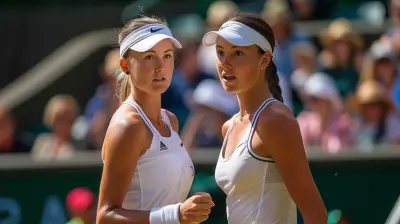
The Coachs Role in Balancing Individual Brilliance with Team Goals
23 January 2026
In every sport, whether it's football, basketball, soccer, or even eSports, one question constantly pops up: How do you blend superstar talent with team chemistry? Yeah, that’s the million-dollar question. Because, honestly, what good is a flashy solo performance if the team doesn't win?
At the heart of this delicate balancing act lies someone who's often overlooked but absolutely critical — the coach. That person on the sidelines (or behind the scenes) navigating egos, personalities, and ambitions while keeping the squad aligned with a common purpose. It’s not just about drawing up plays or yelling from the sidelines. Nope. The real magic happens in how a coach harmonizes individual brilliance with the larger goals of the team.
Let’s dig deeper into how elite coaches pull this off, and why their impact often determines whether a group of stars becomes champions—or just a highlight reel.
Why This Balance Matters So Much
Imagine building a team full of the best players in the world, each craving their moment in the spotlight. The potential? Sky-high. But the risks? Just as big.Here’s the thing—individual brilliance is thrilling. Think LeBron James driving to the basket, Lionel Messi carving through defenders, or Serena Williams serving with power and grace. But if everyone’s doing their own thing, chasing stats, and ignoring the team strategy, the results can fall flat.
That’s why balance is key. The best teams don’t just rely on talent; they rely on trust, selflessness, and unity. The coach is the thread stitching all of that together. 
The Coach as the Culture Architect
A coach isn’t just a strategist. They’re a culture builder. The atmosphere they create can either lift individual players toward collective greatness or let it all unravel.Setting Clear Expectations from Day One
The moment a team is formed, the coach sets the tone. They’ve got to be crystal clear about what’s expected—not just in terms of performance, but in behavior, cooperation, and mindset. Are players rewarded for assists just as much as scoring goals? Are team meetings highlighting unsung heroes or just the stars?Players, especially the highly talented ones, take cues from the coach. If a coach glorifies only the big plays and ignores effort or sacrifice, guess where everyone’s focus will go?
Creating a Shared Vision
People rally around purpose, not just tactics. The coach’s job? Paint the big picture. Every player—starter or benchwarmer—needs to know how their role fits into the ultimate mission. When players feel part of something bigger than themselves, they’re more willing to pass the ball, play defense, or make that extra run.
Managing Egos Without Crushing Spirits
Let’s face it. Big talent often comes with big personalities. That’s not a bad thing! Confidence breeds performance. But a coach has to manage egos in a way that respects personal ambition while reinforcing team-first thinking.Building Trust One Conversation at a Time
Great coaches spend more time listening than talking. They get to know their players on a deeper level. What drives them? What frustrates them? By showing they care, coaches earn trust—making it easier to deliver tough feedback when needed.Imagine pulling a star player off the pitch during a crucial match. That’s a potential ego hit. But if the coach and player have a solid relationship, that move is seen as tactical, not personal.
Encouraging Healthy Competition
The best coaches foster an environment where players push each other—but not to the point of sabotage. It’s about creating an internal engine of growth, where stars bring out the best in each other, not rivals competing for airtime.Think of it like iron sharpening iron. The coach keeps that fire burning without letting it turn into a wildfire.
Designing Roles That Maximize Strengths
A big part of balancing individual brilliance is understanding how to use it. Not everyone needs to be the main scorer or playmaker. Coaches who recognize each player’s unique value and design roles accordingly have an edge.Tailoring Strategy to Talent
Let’s talk Xs and Os for a sec. A smart coach doesn’t just plug players into a rigid system. They adapt the system to complement their players. Got a killer point guard with insane court vision? Design plays around their strengths. Got a relentless defender who wears down opponents? Let them lead the press.The goal isn’t to dull down talent—it’s to channel it where it matters most.
Rotating Spotlight Moments
Not every game has to showcase the same hero. A coach who mixes things up creates a dynamic, unpredictable team. It also shows players that they’ll each get their moments—so there’s less temptation to force the issue.Teaching the Value of the “We” Over the “Me”
At some point, every great coach becomes part mentor, part philosopher. They’ve got to instill this core belief: Success isn’t about individual accolades, it’s about shared victory.Using Film & Feedback as Teaching Tools
Players often buy in when they see cause and effect. Coaches who use video breakdowns not just to critique, but to highlight small but critical team plays, plant this idea: that a key defensive rotation or an unselfish pass is just as clutch as a buzzer beater.Over time, these lessons seep into the team’s DNA.
Celebrating the Right Moments
It’s easy to go wild over a game-winning goal. But a coach who also celebrates hustle plays, sacrifice, and support roles sends a loud message: Every contribution matters.That small recognition can shift a player’s mindset from “What can I get?” to “What can I give?”
Knowing When to Let Stars Shine
Now, we don’t want to dull the shine of great players. Not every moment needs to be sacrificed for the team. A wise coach knows when it’s time to unleash the individual genius.Letting the Big Dogs Eat
Sometimes, the game plan is simple: get the ball to your best player and let them cook. Whether it’s Kobe Bryant calling ISO in crunch time or Tom Brady running a hurry-up offense—there are moments when brilliance should be the strategy.The coach’s genius lies in knowing when those moments come, and giving the green light with confidence.
Balancing Freedom with Structure
Think of it like jazz. There’s a structure, sure—but within that, there’s room for improvisation. The best coaches give their players frameworks that still allow for spontaneity and creativity. It’s not chaos—it’s controlled freedom.The Mental Game: Building Team Resilience
Sports aren’t just physical. The psychological component is massive. A coach plays the role of therapist, motivator, and mindset coach rolled into one.Teaching Emotional Intelligence
Imagine a player upset about getting benched. The coach’s response can either build resentment or resilience. Helping players process emotions, understand team decisions, and respond maturely is crucial to unity.Great teams aren’t free of conflict—they’re just better at managing it.
Fostering a Growth Mindset
Coaches who preach learning over winning, growth over perfection, tend to develop teams that thrive long-term. They create space where mistakes are part of the journey—not career-defining moments.This mindset helps both stars and role players evolve together.
Real-World Examples of Coaches Who Nailed It
Phil Jackson – The Zen of Team Success
You can’t talk about balancing stars without mentioning Phil Jackson. The guy managed Michael Jordan, Kobe Bryant, and Shaquille O’Neal—all larger-than-life talents. His secret sauce? Mindfulness, trust-building, and a system (the triangle offense) that emphasized team over self.Jurgen Klopp – Passion and Purpose
At Liverpool FC, Klopp turned individuals into a brotherhood. He set clear goals, kept communication open, and let players express themselves—within a high-pressing, team-first framework. The results? Champions League and Premier League titles.Final Thoughts: The Coach is the Glue
At the end of the day, the coach is the unsung hero. The one juggling fireballs while keeping the ship steady. Balancing individual brilliance with team goals isn’t easy—it takes emotional intelligence, strategic thinking, and a whole lot of heart.But when done right? It’s pure poetry in motion.
So next time you see a locker room full of superstars actually playing like a family, remember—there’s a coach behind the scenes, making it all stick.
all images in this post were generated using AI tools
Category:
Coach ProfilesAuthor:

Easton Simmons
Discussion
rate this article
2 comments
Alexa McLoughlin
Coaches must prioritize team unity over ego; individual brilliance shines brightest when it fuels collective success. Embrace the challenge—true greatness lies in harmony, not solo highlights.
February 21, 2026 at 6:04 AM
Easton Simmons
Absolutely. When individual talents support the team, everyone benefits. Unity amplifies greatness.
Allison McDermott
Coaches must skillfully blend individual talent with team strategies to achieve collective success while fostering player growth.
January 25, 2026 at 2:04 PM
Easton Simmons
Absolutely! Balancing individual talent with team strategies is crucial for a coach to not only achieve success but also nurture player development.