Why Physical Education Will Become Crucial in Schools by 2027
19 April 2026
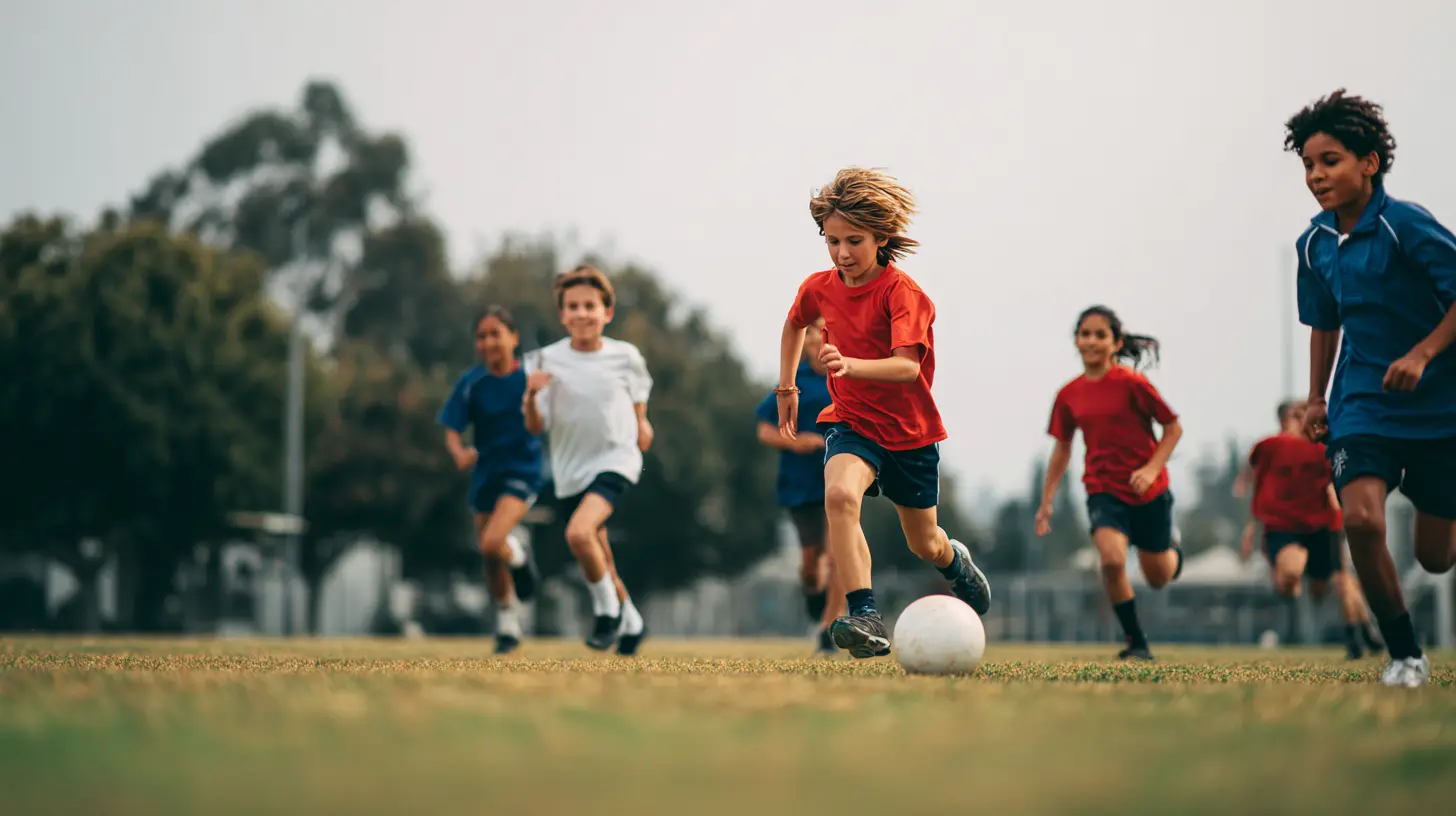
Hey there, fellow sports enthusiasts! Have you ever thought about the role physical education (PE) plays in schools? You know, it’s not just about running laps, playing dodgeball, or swinging a tennis racket. Physical education is evolving, and by 2027, it's going to be more crucial than ever in our schools. So, grab your favorite snack, sit back, and let’s dive into why PE is set to take center stage in the educational landscape!
The Changing Face of Education
A Shift Towards Holistic Development
In recent years, education has been shifting from a purely academic focus to a more holistic approach. This means that schools are recognizing the importance of developing the whole child—intellectually, emotionally, socially, and physically. Isn’t it amazing to think about how far we've come? Gone are the days when schools only emphasized reading, writing, and arithmetic. Now, they're realizing that physical health is just as important!The Rise of Mental Health Awareness
Let’s face it: mental health is a hot topic these days, and for good reason. With increasing awareness of mental health issues among children and adolescents, schools are starting to prioritize physical education as a tool for fostering mental well-being. Studies show that physical activity can reduce symptoms of anxiety and depression. So, instead of just hitting the books, students can hit the gym, which is a total win-win!
The Benefits of Physical Education
Physical Benefits: Building a Strong Foundation
First and foremost, let’s talk about the physical benefits. Regular participation in physical education helps students develop strong bones, muscles, and cardiovascular fitness. Think of it like planting a tree: the earlier you plant it and nurture it, the stronger it will grow. By incorporating PE into the curriculum, schools are essentially laying down the roots for a healthy lifestyle.Academic Performance: A Surprising Connection
Did you know that being active can actually boost academic performance? Yep, you heard that right! Numerous studies have found that students who engage in regular physical activity tend to perform better in school. Why? Well, exercise increases blood flow to the brain, and that’s kind of a big deal when it comes to learning. It’s like turning on a light in a dark room—suddenly, everything becomes clearer!Social Skills: Learning to Play Nice
Let’s not overlook the social aspect of physical education. When kids participate in team sports and activities, they learn valuable social skills like teamwork, communication, and sportsmanship. This is especially important in today’s world, where collaboration and relationship-building are key skills in both personal and professional settings. Think of PE as a social lab where kids can practice their people skills while having a blast!Emotional Resilience: Bouncing Back Stronger
You know that feeling when you finish a tough workout? The endorphins kick in, and suddenly, the world feels a little brighter. This is part of the emotional resilience that physical education helps to build. Students who participate in physical activities are often better equipped to handle stress and setbacks. It’s like they’re training for the marathon of life, preparing themselves to take on challenges with a positive mindset!
The Technology Factor
Integrating Tech into PE
Now, let’s talk about tech. We live in a digital age, and technology is everywhere, including in our schools. By 2027, we can expect to see a greater integration of technology into physical education. Imagine using virtual reality to simulate sports events or fitness trackers to monitor progress. This could make PE classes even more engaging and tailored to individual needs. It's like having a personal coach in your pocket!Gamification of Physical Activity
Gamification is another exciting trend on the horizon. By turning physical activities into games, schools can motivate students to participate and push them to new heights. Picture this: students competing in friendly challenges, earning points for completing workouts, and even unlocking achievements. It’s like turning PE into a video game, and who wouldn’t want to play that?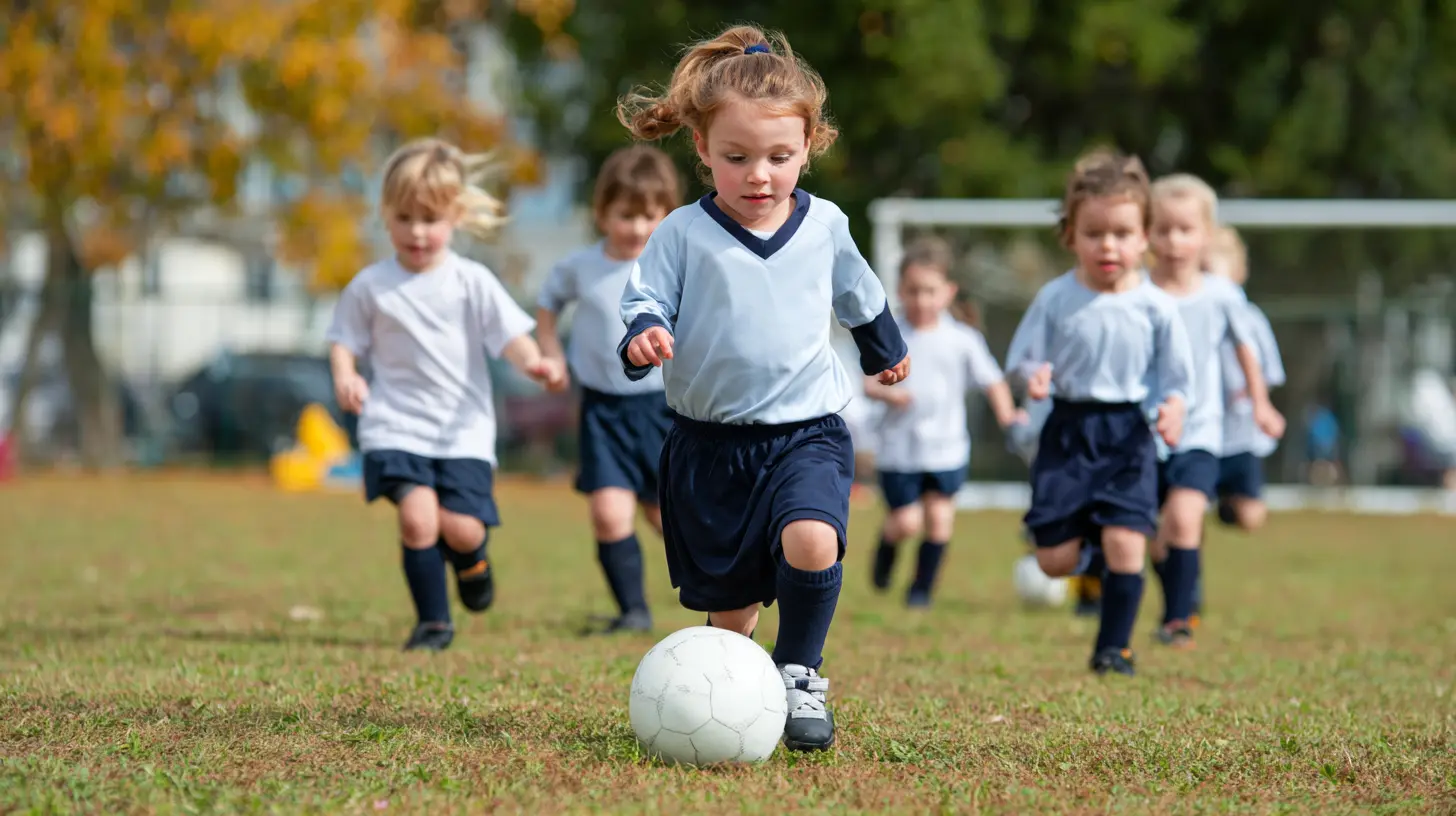
The Role of Policy Changes
Advocating for PE in Schools
You might be wondering how all of this will come to fruition. Well, it starts with policy changes. As more research highlights the benefits of physical education, schools and districts are beginning to advocate for its inclusion in the core curriculum. By 2027, we could see mandatory PE classes at all grade levels, ensuring that every student has the opportunity to engage in physical activity. Isn’t that something to cheer about?Funding and Resources: A Necessary Investment
Of course, implementing these changes requires funding and resources. Schools will need to invest in qualified instructors, modern equipment, and facilities to deliver high-quality physical education. But think about it: investing in our children’s health and well-being is an investment in the future. It’s like putting money into a savings account that will yield lifelong benefits!The Global Perspective
Learning from Other Countries
Let’s take a moment to look beyond our borders. Some countries are already leading the way in prioritizing physical education. For instance, Finland has integrated PE into its educational framework, placing a strong emphasis on physical activity throughout the school day. By adopting similar models, we can create a more active and healthier generation of students. It’s like looking at a recipe and realizing you can tweak it for better results!Addressing Global Health Issues
As we face rising global health issues, such as obesity and sedentary lifestyles, the importance of physical education becomes even more apparent. By instilling healthy habits in children, we can work toward combating these issues before they become ingrained. Think of PE as the frontline defense in the battle against poor health—an essential part of a broader strategy for societal well-being.
Challenges Ahead
Overcoming Resistance
Of course, it won’t be all smooth sailing. There will be challenges ahead, like overcoming resistance from those who may not see the value in physical education. Some might argue that time spent on PE takes away from academic learning. But it’s essential to change that narrative and help decision-makers understand that physical education can enhance academic outcomes. It’s like trying to convince someone that dessert is a necessary part of dinner—once they experience it, they’re likely to agree!Balancing Screen Time and Activity
Another challenge we face is the increasing prevalence of screen time. With the rise of digital devices, children are spending more time indoors, which can lead to a decline in physical activity. Schools will need to find innovative ways to balance technology use with physical activity, ensuring that students don’t miss out on the benefits of moving their bodies. It’s like walking a tightrope: finding that perfect balance is key!The Future of Physical Education
A More Inclusive Approach
As we look ahead, one of the most exciting prospects for physical education is its potential for inclusivity. By 2027, we can expect schools to adopt more inclusive practices, providing opportunities for all students, regardless of ability level, to participate in physical activities. This means adaptive sports, modified games, and supportive environments where everyone can thrive. Isn’t that what it’s all about? Ensuring that no child is left behind!Community Involvement: A Team Effort
Finally, we can’t forget about the role of the community in supporting physical education. Schools can collaborate with local sports clubs, fitness centers, and health organizations to provide students with additional resources and opportunities for physical activity. It’s like building a team where everyone plays a part in fostering a healthier environment for our kids.
Conclusion
So, there you have it! By 2027, physical education will be more crucial than ever in schools. With a focus on holistic development, mental health, technological integration, and community involvement, PE is poised to become a fundamental component of the educational experience. Let’s champion the cause of physical education in schools and work together to create a healthier, happier future for our children. After all, a healthy child is a happy child, and that’s something we can all get behind!all images in this post were generated using AI tools
Category:
Sports And EducationAuthor:

Easton Simmons
Discussion
rate this article
2 comments
Eva McMurtry
It's exciting to see the growing recognition of physical education's importance in schools. By 2027, prioritizing movement and health will empower students to thrive both physically and mentally, fostering a generation that values well-being and resilience.
August 9, 2026 at 2:55 AM
Easton Simmons
Thanks for your thoughts! It's great to see such enthusiasm for prioritizing health and movement in education. Here's to a healthier future for our students!
Pamela Rios
Vital for student health and development.
April 26, 2026 at 3:41 AM
Easton Simmons
Absolutely, prioritizing physical education is key to fostering both health and growth in students.