The Power of Sports Documentaries in Breaking Stereotypes
21 July 2026
When you think of sports, what comes to mind? Maybe it’s a roaring stadium, a buzzer-beating shot, or a record-breaking sprint. But sports are more than just wins and losses — they’re stories, emotions, cultures, and, at times, powerful tools for change. One of the most underrated heroes in this landscape? Sports documentaries.
Yep, those on-screen narratives that give us a behind-the-scenes look into the lives of athletes, teams, and communities. They dig deeper than the scoreboard and bring some serious punch when it comes to smashing stereotypes and shifting perspectives.
In this article, we're diving into the influence of sports documentaries and how they help rewire society’s often rigid beliefs. Ready to break the mold? Let’s go.
What Are Sports Documentaries Really About?
Sports documentaries aren’t just extended highlight reels. They’re raw, emotional, and jam-packed with real-life drama. They take us beyond the stadiums and into locker rooms, living rooms, and even battlefields — places where athletes face challenges most of us don't see on game day.From Netflix’s “The Last Dance” to ESPN’s “30 for 30” series, these films reveal layers that challenge the common narrative. They deal with racism, gender inequality, mental health, addiction, and socio-economic barriers. It’s like peeling an onion — except every layer tells a story that could change the way we see the world.
Shattering Gender Stereotypes
Let’s be honest — the world of sports has long been a boys’ club. But sports documentaries are changing that narrative, one frame at a time.Women Proving They Belong
Think of “Venus and Serena,” the documentary about the Williams sisters. It’s not just a story of two tennis players — it’s a bold reminder that women, especially Black women, can dominate traditionally male-dominated narratives.Or “The Heart of the Game,” which follows a girls’ high school basketball team and its coach. It doesn’t just focus on winning; it’s a story about resilience, leadership, and beating the odds in a world that often sidelines female athletes.
These stories challenge the outdated notion that women’s sports are “less intense” or “less important.” In fact, they highlight just how much heart and hustle female athletes bring to the table.
Tackling Racial and Cultural Stereotypes
Race and ethnicity have always been hot topics in sports. Unfortunately, they're often linked to stereotypes — like the idea that certain races are “naturally” better at specific sports or that minority athletes don’t have the “brains” for leadership roles like coaching or quarterbacking.Giving Voice to the Voiceless
Sports documentaries are throwing shade on those tired tropes. Films like “Muhammad Ali: When We Were Kings” show us the brilliance, intellect, and cultural impact of athletes of color.Remember “Undefeated,” the Oscar-winning doc about a Memphis high school football team? It’s not just a football story — it’s about poverty, race, and the power of second chances. It gives voice to young Black athletes whose struggles and dreams often go unnoticed.
By focusing on individual journeys, these films humanize people who are often reduced to stereotypes. You get to see their families, their challenges, and their dreams — all of which go way beyond the field or court.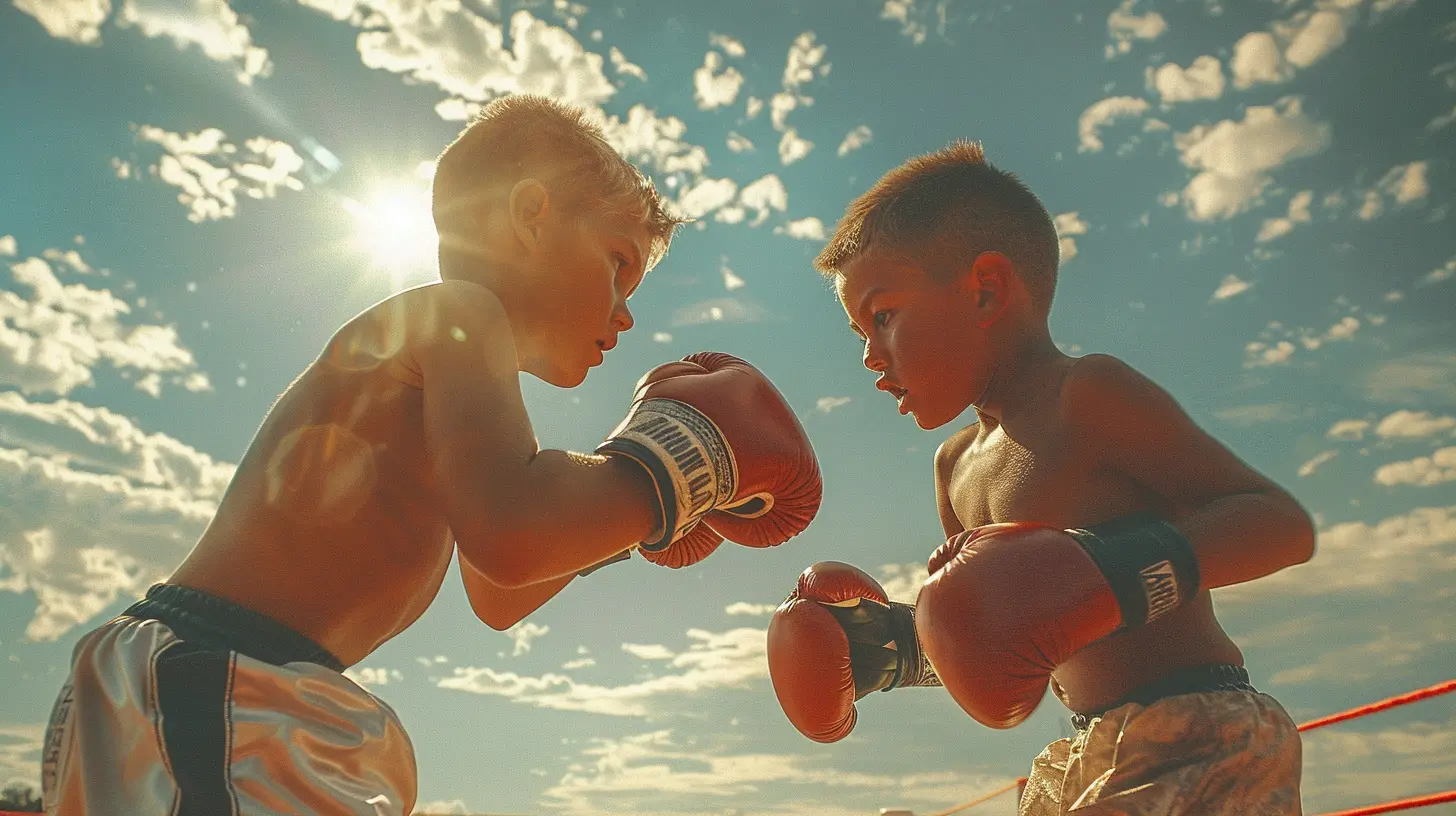
Breaking Economic Barriers and Class Bias
Let’s talk money. Not every athlete grows up with access to private coaches, fancy gear, or world-class facilities. Many come from humble beginnings, and sports become their escape, their ticket out, or even their lifeline.Grit over Glamour
Movies like “Hoop Dreams” capture this beautifully. Following two young basketball players from inner-city Chicago, it shows the real cost (and value) of chasing a dream. It’s about facing systemic barriers, financial hardship, and balancing hope with harsh reality.These stories push back against the idea that athletic success is easy or guaranteed. They remind us that talent may be born, but greatness is built — often with blood, sweat, and tears.
Mental Health: The Unseen Battle
Now, this is a big one — and finally getting the attention it deserves.De-stigmatizing Struggles
Sports documentaries are helping kick the stigma surrounding mental health straight to the curb. Just look at “The Weight of Gold,” where Olympians like Michael Phelps speak candidly about depression, anxiety, and the pressure of perfection.For so long, toughness in sports was measured by how much pain you could push through. But now? These documentaries are redefining toughness as speaking up, seeking help, and being vulnerable.
This shift is massive. It's telling athletes — and fans — that it’s okay to not be okay. And that, honestly, is game-changing.
Amplifying LGBTQ+ Voices
Sexual orientation has always been a taboo topic in sports. But documentaries are stepping in where traditional media hesitated.Visibility and Representation Matter
Take “Alone in the Game,” which unpacks the experiences of LGBTQ+ athletes in professional and amateur sports. It shines a light on their fears, courage, and the personal cost of simply being who they are.By putting these stories front and center, sports documentaries foster empathy, challenge prejudice, and support inclusivity — one viewer at a time.
Reimagining Disability Through Sports
Disability in sports is often misunderstood. Many assume it's about limitations. But sports documentaries flip that narrative, focusing instead on strength, adaptation, and fierce competition.Not Just Inspirational — Revolutionary
“Rising Phoenix,” a documentary about Paralympic athletes, is a great example. It doesn’t beg for pity — it demands respect. It’s not about what these athletes can’t do, but what they’ve achieved despite everything life threw at them.These films help us see ability, not disability. And they remind us that inspiration isn’t about feeling sorry for someone — it’s about admiration for the sheer will to win.
The Global Impact of Local Stories
One of the coolest things about sports documentaries is how local stories can have a global ripple effect. A soccer club in Cambodia, a cricket team in India, a marathon runner in Kenya — these aren’t just niche stories. They connect people across borders and cultures.Sports as a Universal Language
Take “Next Goal Wins,” about American Samoa’s national soccer team — considered the worst in the world. Their journey from defeat to redemption captures something universal: the human spirit. It doesn’t matter if you’ve never watched a soccer match in your life. The story hits home.These documentaries make us realize that no matter where we're from, we're all playing the same game — chasing dreams, fighting odds, and celebrating wins.
Why These Stories Matter More Than Ever
We live in a world full of noise. Social media, hot takes, and headlines that often miss the point. Amid all the chaos, sports documentaries offer something rare: clarity, depth, and heart.They don’t just entertain — they educate, inspire, and provoke thought. They force us to question what we thought we knew and invite us to see the world through someone else’s eyes.
The Role of Storytelling in Changing Perceptions
Let’s not underestimate the power of storytelling. Facts may inform, but stories transform. And sports, believe it or not, are one of the richest storytelling mediums out there.Human First, Athlete Second
The best sports documentaries don’t start with stats — they start with people. They show that behind every uniform is a person with struggles, dreams, and a voice that deserves to be heard.And when we start to see athletes as humans first, the stereotypes fall apart. The “lazy” player becomes the exhausted single parent. The “aggressive” fighter becomes the survivor of trauma. The “overrated” star becomes the kid living up to impossible expectations.
It’s not just about changing how we see sports. It’s about changing how we see each other.
The Future of Sports Documentaries
So, what’s next? Well, with streaming platforms investing big in this genre, expect more diverse, daring, and deeply personal stories in the years ahead.We’re talking about documentaries from female directors, stories from underrepresented communities, and films that don’t shy away from uncomfortable truths.
And let’s be real — we need these stories. Not just for sports fans, but for anyone looking to understand the world a little better.
Final Thoughts
At the end of the day, sports documentaries are about truth — the messy, beautiful, complicated truth behind the athletes and the world they live in. They challenge us to think differently, feel deeply, and look beyond the scoreboard.In a world full of stereotypes, these films are rewriting the script. And the best part? They're just getting started.
So the next time you sit down to watch a doc about boxing, basketball, or bobsledding, remember — you're not just watching a sport. You're witnessing a story strong enough to change minds.
all images in this post were generated using AI tools
Category:
Sports DocumentariesAuthor:

Easton Simmons
Discussion
rate this article
1 comments
Reese Dorsey
Who knew sports documentaries could tackle stereotypes better than a referee with a whistle? They're like the team huddles of social change, showing us that everyone can be a champion... even off the field!
July 28, 2026 at 10:24 AM
Easton Simmons
Absolutely! Sports documentaries have a unique way of highlighting important issues while inspiring change. They're a powerful reminder that the impact of sports goes well beyond the game.