When Superstars Get Traded: The Risks and Rewards
25 May 2026
Imagine waking up to the headline, "LeBron James Traded!" or "Patrick Mahomes Heading to a New Team!" That kind of news hits like a thunderclap across the sports world. The mere thought of a franchise player packing his bags sparks excitement, anxiety, and endless debates.
In the world of sports, trading superstar athletes is like playing poker with millions of chips on the table. Teams are gambling with fan loyalty, locker room chemistry, and the very future of their franchise. Some trades become instant classics; others... well, they morph into long-running punchlines.
So why do teams trade their biggest stars in the first place? What are the juicy rewards and the scary risks? Let’s break it all down.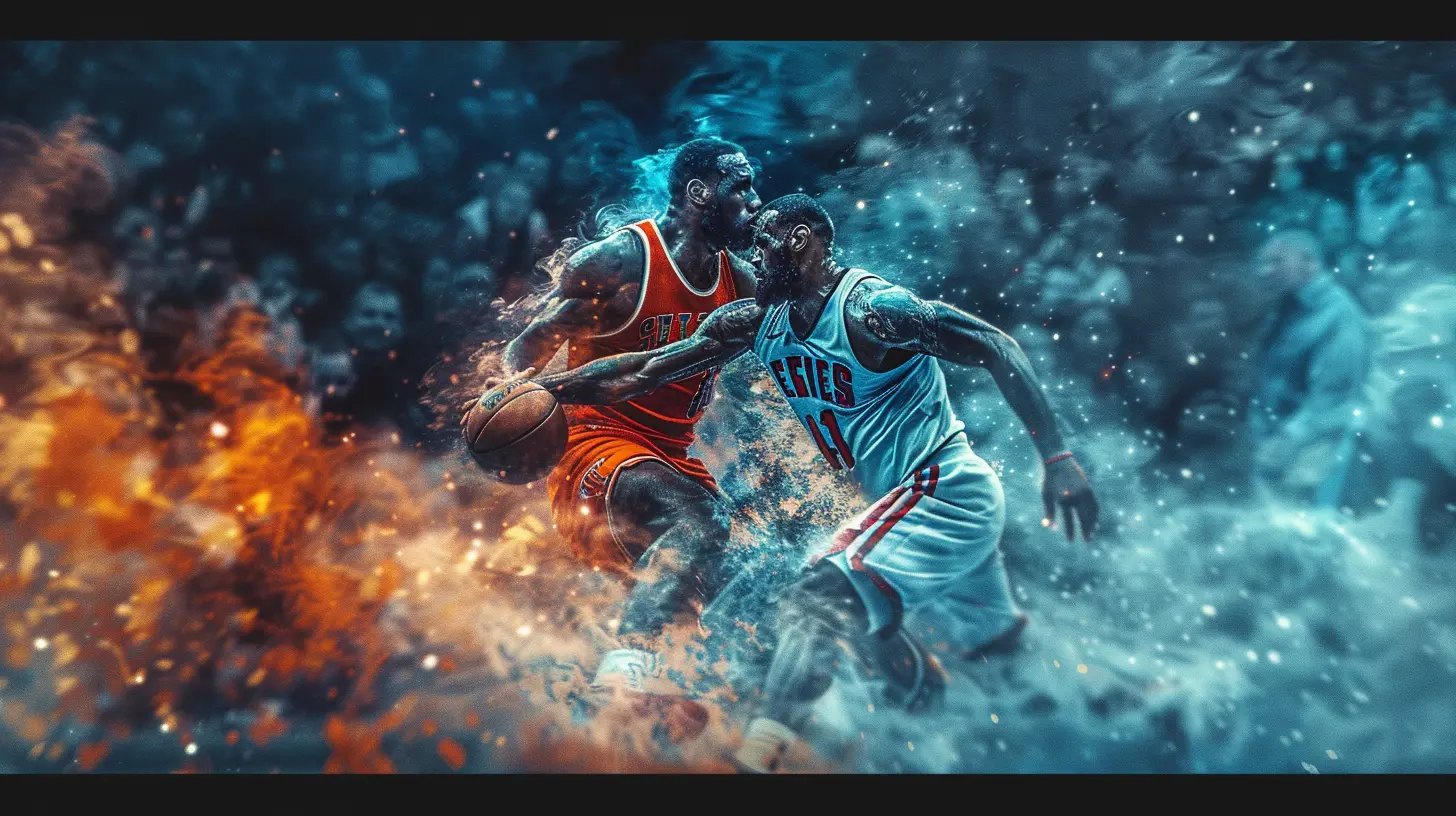
Why Would You Trade a Superstar Anyway?
Good question, right? You'd think teams would do everything to hold onto their MVPs. But sometimes, circumstances force their hand.1. Contract Drama
Ever heard the phrase, “It’s not personal, it’s business”? Yeah, that applies here. Many superstar trades happen because of contract issues. A player might want a raise the team can’t afford, or maybe he just wants out.Take Kevin Durant’s trade saga, for example. It wasn't just about basketball—it was also about timing, money, and control. Sometimes, both sides just need a fresh start.
2. Team Rebuilding Mode
Franchises can’t stay on top forever. Eventually, they hit that dreaded reset button. When that happens, the first to go is often the most valuable asset—the superstar.Think of it like selling off that vintage car you love to pay off your mortgage. Painful? Yep. Necessary? Sometimes.
Just look at the New Orleans Pelicans trading Anthony Davis to the Lakers. It signaled a rebuild, but they got a haul of young talent in return. Long-term move.
3. Locker Room Tension
Let’s be honest: not every locker room is rainbows and group hugs. Sometimes egos clash. When that tension spills into the media or affects performance, teams are forced to make tough choices.Remember when Jimmy Butler was in Minnesota? Great player. Not-so-great vibes. The Wolves traded him to Philadelphia, hoping for peace—and better results.
The Rewards: What Teams Hope to Gain
Pulling off a superstar trade is thrilling. The right move can ignite a franchise, energize the fanbase, and turn a middling team into a title contender.Let’s look at the potential jackpot.
1. Building for the Future
Trading a star can bring in a treasure trove of draft picks and young players. Think “start fresh with new bricks” instead of renovating an old building.The Boston Celtics pulled a masterclass in 2013 when they traded Paul Pierce and Kevin Garnett. The picks they scored helped land Jayson Tatum and Jaylen Brown. Smart move? You bet.
2. Solving Cap Space Problems
Superstars eat up a lot of salary cap room. Trading one can free up money to sign multiple solid contributors instead of relying on just one player.It’s like trading one high-end sports car for a dependable SUV and still having gas money.
3. Creating a Balanced Roster
Sometimes spreading the wealth makes more sense. You don't want a lopsided roster where one guy dominates and the rest are just role-players.Teams might flip a superstar for players that fit better around the remaining pieces. Chemistry matters, and balance can win you more games.
The Risks: The Flip Side of the Coin
Now, let’s be real. Trading a superstar can also be a PR nightmare. One wrong move and you're the punchline on every sports talk show.1. Fan Backlash
This one’s big. Fans pour emotion, time, and money into their favorite players. Trade that guy, and it’s like ripping out their hearts.Think back to when the Seattle Seahawks traded Russell Wilson. Emotions ran high. Some fans even burned jerseys—classic overreaction, but it shows the level of passion involved.
2. No Clear Payoff
There are no guarantees in sports. You can trade a superstar for a bunch of “potential,” but if those picks and players flop, you’ve just downgraded from a mansion to a tent.The Brooklyn Nets went all-in years ago with aging stars like Paul Pierce and Kevin Garnett. The result? Years of irrelevance. Ouch.
3. Star Power Sells Tickets
Franchises are businesses. Superstars boost ticket sales, sell jerseys, and attract sponsors. Losing one doesn’t just hurt your win total—it hurts the bottom line.It’s like losing your restaurant’s top chef. People stop showing up for the same ol’ grilled cheese.
Legendary Superstar Trades That Changed the Game
Nothing builds context like real-life examples. Here are a few trades that defined eras, for better or worse.1. Wayne Gretzky to the LA Kings (1988)
The “Great One” going Hollywood? Unthinkable at the time. But the Edmonton Oilers sent Gretzky to the Kings in a shocker.The result? Hockey exploded in popularity in the U.S., and the Kings became must-watch TV. Sure, Edmonton fans went through heartbreak, but the sport gained global exposure.
2. Herschel Walker to Minnesota Vikings (1989)
Dallas Cowboys fans still smile when they hear this one. They traded Walker to the Vikings for a smorgasbord of picks and players.Those picks turned into the foundation of a Cowboys dynasty. Minnesota? Not so lucky.
3. Shaquille O’Neal to Miami Heat (2004)
The big man left L.A. and landed in South Beach, where he teamed up with a young Dwyane Wade. Boom—NBA championship.Meanwhile, the Lakers retooled and eventually rebuilt around Kobe. A tale of two paths, but both franchises stayed relevant.
When It Works: The Dream Scenario
Let’s paint a happy picture. A team trades its aging superstar, brings in youth and draft capital, and hits on those picks. The young core develops into contenders.Suddenly, the trade that once felt like a heartbreak turns into a love story. Fans look back and say, “I hated it then, but man, it worked out.”
Just take a look at the Oklahoma City Thunder today. After trading Paul George and Russell Westbrook, they stockpiled picks, gave Shai Gilgeous-Alexander the keys, and are once again a team on the rise.
When It Fails: The Nightmare
But hey, not every story has a happy ending.Sometimes teams give up a future All-Star or MVP in pursuit of a quick fix—and it backfires hard.
Remember when the Brooklyn Nets traded the farm for aging Celtics? It set them back nearly a decade.
Or how about the Lakers trading a young core for Anthony Davis? Sure, they won a title in 2020, but now they’re stuck with aging stars and less flexibility.
Was the ring worth it? Depends on who you ask.
The Human Side: What About the Player?
Let’s not forget, these aren’t trading cards. These are actual people with families, homes, and relationships.Superstars often spend years building roots in a city. Getting traded can be an emotional gut-punch, causing stress and uncertainty.
Imagine being told you’ve got to move your entire life across the country... tomorrow. That’s the nature of the business, but it’s easy to forget the human toll these trades take.
The Fans’ Perspective
Fans are the lifeblood of sports. Superstar trades often trigger a full-blown identity crisis for them.Are you still loyal to the team? Or do you follow your favorite player wherever they go?
It’s like your favorite band breaking up. Do you support the solo artist? Or stick with the name on the marquee?
Conclusion: High Risk, High Reward
So, what’s the final verdict when superstars get traded?It’s a gamble, no doubt. Sometimes you win a championship. Sometimes you’re just rebuilding for years, waiting for those assets to pan out.
But one thing’s for sure—superstar trades electrify the sports world. They inject drama, suspense, and endless speculation into a game we already love.
Whether you're a GM making the call or a fan watching from the couch, superstar trades remind us that in sports, anything can happen.
So next time you see breaking news about a blockbuster trade—pause. Think about the stakes, the strategy, and the stories waiting to unfold.
It’s more than just a transaction. It’s the heart-pounding chaos that makes sports so dang addictive.
all images in this post were generated using AI tools
Category:
Player TradesAuthor:

Easton Simmons
Discussion
rate this article
1 comments
Lira Gibson
Trading superstars is like swapping a cat for a dog... sometimes you end up with a parrot!
June 2, 2026 at 2:21 AM
Easton Simmons
That's a colorful way to put it! Trading superstars can definitely bring unexpected results.