When a Trade Goes Wrong: Deals That Didn’t Work Out
7 June 2026
Let’s face it—trades are the lifeblood of professional sports. The thrill of a blockbuster deal, the speculation, the numbers crunching, and the hope of a better future can energize an entire fanbase. But what happens when that exciting trade turns into an absolute disaster? What about when the “sure thing” arrives and fizzles faster than a soda left open overnight?
That’s what we’re diving into here: those infamous, head-scratching, coulda-woulda-shoulda moments when a trade goes wrong. Sometimes it’s poor timing, sometimes it's overestimating a player’s potential, and sometimes the chemistry just isn't there. Whatever the cause, one thing’s for sure—they leave a mark. Not just on the team, but on entire fanbases.

Trades: A Double-Edged Sword
Trades are like rolling dice in Vegas. Sometimes, you walk away with a jackpot (hello, Celtics trading for Kevin Garnett). Other times… you lose your shirt, your wallet, and maybe even your dignity.General managers (GMs) are constantly walking a tightrope—juggling team needs, player egos, salary caps, and future draft picks. They’re expected to be part fortune-teller, part psychologist, and part accountant. Not exactly easy. And when they miss? Oh, it's loud. Like, front-page-of-every-sports-section kind of loud.
Let’s dig into some of the most notorious trades in sports history that simply didn’t pan out.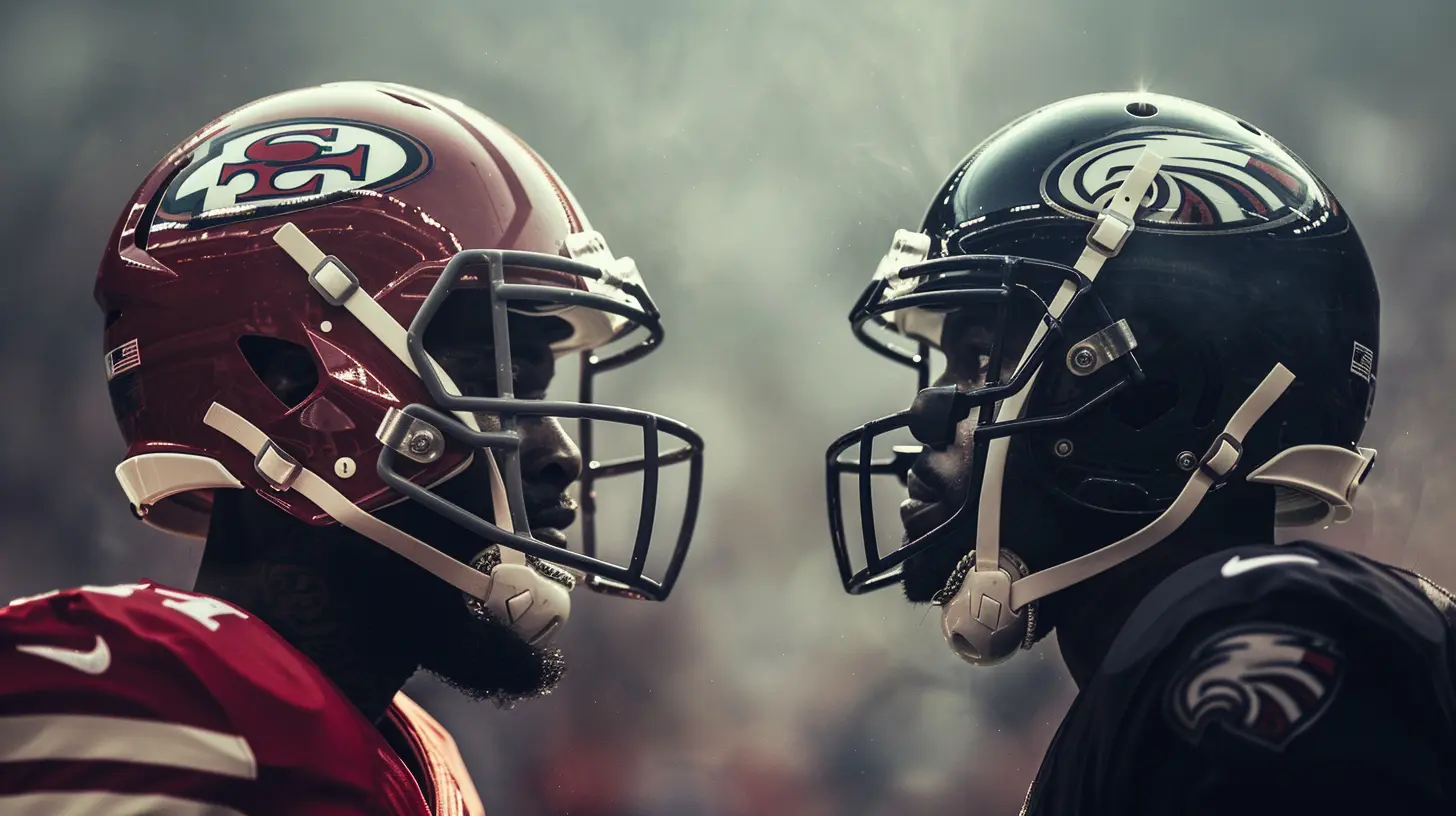
1. Herschel Walker to the Vikings – NFL’s Grand Giveaway
If we’re talking about bad trades, might as well start with the godfather of them all.The Deal:
In 1989, the Dallas Cowboys traded star running back Herschel Walker to the Minnesota Vikings. In return, Dallas received a mountain of picks—five players and eight draft picks to be exact.The Fallout:
Minnesota thought Walker was the final piece to a Super Bowl run. Spoiler: they were wrong. Walker never performed to expectations, and the Vikings' championship dreams evaporated faster than water on Texas asphalt.Meanwhile, the Cowboys turned those picks into Emmitt Smith, Darren Woodson, and more. That trade built their 1990s dynasty. Three Super Bowls later, Dallas fans are still smiling about it.
Minnesota fans? Yeah… not so much.
2. The Brooklyn Nets and the Aging Celtics – NBA’s Cautionary Tale
You would think teams learned from bad trades, but nope. Let’s talk NBA.The Deal:
In 2013, the Brooklyn Nets sent a king's ransom to the Boston Celtics in exchange for Paul Pierce, Kevin Garnett, and Jason Terry. Included in the deal? Three unprotected first-round picks and the right to swap another.The Fallout:
Sounds great if the year was 2008. But by 2013, those guys were aging stars on the backend of their careers.Pierce left after one year. Garnett looked like a shell of his former MVP self. Terry barely made a blip. And those picks? Oh boy.
Boston turned them into Jaylen Brown, Jayson Tatum, and other assets. Basically, the Celtics used Brooklyn's bad judgment to launch their next era of dominance. Meanwhile, the Nets crashed and burned, wandering in NBA purgatory for years.
That’s like trading your house for a Ferrari… only to find out they gave you a Hot Wheels.
3. Brock Osweiler to the Browns – NFL’s Salary Dump Disaster
This one? Less about talent, more about dollars. But equally painful.The Deal:
In 2017, the Houston Texans sent quarterback Brock Osweiler (along with a second-round pick) to the Cleveland Browns... basically just to get rid of his huge contract.The Fallout:
The Browns never intended to keep Osweiler. They literally paid $16 million for a draft pick. It was a pure salary dump. He was cut before the season even started.Osweiler never amounted to much afterward, and while the Browns did benefit from the pick, the trade became a symbol of how not to manage a QB situation—or a payroll.
It was like someone paying you to haul away junk… and then realizing halfway home that you should’ve just said no.
4. The Mariners Trade Away Adam Jones – MLB’s Long-Term L
Time to step up to the plate and talk baseball blunders.The Deal:
In 2008, the Seattle Mariners traded young prospects Adam Jones and three pitchers to the Baltimore Orioles for ace Erik Bedard.The Fallout:
At first glance, Bedard was a solid get. But injuries and inconsistency plagued his time in Seattle. He never pitched more than 129 innings in a season with them.Adam Jones, on the other hand? He became a five-time All-Star, a fan favorite, and a Gold Glove-winning center fielder.
Seattle essentially gave away a future franchise player for a pitcher who couldn’t stay on the mound. Not exactly a fair trade. It's like trading tomorrow’s lottery ticket for a scratch-off that’s already been used.
5. The Lakers’ Dwight Howard Experiment – A Hollywood Miscast
Let’s not forget what went down in L.A.The Deal:
In 2012, the Lakers were part of a four-team trade that brought Dwight Howard to the City of Angels. The hope? Pair him with Kobe Bryant, Steve Nash, and Pau Gasol to chase a title.The Fallout:
What actually happened? Injuries, drama, and more eye-rolls than a reality TV reunion.Howard lasted just one season. He clashed with Kobe, struggled with back and shoulder issues, and never truly fit the Laker mold.
The team was knocked out in the first round of the playoffs. A superteam in name only—this trade was Hollywood hype with a straight-to-DVD ending.
Why Trades Go Wrong
Sure, hindsight is 20/20. But why do so many trades fall flat? Let’s break it down:Overvaluing Talent
Sometimes a GM looks at a player’s stats and thinks they’re getting a superstar. But numbers don’t always tell the whole story. Injuries, system changes, or just plain aging can make those stats deflate faster than a punctured football.Undervaluing Chemistry
A locker room isn’t just a bunch of names on a whiteboard. It’s personalities, egos, and unspoken connections. A trade can disrupt that balance in ways no one sees coming.Short-Term Thinking
Desperation is the enemy of rational decisions. Teams chasing rings sometimes mortgage their future for short-term gains. And when it doesn’t work? They’re left with no rings… and no future.Bad Luck
Sometimes, it’s just bad timing. A player gets hurt, a coach is fired, or the league changes in a way that matters—like rule changes or style shifts. You can’t plan for everything.How Some Teams Bounce Back
Here’s the silver lining: not every bad trade dooms a franchise forever. Smart front offices adjust, rebuild, and reload. Some even turn their mistakes into motivation.Take the Boston Celtics after the Brooklyn deal. They used those picks to draft key players and build a new contender.
Even the Lakers eventually rebounded from the Dwight Howard debacle, reinventing themselves and winning another title in 2020.
Resilience is key. A bad trade doesn’t have to define you—it just teaches you not to repeat the same mistakes.
Final Thoughts: The Risk is the Reward
Trades are risky by nature. But without them? Sports would be static, predictable, and boring.Think about it—every blockbuster trade has the potential to reshape a franchise. Sure, when it goes wrong, it stings. Fans vent, media roast the front office, and memes fly around like confetti.
But when it goes right? Oh man, it’s magic. It’s dynasties, it’s banners, it’s parades. It’s everything we love about sports.
So the next time your team makes a trade that doesn’t pan out, take a deep breath. Remember that every GM who rolls the dice is just trying to make the big play. Sometimes they lose. Sometimes… they make history.
And that’s what keeps us watching.
all images in this post were generated using AI tools
Category:
Player TradesAuthor:

Easton Simmons
Discussion
rate this article
1 comments
Rhiannon McAuley
Trade failures remind us that numbers and potential can be deceiving. Behind every deal lies human ambition, strategy, and the unpredictable nature of sports that can turn dreams into regrets.
June 8, 2026 at 2:59 AM
Easton Simmons
You've captured the essence perfectly. Trade decisions often hinge on more than just stats; they involve emotions and unforeseen circumstances. It's a reminder that the human element always plays a crucial role in sports.