How Sports Documentaries Changed the Way We Watch the Game
20 May 2026
Let’s be honest—sports aren’t just games anymore. They’re stories. And if you’ve binge-watched a Netflix sports docuseries while knowing full well who won the game, then you’ve felt the pull of these behind-the-scenes tales. Sports documentaries have exploded into mainstream culture, and trust me, they’re not just for die-hard fans anymore. They’ve reshaped how we see our favorite athletes, teams, and the games themselves.
Whether you're into basketball, football, boxing, or even Formula 1, there’s a documentary that has likely gripped your heart and glued your eyes to the screen. But why? What is it about these sports stories that’s so captivating? And how exactly have they changed the way we watch the game?
Grab your popcorn—this one's going deep.
The Rise of Sports Documentaries: From Niche to Mainstream
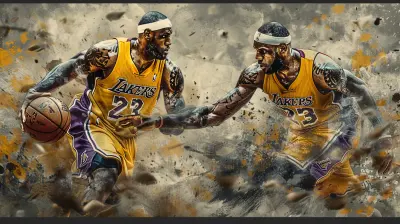
Let’s rewind a bit. Sports documentaries used to be niche, borderline geeky content. You’d find them on late-night cable or buried in obscure corners of YouTube. Sure, ESPN's "30 for 30" started turning heads in the early 2010s, but the real game-changer? Streaming platforms.When Netflix dropped The Last Dance in 2020—a Michael Jordan-focused docuseries—it was like watching the sports world hit a cultural jackpot. Everyone, even those who didn’t know a layup from a three-pointer, was hooked. That moment proved sports stories weren’t just for fans—they were for everyone.
And that was just the beginning.
Peeling Back the Curtain: Why We're Hooked
So, what is it about sports documentaries that makes them so binge-worthy?1. Personal Storytelling Over Stats
Let’s face it—traditional sports broadcasts can be a little... dry. Stats are cool, sure. But watching someone fight injury, battle self-doubt, or overcome personal demons? That’s raw. That’s human.Take Drive to Survive, the Formula 1 docuseries. Before it aired, how many Americans honestly followed F1? Now? It’s a global obsession. Why? Because it showed us the rivalries, the pressure, the emotion—everything the regular broadcast glossed over.
You’re not just watching a race anymore. You’re rooting for a person.
2. Athletes as Humans, Not Just Heroes
We’ve always seen athletes as larger-than-life. But what if I told you the greatest stories were in their flaws, not their records?Sports documentaries peel back that curtain. You see vulnerability. Michael Jordan crying. Serena Williams yelling. Tom Brady struggling. These aren’t polished press conference versions of themselves—they’re real, raw, relatable people.
Isn't it refreshing to see that even legends crumble sometimes?
3. High-Quality Production Value
Let’s talk about visuals for a second. Drone shots, cinematic slow-mo, emotional soundtracks—it’s like watching a Hollywood blockbuster… but better, because it’s real.Documentaries today are crafted with the same care as major movies. The editing, the interviews, the storytelling techniques—they all suck you in. You’re not just watching a game recap; you’re in the locker room, in the players’ heads.
The Shift in Perspective: How Docs Change How We See the Game
Here’s where things get even more interesting.1. We Appreciate the Mental Game
Watching the match is one thing. Understanding the anxiety, the sleepless nights, the psychological warfare? That’s a whole other layer.Sports docs have added emotional depth to our viewing experience. You start noticing who’s mentally strong, who’s struggling, and how much mindset plays into performance. When you watch a game now, you’re thinking beyond the scoreboard.
You’re watching with empathy.
2. Fans Are More Connected Than Ever
Social media gave us access. Documentaries gave us intimacy.Ever noticed how fans talk about athletes like they know them personally? That’s not just social media talk—it’s because documentaries let us into their lives.
You’re not just a Messi fan. You feel like you know Leo. You understand the weight he carries. And that connection? It changes the way you cheer, the way you critique, even the way you feel after a loss.
3. We Value the Underdog More
Sports are often about the big names. But documentaries have flipped that script.From benchwarmers to backups to unknown rookies, these films remind us that every athlete has a story. And sometimes, the guy who never made it to the highlight reel has the most powerful story of all.
It makes you watch differently. You start rooting for the unnoticed. You appreciate the grind.
Case Studies: Docs That Changed the Game
Let’s highlight a few heavy-hitters that didn’t just entertain—they transformed how we watch the sport.? The Last Dance (Basketball)
This was Jordan like we’ve never seen him—competitive, yes, but also emotional, sometimes petty, relentlessly driven.Impact: It didn’t just celebrate Jordan's greatness—it unpacked the cost of that greatness. Viewership for NBA classics skyrocketed. Younger fans got curious. Older fans got nostalgic. Everyone saw the game with new eyes.
? Drive to Survive (Formula 1)
This is THE documentary that turned F1 into a hot topic worldwide. The racing was always intense, but Netflix made it personal.Impact: F1 saw a massive growth in U.S. viewership. Teams now consider their "brand appeal" just as important as their racing strategy. Fans started caring about rivalries, pit crews, and even contract negotiations.
? When We Were Kings (Boxing)
This one goes back to the iconic Ali vs. Foreman "Rumble in the Jungle." It wasn’t just a fight—it was a moment in cultural history.Impact: This doc showed that boxing wasn't just about fists—it was about politics, race, identity. The way we viewed fighters changed. They weren’t just athletes. They were symbols.
⚽ All or Nothing Series (Football/Soccer)
Amazon’s series followed teams like Manchester City, Juventus, and Tottenham behind the scenes.Impact: It humanized clubs that often felt like corporate giants. Fans saw coaches battle stress, players navigate injuries, and locker room meltdowns. Suddenly, post-match interviews felt... deeper.
Why It Matters: The Emotional Investment Is Real
Remember when we just used to follow scores? Not anymore.Now, every game feels like a season finale. We know what's at stake mentally, emotionally, physically. That player limping off the pitch? We remember the episode where he cried about his injury comeback. That coach pacing on the sidelines? We saw him vent his fears in front of his family just a week ago.
Sports documentaries made us feel more. And in doing so, they deepened our love for the game.
The Ripple Effect: How Sports Itself Has Changed
It’s not just fans who’ve changed—sports organizations have taken notes too.1. Athletes Controlling Their Narrative
More and more athletes are producing their own documentaries. Think LeBron’s More Than an Athlete or Naomi Osaka’s Netflix series. Why? Because it gives them power over their story.Instead of waiting for media portrayals, they’re stepping up and saying, “Here’s who I really am.”
That’s powerful. And it builds deeper, more loyal fanbases.
2. Teams Embracing Storytelling
Clubs and franchises now hire full-time media crews. Content isn’t just an afterthought—it’s a strategy.They know fans crave behind-the-scenes moments. So they deliver—on YouTube, on social, on Amazon. It's about building community through storytelling.
3. The Business Side Grows
Merch sales spike after a hit documentary. Sponsorships get renewed. Viewership rises. Docu-content is good business.It’s no longer just about what happens on the field. It’s about what happens off it—and how well you can package that story.
What’s Next: The Future of Sports Viewing
We’re just getting started. With virtual reality, interactive content, and even athlete-driven YouTube channels popping up daily, the line between sports and entertainment keeps blurring.Expect more:
- Player-focused mini-series
- Deep dives into youth academies and grassroots football
- Stories from female athletes and underrepresented sports
- Global perspectives that show how culture affects the game
And if you're not watching this side of sports yet? You're missing half the show.
Final Thoughts
Sports documentaries didn’t just change how we watch the game—they changed how we feel the game.They gave it depth. They gave it meaning. They turned stats into stories and players into people.
So the next time you're watching a match, and you feel a little extra emotional about a player you've never met, thank the documentaries. They're not just changing sports—they’re changing fandom.
And honestly? We're all better viewers because of it.
all images in this post were generated using AI tools
Category:
Sports DocumentariesAuthor:

Easton Simmons
Discussion
rate this article
1 comments
Rhett McAdoo
Sports documentaries have transformed our viewing experience from mere entertainment to deep emotional connections. They expose the grit behind the glory, revealing athletes' struggles and triumphs. Now, every game feels personal, and we're not just spectators; we become part of their journey. That's the true power of storytelling.
May 31, 2026 at 4:55 AM
Easton Simmons
Absolutely, sports documentaries bring us closer to the athletes' realities. They turn every match into a shared experience, making us feel the highs and lows right alongside them. It's storytelling at its finest.