What Happens When Athlete Endorsements Go Wrong?
25 June 2026
So, you’ve got a brand. A nice shiny product to sell. And what better way to make it fly off the shelves than slapping a world-famous athlete’s face on it, right? After all, who wouldn’t want to drink the same energy drink or wear the same overpriced sneakers as their favorite sports superstar? Athlete endorsements are the golden ticket in the world of marketing—or at least, they’re supposed to be.
But oh boy, when they go south, they really go south. Like "grab some popcorn, this is going to be wild" kind of south.
Welcome to the fabulous (and sometimes flaming) world of athlete endorsements gone wrong. Buckle up, because this ride is part train wreck, part cautionary tale, and 100% entertaining.
The Glorious Rise of Athlete Endorsements
Before we dive into the drama, let’s set the stage. Athlete endorsements are big business. We're talking billions—with a capital B. Why? Because athletes are idols. They’ve got clout, charisma, and calf muscles the size of small countries.Marketers know that if LeBron drinks it, people will buy it. If Serena wears it, people will wear it—even if it's wildly impractical tennis gear for someone whose idea of cardio is walking to the fridge.
Brands are basically betting that an athlete's shine will rub off on their product. It’s marketing magic! Until, of course, it becomes marketing mayhem.
When Superstars Become PR Nightmares
Ah, the fun part. Let’s talk scandal, shall we?1. The Tiger Woods Saga: Golf, Affairs, and Corporate Bailouts
Remember Tiger Woods? You know, one of the greatest golfers of all time? Yeah, well, back in 2009, Tiger became the poster child for “how to lose millions by cheating.”Major sponsors—Nike, Gatorade, Tag Heuer—were lining up to jump off the Tiger Train faster than you could say "infidelity." Some stuck with him (brave souls), but others ghosted him like a bad Tinder date.
Moral of the story? Your brand probably shouldn’t hitch its entire identity to someone with a secret double life.
2. Lance Armstrong: From National Hero to National Headache
Once upon a time, Lance Armstrong was the living embodiment of strength, determination, and cancer-defying grit. Livestrong bracelets were the ultimate accessory. People felt good buying from his brand.Then came the doping scandal.
Spoiler alert: You can’t market “authenticity” and “never giving up” when you're using banned substances to zoom past the competition. Millions in endorsements? Gone. Reputation? Shredded. Livestrong? Still exists, but it limped away from the endorsement scene faster than Lance on a downhill.
3. Ryan Lochte: Olympic Gold and Gas Station Lies
Ah, Ryan Lochte. The swimmer with the abs of a Greek god and the decision-making skills of a toaster.During the 2016 Olympics in Rio, Lochte told the world he was robbed at gunpoint. Turns out... not so much. The truth? It involved vandalism, a gas station, and more than a few bad choices.
Sponsors pulled the plug immediately. Speedo even tweeted the break-up like it was a high school relationship gone sour.
Lesson here? Never lie on international TV unless you're cool with flushing your career (and contracts) down the drain.
Why Do Brands Keep Falling for Athletes?
It’s the marketing equivalent of dating the bad boy even though all your friends say it’s a terrible idea. Brands know the risks, but the allure is just too tempting.Athletes bring attention. They create buzz. They’ve got millions of followers who hang on their every protein shake. In short, they’re human billboards with abs.
But here’s the kicker: they're also humans. And humans do dumb stuff. When they do, brands get caught holding the PR bag.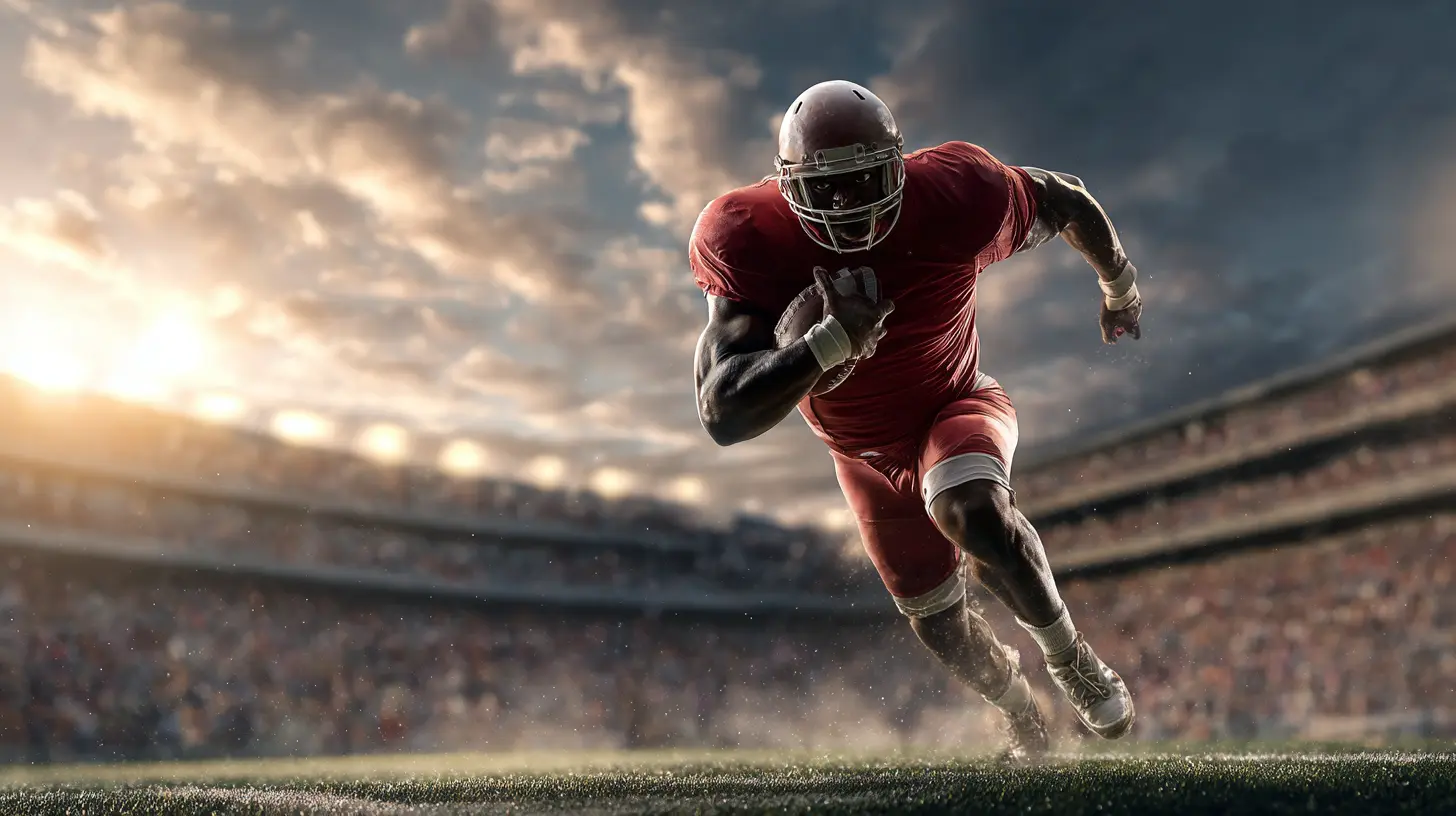
The Fallout: Not Just a Bad Look
You might be thinking, “Okay, so the athlete messed up. Big whoop.” Oh, my sweet summer child. It's so much more than that.1. Brand Reputation Takes a Torpedo Hit
Nothing says "we made a mistake" like having your brand dragged into a scandal you didn’t see coming. Suddenly, your tweet promoting your product with said athlete has aged worse than milk.2. Lost Revenue and Investor Panic
Sponsors drop athletes like hot potatoes to minimize damage. But sometimes the ship sinks before they can jump. Consumers boycott, investors panic, and CEOs break out the stress balls.3. Legal Shenanigans
Contracts get messy when morals clauses are involved. These are those “if you screw up, we’re out” clauses. Cue the lawsuits, the payouts, and the PR people working overtime.The Internet Never Forgets
Let’s not forget the lovely gift that is the internet. Once a scandal hits social media, it’s everywhere. Screenshots are forever. Memes are merciless. And public forgiveness? That takes time—if it ever comes.Remember the mayhem when a certain NFL player lost endorsements after a certain "domestic violence" security footage? Yeah, that was front-page news for weeks. Fans were enraged, sponsors panicked, and the whole ordeal turned into a masterclass in “how not to handle a PR nightmare.”
Fun Fact: It Doesn’t Always End Badly
While most endorsement disasters feel like watching a slow-motion car crash, not every athlete scandal kills a career. Some bounce back. Heck, some even thrive.Case in point: Kobe Bryant lost some endorsements during his legal drama years ago. But he won some back later by, you know, being ridiculously good at basketball and doing loads of charity work. Redemption arcs do happen. They’re rare, but not impossible.
How Brands Try to Protect Themselves
They’re not completely clueless, you know. Marketers do try to CYA (cover your assets). Here's how:1. Morals Clauses: The Fine Print Savior
These lovely bits of legal jargon allow companies to bail at the first sign of athlete idiocy. Something scandalous happens? Contract canceled faster than your gym membership in February.2. Image Vetting: Stalking, But Make It Legal
Before signing, brands do background checks, social media audits, and probably call the athlete’s high school gym teacher. Anything to sniff out red flags.3. Backup Plans: Just in Case of Implosion
Smart marketers diversify. They don’t put all their eggs (and money) in one bicep. That way, if one athlete crashes and burns, there’s another ready to post a vaguely inspirational Instagram photo wearing your brand logo.Can Brands Recover?
Short answer? Yup.Longer answer? It takes time, strategy, and a whole lot of pretending that “athlete who shall not be named” never happened.
Some brands pivot. Some rebrand entirely. Others lean into the chaos, own it, and somehow come out stronger. (Shoutout to those bold few who turn disaster into a branding opportunity.)
So… What’s the Takeaway?
Athlete endorsements can either catapult your brand into the stratosphere or sink it faster than the Titanic. It’s a gamble. A high-stakes, glitzy, often very sweaty gamble.Sure, not every athlete is going to pull a public meltdown or get caught lying about a robbery. But if you’re a brand thinking of betting on a superstar, maybe ask yourself…
Is this person more likely to win a championship—or get caught stealing crab legs?
Final Thoughts: Choose Your Heroes Wisely
Endorsements are like dating. Pick the wrong person, and you'll regret every second and dollar spent. Pick the right one, and magic happens. Just make sure your chosen athlete’s off-field activities aren’t going to tank your company’s good name.And if they do? Well, at least you’ll have one heck of a story for your next marketing meeting.
all images in this post were generated using AI tools
Category:
Brand EndorsementsAuthor:

Easton Simmons
Discussion
rate this article
1 comments
Denise Pace
Endorsement failures remind us athletes are human, too. Their struggles are real.
June 29, 2026 at 2:51 AM
Easton Simmons
Absolutely, it's a crucial reminder. Athletes face pressures and challenges just like anyone else.