From Rivals to Teammates: The Emotional Side of Player Trades
16 February 2026
Professional sports are full of moments that make us cheer, scream, and sometimes even cry. We love the thrill of buzzer-beaters, big plays, and Cinderella stories. But there’s one part of the game that often flies under the radar—something deeply human and emotional: player trades.
Sure, trades are part of the business, and from a team management perspective, they make perfect sense. But peel back the stats, the press releases, and the Twitter announcements, and you’ll find something raw and real—players leaving behind friends, fans, and sometimes even family, to become part of a new team… which might’ve been a sworn rival just a week ago.
Let’s dive into what it actually feels like when rivals become teammates. Because this isn’t just about jerseys and numbers—this is about relationships, identity, and the very essence of being part of a team.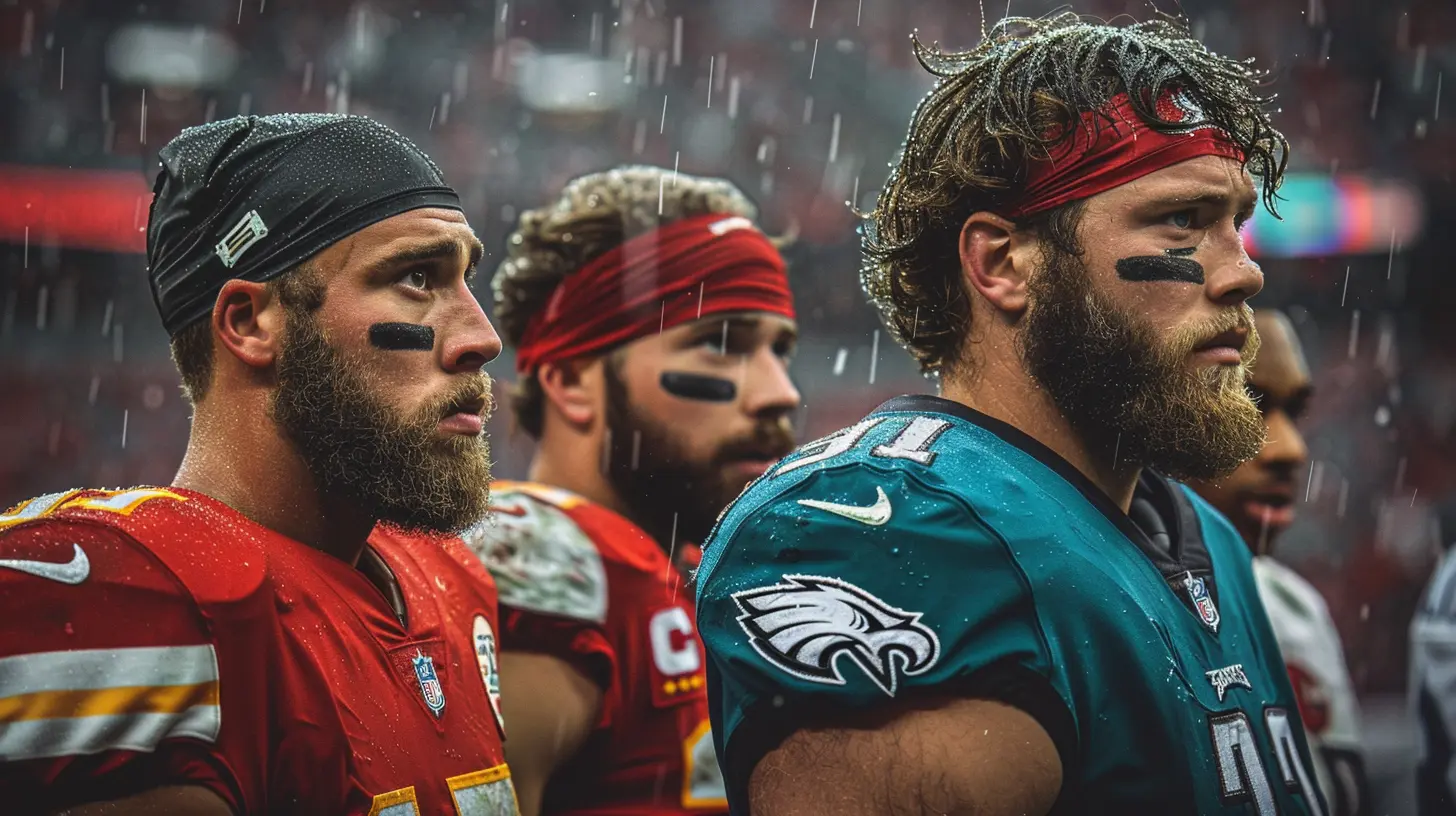
The Nature of Rivalries in Sports
Let’s be real: rivalries are what make sports thrilling. Whether it’s Lakers vs. Celtics, Yankees vs. Red Sox, or Barcelona vs. Real Madrid, these showdowns carry history, heat, and a whole lot of pride.Players often internalize this. They spend months—or years—facing off against certain opponents, sometimes pushing each other to their physical and emotional limits. Over time, these matchups can turn personal.
So imagine being traded to the very team you were trained to battle. It’s not just switching locker rooms. It’s like moving in with your ex’s family. Awkward? Oh yeah. Challenging? Absolutely.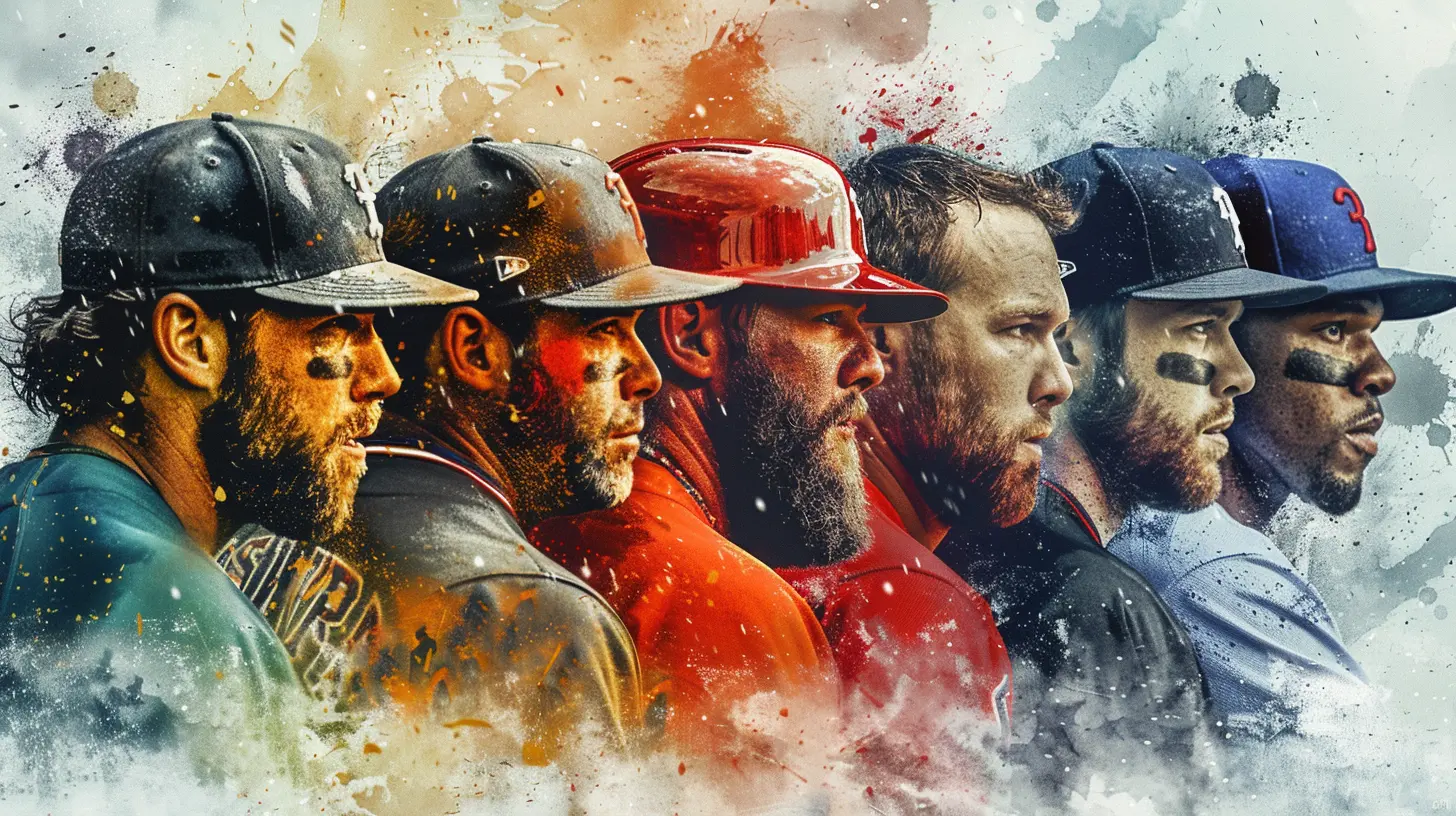
When Loyalty Meets Business
Here’s the kicker: athletes are some of the most loyal people you’ll meet. They put their bodies on the line, wear their teams' colors with pride, and build bonds with their teammates that only combat can forge.But sports, especially at the professional level, is a business first. When a trade happens, it’s usually not up to the player. It can happen overnight—one minute you're a franchise star, the next you’re catching a flight to your former arch-enemy’s city.
You might remember when Kevin Durant moved from the Oklahoma City Thunder to the Golden State Warriors. The backlash was intense—not just from fans, but even from some of his old teammates. Was it betrayal? For many, it felt that way. But for KD, it was a step toward growth.
This is the emotional tightrope athletes walk. They’re expected to be warriors on the court or field, but also chess pieces in a much bigger game.
The Emotional Whiplash of Being Traded
Let’s talk feelings. Getting traded is not just about packing up cleats and jerseys. It’s about uprooting your life.Players have families, routines, favorite hangouts, and deep friendships within their teams. When they’re told they’re moving—often with little warning—it can feel like the rug's been pulled out from under them.
And now imagine joining a locker room full of former rivals. It’s kind of like being the new kid in school—except all the other kids remember that time you stole their lunch.
Some players manage it with grace, but don’t let the calm faces fool you. Behind that composed exterior is a storm of emotions—excitement, anxiety, maybe even a little resentment. And that’s all while trying to stay in top shape and perform at the highest level.
From Enemy to Ally: The Transition
So how do players make the shift from rival to teammate? It's not easy, but it's definitely possible—and sometimes, it leads to some of the most inspiring stories in sports.First, there's the initial adjustment. Picture walking into the locker room and seeing the guy you used to guard every night, the one you trash-talked and maybe even brawled with. Now? You’re passing the ball to him.
But here's where professionalism kicks in. Athletes at the top of their game know how to compartmentalize. They understand the bigger picture—winning championships, leaving a legacy, and supporting each other.
Sometimes, former rivals become the best of friends. Think about LeBron James and Dwyane Wade. They were fierce competitors before teaming up in Miami, but once they joined forces? Magic happened.
Fan Reactions: Not Always Friendly
Let’s not forget the fans.For many, sports are personal. They identify with their teams, wear the gear, and defend their players to the death on social media. So when a key player joins a rival team, emotions run high—betrayal, disbelief, even anger.
And when former rivals become teammates, fans are often skeptical. Can they really work together? Will they put the past behind them? Or will the tension boil over?
Social media explodes. Memes fly. Hot takes dominate sports talk shows.
But more often than not, when the wins start rolling in and the chemistry starts clicking, fans forget the drama. Winning, after all, is the ultimate balm.
The Mental Toll and the Need for Support
It’s easy to overlook the psychological toll of being traded. Athletes are often expected to just “suck it up” and keep playing. But that’s not how emotions work.Mental health is becoming a bigger focus in pro sports, and rightfully so. Players are starting to speak out about the emotional rollercoaster of trades and the feeling of being treated like assets, not humans.
Support systems—like team psychologists, mentors, and even player support groups—are stepping up. After all, a player who feels emotionally secure is more likely to perform at their best.
Transitioning from a rival to a teammate doesn’t just happen on the field—it starts in the heart and mind.
When It Works: Legendary Success Stories
Let’s end on a high note. Because while the process of becoming teammates with a former rival can be rocky, it can also lead to greatness.Take the example of Shaquille O’Neal and Kobe Bryant. While they had a love-hate relationship as Lakers teammates, they started out on opposite paths, with mutual respect but clear competitive fire. Their pairing brought three straight championships to Los Angeles—proof that rivals can become dynasties when they unite.
Another epic tale? Ray Allen joining the Miami Heat, a team he once battled fiercely while with the Boston Celtics. Despite fan backlash, Allen’s move to Miami resulted in one of the most clutch shots in NBA Finals history and another championship ring.
These stories remind us that, in sports and in life, sometimes your greatest rival can become your greatest ally.
The Beauty of the Game’s Emotional Undercurrents
At the end of the day, trades aren’t just paperwork. They're deeply emotional events that involve people with families, histories, and identities tied to the teams they leave and join.From locker room awkwardness to fan-bitten drama, the journey from being a rival to becoming a teammate is a rollercoaster. But it’s also what makes sports so human. It’s not just about scores and trophies—it’s about growth, connection, and learning to find common ground with those we once considered enemies.
So the next time you see a player traded to your favorite team from a rival squad, pause for a second. Behind that crisp press release and shiny new uniform is a human being navigating one of the most emotional transitions in sports.
And who knows? That former rival might just be the missing piece to your team’s next championship run.
all images in this post were generated using AI tools
Category:
Player TradesAuthor:

Easton Simmons
Discussion
rate this article
2 comments
Nicole Navarro
Player trades redefine loyalty and teamwork, proving that unity can emerge from rivalry.
March 16, 2026 at 4:13 AM
Easton Simmons
Thank you for your insight! Player trades indeed highlight how loyalty and teamwork can evolve, transforming rivals into united teammates. It's a powerful testament to the dynamics of sports relationships.
Miles Pacheco
Ah yes, nothing screams “best buds” like trading a rival for a teammate—because who can resist an awkward hug?
February 17, 2026 at 3:49 AM
Easton Simmons
That's true! It's wild how rivalries can turn into friendships. Sports really do bring people together in unexpected ways.