What Analysts Are Missing About the 2027 Contenders
2 October 2026
As we look ahead to the 2027 sports landscape, analysts often focus on surface-level statistics, team rosters, and recent performance trends. However, there is more to understanding the contenders for the championship than just numbers. Analysts frequently overlook the underlying factors that can prove crucial in determining a team's success. In this piece, we will delve into various aspects that analysts might be missing, offering a comprehensive view of what it takes to be a contender in 2027.
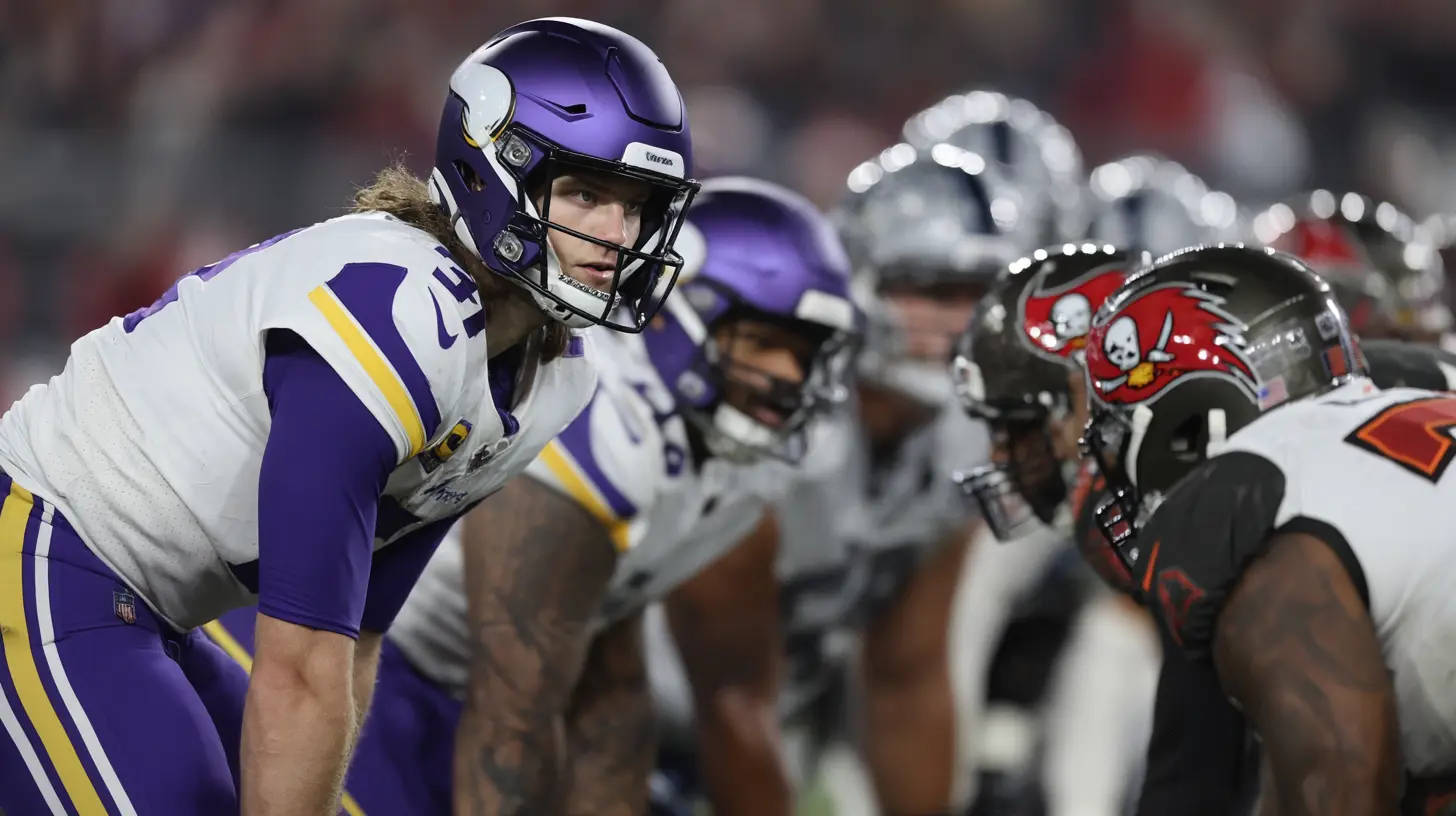
The Importance of Team Chemistry
Understanding Team Dynamics
Team chemistry can often be the difference between a good team and a great one. While talent is undeniably important, how well players work together can enhance or undermine performance. Analysts might focus on individual statistics, but they often miss how players' interactions can create an environment conducive to success.Practical Insight: Consider the Golden State Warriors during their recent championship runs. Their success was not just due to the individual talents of players like Stephen Curry and Klay Thompson but also to their ability to complement each other's playing styles. In 2027, teams that prioritize building chemistry through off-court bonding and open communication will have a significant advantage.
Key Indicators of Good Chemistry
When scouting potential contenders, look for signs of camaraderie and collaboration, such as:- Player Interactions: Watch how players communicate during games and practices. Frequent high-fives, encouragement, and strategic discussions can indicate strong chemistry.
- Body Language: Positive body language among players can reflect trust and understanding. Conversely, visible frustration can signal underlying issues.
- Off-Court Relationships: Teams that engage in team-building activities outside of games often display better cohesion on the court.

The Role of Coaching Styles
Adapting to Evolving Game Trends
The sports world is continuously evolving, and coaching styles must adapt to keep pace. Analysts often focus on a coach's past success but may overlook how effectively a coach can evolve their strategies in response to changing game dynamics.Real-World Example: Think of coaches like Greg Popovich, who have adapted their approaches over decades. In 2027, teams with coaches who can seamlessly integrate analytics into their strategies while maintaining a flexible coaching style will be better positioned to succeed.
Evaluating Coaching Impact
When assessing a team's potential, consider the following coaching factors:- Flexibility in Game Plans: A coach's willingness to adapt tactics based on opponent strengths and weaknesses can be a game-changer.
- Player Development Skills: Good coaches not only strategize but also help players improve. Teams that invest in player development can enhance their roster's long-term potential.

The Influence of Analytics
Beyond Basic Metrics
While advanced analytics have transformed sports, many analysts still rely heavily on traditional statistics. In 2027, successful teams will leverage a more comprehensive set of metrics that include player efficiency ratings, shot selection, and defensive impact.Common Mistake: Analysts often focus on offensive stats like points per game, ignoring defensive metrics that could be equally telling about a player's overall contribution. For example, a player might score less but excel in defensive stops, making them invaluable in key moments.
Embracing Big Data
Consider how organizations use data to inform decisions. In 2027, teams that effectively analyze and apply big data insights will gain a competitive edge. Look for contenders using sophisticated algorithms to predict player performance and injury risks.
Player Development and Longevity
The Shift Towards Long-Term Planning
In recent years, the focus has shifted from short-term success to long-term player development. Analysts often overlook the importance of nurturing young talent to build sustainable success.Analytical Insight: Teams that prioritize player development will likely see less turnover and a more stable roster, leading to consistent performance over time. For example, the Milwaukee Bucks invested in their young core, which paid off during their championship run.
Recognizing Hidden Talent
Scout for players who may not be stars yet but have high ceilings. Analysts sometimes miss out on recognizing potential in players not currently in the spotlight. Keep an eye on:- G-League Performers: Many future stars develop in the G-League. Teams that actively monitor this league often find hidden gems that can contribute significantly in the future.
- International Talent: The global landscape is rich with players whose styles and skills might not be represented in traditional scouting reports.
Injury Management and Player Health
The Increasing Importance of Sports Science
As the game becomes more physically demanding, the management of player health has become paramount. Analysts frequently underestimate the impact injuries can have on a team's success.Best Practice: Teams that invest in sports science for injury prevention and recovery will have a better chance of keeping their best players on the field. Monitoring workload, nutrition, and mental well-being can lead to a more robust roster.
Proactive vs. Reactive Approaches
Teams that adopt a proactive approach to player health, using technology to monitor physical stress and fatigue, will likely see better performance. In contrast, a reactive approach, waiting for injuries to occur before addressing issues, can lead to significant setbacks.
The Impact of Team Culture
Defining Team Identity
In 2027, a strong team culture will be more important than ever. Analysts often neglect the intangible aspects of a team's identity, focusing instead on tangible outcomes.Cultural Insight: Successful teams often have a clear identity that defines their playing style, work ethic, and overall approach to the game. For example, the San Antonio Spurs are known for their unselfish play and strong team-first mentality.
Building a Positive Culture
To assess a team's culture, consider:- Leadership Structures: Teams with strong leadership, both from coaches and veteran players, often create an environment where younger players can thrive.
- Inclusivity and Diversity: A diverse team culture can foster innovation and adaptability, which are critical in today's fast-paced game.
The Power of Fan Engagement
Understanding the Home Advantage
In sports, home advantage is often cited, but the role of fan engagement is frequently overlooked. Teams with passionate, engaged fans create an atmosphere that can lead to better performance.Engagement Example: The Seattle Seahawks, known for their "12th Man," have leveraged fan support to create a challenging environment for opponents. This type of engagement can significantly impact a team's home performance.
Building Community Connections
Contenders in 2027 will recognize the importance of connecting with their local communities. Teams that cultivate strong relationships with fans through outreach and engagement initiatives often enjoy better support and loyalty.
Conclusion
As we approach 2027, analysts must broaden their perspectives to capture what truly makes a contender. The interplay between chemistry, coaching, analytics, player development, health management, culture, and fan engagement is intricate and vital. By understanding these factors, we can form a more nuanced view of the upcoming contenders.Teams that focus on these often-overlooked aspects will not only enhance their chances of success but also contribute to the evolution of the sport itself.
all images in this post were generated using AI tools
Category:
Preseason AnalysisAuthor:

Easton Simmons