The Art of the Trade: How GMs Orchestrate Player Moves
2 June 2026
Let’s face it—sports trades are spicy. They're like the fantasy football trades your buddy offers you at 2 a.m.—but with millions of dollars, championship dreams, and egos the size of stadiums riding on them.
Behind every last-second buzzer-beater trade deadline deal, there’s a mysterious figure pulling the strings: the General Manager, or GM. You know, that behind-the-scenes wizard who deals with contracts, scouts college kids, negotiates trade deals over lukewarm coffee, and somehow finds a way to swap a benchwarmer for a future MVP.
So, put on your cap and headset because we’re going deep into the locker room, the war room, and yes, even the group chat—this is the art, chaos, and (sometimes) comedy of how GMs orchestrate player moves.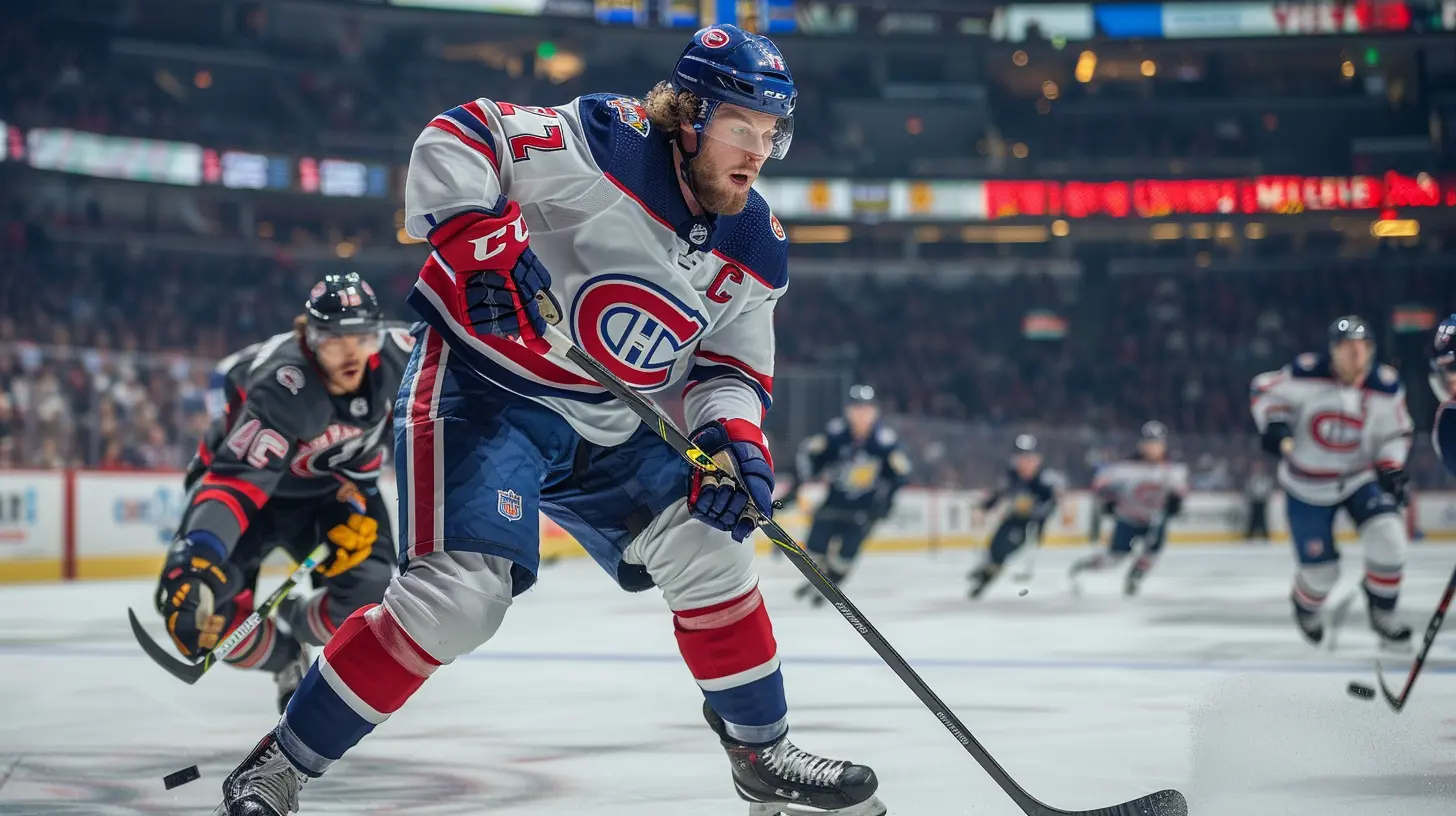
? Who Are These Magical Creatures Called “GMs”?
Let’s start with the basics. A GM (General Manager) isn’t just the guy in the luxury box ignoring overpriced nachos. He’s the puppet master. The strategist. The guy who builds rosters, breaks them up, and gets blamed when the team’s "superteam" flops harder than a failed dunk contest.Imagine being a chess master—but your pieces have million-dollar contracts and social media accounts. Welcome to the job.
They deal in trades, drafts, free agency, salary caps, and the occasional PR crisis.
? The Toolbox of a GM: It’s Not Just a Phone and a Prayer
Sure, movies make it seem like GMs just pick up their phone, yell “I want LeBron!” and bam! deal done. In reality? It’s more like playing 7D chess while juggling spreadsheets, scouting reports, and the fact that the locker room has more drama than a soap opera.Here's what they’ve got in their toolbox:
- Trade Machine Magic: You think ESPN’s Trade Machine is fun? GMs live in it. Matching contracts, balancing cap space, and ensuring the league office doesn’t veto the deal—that’s their bread and butter.
- The Salary Cap Calculator: It’s not Monopoly money. You’ve got to fit your dream team under a tight cap. It’s like trying to fill a shopping cart with every snack in the store... but you’re on a $20 budget.
- Intel Network AKA The Gossip Grapevine: Every GM gets the scoop. Who's unhappy? Who's secretly training in a supervillain-like facility all off-season? Who just wants out of Cleveland (again)?
- The Gut Feeling™: Stats and metrics matter, sure. But sometimes, a GM just gets that twinkle in his eye and says, “That kid’s got it.” And bam, a franchise player is born—or it’s another “what-were-they-thinking” moment.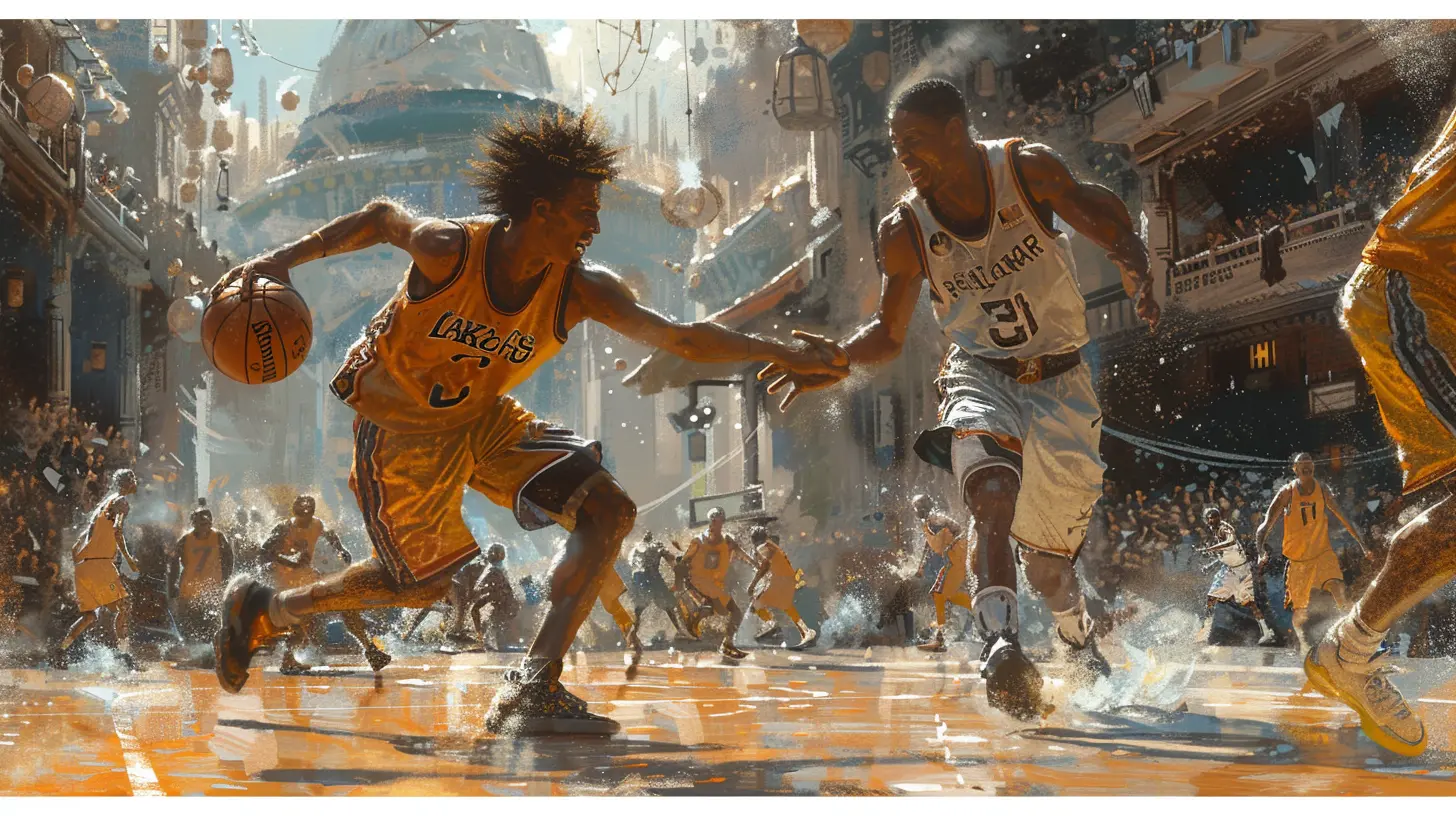
? The Trade Dance: How Deals Go Down
Let’s break down how a trade actually happens—from “Hey you up?” texts between GMs to the press release that blows up Twitter.1. The Idea Spark
It usually starts with a scenario. Maybe a team’s best player tears his ACL. Maybe their bench is thinner than a pancake. Or maybe the owner just watched a 30 for 30 and got nostalgic. Whatever the reason, a need is identified.That sparks conversations like:
> “Hey, we need a big man.”
> “Cool, we’ve got one collecting dust. What’s your offer?”
2. The Flirtation Stage (a.k.a. Negotiation)
This is where the real chess begins. GMs toss out proposals like teenagers swapping Pokémon cards.> “You take my backup PG, a second-round pick, and some cash.”
> “Hmm, throw in that 2027 pick, and we’re talking.”
It's part logic, part bluffing, and 100% poker face.
3. Legal, But Make It Boring
Once there’s agreement, the league has to approve the trade. Contracts are checked, cap space is analyzed, and compliance with all those NBA/NFL/MLB bylaws is confirmed.It’s less “Moneyball” and more “Moneylaw.”
4. The Big Reveal
Cue the Woj Bomb. Twitter’s on fire. Fans rejoice, rage, or cry into their jerseys. And just like that, a new era begins—for better or worse.
? The Mind Games: How GMs Outsmart Each Other
GMing is like Survivor with cell phones. You’ve got to outwit, outplay, and outlast. Everyone’s trying to fleece the other, steal the next Kawhi Leonard, or dump that overpaid power forward who hasn’t hit a layup since 2018.Here’s how the best GMs stay ahead:
- Knowing When to Strike: Timing is everything. Are you a buyer at the deadline? Selling off assets for picks? Holding when everyone else is folding? That’s the GM version of reading the room.
- Playing the Market: There are signals. When a team benches a player last-minute? Might be trade talks. When a coach says, “He’s part of our long-term plan”? He’s probably halfway out the door.
- Using Players Like Stocks: Buy low on a struggling talent. Sell high on a hot streak. It’s fantasy football... but real life.
?? When Trades Go Bad: The Legendary Blunders
No discussion about GM wizardry is complete without giving a nod to the absolute dumpster fires of the trade world. Welcome to the Hall of “What Were You Thinking?”- Herschel Walker Trade (NFL) — Minnesota gave Dallas enough picks to build a dynasty. Dallas did just that. Minnesota got... a good runner.
- Brooklyn Nets & The Old Celtics — Nets mortgaged their future for aging stars. Boston laughed all the way to the lottery.
- Draft Day Swaps Gone Wrong — Plenty of teams have traded away future MVPs for role players and a bag of chips. (Looking at you, Charlotte.)
These are the tales that haunt GMs at night. Literally. There are support groups. (Probably.)
? Trade Calls: A Real-Life GM Conversation (Parody Edition)
Picture it—you’re a GM. You’ve had four hours of sleep, caffeine levels dangerously high, and your phone rings…> [RING RING]
>
> You: “Talk to me.”
>
> Other GM: “Alright, I’m willing to give you my disgruntled shooting guard, but you’ve got to throw in two firsts, a second, your mascot, and naming rights for your arena.”
>
> You: “Fine. But only if you take my overpaid center and his awful contract.”
>
> Other GM: “Deal.”
>
> You: “Deal.”
>
> [Both hang up, scream into pillows]
That’s diplomacy, baby.
? Modern Tools: Analytics, AI & The Rise of Nerd GMs
Gone are the days of cigar-smoking GMs with “gut feel.” Now? It’s all spreadsheets and science. Meet the “analytics GM,” armed with:- Player efficiency ratings
- Biometric tracking
- Heat maps showing where a guy likes to shoot on Tuesdays
Some call them nerds. Others call them the future. Either way, if your GM doesn’t have a data scientist on speed dial, you might be stuck in the Stone Age.
? Building A Dynasty: What Makes a Great GM?
- Vision: They don’t just live in the now; they think 3–5 years ahead.- Patience: Not every trade needs to be a slam dunk today. Sometimes, you’re playing the long game.
- Risk Management: Every deal has risk. Great GMs calculate it better than Vegas bookies.
- People Skills: They talk to agents, players, coaches, and the occasional angry fan. It’s diplomacy on hardwood.
? Final Whistle: The GM Life Ain’t Easy
They say pressure makes diamonds. In the GM world, it either makes dynasties or spectacular failures that earn you a one-way ticket to the unemployment line.So the next time you see a headline that reads: “Star Player Traded to Contender,” remember—it wasn’t just luck or a random decision. It was a masterpiece, a negotiation ballet, a caffeine-fueled war that ended in a phone call and a complete roster shake-up.
Because behind every great team, there’s a GM pulling the strings, dodging landmines, and—if he’s lucky—lifting rings.
all images in this post were generated using AI tools
Category:
Player TradesAuthor:

Easton Simmons
Discussion
rate this article
1 comments
Olive Russell
The article highlights the intricate dynamics of trades, showing how GMs blend strategy and psychology. Successful trades require not only analyzing stats but also understanding team chemistry and player potential, making every move a calculated risk.
June 3, 2026 at 3:28 AM
Easton Simmons
Thanks for your insights! Balancing numbers with interpersonal dynamics is definitely key in the trade process.