Top 10 Offensive Lines in the NFL Based on Current Rankings
15 August 2026
Offensive line play is the least glamorous, most misunderstood, and arguably most important unit in football. A quarterback gets the glory, running backs get the stats, but the five guys up front determine whether an offense hums or collapses. Rankings shift weekly, injuries reshuffle the deck, and scheme fit matters just as much as raw talent. So let's cut through the noise and break down the top 10 offensive lines in the NFL right now, based on current performance, continuity, and the subtle art of making the whole greater than the sum of its parts.
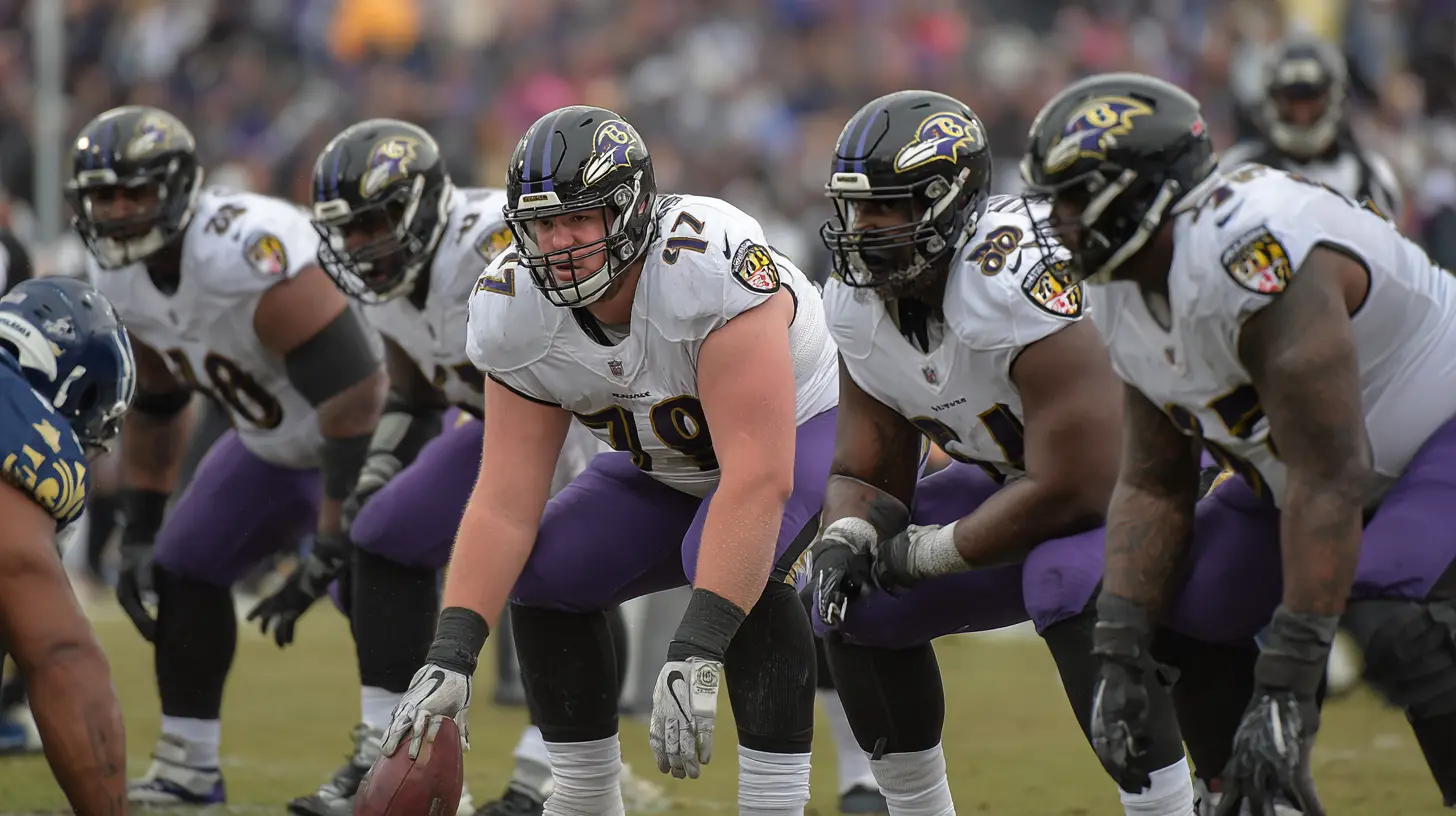
Why Offensive Line Rankings Are Tricky
Before diving into the list, it's worth understanding why ranking these units is so difficult. Unlike quarterback passer rating or receiver yards, offensive line play has no single stat that tells the whole story. Sacks allowed can be a quarterback's fault for holding the ball too long. Yards per carry can be inflated by a running back's vision. Pressure rate depends on the opposing defense's blitz package.The best way to evaluate a line is to watch the tape, track pressures that actually come from the line's failures, and consider how the scheme asks them to block. A zone-heavy team like the Philadelphia Eagles wants athletic linemen who can climb to the second level. A power-gap team like the Cleveland Browns wants maulers who can drive defenders off the ball. Both styles can be elite, but they require different skill sets.
Also, continuity matters more than people think. Five talented individuals who have never played together will struggle against a mediocre unit that has 30 starts together. Communication on stunts, twists, and blitz pickups is built through reps, not just talent.
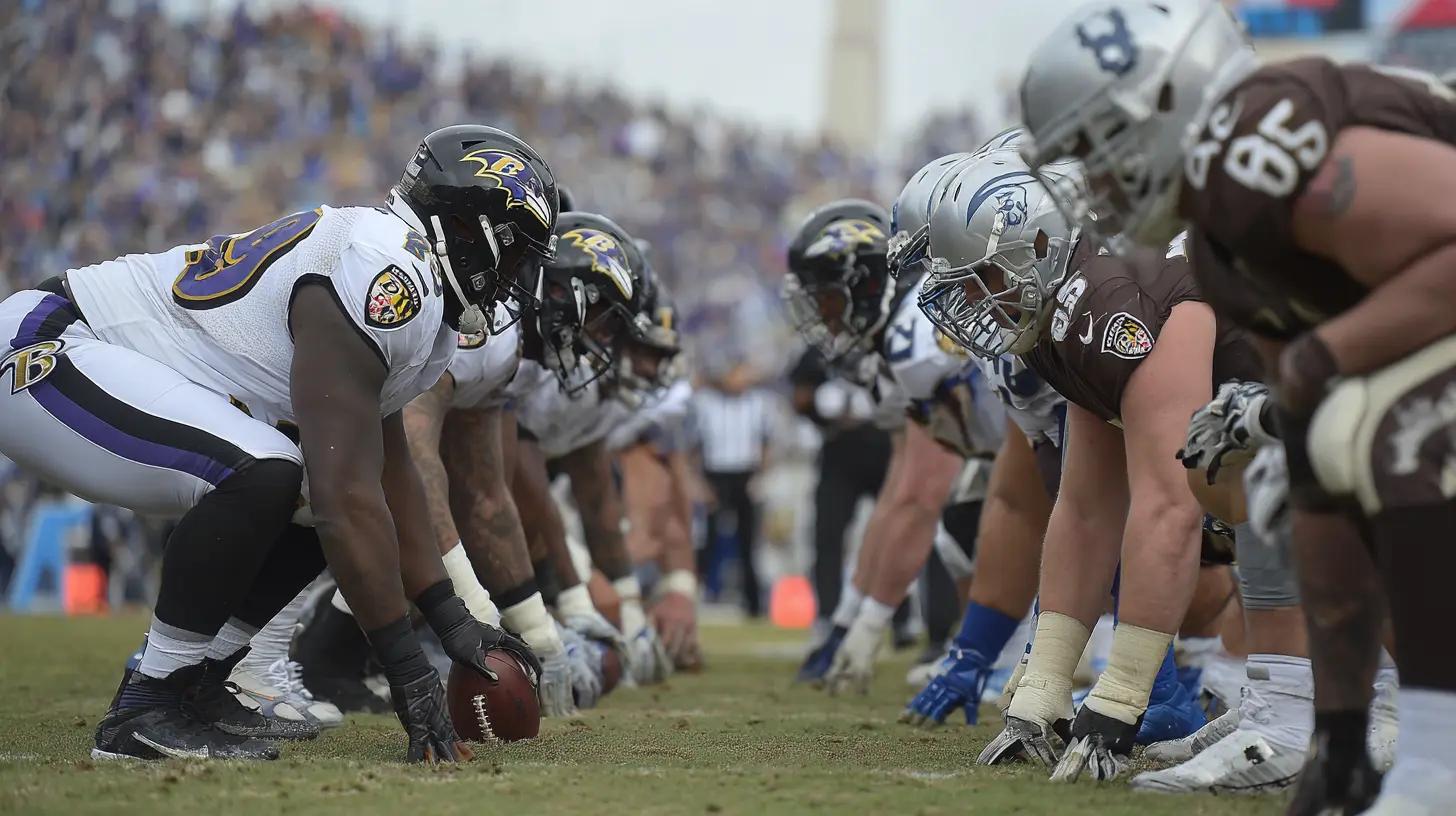
The Evaluation Criteria I Used
For this ranking, I weighed four factors:1. Pass Protection Efficiency: How often does the quarterback have a clean pocket? This goes beyond sacks to include hurries and hits.
2. Run Blocking Consistency: Can they create movement on command, or do they just hold their ground?
3. Penalty Discipline: False starts and holding calls kill drives. The best lines avoid them.
4. Injury Resilience and Depth: A great starting five is useless if one injury turns the unit into a sieve.
With that framework, here are the top 10 offensive lines in the NFL today.
1. Philadelphia Eagles
The Eagles have been the gold standard for offensive line play for several seasons, and that remains true in the current landscape. Their combination of elite talent and scheme fit is unmatched. Left tackle Jordan Mailata is a former rugby player who has developed into a dominant force. Lane Johnson on the right side is still playing at a Hall of Fame level when healthy. The interior, anchored by Landon Dickerson and Cam Jurgens, brings a nasty demeanor that sets the tone.What makes Philadelphia special is their ability to run the ball at will. Their quarterback, Jalen Hurts, benefits from a clean pocket on play-action, and the run game sets up everything else. The Eagles use a wide-zone scheme that asks linemen to move laterally and reach defenders. Mailata and Johnson are freak athletes for their size, which makes that scheme nearly impossible to defend.
The biggest knock is age and injury history for Johnson. But when this unit is on the field together, they are the most physically imposing group in football. They maul opponents in the run game and rarely give up a clean hit on their quarterback. They are the benchmark.
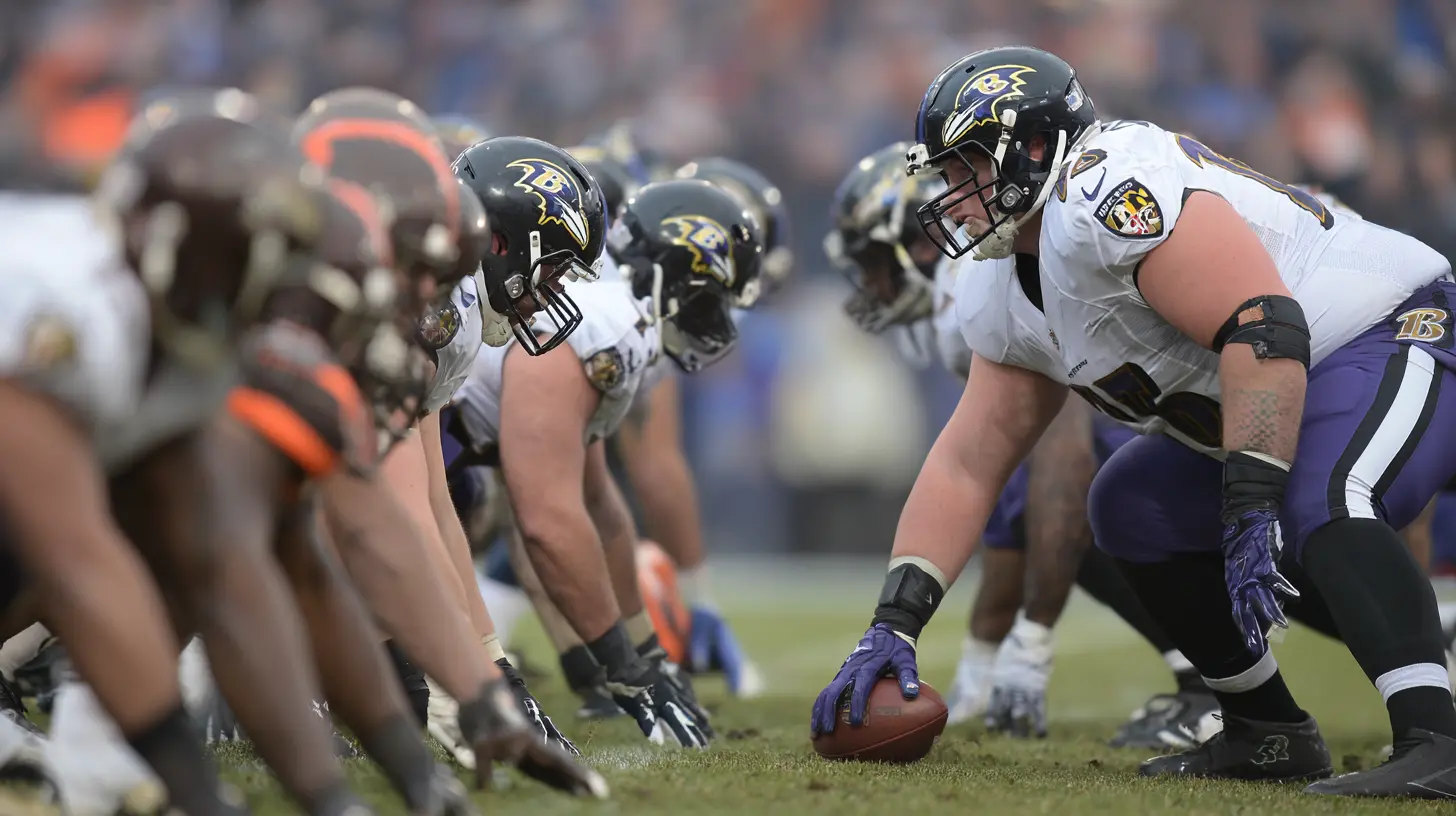
2. Detroit Lions
The Lions have quietly built one of the most cohesive and effective offensive lines in the league. Penei Sewell is a top-five tackle in football, and Frank Ragnow is arguably the best center in the NFL. Taylor Decker provides steady play at left tackle, and the guards, Graham Glasgow and Kevin Zeitler, are veterans who rarely make mistakes.What sets Detroit apart is their identity. They want to run the football, control the clock, and wear down defenses. Their linemen are powerful in the run game, especially on gap schemes where they can pull and trap. Sewell is a devastating run blocker who finishes blocks with an attitude that spreads to the whole unit.
In pass protection, they are above average but not elite. Ragnow's ability to call out protections is a huge asset, and he rarely gets beaten one-on-one. The Lions' line is a testament to what happens when a coaching staff identifies a style and drafts players who fit it perfectly. They are not the flashiest unit, but they are relentless.
3. Cleveland Browns
The Browns' line has been a top-tier unit for a few years, and while they have had some injury issues, their starting five remains one of the most talented groups in football. Jack Conklin at right tackle is a mauler when healthy, and Wyatt Teller at right guard is one of the best pulling guards in the game. Joel Bitonio on the left side is a perennial All-Pro with incredible consistency.The issue for Cleveland has always been health and quarterback play. When Deshaun Watson was under center, he held the ball too long, which made the line look worse than it was. In pass protection, this unit is very good, but they are exceptional in the run game. They use a lot of duo and counter plays that allow Teller and Bitonio to get to the second level and create massive holes.
The misconception about the Browns is that they are a finesse team. They are not. They want to run the ball down your throat. Their line is built for that, and when they get a lead, they are nearly impossible to stop. The only reason they are not higher is the inconsistency of their quarterback play, which directly impacts how many sacks they allow.
4. Kansas City Chiefs
The Chiefs have done something remarkable: they rebuilt their offensive line on the fly and made it a strength again. For years, the narrative was that Patrick Mahomes was running for his life. That is no longer true. Creed Humphrey is the best center in football not named Frank Ragnow, and Joe Thuney is a rock at left guard. Jawaan Taylor has his issues with penalties, but he is an athletic tackle who fits their pass-heavy scheme.What makes Kansas City different is that they ask their line to do something unique. They need to hold their blocks for extended periods because Mahomes extends plays. This means the linemen have to sustain blocks longer than most. It is a demanding job, and they do it well.
The run game is not a strength, but it does not need to be. The Chiefs are a passing team, and their line is built to protect the quarterback above all else. Humphrey is a master at picking up stunts, and Thuney is as reliable as they come. The biggest criticism is Taylor's false start issues, but his athleticism allows him to recover when he gets beaten. This is a line that understands its identity and executes it consistently.
5. Dallas Cowboys
Dallas has one of the best left tackles in the game in Tyler Smith, and Zack Martin, before his retirement, was a future Hall of Famer. With Martin gone, the line loses some star power, but the current group is still solid. Tyler Biadasz at center is smart and reliable, and Terence Steele on the right side is a solid run blocker.The Cowboys' line is a bit of a mixed bag right now. They are excellent in pass protection on the left side, but the right side can be vulnerable. Their run game has been inconsistent, which is surprising given the talent they have. The issue is that they have not had the same five starters for an extended period due to injuries.
What sets Dallas apart is their technique. They are a well-coached unit that rarely makes mental mistakes. They do not have the raw power of the Eagles or Browns, but they are smarter than most. The loss of Martin cannot be overstated. He was the anchor of the interior. Without him, the unit drops a notch, but they are still a top-10 group.
6. Buffalo Bills
The Bills have invested heavily in their offensive line to protect Josh Allen, and it is paying off. Dion Dawkins is a solid left tackle, and Spencer Brown has developed into a mauling right tackle who fits their power run scheme. The interior, with Connor McGovern and O'Cyrus Torrence, is physical and improving.What makes Buffalo interesting is their shift in offensive philosophy. They have become a more run-heavy team to take pressure off Allen. This requires their line to be excellent in the run game, and they have responded. They use a lot of inside zone and counter plays that allow their guards to pull and lead the way.
In pass protection, they are good but not elite. Allen's mobility masks some issues, but when he stands in the pocket, he generally has time. The biggest concern is their performance against elite pass rushers. They can be beaten by speed on the outside, but they are rarely beaten by power. This is a tough, physical unit that matches the identity of their city.
7. Green Bay Packers
The Packers have one of the youngest and most promising offensive lines in football. Rasheed Walker has solidified the left tackle spot, and Zach Tom is a versatile lineman who can play multiple positions. Elgton Jenkins is a Pro Bowl caliber guard when healthy, and the right side is solid with Sean Rhyan.What makes Green Bay dangerous is their athleticism. They are a zone-blocking team that asks their linemen to move, and they do it well. Jordan Love benefits from a clean pocket, and the running game, led by a committee of backs, finds holes because the line creates movement.
The trade-off here is experience. They are talented, but they make mistakes. Penalties have been an issue, and they can be beaten by complex blitz packages. However, they improve every week. This is a unit on the rise, and by the end of the season, they could easily be a top-three line. The key is consistency.
8. San Francisco 49ers
The 49ers have a unique situation. Their line is not the most talented on paper, but it is one of the most effective because of Kyle Shanahan's scheme. Trent Williams is still a top-tier left tackle when he plays, but he misses time due to age. The rest of the line, including Colton McKivitz and Aaron Banks, are good players who fit the system perfectly.Shanahan's offense relies on timing and misdirection. The line does not have to hold blocks for long because the ball comes out quickly. They are excellent at executing reach blocks and cut blocks, which opens up the outside zone runs that define the 49ers' offense.
The problem is when they face a team that can generate pressure with four rushers. Without Williams, the left side becomes a liability. The 49ers are a great example of how scheme can elevate a unit, but they also show the limits of that approach. They are a top-10 line because of the system, not necessarily because of individual dominance.
9. Cincinnati Bengals
The Bengals spent a lot of money and draft capital to fix their offensive line, and it is finally paying off. Orlando Brown Jr. at left tackle is a massive presence, and the interior, with Ted Karras and Alex Cappa, is steady. Right tackle is a bit of a rotation, but they have found serviceable options.What makes Cincinnati better than their reputation is their pass protection. Joe Burrow gets the ball out fast, and the line does a good job of giving him a clean pocket for the first two seconds. They are not a dominant run-blocking team, but they do not need to be. They are built to keep Burrow upright.
The criticism is that they struggle against elite interior rushers. They can be pushed back into the pocket, which collapses the throwing lane. However, they are much improved from the disaster units of a few years ago. They are functional, reliable, and that is all they need to be.
10. Baltimore Ravens
The Ravens have a line that is perfectly suited for their run-heavy, Lamar Jackson-led offense. Ronnie Stanley is a former All-Pro who has battled injuries, but when he is healthy, he is a top-tier left tackle. The interior, with Tyler Linderbaum at center, is athletic and aggressive.Baltimore uses a heavy dose of gap and power runs, and their line excels at getting movement at the point of attack. Linderbaum is undersized but incredibly quick, and he is a nightmare for defenders trying to shoot the gap. The right side is solid but not spectacular.
The issue is pass protection. Jackson's mobility makes the line look better than it is in the passing game, but they can be overwhelmed by a good pass rush. They are a top-10 line because they dominate the run game, but they are not a complete unit. That is the trade-off with a running quarterback.
The Biggest Misconception About Offensive Line Play
Fans often think that sacks allowed is the only stat that matters. That is wrong. A sack can be the quarterback's fault for not stepping up in the pocket or holding the ball too long. A better metric is pressure rate, which tracks how often the defense gets a hurry or hit regardless of whether a sack occurs. The best lines in the league keep the quarterback clean on a high percentage of dropbacks, even if they occasionally give up a sack on a miscommunication.Another misconception is that bigger is always better. While size matters, especially in the run game, agility and footwork are more important in pass protection. A 330-pound tackle who cannot move his feet will get beaten by a speed rusher every time. The Eagles and Lions win because they have tackles who are both massive and athletic.
Common Mistakes Teams Make When Building a Line
The biggest mistake is drafting for need over fit. A team running a zone scheme should not draft a mauler who is stiff in the hips. A power-gap team should not draft a finesse athlete who gets pushed around. The best teams identify their scheme first and then find players who fit it.Another mistake is neglecting the center position. The center is the quarterback of the line. He calls out protections, adjusts to blitzes, and sets the tempo. A great center can elevate average guards. A bad center can ruin a great tackle. The Chiefs and Lions understand this, which is why they invested heavily in Humphrey and Ragnow.
What to Watch For in the Second Half of the Season
Injuries will inevitably change these rankings. The Eagles are one tweak to Lane Johnson's knee away from a significant drop. The Browns are always one injury away from starting a backup tackle. Depth is the hidden variable that separates contenders from pretenders.Also, watch for young lines that are improving. The Packers and the Atlanta Falcons (who just missed this list) have young units that are getting better every week. By the end of the season, the gap between the top five and the bottom five of this top-10 list will shrink.
Final Thoughts
Offensive line play is about trust, technique, and toughness. The teams on this list have all three, even if they achieve it in different ways. The Eagles dominate with raw power. The Chiefs protect with finesse. The 49ers scheme their way to success. There is no single formula for a great line, but there is a common thread: they all understand their identity and execute it relentlessly.If you are watching a game, ignore the ball for a few plays and just watch the line. You will see the chess match happening in the trenches. The push, the slide, the climb to the second level. That is where games are won and lost, and these ten teams do it better than anyone else right now.
all images in this post were generated using AI tools
Category:
Rankings And StatsAuthor:

Easton Simmons
Discussion
rate this article
1 comments
Iliana McNab
Great analysis on the top offensive lines. I appreciate how you broke down the strengths of each team. It will be interesting to see how these rankings shift as the season progresses. Looking forward to more insights as the games unfold!
August 24, 2026 at 3:45 AM