The Role of Rest and Recovery in Swimming Performance
12 November 2025
Let’s be real—when we talk about swimming performance, most people think about crazy workouts, intense drills, and nonstop laps in the pool. Fair enough, right? But here’s the thing: the secret sauce that top swimmers swear by isn’t just training until your arms fall off. Nope. It’s rest and recovery. Yep, sleeping, stretching, chilling out—those “lazy” moments.
Surprised? You shouldn’t be. Rest and recovery are like the pit stops in a Formula 1 race. Without them, even the best engine burns out. So, let’s dive (pun intended) into how rest and recovery can make or break your swimming game.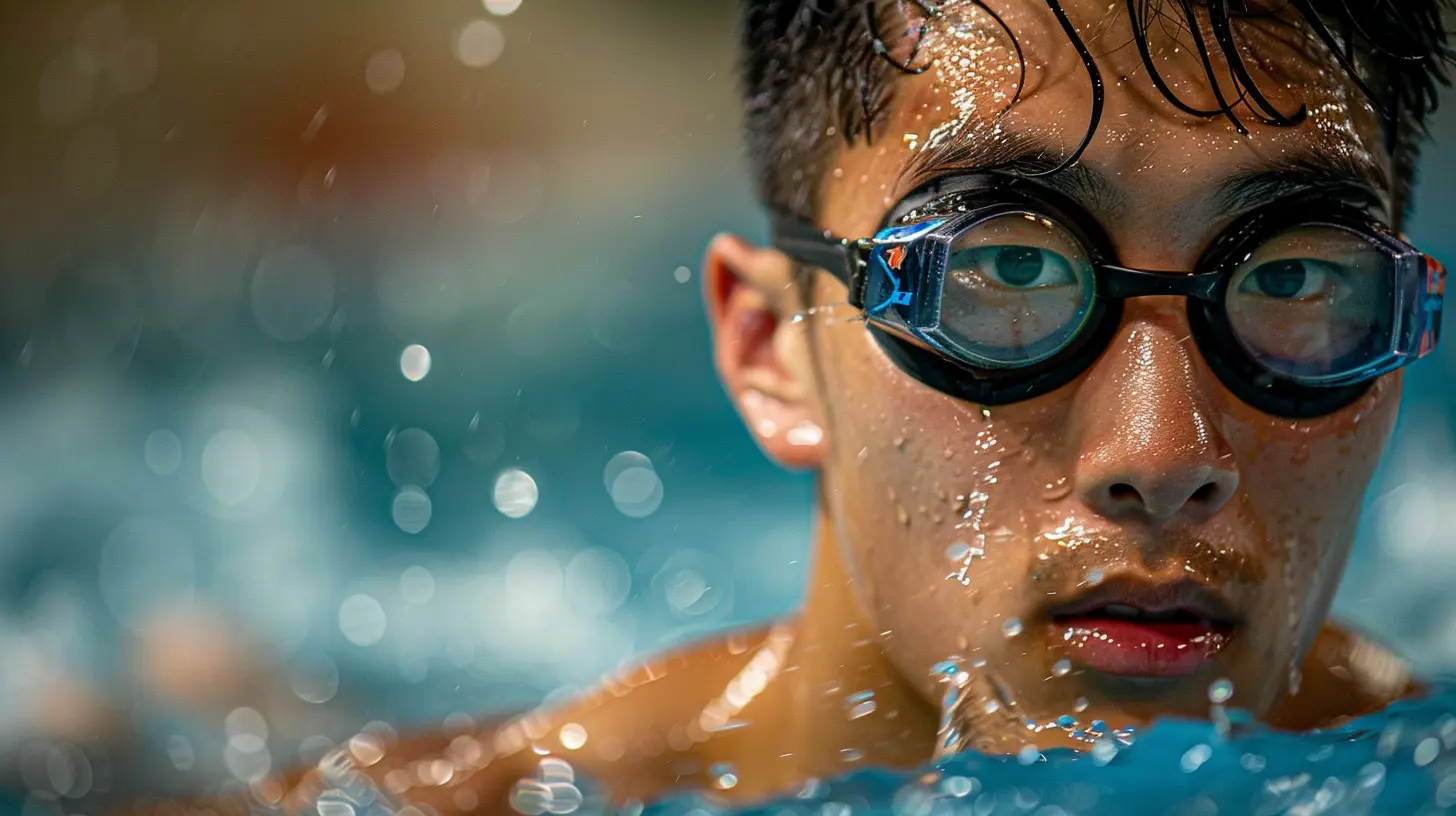
Why Rest and Recovery Deserve a Spot on Your Training Plan
Think of swimming like building a muscle—literally and figuratively. You break it down during training, but it only grows when you rest. Skipping recovery is like trying to fill a cup with a hole in it. You’ll keep pouring (in this case, training), but you’ll never get full (aka peak performance).Recovery gives your body the chance to repair muscle fibers, restore glycogen levels, and rebalance hormone levels. All that science-y stuff translates to tangible results: faster lap times, smoother strokes, and reduced injury risk.
The Science Behind Recovery: What Happens When You Rest?
Let’s geek out a bit. During intense swim training, your body enters a catabolic state. That’s a fancy way of saying it's being broken down. Tissues tear microscopically, energy stores get depleted, and oxidative stress builds up. Sounds grim, right?But when you rest—especially during sleep—your body flips the switch to an anabolic state. This is where all the magic happens:
- Muscle repair
- Hormonal balance restoration (like growth hormone release)
- Mental reset
That’s why rest days and sleep aren’t “lazy days”—they’re quite literally your body’s construction crew doing overnight renovations.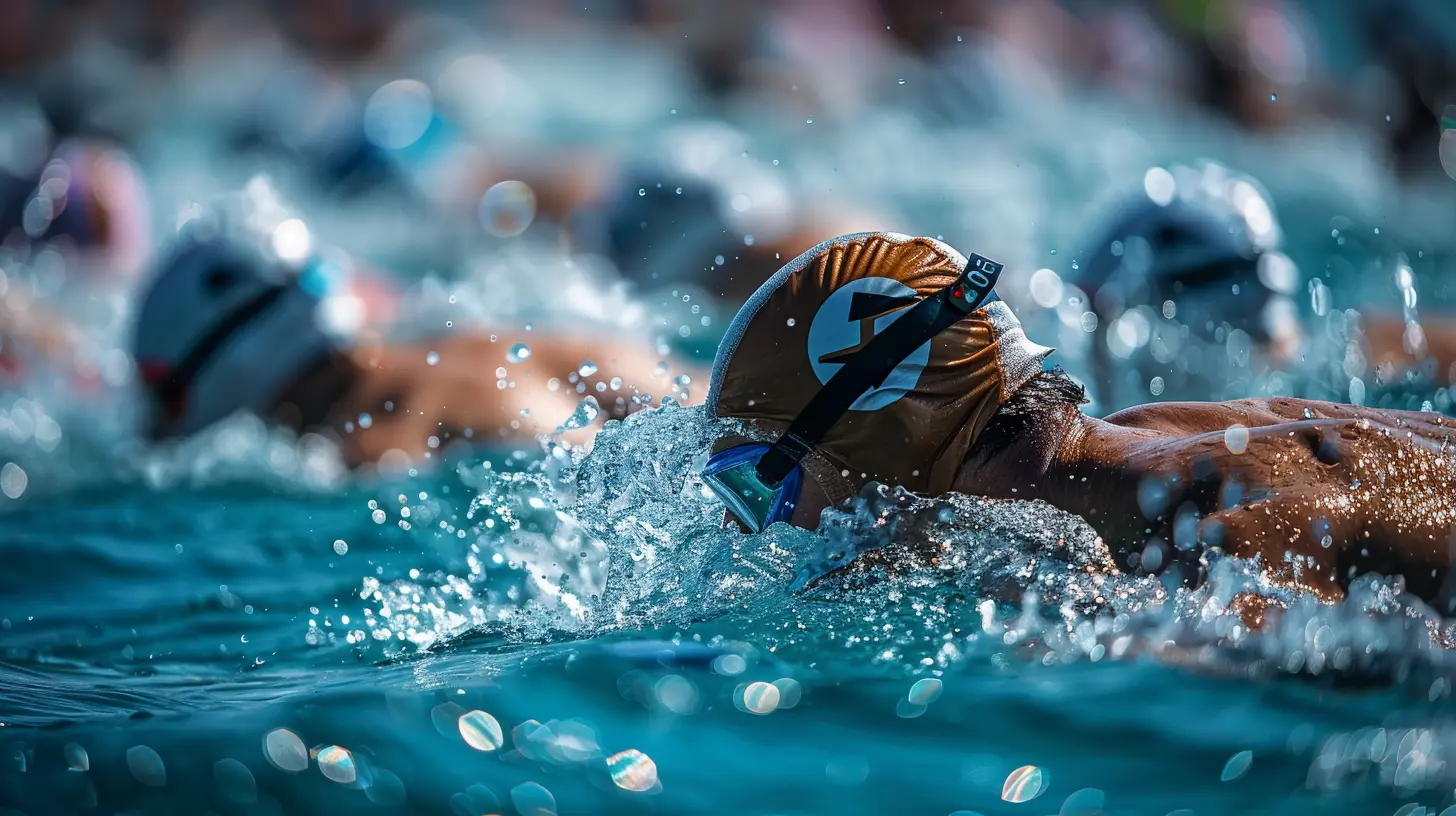
Types of Recovery: It’s Not Just About Lying on the Couch
When we say recovery, most people picture Netflix marathons. But recovery is a little more layered than that. Let’s break it down:1. Passive Recovery
This is the good ol’ fashioned rest. Doing nothing. Letting your body chill. It’s effective, especially after intense races or overtraining episodes. But don’t abuse it. Too much of this and you risk deconditioning.2. Active Recovery
Light swimming, walking, or gentle stretching. It keeps the blood moving, helping flush out lactic acid and easing muscle soreness. Ever heard swimmers say they feel better after a light swim the day after a brutal session? That’s active recovery doing its thing.3. Sleep
This one’s a biggie. If you’re not getting quality Z’s, you’re shortchanging your performance. Athletes who skimp on sleep show decreased reaction times, slower stroke efficiency, and more fatigue. Aim for 8-10 hours if you're training regularly.4. Hydrotherapy and Ice Baths
You’re already in the water, so why not use it for recovery? Cold water immersion can reduce inflammation and accelerate muscle recovery. It’s not exactly comfortable, but hey—neither is a 5K swim.5. Massage and Foam Rolling
This helps break up muscle knots and improve blood circulation. Plus, it feels amazing after a long training session. Investing in recovery tools like foam rollers or massage guns can pay huge dividends.
How Overtraining Hurts Your Performance
Let’s flip the script and talk about what happens when you don’t rest.Overtraining in swimmers can lead to something called Overtraining Syndrome (OTS). It's as nasty as it sounds. You’ll feel tired all the time, your form will sink (literally), and mentally? You’ll feel like throwing in the towel.
Common signs include:
- Constant fatigue
- Drop in performance
- Mood swings
- Increased susceptibility to illness
- Elevated resting heart rate
Ignoring the need for rest is like driving your car with the engine overheating. You might go for a while, but eventually, it’ll break down.
Mental Recovery: Don’t Forget the Brain
Swimming isn’t just a physical sport—it’s a mental grind too. Long training hours, early mornings, competition anxiety... it all adds up. Mental fatigue can be just as limiting as physical exhaustion.Ever felt mentally burnt out mid-season? That’s your brain screaming for a break.
Include mental recovery in your routine:
- Take days off from competition-focused thinking
- Meditate or practice mindfulness
- Do something totally non-swim-related (yes, that includes vacationing!)
Sometimes the best way to improve is to step back and give your mind a breather.
Periodization: Structuring Your Training Around Recovery
Elite swimmers don’t train at full throttle 24/7. They use a principle called periodization, where the training plan is broken into cycles—each with specific goals for performance, load, and yes, recovery.Here’s what it looks like:
1. Macrocycle – The big picture (e.g., one swim season)
2. Mesocycle – Month-long segments focusing on specific goals
3. Microcycle – The weekly structure, often with light days and rest built in
By programming recovery into your training, you avoid burnout and stay on track for peak performance when it counts—like on race day.
Nutrition’s Role in Recovery
You can’t talk rest without talking fuel.After a hard swim, your body needs nutrients to repair and rebuild. Think of it like giving construction workers the tools they need. No tools = no building.
What should you eat?
- Protein – Helps repair muscles
- Carbohydrates – Restores glycogen
- Healthy Fats – Supports hormone production
- Antioxidants – Fights off oxidative stress
And don’t forget hydration! Water supports every single recovery process in your body. Dehydration can make soreness worse, delay repair, and straight-up kill performance.
Real Talk: Building a Recovery Routine That Works for YOU
You don’t need to be an Olympian or work with a team of sports scientists to create a recovery plan. A few consistent habits can elevate your game. Here's a simple weekly guideline:- 1 Full Rest Day – No training, just leisure
- 2 Active Recovery Sessions – Light swims or mobility work
- Sleep 8+ Hours Each Night – Non-negotiable
- Post-Workout Nutrition – Within 30 minutes of your swim
- Stretch/Yoga 2-3 Times a Week – Improves flexibility and prevents injuries
- Hydration Check – Aim for clear urine throughout the day
Simple? Yeah. Easy to stick to? If you're serious, absolutely.
What Do Elite Swimmers Say About Recovery?
Still not convinced? Let’s see what the pros do.- Michael Phelps was known for extreme nap schedules—like three naps a day during peak training!
- Katie Ledecky prioritizes sleep and often skips late-night events to ensure high-quality Z's.
- Ryan Lochte spent hours with massage therapists and ice baths to ensure his body stayed fresh.
The common thread? They don’t just train hard. They recover harder.
Final Thoughts: You're Only as Good as Your Recovery Game
Swimming is a demanding sport. It tests your body and mind in ways other sports simply can’t touch. But here’s the kicker: your performance isn’t just built in the pool—it’s solidified outside of it.When you embrace rest and recovery, you unlock new levels of performance. You swim smarter—not just harder. Whether you're aiming for a PB or just want to enjoy the sport without constantly feeling wrecked, taking recovery seriously is your ticket.
So next time you feel guilty about taking a rest day? Don’t. You’re not slacking—you’re investing in a better, faster, stronger version of yourself.
all images in this post were generated using AI tools
Category:
SwimmingAuthor:

Easton Simmons
Discussion
rate this article
1 comments
Courtney Howard
Rest and recovery are not just pauses in training; they are essential components of peak performance. Embrace them for greatness in swimming!
November 16, 2025 at 1:18 PM
Easton Simmons
Absolutely! Rest and recovery are vital for maximizing performance and preventing injuries in swimming. Embracing these periods is key to achieving greatness in the sport.