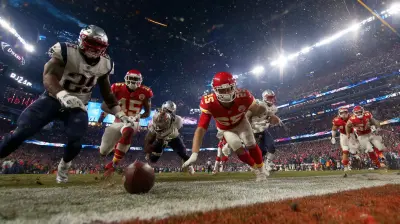
How Player Trades Reshape Championship Contenders
2 December 2025
When it comes to professional sports, player trades are often the most buzzworthy events of the season. Whether it’s the NBA, NFL, NHL, or MLB, trades can completely alter the landscape of a team and, in some cases, the entire league. Fans hold their breath, analysts make bold predictions, and teams bet big on new talent in hopes of winning a championship. But how exactly do these player trades reshape championship contenders? Let’s dive in and explore the ins and outs of this game-changing phenomenon.
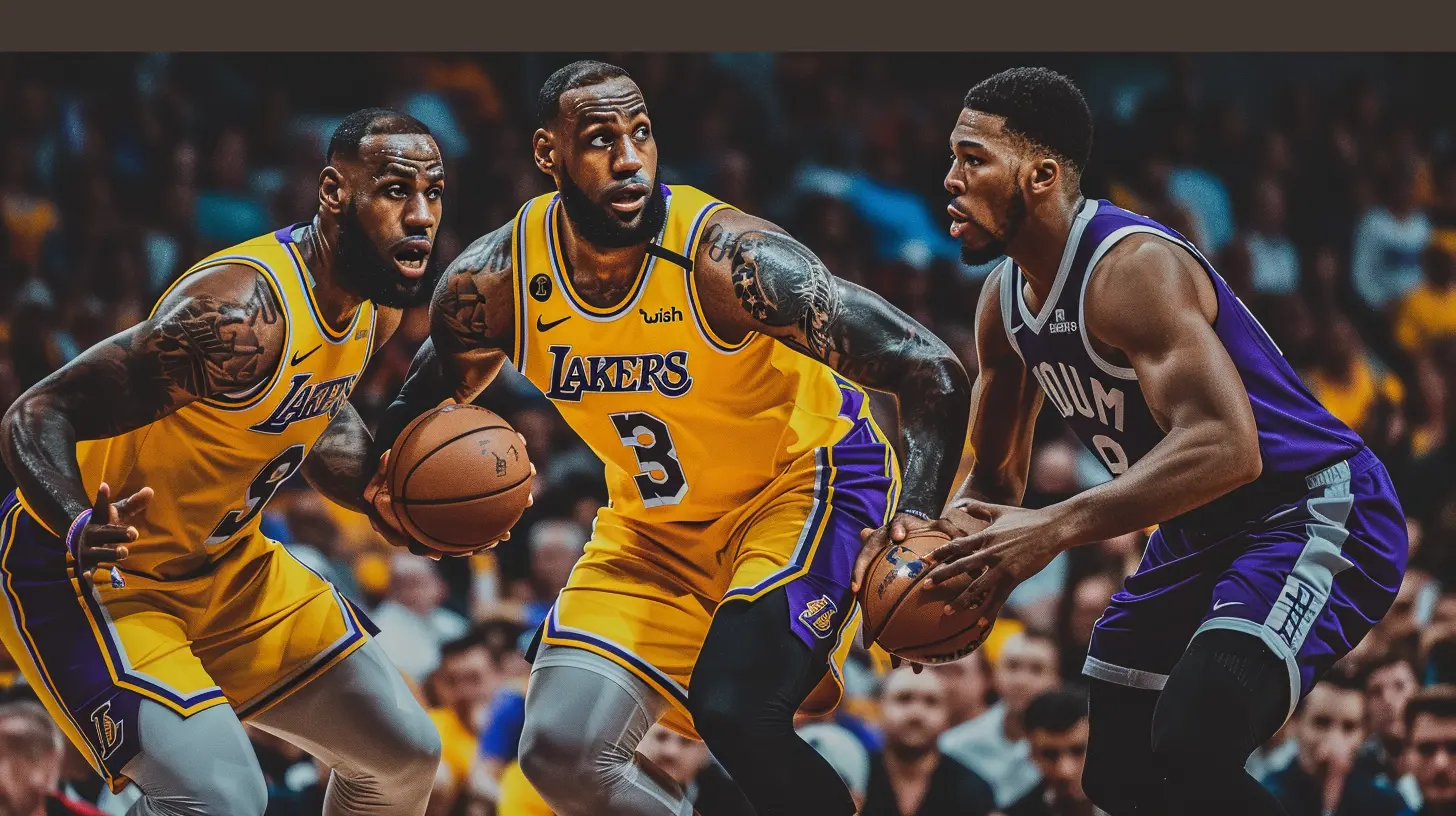
Why Are Player Trades So Important?
Sports, at their core, are a competition of talent, teamwork, and strategy. Teams are constantly looking for ways to improve their rosters, and trades provide one of the most efficient ways to do just that. Instead of waiting for a player to develop or hoping for a high draft pick, teams can acquire proven stars or pieces that fit their scheme right away. A trade can fill a key position, add depth, or even overhaul an entire roster.Trades aren’t just about plugging a hole, though. The right trade can elevate a team from playoff hopefuls to legitimate title contenders. But how does this happen?
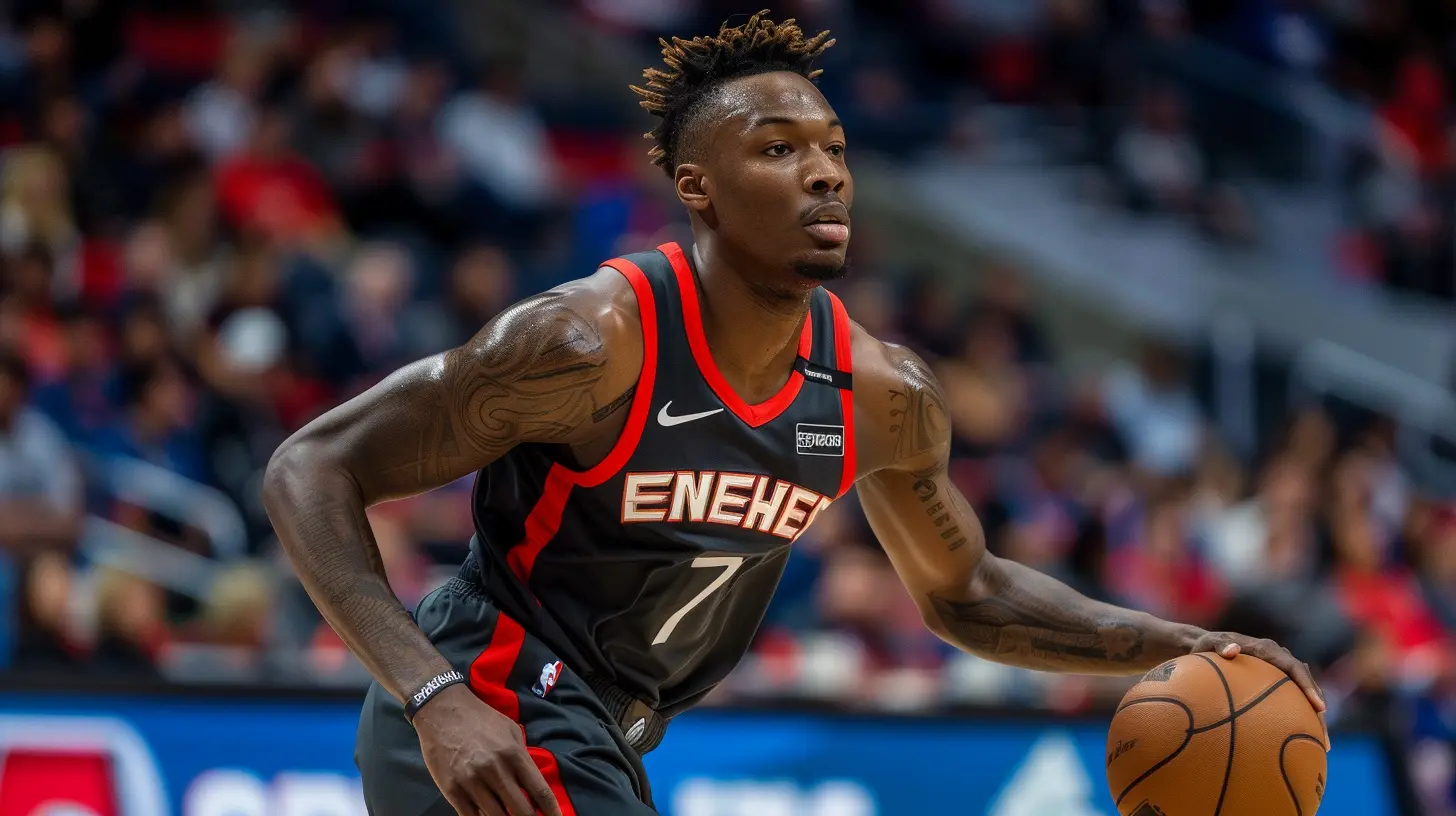
Filling Gaps and Weaknesses
Every championship team has strengths and weaknesses. The trick is minimizing those weaknesses while maximizing strengths, and trades are one of the quickest ways to make that happen.For example, a team with elite scoring but terrible defense might trade for a lockdown defender. Or a team with a shallow bench might trade for depth players to relieve their starters. These trades can be the difference between getting knocked out in the second round of the playoffs or hoisting the trophy at the end of the season.
In the 2020 NBA season, the Los Angeles Lakers traded for Anthony Davis, a move that turned their good team into a powerhouse. Davis filled the gap as a dominant interior presence, complementing LeBron James’ playmaking ability. The result? A championship win in the NBA Bubble.
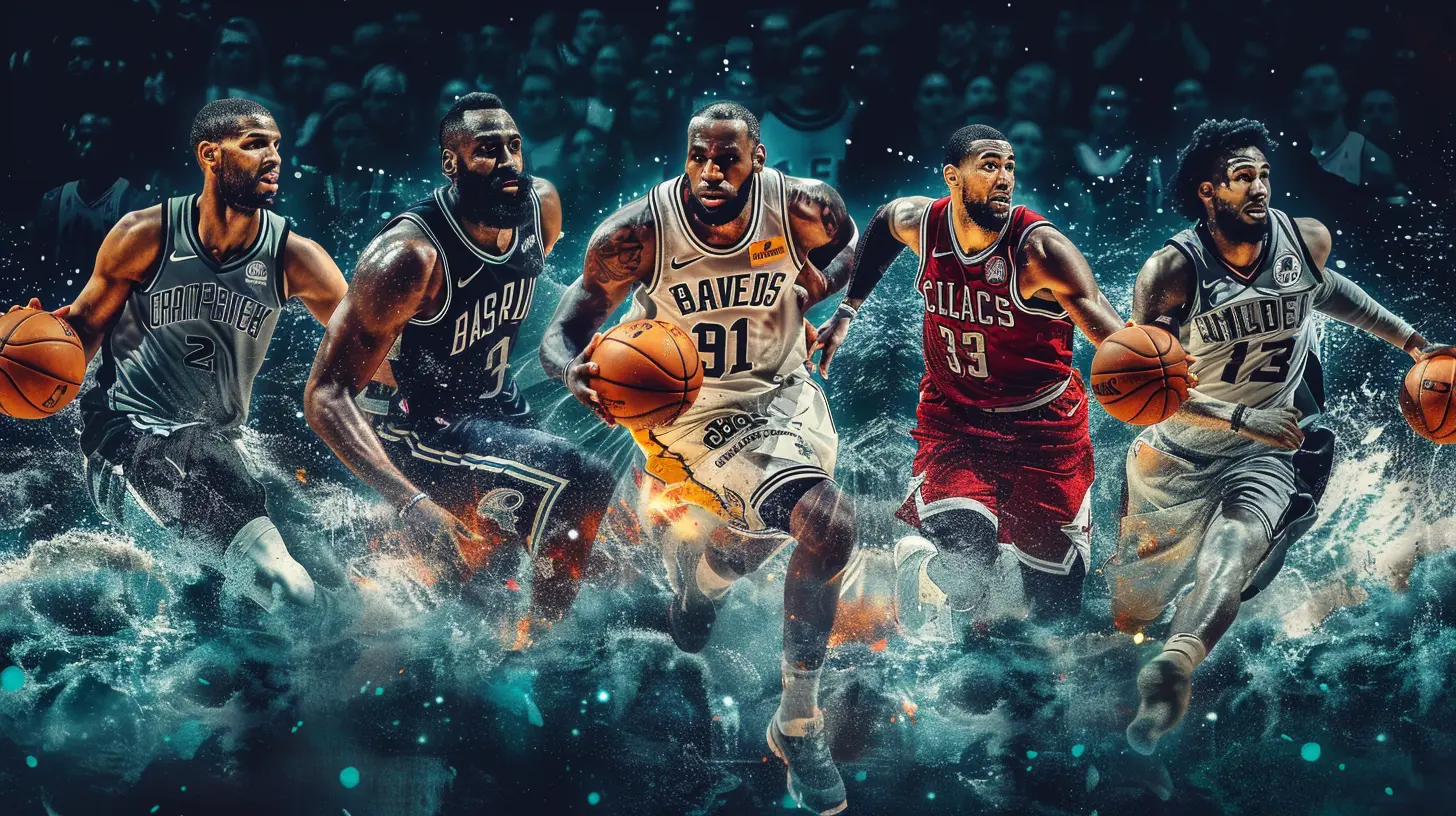
Building Team Chemistry
On the surface, sports are about talent. But when you dig deeper, you'll find that many great teams are built on chemistry. Even the most talented teams can falter if the players don’t mesh well. Trades can both help and hurt team chemistry, depending on who is brought in and how they fit with the existing roster.When a team acquires a player who fits seamlessly into the locker room and on the court (or field, or ice), it can be like finding the missing piece of a puzzle. This isn’t just about skill sets, though — it’s about personalities and leadership styles. Some players thrive in a leadership role, while others excel when they can focus on their role without the pressure of leading the team.
A perfect example of this is the Golden State Warriors’ acquisition of Andre Iguodala in 2013. He wasn’t the flashiest or highest-scoring player, but his versatile game, leadership, and defensive prowess were vital to the Warriors’ championship runs. He knew how to play his role, and his chemistry with the team led to multiple titles.
Star Power: The Game-Changer
Let’s face it — sometimes a trade is all about bringing in a superstar. When teams are on the brink of contending but lack that one superstar player to push them over the top, trades might be their best option. Superstars can completely change a team’s fortunes, instantly turning them into championship favorites.Think of Kawhi Leonard’s trade to the Toronto Raptors in 2018. The Raptors were a good team but couldn’t get past LeBron James in the playoffs. With Leonard, they finally had that superstar capable of taking over games, especially in crucial moments. One year later, the Raptors were NBA champions for the first time in franchise history.
Star power doesn’t just change the on-court dynamics. It brings swagger, confidence, and a winning mindset that can be contagious for the entire team. Suddenly, a team that was once uncertain about their chances is playing with belief that they can win it all.
The Ripple Effect on Opposing Teams
Player trades don’t just impact the team making the move; they can also send shockwaves throughout the league. When a contender pulls off a major trade, rival teams often feel the pressure to respond. It’s a bit like a chess game — one move forces a counter-move. Teams are always keeping an eye on what their competitors are doing, knowing that one trade could shift the balance of power.When Kevin Durant joined the Golden State Warriors in 2016, the rest of the NBA knew they had to adjust. The Warriors were already a formidable team, and Durant’s addition made them almost unbeatable. Other teams scrambled to improve their rosters just to compete with the juggernaut that the Warriors had become.
Salary Cap and Financial Considerations
Of course, not every trade is made purely for basketball reasons. Front offices have to balance player talent with salary cap constraints. Sometimes teams will trade away a star player to free up cap space, allowing them to pursue multiple players in free agency. Other times, they’ll take on a bad contract in exchange for draft picks or young prospects.It’s all part of the delicate balance teams must strike. While fans may be upset to see a beloved player traded away, these moves can position a team for long-term success. For example, the Oklahoma City Thunder traded away stars like Russell Westbrook and Paul George, but in return, they acquired a treasure trove of draft picks and young talent that could set them up for future success.
The Psychological Impact of Trades
Let’s not forget the psychological aspect of trades. When a player is traded, it doesn’t just affect their physical location — it also impacts their mental state. Some players thrive in a new environment, fueled by the desire to prove their worth to their new team (and perhaps stick it to their old one). Others may struggle with the change, especially if they were traded from a team they were loyal to.On the flip side, players who remain on a team after a trade may feel a renewed sense of purpose. If a team trades for a star player, the remaining roster may feel energized and motivated to step up their game. After all, they’re now part of a contender, and the stakes have never been higher.
This psychological shift can be observed in teams like the Phoenix Suns after acquiring Chris Paul in 2020. Paul’s leadership, tenacity, and basketball IQ gave the Suns a new sense of confidence. They went from being a fringe playoff team to making a deep run in the 2021 NBA Finals. Paul’s presence elevated everyone around him, mentally and physically.
Trades as a Long-Term Strategy
While some trades are made with immediate results in mind, others are part of a long-term strategy. Teams that may not be contenders right now might trade for young players or draft picks, with the hope of building a championship team down the line. This approach requires patience, but when done correctly, it can pay off big time.The Boston Celtics are a prime example of this. They traded away aging stars like Paul Pierce and Kevin Garnett in exchange for a haul of draft picks. At the time, it seemed like a risky move, but it eventually led to the acquisition of young stars like Jayson Tatum and Jaylen Brown. Now, the Celtics are perennial contenders, built on the foundation of those trades.
The Risks Involved in Trading
As exciting as trades can be, they are not without risks. For every successful trade that propels a team to a championship, there are plenty of trades that backfire. Injuries, poor fit, or declining performance can turn a blockbuster trade into a disaster. Teams have to weigh these risks carefully when deciding whether to pull the trigger on a deal.Take the Brooklyn Nets' trade for James Harden in 2021. While Harden is undoubtedly a superstar, injuries and chemistry issues prevented the team from reaching its full potential. The trade didn’t result in the championships the Nets hoped for, and eventually, Harden was traded again.
But that’s the nature of sports. There are no guarantees, and even the most well-thought-out trades can fall short of expectations. Still, when the right trade does hit, it can change everything.
Conclusion
Player trades are one of the most fascinating aspects of professional sports. They have the power to reshape not only individual teams but entire leagues. Whether it’s filling a gap, improving team chemistry, or bringing in a superstar, trades can turn a good team into a championship contender. And while there’s always a risk involved, the potential reward is often too great to pass up.So the next time your favorite team pulls off a big trade, remember — it might just be the move that leads to a championship parade. After all, in the world of sports, nothing is more exciting than the possibility of winning it all.
all images in this post were generated using AI tools
Category:
Player TradesAuthor:

Easton Simmons
Discussion
rate this article
2 comments
Trixie McConkey
Great insights! Player trades can significantly impact team dynamics and championship aspirations. Excited to see future developments!
December 10, 2025 at 4:46 AM
Easton Simmons
Thank you! Player trades certainly play a crucial role in shaping team dynamics and championship potential. Exciting times ahead!
Simon McGinnis
Great insights on player trades and their impact on championship contenders! Your analysis highlights the nuances of team dynamics and strategies effectively. It's fascinating to see how these decisions can shift the balance of power in the league. Looking forward to your next article!
December 2, 2025 at 3:30 AM
Easton Simmons
Thank you for your kind words! I'm glad you found the analysis insightful. Stay tuned for more!