The Role of Agents in Facilitating Player Trades
27 July 2026
When it comes to professional sports, player trades are one of the most thrilling and dramatic aspects of the business. Behind those blockbuster trades and strategic player movements, there’s often an unsung hero pulling the strings—the player’s agent. These folks aren't just deal makers or contract junkies. They're strategic power players, connectors, negotiators, and even life counselors when needed. So, let’s peel back the curtain and talk about the real MVPs behind many of the major shifts in sports rosters: player agents.
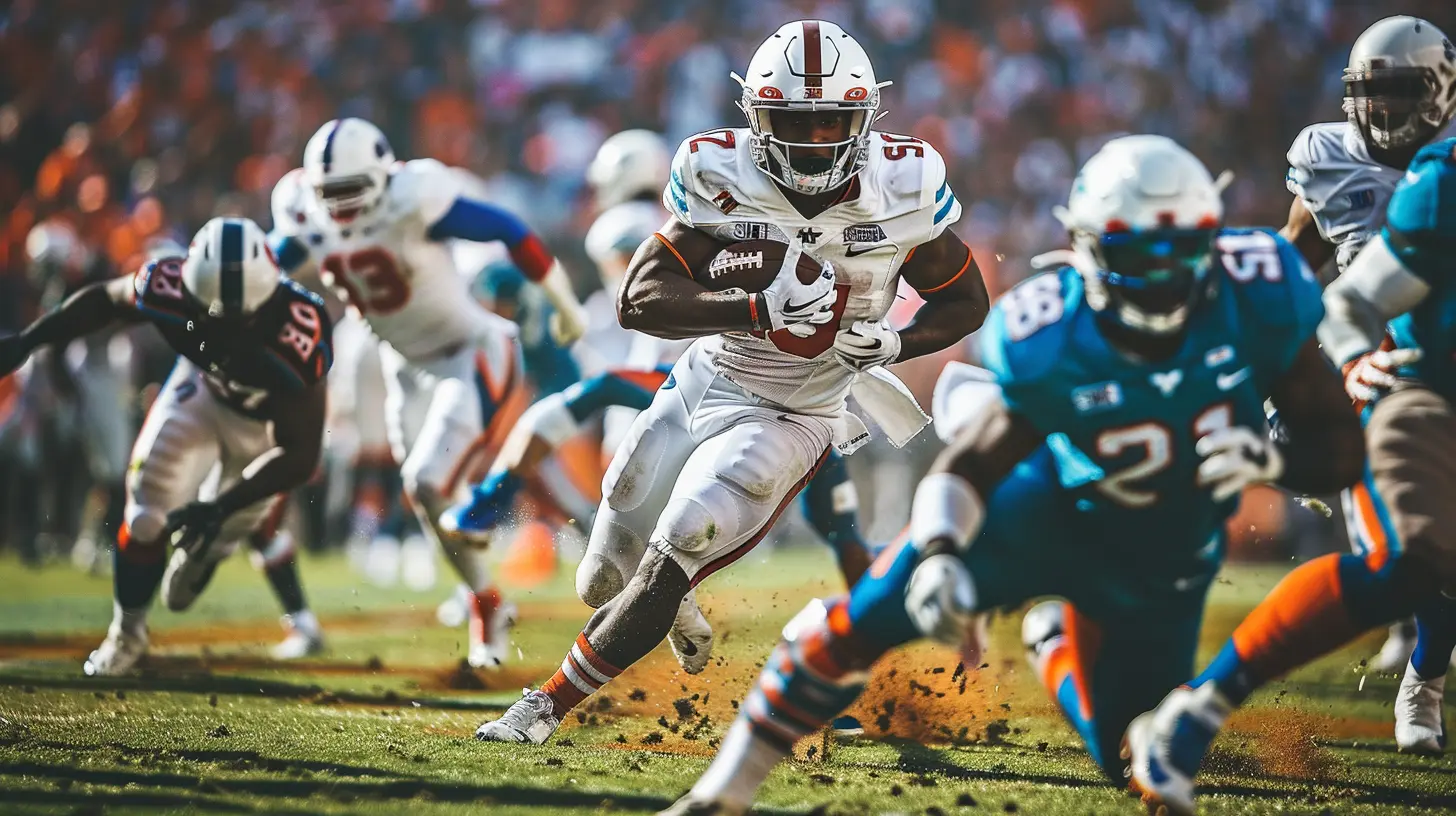
What Exactly Does a Sports Agent Do?
Before we jump into the thick of trades, let's make sure we're all on the same page. A sports agent represents the interests of athletes. Sounds simple, right? Well, not quite.Agents negotiate contracts, manage finances, secure endorsement deals, handle public relations, and, yep—you guessed it—facilitate trades. They are the middlemen (and women) between players, teams, and leagues. Think of them as the quarterbacks of an athlete's off-field game plan.
But when it comes to trades, their role becomes even more influential.

Why Player Trades Happen in the First Place
Let’s back up for a sec. Why do trades happen anyway?Trades aren’t just about “let’s swap this guy for that guy.” They’re calculated moves by teams trying to improve, save money, rebuild, or just shake things up. Injuries, salary cap issues, locker room dynamics, and team performance can all trigger trade talks. But here’s the kicker—not every player wants to just up and move cities, and not every team has the right piece to offer.
So where does the agent come in? Right in the middle of the storm.

The Agent’s Role as a Strategic Negotiator
When a player hears trade rumors, their first call isn't usually to their coach. Nope, it's to their agent.Agents gather intel, open lines of communication, and start mapping out possible destinations. They’ll talk to general managers (GMs), scout potential fits, and even suggest trade scenarios that benefit both the player and the team's long-term vision.
Think of an agent as a sports version of a chess master—always thinking three moves ahead. And if a trade seems inevitable? They make sure their client lands on a team where they can thrive.
Trade Requests: Who Pulls the Trigger?
You’ve seen it on the news—“Player X has formally requested a trade.” Ever wonder how that actually goes down?Spoiler alert: It’s usually the agent doing the talking. They’re the ones who handle the delicate convo with team management. Sometimes a player is unhappy with playing time or doesn’t vibe with the system. Other times, it's simply about money, market, or fit.
The agent crafts the message, controls the narrative, and makes sure the player doesn’t burn bridges.

The Power of Relationships in Facilitating Trades
In the trade game, connections matter. Big time.An experienced agent has built rapport with GMs, scouts, coaches, and even media folks. These relationships can grease the wheels when a trade is on the table. A GM might trust a particular agent’s word or be more open to a deal because of past interactions.
It’s not just what you know—it’s who you know. That saying rings especially true in the world of player trades.
Building Credibility
Agents who are seen as straight shooters earn trust. And when trust is high, so is the willingness to consider bold trade scenarios. Credible agents can pitch a player’s value and get front offices to listen—even when the stats don’t pop off the page.Managing the Media and Public Perception
Ever notice how some trade rumors just explode out of nowhere?Yeah, agents have a hand in that, too. They’re masters of media manipulation.
Sometimes, trade buzz is intentional. A leak to the right reporter at the right time? That’s a strategy. It builds pressure, sparks interest, and can even nudge a deal forward. Other times, it serves as a scare tactic to force a current team’s hand.
On the flip side, agents also work to protect their clients. If rumors start swirling that damage a player’s image, the agent is the first to step in with damage control.
Handling the Complex Side of Trades
Here’s something casual fans might not realize: sports trades are incredibly complicated. We’re talking about contracts, salary caps, no-trade clauses, bonuses, signing incentives—you name it.Guess who’s knee-deep in the fine print? The agent.
Their job is to make sure the move checks all the boxes financially and career-wise for their client. Are there state taxes to consider? What’s the local media like? Is it a good market for endorsements? Will the player’s family be comfortable there?
All those “little” details? Yeah, that’s agent territory.
Navigating No-Trade Clauses
Some players have the luxury of a no-trade clause in their contract, giving them the right to block a deal. Negotiating or waiving this clause—that’s prime agent work.They’ll weigh the pros and cons, have heart-to-heart convos with their client, and maybe even use it as leverage to sweeten the pot.
Post-Trade Support
The agent’s job doesn’t end when the trade is finalized. Far from it.They help the player adjust—both personally and professionally. From finding housing and schools for kids to organizing media interviews and jersey unveilings, agents are the go-to for everything a player needs during that transition.
They’re part agent, part personal assistant, and part therapist. It’s a role that goes way beyond the boardroom.
High-Profile Trade Stories: Agents at Work
Let’s talk real examples.Remember when Anthony Davis wanted out of New Orleans? His agent, Rich Paul, orchestrated one of the most talked-about player moves in recent NBA history. That trade paved the way for AD to join LeBron in L.A.—and win a championship.
Same goes for NFL agent Drew Rosenhaus, who’s been involved in several headline-making trades. These agents know how to apply pressure, align timing, and guide their clients into better opportunities.
It’s not a game—it’s an art form.
The Ethical Line: When Does It Get Tricky?
Let’s be real—not all agents have clean hands. When power and money are involved, there’s always a bit of murkiness.Some agents get accused of tampering or manipulating the system. Others push trades too aggressively, leaving a trail of burned bridges. The best agents know where the line is—and how not to cross it.
Still, the ethics of trade facilitation is a hot debate in sports circles. Are agents helping players? Or are they playing puppet master behind the scenes?
The answer isn’t always black and white.
How Technology and Analytics Have Changed the Game
In today’s sports landscape, agents have access to more tools than ever. Advanced stats, player performance metrics, and data-driven projections have become bargaining chips.Smart agents come to the table with hard numbers to back up their trade proposals. They can say, “Hey, this guy is about to peak in the next two seasons,” or “Here’s how he fits your system better than your current starter.”
The tech doesn’t make the deal, but it sure helps grease the gears.
Young Players and Rookie Contracts
For rookies in the league, trades can be overwhelming. They’re still trying to understand what it means to be a pro.That’s where agents earn their keep.
Helping young players navigate early career moves, prevent bad trades, or even land in markets where they can grow—that’s part of the long-game agents play. Early guidance can shape a player's entire career trajectory.
Not All Agents Are Created Equal
Here’s a little secret not everyone talks about: some agents are better at this than others.A connected, experienced, hustling agent can make or break a career. Others? Well, maybe they’re just along for the ride. Players are learning to vet their reps more thoroughly and prioritize those who can advocate, negotiate, and deliver when it matters most—especially during trade season.
Final Thoughts: Agents Are the Real Game Changers
Trades in sports are messy, complicated, high-stakes affairs. But for every successful player swap or career-changing deal, there's usually an agent who worked the phones, massaged the egos, lined up the press, and closed the deal.They’re not just paper pushers or background characters. They’re the ultimate facilitators, making sure players land in the right place at the right time, on the right terms.
So the next time you see a shocking trade alert pop up on your phone, know this—an agent somewhere just earned their paycheck (and then some).
all images in this post were generated using AI tools
Category:
Player TradesAuthor:

Easton Simmons
Discussion
rate this article
1 comments
Julianne Wade
Agents often prioritize their interests over players, complicating trades and undermining team dynamics in sports.
July 30, 2026 at 11:39 AM
Easton Simmons
You raise a valid point. Agents can sometimes create barriers in trades, focusing too much on their own goals rather than the best interests of players and teams. This dynamic can indeed complicate the process.


![A Champions Mentality: The Mindset Behind [Player Name]s Success](/pictures/blog/small/a-champions-mentality-the-mindset-behind-player-names-success_2.webp)