The Domino Effect: How One Trade Changes Everything
22 March 2026
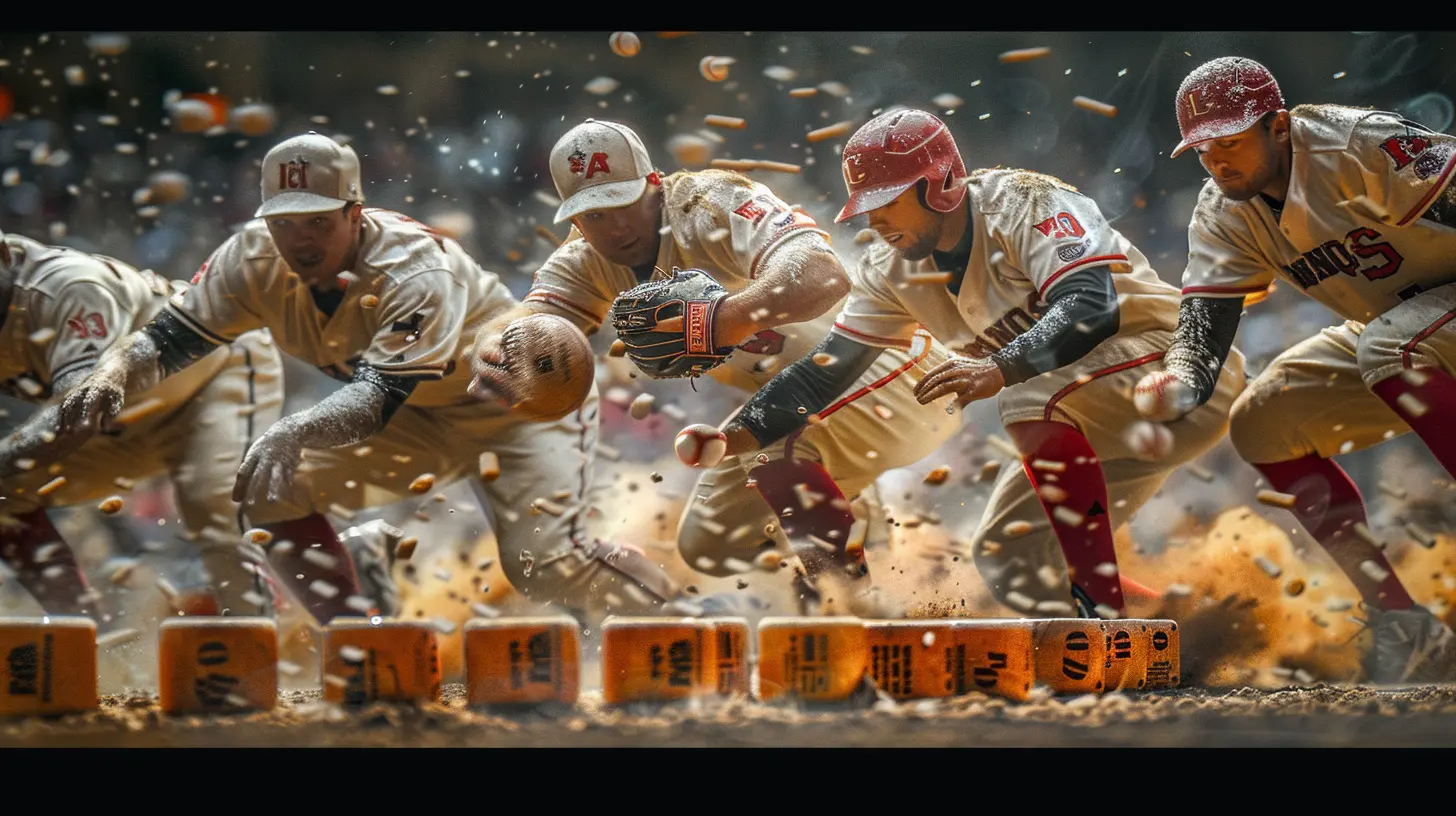
Player trades in sports are like a carefully arranged line of dominoes. You know, the ones that look perfectly still until the first one tips, setting off a chain reaction. The beauty of the domino effect in the sports world is that one seemingly small trade can shake the entire league, change team dynamics, and sometimes even re-shape the future of franchises for years to come.
If you’ve ever watched a trade unfold and thought, “Well, that’s going to change things,” you’re not wrong. Player trades don’t just affect the teams directly involved; they can send ripples through the league, impacting other teams, players, and even the fans. Let’s dive into this world of player trades and explore how one move can change everything.

The Nature of Trades in Sports
Before we get into the weeds, let’s set the stage. Trades are a core element of professional sports. Whether it’s basketball, football, baseball, or hockey, teams swap players for various reasons: to improve their roster, free up salary cap space, or even prepare for the future by acquiring draft picks.But what’s interesting is that trades aren’t just about the players moving from one locker room to another. Each trade has the potential to set off a chain reaction, forcing other teams to react, recalibrate, and sometimes even scramble to stay competitive. It’s like a chess game where every move counts, and one trade can change the strategy for everyone else on the board.
The Trade That Started It All: Kareem Abdul-Jabbar, 1975
Let’s take a trip back in time to 1975 when the Milwaukee Bucks traded Kareem Abdul-Jabbar to the Los Angeles Lakers. On the surface, it was just a deal between two teams. But in reality, it was a trade that shifted the balance of power in the NBA for years to come. Abdul-Jabbar went on to lead the Lakers to five NBA championships, while the Bucks struggled to find their footing for decades.This trade didn’t just change the fortunes of those two teams; it re-shaped the league itself. The Lakers transformed into a dynasty, while other teams had to work harder to compete with this newfound powerhouse. It’s a perfect example of how one trade can have a lasting impact that goes far beyond the players involved.
The Ripple Effect on Teams
When a major player trade happens, the immediate reaction is usually about the two teams involved. But what we often forget is that the effects of that trade can spread to other teams as well.Imagine a scenario where a top-tier player, let’s say a quarterback in the NFL, gets traded from one team to another. The team losing the player now has a massive hole to fill, and they’ll likely make another move to replace him. Maybe they’ll sign a free agent or trade for another player.
But here’s the kicker: the team they trade with or the free agent they sign comes from another team, which now has to adjust. It’s a chain reaction, and pretty soon, you’ve got several teams making moves to compensate for that one initial trade. That's the domino effect in action.
A Modern Example: Kawhi Leonard and The Raptors
In 2018, the San Antonio Spurs traded Kawhi Leonard to the Toronto Raptors. At first, it was seen as a bold move by the Raptors. Leonard was injured for most of the previous season, and it wasn’t clear if he’d return to peak form. But as fate would have it, Kawhi led the Raptors to their first-ever NBA Championship.This trade didn’t just alter the future of the Raptors. It impacted the entire league. The Golden State Warriors, the reigning dynasty at the time, lost the Finals, and injuries to key players further weakened them. Suddenly, other teams in the league saw an opportunity to rise, and the entire power structure of the NBA shifted.
Not only did Leonard’s move to Toronto change the fortunes of that franchise, but it also led to a ripple effect where several teams recalibrated their strategies, aiming to capitalize on the new landscape.

Player Morale and Locker Room Dynamics
Trades don’t just affect the teams at a strategic level; they can also have a significant impact on player morale and locker room dynamics. Imagine being a player on a team that just traded away its star. What does that do to your confidence? What does that say about the team’s direction?Conversely, if you’re a player on a team that just acquired a superstar, the energy in the locker room changes instantly. It’s like adding a fresh coat of paint to a room—it brightens everything up. The team’s confidence skyrockets, and everyone’s motivation increases because they feel like they’re on the brink of something special.
The James Harden Effect
Look at James Harden’s trade from the Oklahoma City Thunder to the Houston Rockets in 2012. Harden was a sixth man in OKC, coming off the bench behind Kevin Durant and Russell Westbrook. But when he was traded to Houston, he transformed into an MVP-caliber player, changing the entire dynamic of the Rockets and elevating them into perennial contenders.But here’s the thing: Harden’s trade didn’t just change the Rockets. It also had a massive impact on the Thunder. Without Harden, OKC was never quite the same, and they eventually lost both Durant and Westbrook, leading to a full-blown rebuild. So, one trade didn’t just alter the trajectory of the Rockets; it set off a domino effect that reshaped the entire Western Conference.

The Draft Pick Domino Effect
While player-for-player trades are the most common, trades involving draft picks can be just as significant—if not more so. When a team trades away future draft picks, they’re essentially gambling on their future. It’s a risky move, but if it pays off, it can change everything.Take the Brooklyn Nets’ trade with the Boston Celtics in 2013, for example. The Nets acquired aging superstars Kevin Garnett and Paul Pierce in exchange for several first-round draft picks. At the time, it seemed like a good deal for the Nets, who were trying to make a championship push. But the trade backfired, and those draft picks ended up being incredibly valuable for the Celtics, who used them to build a young, talented roster that’s still competitive today.
In this case, the domino effect was that the Celtics became a powerhouse again, while the Nets had to endure years of mediocrity before bouncing back. The lesson here? Trading draft picks can have long-term consequences, and the ripple effect can last for years.
Financial Implications: The Salary Cap Puzzle
One aspect of trades that often goes unnoticed by fans is the financial implications. Trades aren’t just about talent; they’re also about money. Teams operate under salary caps, which means every trade has to fit within a team’s financial structure.When a big-name player with a massive contract is traded, it can free up cap space for one team while burdening the other. This cap flexibility can allow teams to make additional moves, signing free agents or extending contracts to their existing players.
Case Study: The Anthony Davis Trade
In 2019, the Los Angeles Lakers traded for Anthony Davis, sending several young players and draft picks to the New Orleans Pelicans. The trade was monumental for several reasons, but one of the lesser-talked-about aspects was how it affected the Lakers’ salary cap.By acquiring Davis, the Lakers had to make some financial sacrifices, but they also freed up enough cap space to sign role players who complemented their stars. The result? The Lakers won the 2020 NBA Championship, proving that sometimes the financial maneuvering behind a trade is just as important as the players involved.
The Fan Reaction and Media Frenzy
Let’s not forget about the people who are arguably most affected by trades: the fans. When a beloved player is traded, it can feel like a personal betrayal. Fans invest emotionally in their teams, and when a star player is shipped off, it’s like ripping off a band-aid.On the flip side, when a team makes a blockbuster trade to acquire a superstar, the fanbase can be rejuvenated. Ticket sales go up, social media buzzes with excitement, and the media goes into a frenzy. It’s all part of the spectacle that makes sports so engaging.
Trades aren’t just transactions between teams; they’re events that captivate the fans and the media alike. Every trade has a story, and that story often becomes part of the larger narrative of a team’s success (or failure).
Conclusion: One Trade, Infinite Possibilities
In the world of sports, one trade can change everything. From the immediate impact on the teams involved to the ripple effect that spreads across the league, trades are a fascinating part of the game. They can alter team dynamics, reshape the future of franchises, and even shift the balance of power within a league.So, the next time you hear about a trade, don’t just think about the players swapping jerseys. Think about the dominoes. Because once that first one falls, who knows what kind of chain reaction it will start?
all images in this post were generated using AI tools
Category:
Player TradesAuthor:

Easton Simmons
Discussion
rate this article
2 comments
Etta McDermott
Fascinating read! It’s intriguing how a single trade can ripple through a team and the league. What do you think is the most surprising impact from past trades? Can’t wait to hear more!
April 28, 2026 at 2:59 AM
Easton Simmons
Thanks for your comment! One surprising impact was the way the Chris Paul trade reshaped the entire league, influencing team dynamics and player movements. It's amazing how interconnected everything can be. More insights coming soon!
Jessica McLean
Like a game of Jenga, one trade can topple the whole sports tower!
March 22, 2026 at 4:27 AM
Easton Simmons
Absolutely! Just like Jenga, one strategic move can reshape the entire landscape of sports.