The Rise of Women in the Olympics: A Century of Progress
6 December 2025
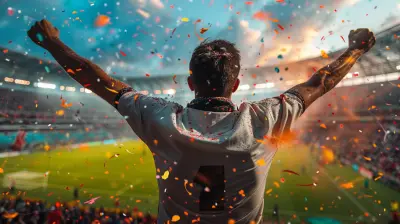
Let’s take a moment to imagine the roar of the crowd, the blinding stadium lights, and the quiet intensity on an athlete's face. Now picture that athlete as a woman, standing at the edge of making history. That image? Well, not too long ago, it was nearly impossible.
Fast-forward to today, and women's sports are not just a side note — they’re front and center, and it’s about time! The journey of women in the Olympics is an inspiring story of grit, determination, and yes, a whole lot of breaking barriers. So grab a coffee (or a protein shake if you're feeling sporty) and let’s take a walk down this iconic centennial track.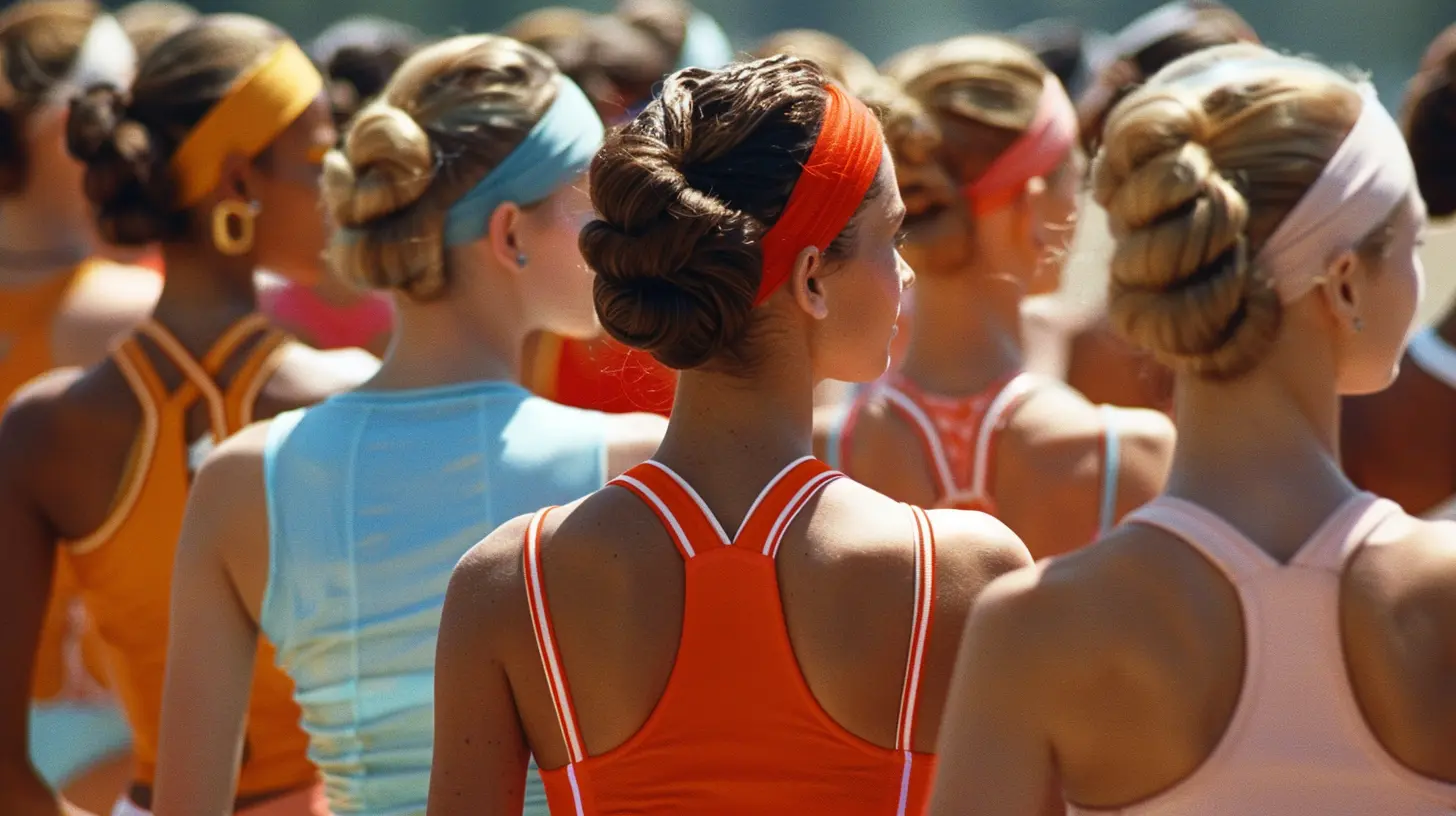
A Humble Beginning: The Early 1900s
Let’s roll back to 1900 — Paris was hosting the Olympics, and for the very first time, women were allowed to compete. Sounds exciting, right? But hold on… it wasn't all-inclusive just yet. Only 22 women participated out of 997 athletes. That’s just over 2%! Their events? Croquet, sailing, tennis, and golf. No track and field. No wrestling. Definitely no boxing.Back then, the idea of women doing "strenuous" activities was frowned upon. Can you believe that people genuinely thought a 100-meter sprint might be too much for women to handle? It's almost laughable now, considering how many records women shatter in modern athletics.
Still, those early pioneers — like Charlotte Cooper, the first female Olympic champion in tennis — lit the spark that would eventually become a blazing fire.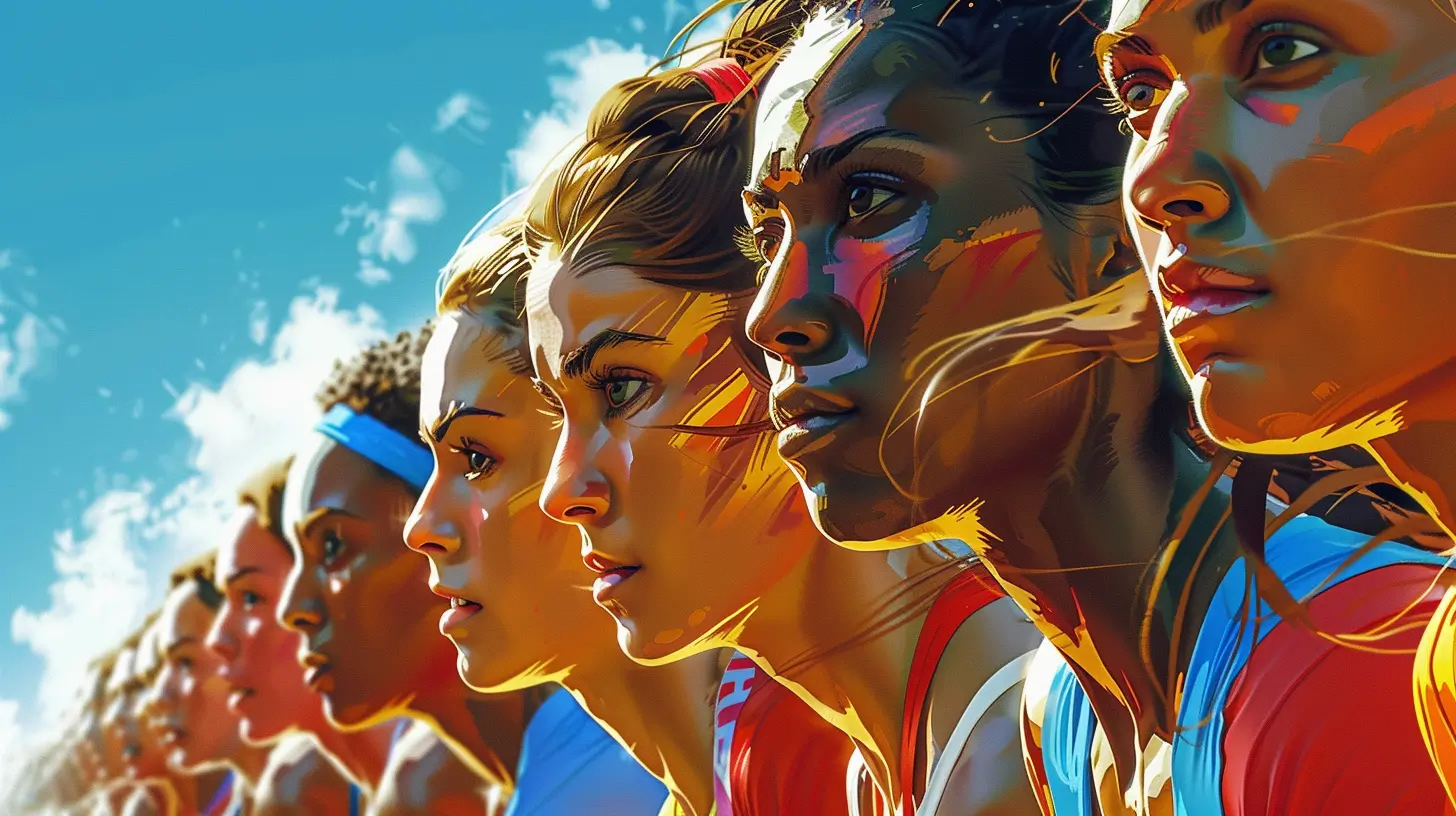
Breaking the Tape: The 1920s and 30s
The 1928 Amsterdam Olympics marked a significant leap. For the first time, women were allowed to compete in track and field events. It was a big win, but not without controversy. The 800-meter race, for example, caused quite a stir. After some runners appeared exhausted (I mean, who wouldn’t be after running 800 meters?), critics argued that the race was too grueling for women.As a result, that event was yanked from the Games until 1960. Yep, they put it on ice for over 30 years. Frustrating? Absolutely. But even then, the presence of women in traditionally male-dominated sports was growing — albeit slowly.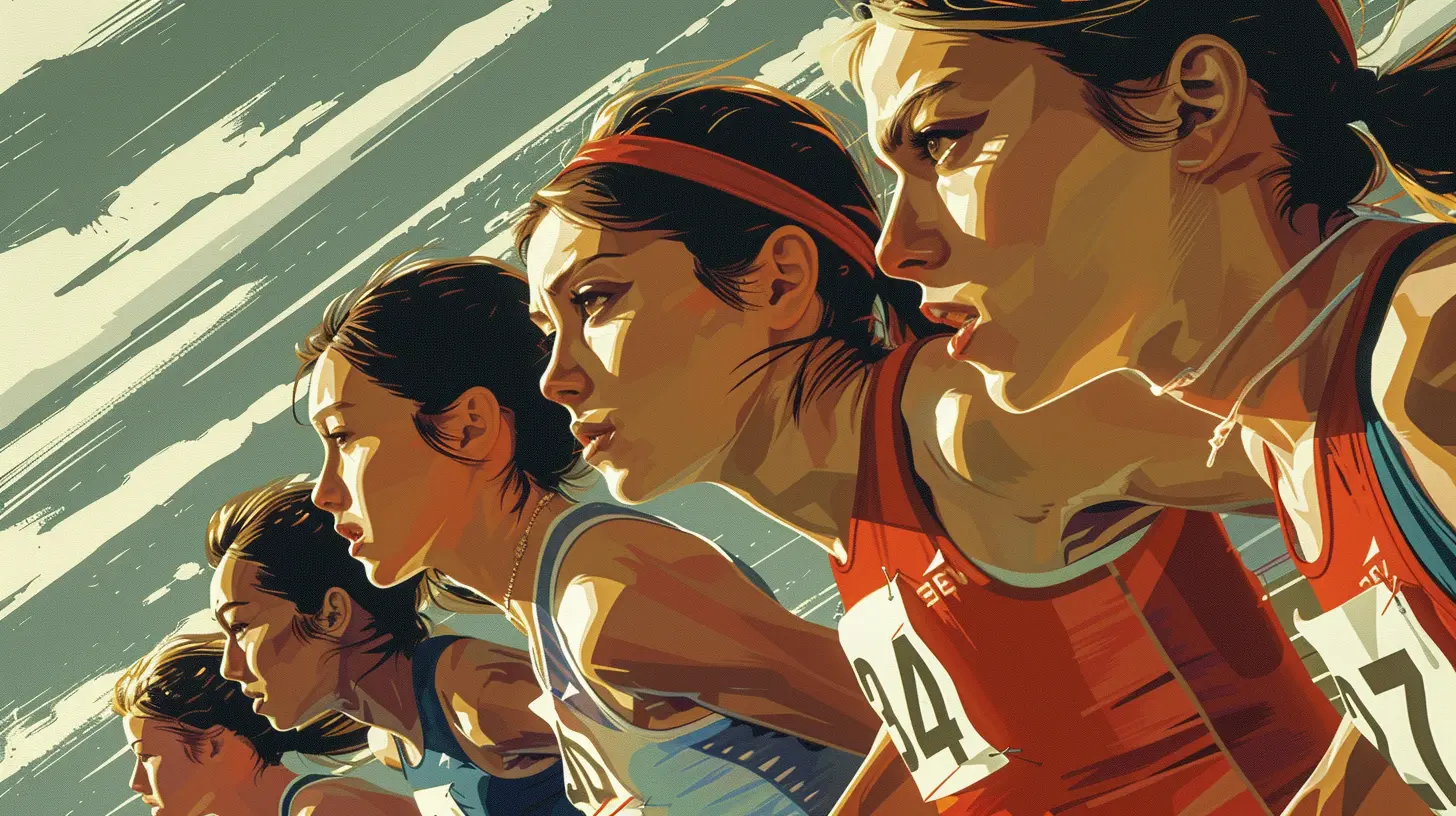
World War and the Pause Button
Just as things started rolling, WWII threw the world into chaos, and the Olympics went on hiatus during the 1940 and 1944 Games. But when the Games resumed in London in 1948, women returned stronger.This era saw an increase in female athletes and more events open to them. Think of it like a garden slowly blooming — still cautious, still contained, but unmistakably growing.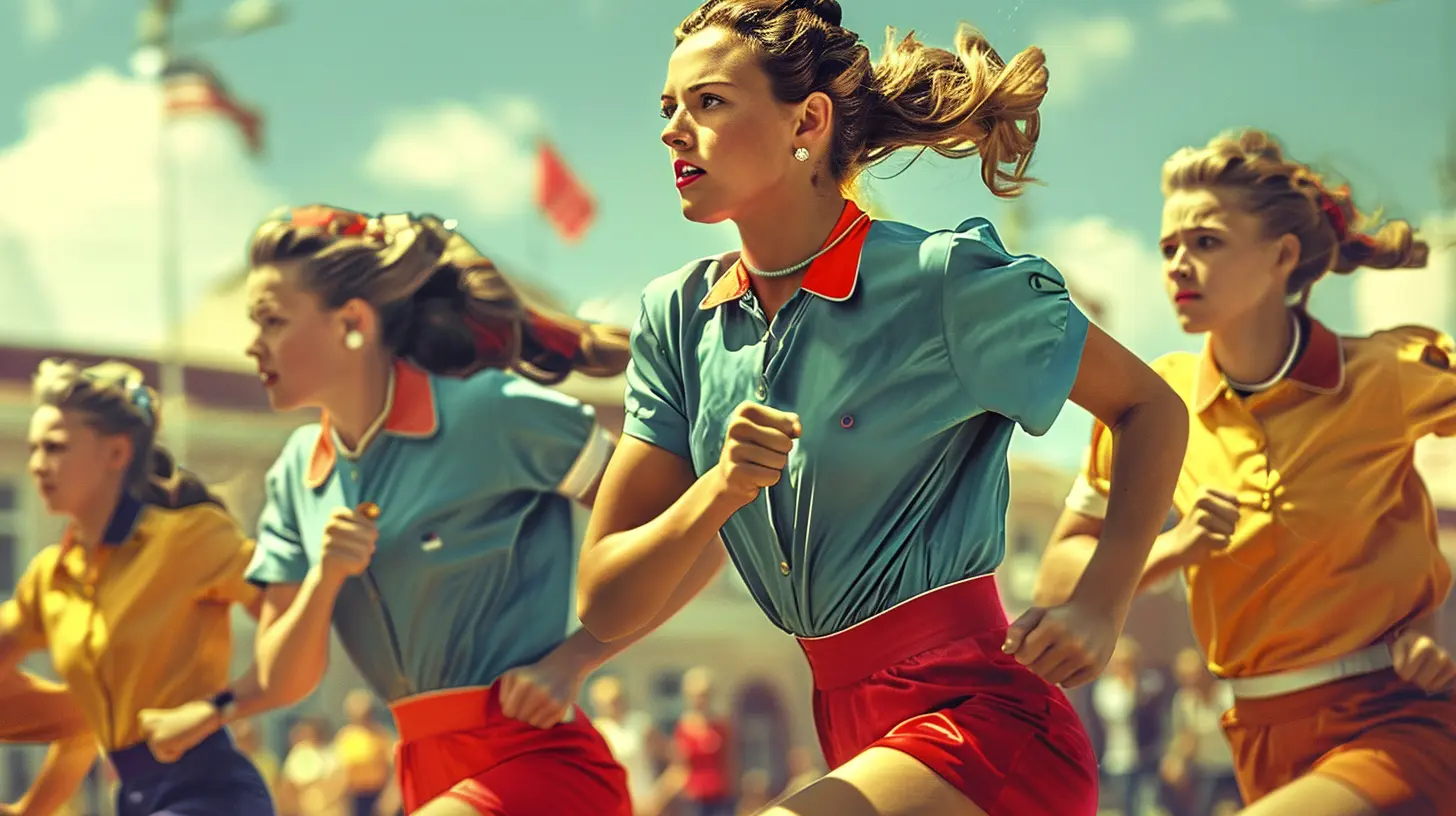
The Second Wave: 1960s–1980s
Now we’re talking progress. The feminist movements sweeping through society in the 60s and 70s started to influence sports as well. The idea that women belonged in the kitchen — not on a sports field — began to die a well-deserved death.At the 1984 Los Angeles Olympics, the first women’s marathon was held. Yes, you read that right — 1984. It took nearly a century for women to run the ultimate long-distance event in the Olympics. American runner Joan Benoit became the first female Olympic marathon champion, and her victory was more than just a gold medal — it was a statement.
By the end of the 80s, more women were competing, and in more sports. But the gap was still pretty wide.
The Power Surge: 1990s to Early 2000s
Here’s where things start to get spicy. By the 1996 Atlanta Games — which also marked the 100th anniversary of the modern Olympics — 34% of the athletes were women. That’s a massive jump from the minuscule numbers of the early 1900s.Softball and women’s soccer made their Olympic debut, and let’s not forget the USA women’s soccer team storming their way to gold. Remember those iconic images of Brandi Chastain’s celebratory slide? That moment didn't just make headlines — it inspired an entire generation of girls to lace up their cleats.
Also notable? The International Olympic Committee (IOC) started pushing for gender equality. Baby steps? Maybe. But steps forward, nonetheless.
The 21st Century: Women Take Center Stage
Let’s fast-forward to London 2012. This was the first Summer Olympics where every participating country included female athletes. Even countries like Saudi Arabia, where women’s sports still face cultural roadblocks, sent female competitors. That’s monumental.What else happened in London? For the first time, women competed in every sport on the Olympic program. That’s right — not a single sport excluded women. Boxing, historically considered too "brutal," finally opened its doors.
And it didn’t stop there. At the Tokyo 2020 Olympics (held in 2021 due to the pandemic), women made up nearly 49% of all athletes. Talk about close to equality! Not only that, but mixed-gender events were introduced to promote inclusivity and teamwork. It's like the Olympics finally got the memo: sports are for everyone.
Women Who Changed the Game
It's impossible to talk about this journey without spotlighting a few trailblazers:- Wilma Rudolph: Overcame polio as a child and went on to win three gold medals in track and field at the 1960 Rome Olympics.
- Nadia Comăneci: Became the first gymnast to score a perfect 10 at just 14 years old during the 1976 Montreal Games.
- Serena & Venus Williams: Not just tennis legends, but Olympic gold medalists who redefined athleticism and power in women's tennis.
- Simone Biles: Arguably the greatest gymnast of all time, flipping and twisting her way into history books — and hearts — everywhere.
These women didn’t just win medals — they broke glass ceilings, smashed stereotypes, and proved that talent knows no gender.
The Media Matters
One thing we can’t ignore? How female athletes are portrayed. Let's be honest: women in sports have historically been judged more for their appearance than their performance. Thankfully, times are changing.Coverage of women’s sports is on the rise, and big names like Naomi Osaka, Megan Rapinoe, and Allyson Felix are calling out inequality and demanding better representation. Social media has become a game-changer too. Athletes now control their own narrative, giving fans a closer look into their training, struggles, and victories.
The Road Ahead: Still Miles to Go
While the progress is undeniable, let’s not sugarcoat it — the fight isn’t over. Pay disparities, limited sponsorships, and continued underrepresentation in coaching and leadership roles still plague women in sports.But here's the upside: visibility creates opportunity. Every young girl watching the Olympics today sees someone who looks like her, dominating on the world stage. That’s powerful. That’s world-changing.
Final Thoughts: More Than Medals
The rise of women in the Olympics isn’t just about records or podiums. It’s about leveling the playing field — literally and figuratively. It’s about rewriting the rules, breaking tradition, and proving that strength, speed, and spirit have nothing to do with gender.So the next time you watch the Olympics and see a woman crossing the finish line, lifting a barbell overhead, or sticking a perfect landing, remember: she didn’t just train for months or years. She's carrying over a century of momentum behind that moment.
And we're all better for it.
all images in this post were generated using AI tools
Category:
OlympicsAuthor:

Easton Simmons
Discussion
rate this article
2 comments
Aaron McClure
This article beautifully highlights the incredible journey of women in the Olympics. Excited to see their continued progress and achievements!
December 14, 2025 at 12:33 PM
Easton Simmons
Thank you! I'm glad you enjoyed the article and share in the excitement for women's continued achievements in the Olympics.
Virginia King
This article beautifully captures the incredible journey of women in the Olympics! Celebrating a century of achievements not only highlights their strength and resilience but also inspires future generations. Let's continue to support and encourage female athletes as they break barriers and redefine excellence!
December 6, 2025 at 9:17 PM
Easton Simmons
Thank you for your thoughtful comment! I'm glad you enjoyed the article and appreciate the ongoing support for female athletes. Together, we can inspire the next generation!