Swim Drills to Perfect Your Breaststroke
10 May 2026
Breaststroke might look smooth and simple, but let's be real — mastering it is anything but easy. Whether you're new to swimming or trying to shave off those extra seconds in a race, getting your breaststroke right can feel like solving a puzzle underwater. The timing, the glide, the pull, the kick — it all needs to come together perfectly.
But guess what? You don’t need to be Michael Phelps to improve your breaststroke. With focused swim drills and consistent practice, you’ll move through the water with far more efficiency and grace. Let’s break down the best swim drills to perfect your breaststroke and take your swimming to the next level.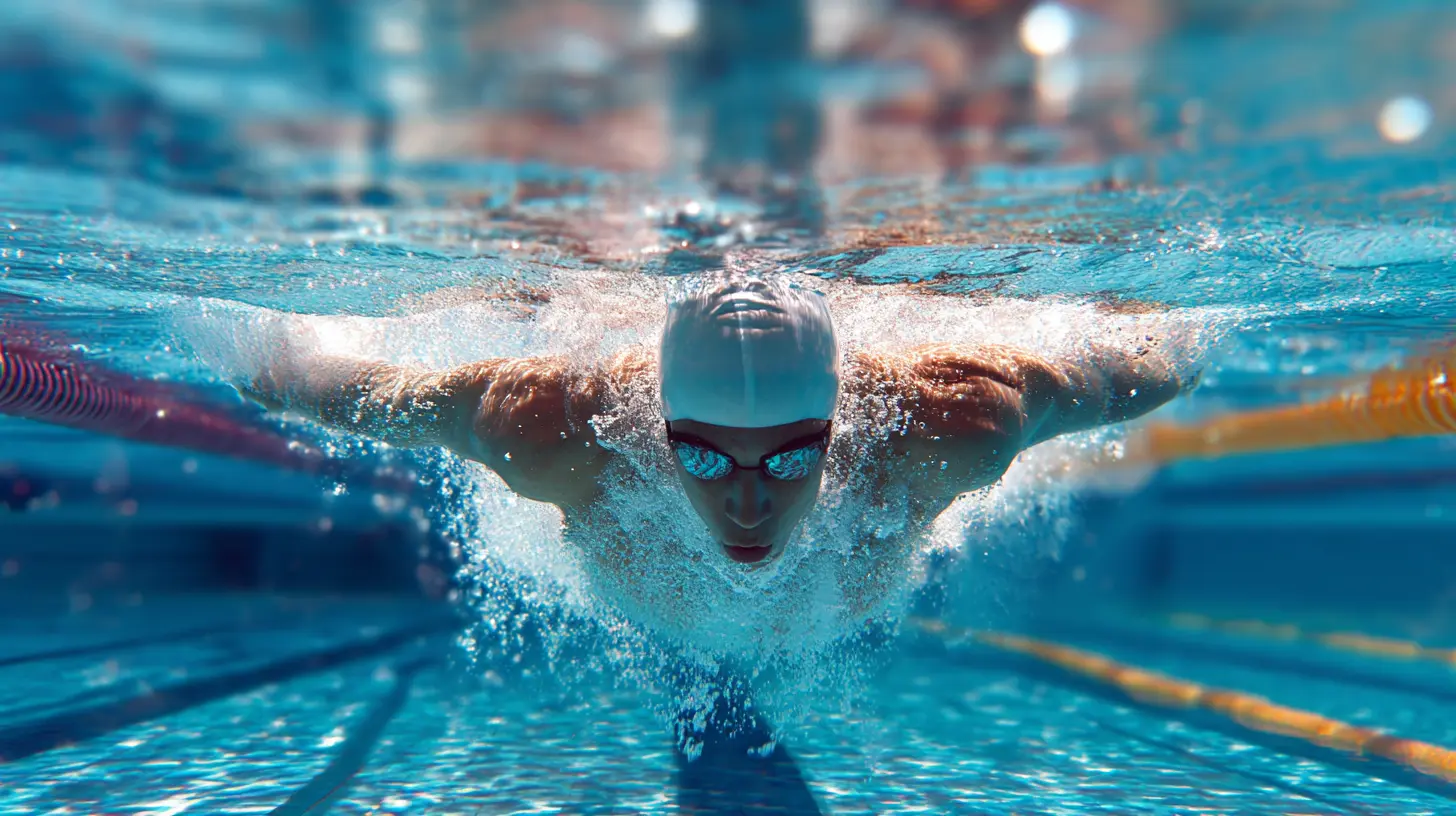
Why Technique Matters in Breaststroke
Before we jump into the drills, let’s talk about why breaststroke demands such precision. Unlike freestyle or backstroke, breaststroke relies heavily on timing and rhythm. If your hands and feet are out of sync — even slightly — you’ll burn more energy and slow down fast.Imagine rowing a boat — if one oar is ahead of the other, you just spin in circles. That’s your breaststroke when it’s mistimed. So yes, every detail counts!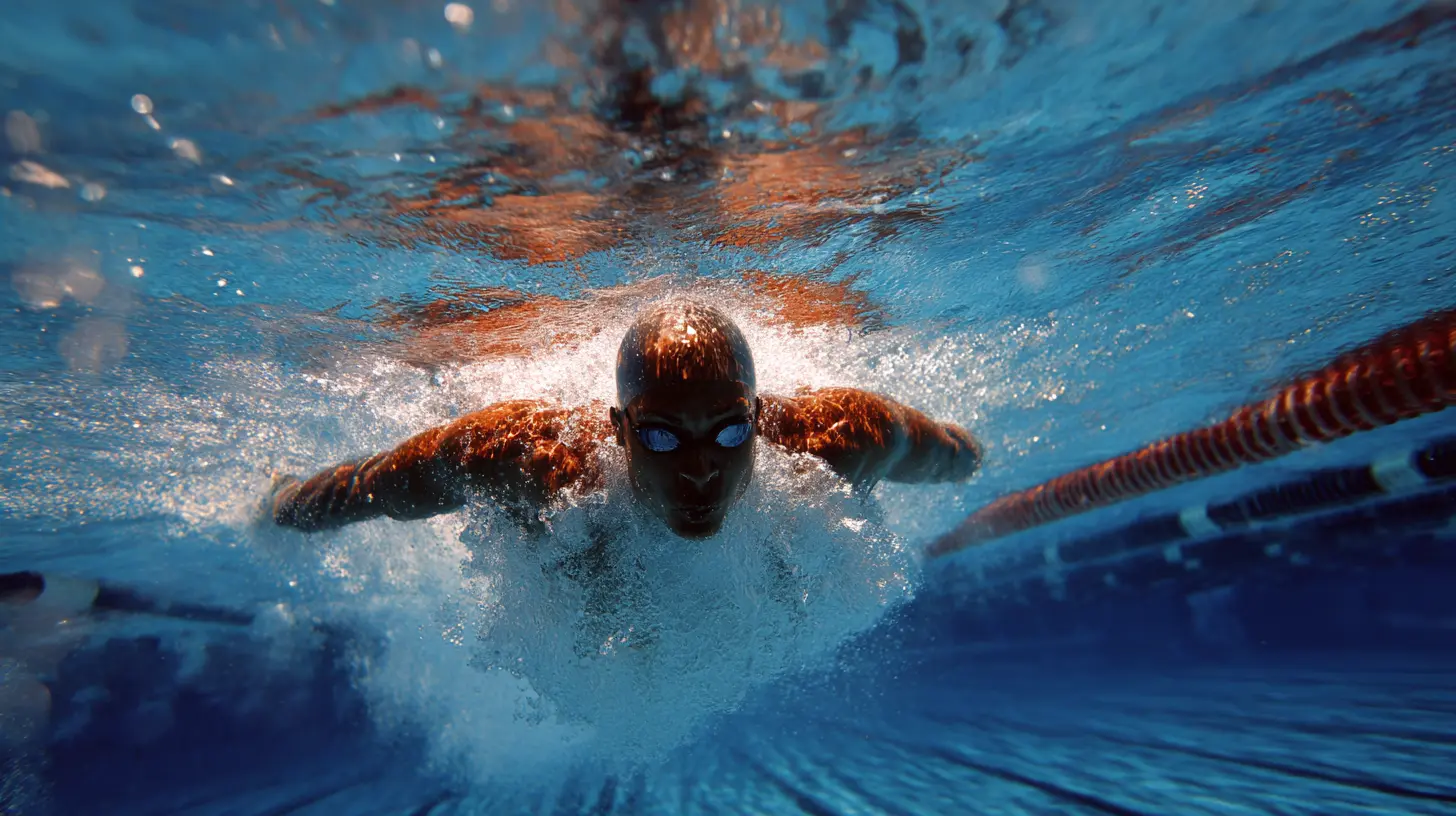
The Essentials of a Good Breaststroke
Before you start drilling, it helps to know what makes a strong breaststroke in the first place.- Body position: Stay horizontal and keep your body flat as possible.
- Arm technique: Pull out and around in a heart-shaped motion, then recover quickly under the body.
- Kick: It’s not a flutter — it's a whip-kick. Keep it strong and snappy.
- Glide: Use the glide phase to your advantage. Don't rush it.
- Timing: Arms pull, breathe, kick, glide. Get this order right, and you’re golden.
Now, let’s dig into drills that help with each part of the stroke.
1. Pull Buoy Drill (Focus: Arm Technique)
A pull buoy is your best buddy when fixing arm movement. This drill removes the kick from the equation so you can zero in on the pull.How to Do It:
- Place a pull buoy between your thighs.- Swim breaststroke using only your arms.
- Focus on a wide, powerful pull that finishes right under your chest before gliding forward.
Why It Works:
This drill isolates the upper body, helping you build a strong and efficient pull. You’ll also notice if you’re overreaching or losing momentum during the glide.
2. Kickboard Breaststroke Kicks (Focus: Leg Technique)
Your kick is the engine of your stroke. A weak kick? You’re not going anywhere. This drill laser-focuses on building a powerful, well-timed kick.How to Do It:
- Hold a kickboard in front of you.- Do only breaststroke kicks while keeping your body aligned.
- Keep your heels close, then snap them out and around.
Why It Works:
It trains your legs to move in a circular, whip-like motion — the secret sauce for propulsion in breaststroke.3. 2-Kick, 1-Pull Drill (Focus: Timing)
Timing makes or breaks your stroke. This drill enhances rhythm and shows you how legs and arms work together.How to Do It:
- Start with a normal breaststroke pull and kick.- Then, instead of pulling again, do one kick with arms stretched out.
- Do one arm pull every two kicks.
Why It Works:
By separating the movement, you develop a better sense of rhythm. It helps prevent over-kicking or pulling too early — common mistakes in breaststroke.4. Glide and Stretch Drill (Focus: Body Line)
Breaststroke is as much about gliding as it is about effort. This drill builds awareness of your streamline position.How to Do It:
- After each kick, hold your streamlined position (arms straight ahead, body tight) for 2–3 seconds.- Focus on gliding as far as you can with each stroke.
Why It Works:
This drill improves efficiency. It teaches you how to get more distance per stroke — critical for both racing and endurance swimming.5. 3-Pull, 1-Kick Drill (Focus: Arm Strength and Tempo)
Need stronger arms or looking to build faster tempo? This one’s for you.How to Do It:
- Move your arms through the breaststroke pull three times before doing one kick.- Keep your body as flat as possible and don’t rush the arm pulls.
Why It Works:
You’ll strengthen your upper body and refine your pull. Plus, it helps reinforce a quick arm recovery without disrupting your bodyline.6. Sculling Drill (Focus: Feel for the Water)
If you’ve ever heard swimmers talk about “feeling the water,” this is what they’re talking about.How to Do It:
- Lie flat in the water, arms in front.- Move your hands side to side quickly in a small figure-8 movement without pulling too far.
- Stay afloat using just this motion.
Why It Works:
Sculling improves your awareness and sensitivity in the water. It helps you connect better during the arm pull phase of breaststroke.7. Underwater Breaststroke Pullouts (Focus: Power and Streamline)
Every competitive breaststroke race begins (and turns) with a powerful underwater sequence. This drill trains that exact moment.How to Do It:
- Push off the wall with a strong streamline.- Do one arm pull, followed by a breaststroke kick.
- Glide before surfacing.
Why It Works:
Practicing your underwater pullouts gives you an edge. It also helps build power and streamline control, both essential in competitive swimming.8. Vertical Kick Drill (Focus: Kick Mechanics and Strength)
This one’s not for the faint of heart. It’s tough, but it seriously sharpens your kick.How to Do It:
- Go to deep water.- Assume a vertical position with your hands crossed over your chest.
- Start a breaststroke kick to keep yourself afloat.
- Do intervals of 20–30 seconds.
Why It Works:
This drill isolates and strengthens your legs like nothing else. You’ll quickly discover if your kick is effective or just wasting energy.9. One-Arm Breaststroke Drill (Focus: Technique and Balance)
Great for swimmers who tend to over-rotate or feel off-balance.How to Do It:
- Swim breaststroke with one arm at your side and the other doing the normal arm motion.- Switch arms every 25 or 50 meters.
Why It Works:
This drill forces you to focus on balance and body position. It also helps fine-tune the symmetry of your stroke.10. Head-Above-Water Drill (Focus: Stroke Timing and Awareness)
Old-school but effective. Watching your stroke while doing it helps catch bad habits.How to Do It:
- Swim breaststroke keeping your head above the surface the entire time.- Keep the stroke shorter and quicker.
Why It Works:
You’ll actually see your arms and kick in action. This extra awareness is a game-changer for self-correction.Common Breaststroke Challenges (And How Drills Help Fix Them)
Let’s face it — most swimmers run into the same issues. Here’s how targeted drills can fix them:| Problem | Solution Drill |
|----------------------------------|-----------------------------------------|
| Legs sinking | Kickboard Kicks, Vertical Kick |
| Overlapping or mistimed strokes | 2-Kick, 1-Pull Drill |
| Weak pull | Pull Buoy Drill, Sculling |
| Poor glide | Glide and Stretch Drill |
| Slow streamline underwater | Underwater Breaststroke Pullouts |
| Losing rhythm | Head-Above-Water, One-Arm Drill |
Tips to Maximize Your Drill Practice
Having the right drills is great, but how you practice them matters just as much.- Start slow: Speed will come, so focus on form first.
- Film yourself: A phone in a waterproof case can reveal so much.
- Be consistent: Repetition is your friend. Don’t expect overnight perfection.
- Mix them in: Use 2–3 drills per session instead of overloading.
- Track progress: Log what you worked on and how it felt.
Final Thoughts
Perfecting your breaststroke isn’t about magic — it’s about smart, focused training. These drills give you a toolkit to build better body mechanics, stronger strokes, and more efficient movement in the water. Some days you'll feel like a dolphin, other days more like a clunky tugboat — and that's okay. Keep at it, track your improvements, and you'll be surprised just how far you can glide.So, next time you hit the pool, don’t just swim laps. Grab a kickboard, focus on your pull, and swim with intention. The results will speak for themselves.
all images in this post were generated using AI tools
Category:
SwimmingAuthor:

Easton Simmons
Discussion
rate this article
1 comments
Tiffany Ford
Perfecting your breaststroke takes dedication and the right drills. Focus on technique, consistency, and timing. Commit to these drills, and you'll see significant improvement in your performance.
May 14, 2026 at 4:14 AM
Easton Simmons
Thanks for the insights! Consistent practice and technique focus truly make a difference in improvement.