The Power of Community in Amateur Sports Leagues
23 May 2026
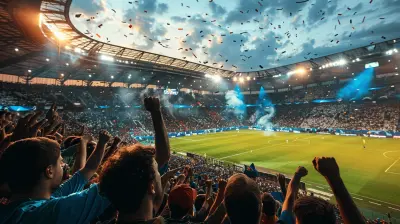
There’s something magical about stepping onto a field, court, or rink—not just for the love of the game, but because you’re not doing it alone. That buzz in the air before a match? It's not just nerves—it's the heartbeat of a community. Amateur sports leagues thrive on more than just athletic ability; they run on camaraderie, connection, and the unbreakable bond between teammates, fans, and supporters.
In this article, we’re diving deep into the soul of amateur sports to understand how community shapes the experience, amplifies the fun, and creates lifelong memories that go way beyond the scoreboard.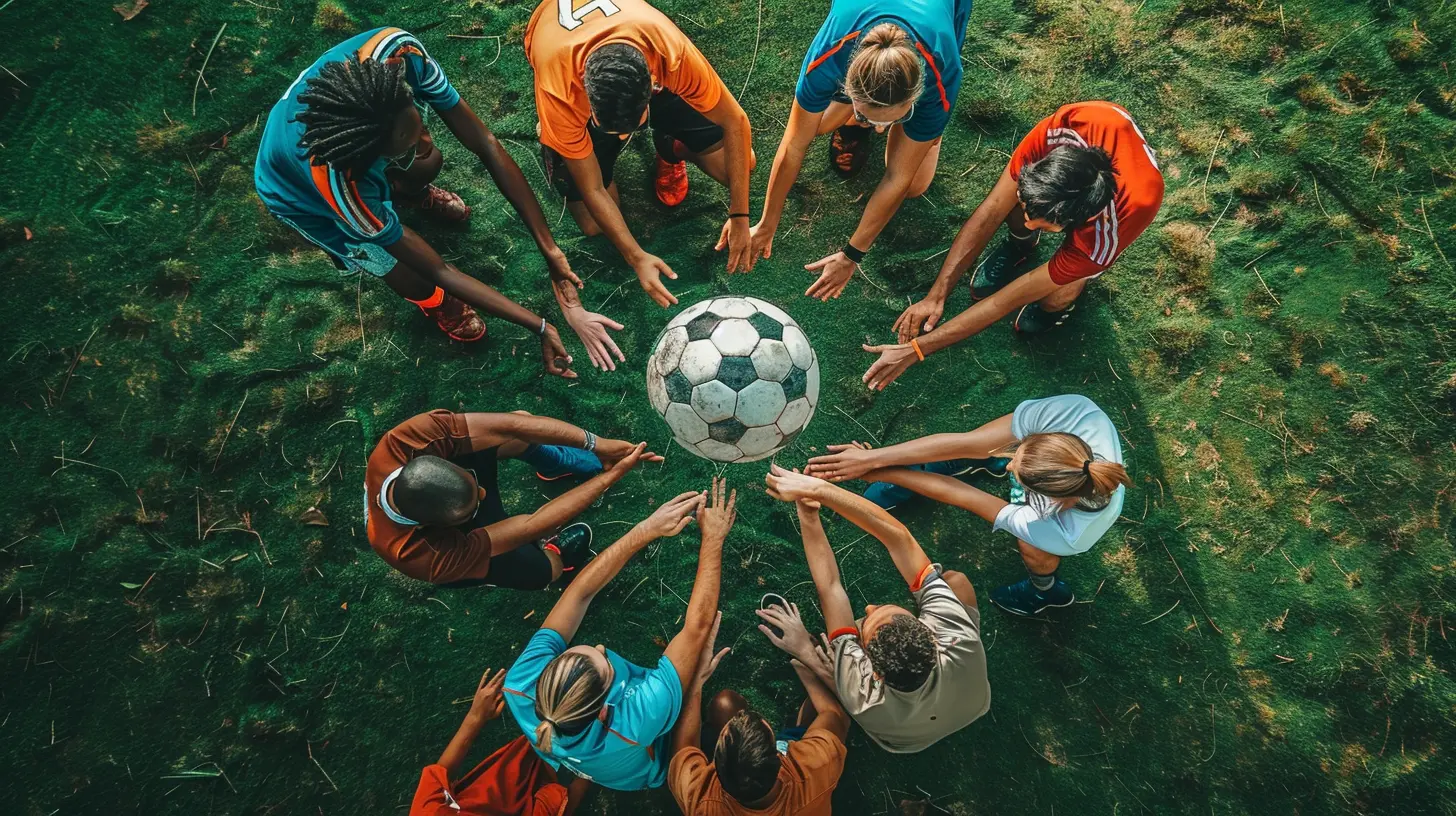
What Makes Amateur Sports So Special?
Let’s be real for a second. Most of us playing in amateur leagues aren’t doing it for fame or money. We're out there because we want to be. We're chasing passion, not contracts. Whether it's Sunday league soccer, a neighborhood basketball game, or a weekend softball tournament, there's something so pure about it.It's not just about the love of the game—it's about the people. The ones cheering from the sidelines. The teammate who brings extra water bottles. The coach who volunteers their time to help you improve your swing. It's this beautiful mix of effort and encouragement that makes every goal, win, or even a crushing defeat, feel immensely meaningful.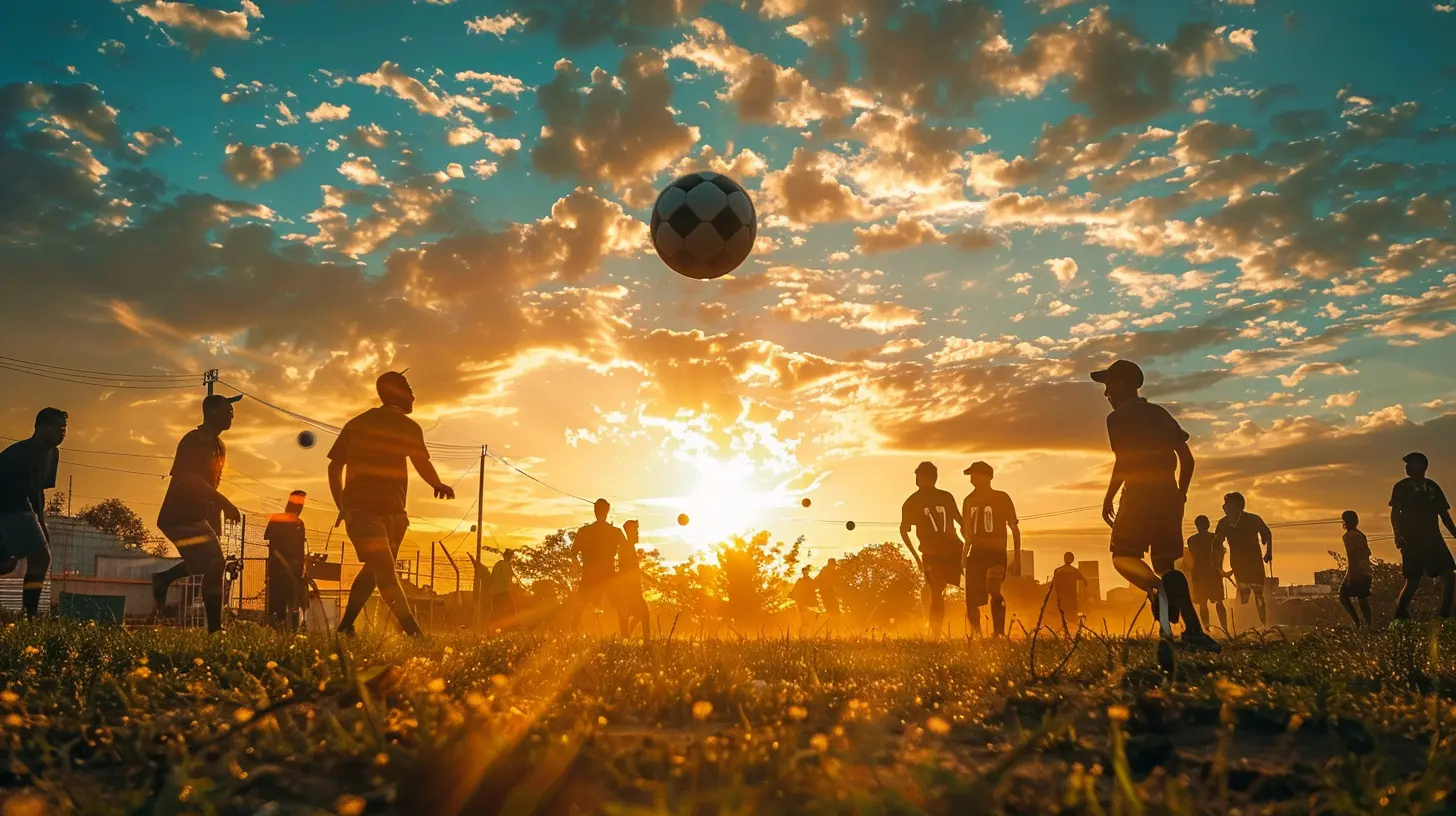
Building Bonds That Last a Lifetime
Ever noticed how people who've played together in a sports league tend to become lifelong friends?That’s no accident.
When you train, compete, and sometimes even travel together, you share experiences that cement real, deep connections. You learn to trust each other, rely on one another, and celebrate (or lose) as a team. These aren’t just fellow players; they become your support system.
And it’s not just about the adults. Youth amateur sports leagues are often where kids learn social skills, build confidence, and understand the real meaning of teamwork. It’s a safe place to have fun, fail, succeed, and grow.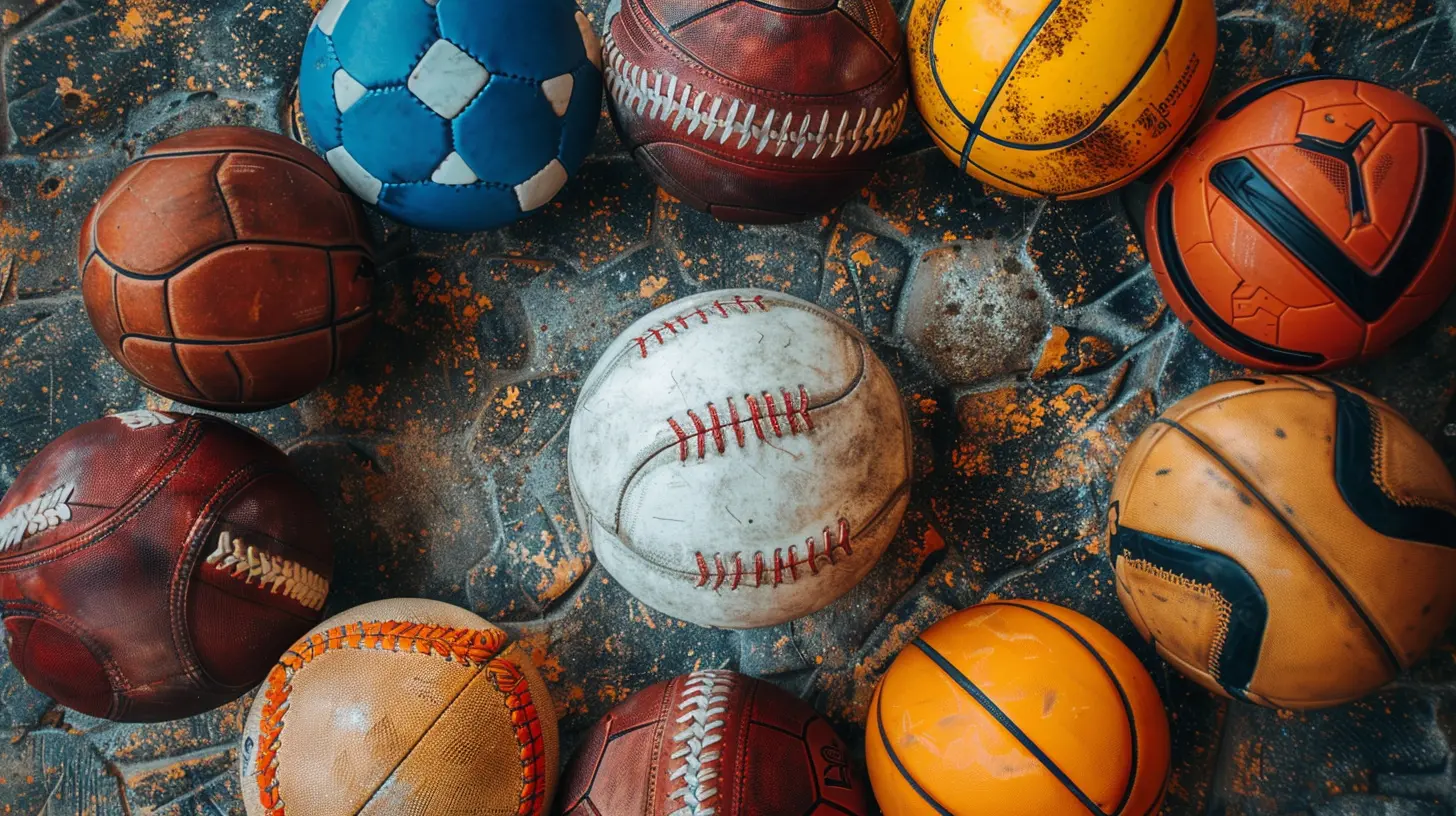
Community: More Than Just a Support Group
In amateur sports, “community” doesn’t just mean the people playing. It stretches far wider. We're talking about:- Parents and guardians who juggle carpools and snack schedules.
- Volunteers who manage logistics, uniforms, and fundraising.
- Local businesses that sponsor teams.
- Fans who brave the cold to stand in muddy sidelines with a thermos in hand.
This built-in village lifts the entire experience from “recreational” to religious. People bond over post-game barbecues or late-night debriefs at the diner. Small acts of connection—like cheering on a kid’s first goal or applauding good sportsmanship—become the glue that binds a neighborhood, a town, even a whole region.
The Ripple Effect of Local Support
When amateur sports thrive, so do local communities. Think about it: every game-day event breathes life into small towns and neighborhoods.Local eateries get a boost when hungry teams roll in after a match. Sports stores see increased sales from gear-hungry athletes. Events bring in crowds that help local economies flourish. It’s a cycle of good.
Plus, healthy communities are strong communities. Amateur sports promote physical activity, mental wellbeing, and a sense of belonging. That’s a solid foundation for any society.
Why It's More Important Than Ever
Let’s address the elephant in the room: we live in a world that's increasingly digital and, let's face it, a little disconnected.We’re scrolling more than we’re strolling. Chatting through screens more than we’re high-fiving in person.
That’s where amateur sports come in as a well-needed antidote. They pull people out of isolation and into interaction. They remind us that real-life connections still matter. That screaming from the stands beats typing “GO TEAM” in a group chat.
Inclusion, Diversity, and Representation
One of the most beautiful aspects of community-led sports leagues is how inclusive they’ve become. Anyone can show up, lace up their cleats (or sneakers), and get in the game. You’ll find:- Mixed-gender teams.
- Age-diverse leagues.
- Inclusive programs for people with disabilities.
- Spaces for underrepresented groups to feel seen and celebrated.
The result? A mosaic of people who might not otherwise hang out, all coming together over a shared love of the game. This builds understanding, empathy, and friendships that transcend typical social boundaries.
The Role of Social Media: Extending the Community
You’d think tech and community sports might clash—but surprisingly, they complement each other pretty well. Local leagues now use social media to:- Share game highlights and player shoutouts.
- Organize events and keep everyone in the loop.
- Celebrate milestones and wins, big or small.
This digital side of amateur sports strengthens the bond between players and supporters. Suddenly, a great goal or hilarious blooper doesn’t just entertain the crowd—it makes the rounds online, letting the entire community join in the fun.
Leadership Is Local: Role Models in Our Backyard
Forget pro athletes for a sec. Some of the most influential role models are your local coaches, team captains, and even your fellow teammates.In community leagues, leadership isn’t about talent—it’s about character. These are the folks who:
- Encourage the shy kid to go for the ball.
- Stay late to clean up after games.
- Show up consistently, rain or shine.
They set examples for the younger players on the field and often end up inspiring more people than they’ll ever know. In a way, they’re shaping the next generation—not just of athletes, but of kind, confident humans.
Volunteer Power: The Unsung Heroes
Want to know who really keeps amateur sports alive? Volunteers.From organizing schedules to washing uniforms to setting up cones in the early morning frost—these folks do it all. And they don’t get paid a dime. Why do it? Because they care. They believe in the spirit of community and want to give something back.
Volunteering also fuels the cycle of support. Players today become coaches tomorrow. Parents become administrators. Fans become sponsors. It’s a web of shared responsibility, spun from nothing but love for the game and the people in it.
How to Strengthen the Community in Your League
So maybe you're part of a league. Or you’re thinking about joining one. Great! But how do you make sure the community aspect stays strong?Here are a few winning plays:
1. Organize team socials – Pizza nights, BBQs, or movie outings go a long way in building bonds.
2. Encourage inclusivity – Make sure everyone feels seen and supported, no matter their skill level or background.
3. Recognize the unsung heroes – Shout out your MVPs off the field, like the parent who brings snacks or the coach who never misses a game.
4. Use tech smartly – Stay connected with group chats, event invites, and highlight reels on social media.
5. Give back – Volunteer, donate gear, or simply offer a ride to a teammate who needs it.
Small actions, big impact.
The Heartbeat of the Game
In the end, amateur sports are less about competition and more about connection. The real victories aren’t just counted in goals or points—they’re felt in the laughs during warm-up drills, the group huddles before a big game, and the high-fives after a tough loss.The power of community in amateur sports leagues isn't just strong—it's transformative. It turns strangers into teammates, neighbors into friends, and simple games into unforgettable experiences.
So next time you tie those laces or cheer from the sidelines, remember: You’re not just part of a league. You’re part of something bigger.
Final Whistle Thoughts
If you’ve ever played in or supported an amateur sports league, you already know what we’re talking about. And if you haven’t yet—what are you waiting for?Grab a jersey. Join a team. Or just show up and clap from the sidelines. Because in the world of amateur sports, everyone has a place—and the community is always the true MVP.
all images in this post were generated using AI tools
Category:
Amateur SportsAuthor:

Easton Simmons
Discussion
rate this article
1 comments
Adria Lawrence
Amateur sports leagues are more than just games; they're a lifeline for communities. Every play, cheer, and shared moment builds bonds that go beyond the field. It's this sense of belonging that transforms a simple match into a shared journey of growth and connection.
May 23, 2026 at 12:28 PM
Easton Simmons
Absolutely, the connections formed in these leagues create lasting relationships that strengthen the entire community. It's about more than just competition; it's about unity and shared experiences.