The Link Between Team Sports and Higher Graduation Rates
17 August 2026
There is a moment that happens on every school campus, in every season, when a student athlete looks at the clock and realizes they have exactly forty-five minutes to finish a history paper, eat something that is not a protein bar, and get to practice on time. That moment is chaos. But it is also the reason why team sports and higher graduation rates are so tightly connected. The student who learns to manage that chaos in high school or college is the student who learns how to finish. And finishing, in the academic sense, is what graduation is all about.
For years, educators and parents have suspected that there is something special about the kid who plays on a team. The data, when you look at it across school districts and universities, tends to back that up. Student athletes graduate at higher rates than their non-athlete peers, and the gap is especially pronounced among students from disadvantaged backgrounds. But the reason is not magic. It is not about being smarter or more gifted. It is about structure, accountability, and a set of habits that are built into the very fabric of team sports.

The Structure of Belonging
The first thing that team sports do is create a reason to show up. That sounds simple, but it is actually profound. A student who feels disconnected from school has no reason to walk through the doors in the morning. But a student who has practice at 3:30, a game on Friday, and teammates who are counting on them has a reason to be present. That presence is the foundation of everything else.When a student joins a team, they are not just joining an extracurricular activity. They are joining a community with its own rules, its own calendar, and its own expectations. The coach knows their name. The teammates know their strengths and weaknesses. There is a locker, a jersey, a seat on the bus. All of these small things add up to a sense of belonging that is incredibly powerful for a young person.
This is especially important during the transition years. The jump from middle school to high school is where many students get lost. The jump from high school to college is even more dangerous. In both cases, the student is suddenly surrounded by strangers and given a level of freedom they have never had before. A team provides an instant social network. It gives the student a group of people who are going through the same experience, facing the same challenges, and working toward the same goal.
The structure also extends beyond the social. Team sports impose a schedule. Practice times, game days, travel schedules, film sessions. All of these require the student to organize their day around something other than their own impulses. For a student who has never had to manage their time, this is a crash course in executive function. They learn to plan backwards from a deadline. They learn to prioritize. They learn that if they do not finish their homework before practice, they will be up until midnight doing it after.
These are not skills that are taught in a classroom. They are learned through repetition and necessity. And they are exactly the skills that are needed to persist through four years of high school or college coursework.
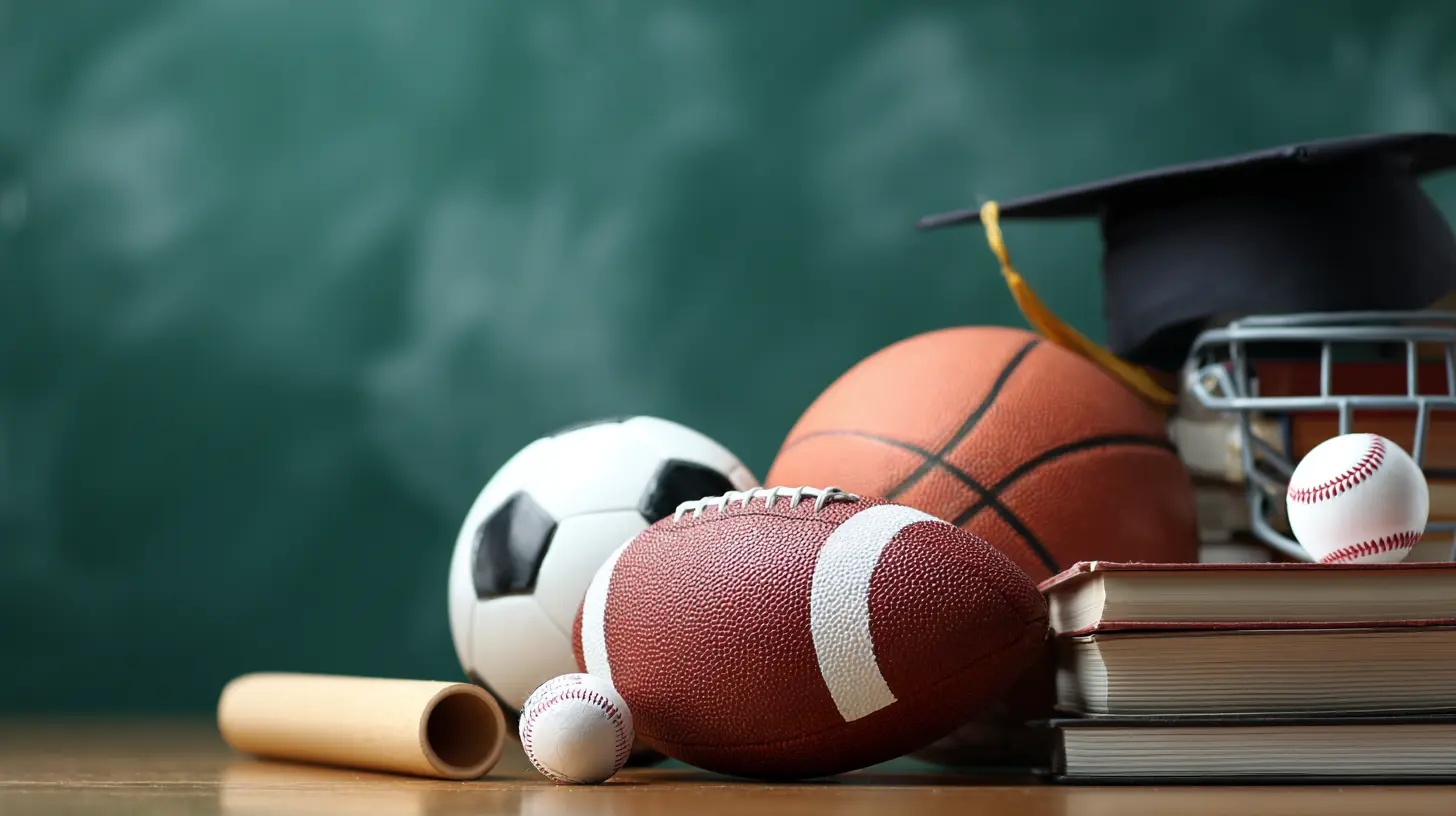
Accountability That Goes Both Ways
There is a misconception that student athletes get special treatment, that they are pushed through classes so they can stay eligible to play. That does happen, and it is a real problem in some programs. But the more common reality is that the accountability goes the other way. The team holds the student to a standard that they would not hold themselves to.When you are on a team, your grades are not just your business. They are the business of your coach, your teammates, and the program. If you fail a class, you cannot play. That means you let down the person who is counting on you to start at forward, or the goalkeeper who needs you to be on the field, or the senior captain who wants to win a championship in their last year. That pressure is real. It is uncomfortable. And it works.
The key here is that the accountability is not just punitive. It is supportive. A good coach will not just bench a struggling student. They will check in on them, ask about their classes, connect them with a tutor, and make sure they are getting enough sleep. Teammates will do the same. The student is surrounded by people who have a vested interest in their academic success, not because they care about the student's GPA in the abstract, but because they need that student to be available to play.
This creates a feedback loop. The student works harder in class because they do not want to let the team down. The team sees the student working hard and respects them more. The student feels valued and connected. The connection makes them want to stay in school. And staying in school is what leads to graduation.
There is a trade-off here that is worth acknowledging. For some students, the pressure of team sports can become overwhelming. A student who is already struggling with anxiety or academic deficits might find that the added stress of practice and competition pushes them over the edge. This is where the quality of the coaching and the culture of the program matters enormously. A program that treats academics as a box to check will not produce these benefits. A program that genuinely integrates academics into its culture will.
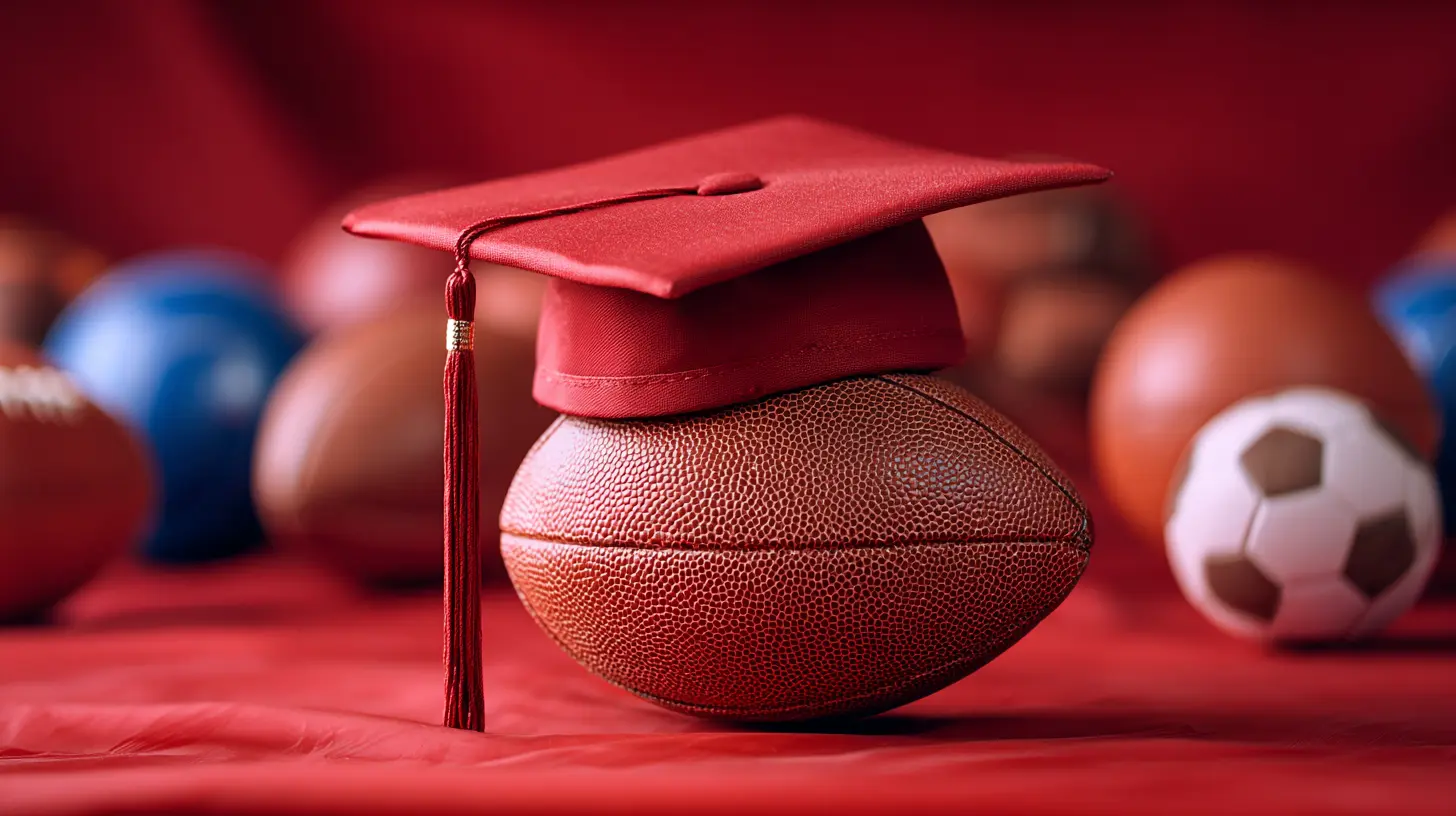
The Skills That Transfer
It is easy to talk about time management and accountability, but the real value of team sports is in the transferable skills that students develop without even realizing it. These are the skills that show up in the classroom, in the library, and in the exam hall.Consider the concept of delayed gratification. In a team sport, you do not win every game. You do not even play every game. You might spend an entire season on the bench, practicing every day, and only get into a handful of minutes of actual playing time. That experience teaches a student that effort does not always produce immediate results. It teaches them to keep working even when the reward is not visible. That is exactly the mindset needed to get through a difficult semester or a challenging major.
Then there is the ability to handle failure. Every athlete loses. Every athlete makes a mistake that costs their team a game. The good ones learn to process that failure quickly, extract the lesson, and move on. This is a skill that is almost never taught in school, but it is essential for academic persistence. The student who fails a calculus exam and then spirals for a month is at risk of dropping out. The student who fails that same exam, talks to their professor, reviews their mistakes, and comes back stronger is the student who graduates.
Team sports also teach communication. Not the kind of communication that happens in a group project where one person does all the work and the others nod along. The kind of communication that happens in a huddle, in a timeout, or on the field when you have to call out a play to a teammate who is twenty yards away. This is direct, honest, and high-stakes communication. It forces the student to be clear, to be concise, and to listen. These are skills that serve students well in seminars, in office hours, and in group study sessions.
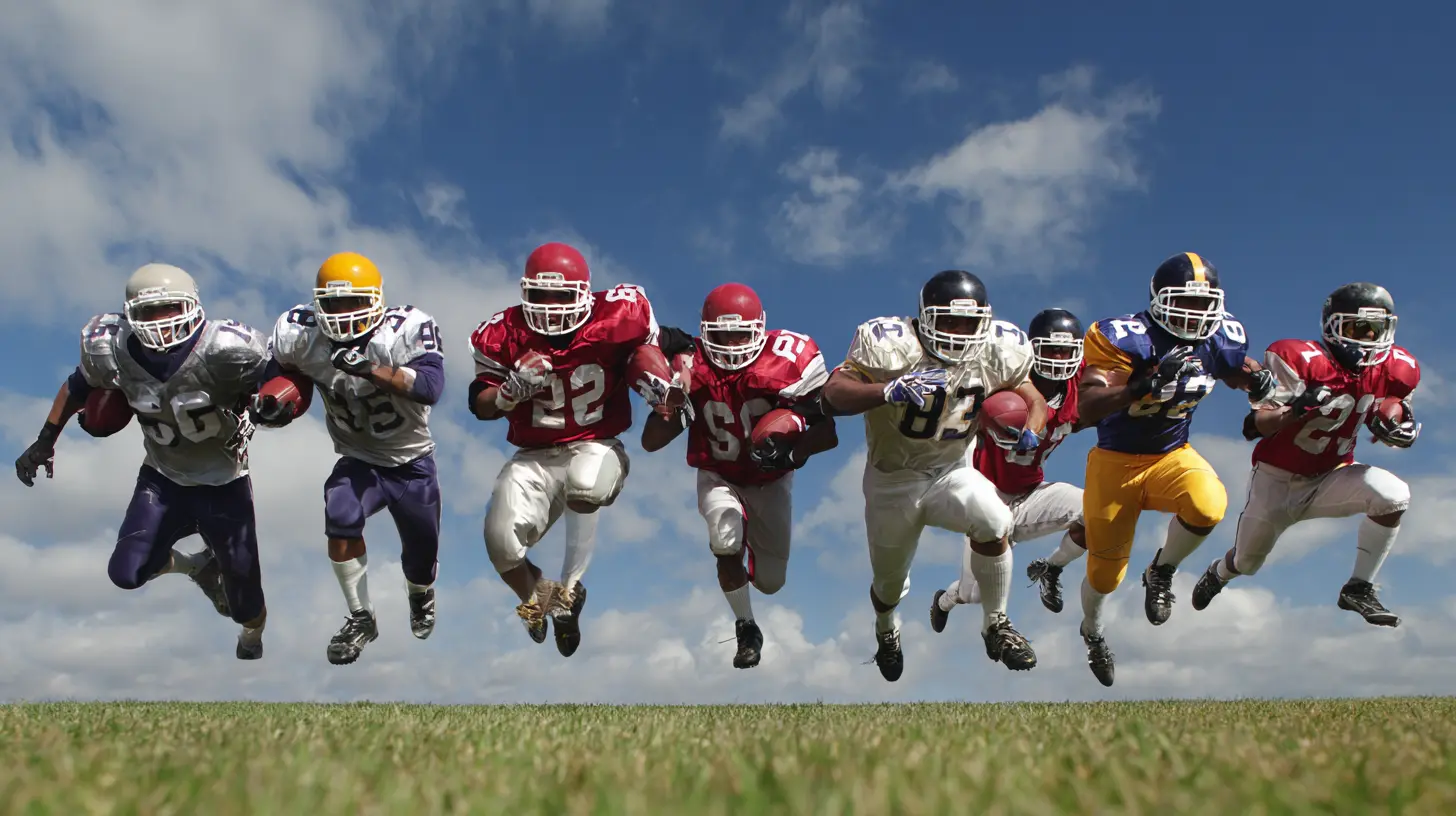
The Role of the Coach
The coach is the single most important factor in whether team sports actually lead to higher graduation rates. A coach who sees their role as purely athletic will produce athletes who are good at their sport but may not be any more likely to graduate. A coach who sees their role as developmental will produce students who are prepared for life after the final game.The best coaches treat academics as a non-negotiable part of the program. They schedule study halls. They check grades weekly. They build relationships with teachers and professors so that they know when a student is struggling before it becomes a crisis. They also model the behavior they want to see. A coach who is organized, punctual, and prepared for every practice is teaching their players something about how to approach their own work.
There is a common mistake that programs make here. They assume that simply having a team is enough. They assume that the sport itself will do the work. But the sport is just the vehicle. The coach is the driver. Without a coach who is intentional about academic support, the vehicle goes nowhere.
Another mistake is treating athletes as a monolith. A star quarterback and a third-string defensive lineman have very different experiences of the team. The star might get extra attention, extra tutoring, and extra pressure. The third-string player might feel invisible, like they are just a body in a uniform. Programs that want to maximize graduation rates need to pay attention to the margins. The students who are not getting playing time, the students who are not the stars, are often the ones most at risk of dropping out.
Real-World Examples of the Connection
There are plenty of examples of schools and programs that have built their academic support around the team model. Some of the most successful charter school networks in the country have adopted a sports-heavy schedule, with practice every day and games on the weekend. The results have been striking. Students in these programs, many of whom come from low-income households and under-resourced schools, graduate at rates that far exceed their peers.The mechanism is not mysterious. These programs use the team as the primary unit of accountability. Students check in with their coach every morning. They have a study hall block built into the day. They are expected to maintain a certain GPA to stay on the team. The coach knows every student's schedule, every student's teachers, and every student's struggles. This is intensive, expensive, and difficult to scale. But it works.
At the collegiate level, the NCAA has long published graduation rate data that shows athletes graduating at higher rates than the general student body. The gap is especially large for Black male athletes, who graduate at rates significantly higher than their non-athlete peers. This is not because they are given easier classes, despite the stereotypes. It is because they are embedded in a support system that includes academic advisors, tutoring, and a coach who is checking on them.
The comparison to non-athletes is instructive. A student who is not on a team has to create their own structure. They have to find their own community. They have to motivate themselves to go to class when they are tired or depressed or overwhelmed. Some students can do that. Many cannot. The team provides the structure that the student cannot provide for themselves.
When Team Sports Do Not Help
It would be dishonest to claim that team sports are a universal solution. There are situations where the connection between team sports and graduation rates breaks down.The most obvious is when the sport becomes the primary focus and academics become secondary. This happens in high-profile college programs where the pressure to win is immense. Athletes in these programs might be steered toward easy classes, told to skip difficult majors, or given passing grades for work they did not do. These athletes might graduate, but they graduate with a hollow degree. The graduation rate statistic looks good, but the student has not actually gained the education they were promised.
There is also the issue of burnout. A student who is pushed too hard, who practices too much, who is constantly traveling for games, might simply run out of gas. They might drop out of the sport, and then, without the structure of the team, drop out of school entirely. This is more common than people think. The key is balance. A program that demands everything from its athletes will eventually lose them.
Finally, there is the question of fit. Not every student is suited for team sports. A student who is introverted, who does not enjoy competition, or who has physical limitations might find the team experience miserable. Forcing such a student onto a team will not help them graduate. It will just make them miserable. The goal should be to find the right activity for the right student, not to force everyone into the same mold.
Practical Advice for Schools and Parents
For schools that want to use team sports to improve graduation rates, the first step is to make the connection explicit. Do not assume that the sport will do the work on its own. Build academic support into the athletic program. Require study halls. Check grades. Make it clear that academics come first, and that the sport is a privilege that must be earned.The second step is to hire coaches who understand their role. A coach who is only interested in wins is not going to help with graduation rates. A coach who sees themselves as an educator, a mentor, and a role model will. This means paying coaches a living wage, providing them with professional development, and evaluating them on more than just their win-loss record.
The third step is to create multiple entry points. Not every student is going to make the varsity team. There should be junior varsity, freshman teams, club teams, and intramural programs. The goal is to get as many students as possible into the team environment, not to create an elite few.
For parents, the advice is simpler. Encourage your child to join a team, but do not push them into a sport they do not enjoy. Pay attention to the coach. A good coach is worth more than a good facility. And keep the long view in mind. The goal is not a scholarship or a championship. The goal is a graduate.
The Bigger Picture
The link between team sports and higher graduation rates is not a coincidence. It is a direct result of the way that team sports change a student's relationship to school. The team makes school a place where the student is known, valued, and needed. The team provides a reason to show up, a structure to follow, and a group of people who will not let the student disappear.This is not to say that team sports are the only way to achieve these outcomes. Music programs, theater, debate, and other extracurricular activities can provide similar benefits. The common thread is not the sport itself. It is the sense of belonging, the external accountability, and the development of transferable skills.
But team sports have one advantage that other activities do not. They are universal. Every culture has some version of a team sport. Every school has a field or a court. The barrier to entry is low, and the appeal is broad. That makes team sports one of the most accessible and effective tools we have for keeping students in school and getting them to graduation day.
The student who learns to show up for practice is the student who learns to show up for class. The student who learns to take a loss and come back stronger is the student who can survive a failed exam. The student who learns to work with others toward a common goal is the student who will find their place in the world. That is what graduation represents. It is not just a piece of paper. It is proof that the student can finish something they started. And team sports are one of the best ways to teach that lesson.
all images in this post were generated using AI tools
Category:
Sports And EducationAuthor:

Easton Simmons
Discussion
rate this article
2 comments
Azura Fisher
This article highlights an important point: participation in team sports fosters discipline and teamwork, which can translate to better academic performance. It's encouraging to see schools supporting athletics, as it benefits students both on and off the field.
August 29, 2026 at 12:15 PM
Easton Simmons
Thanks for your insight! I agree that the skills gained from team sports can have a positive impact on academics and overall student development.
Dylan Abbott
Team sports foster discipline and commitment.
August 20, 2026 at 3:43 AM