Olympic Legends: Athletes Who Redefined Their Sports
15 February 2026
The Olympics aren't just about medals and records; they’re about stories—stories of grit, passion, and sheer determination. Every four years, the world watches in awe as athletes push the boundaries of human capability. But some competitors don’t just compete; they redefine their entire sport.
In this article, we’re diving into the lives of Olympic legends—those once-in-a-lifetime athletes who changed the game forever.
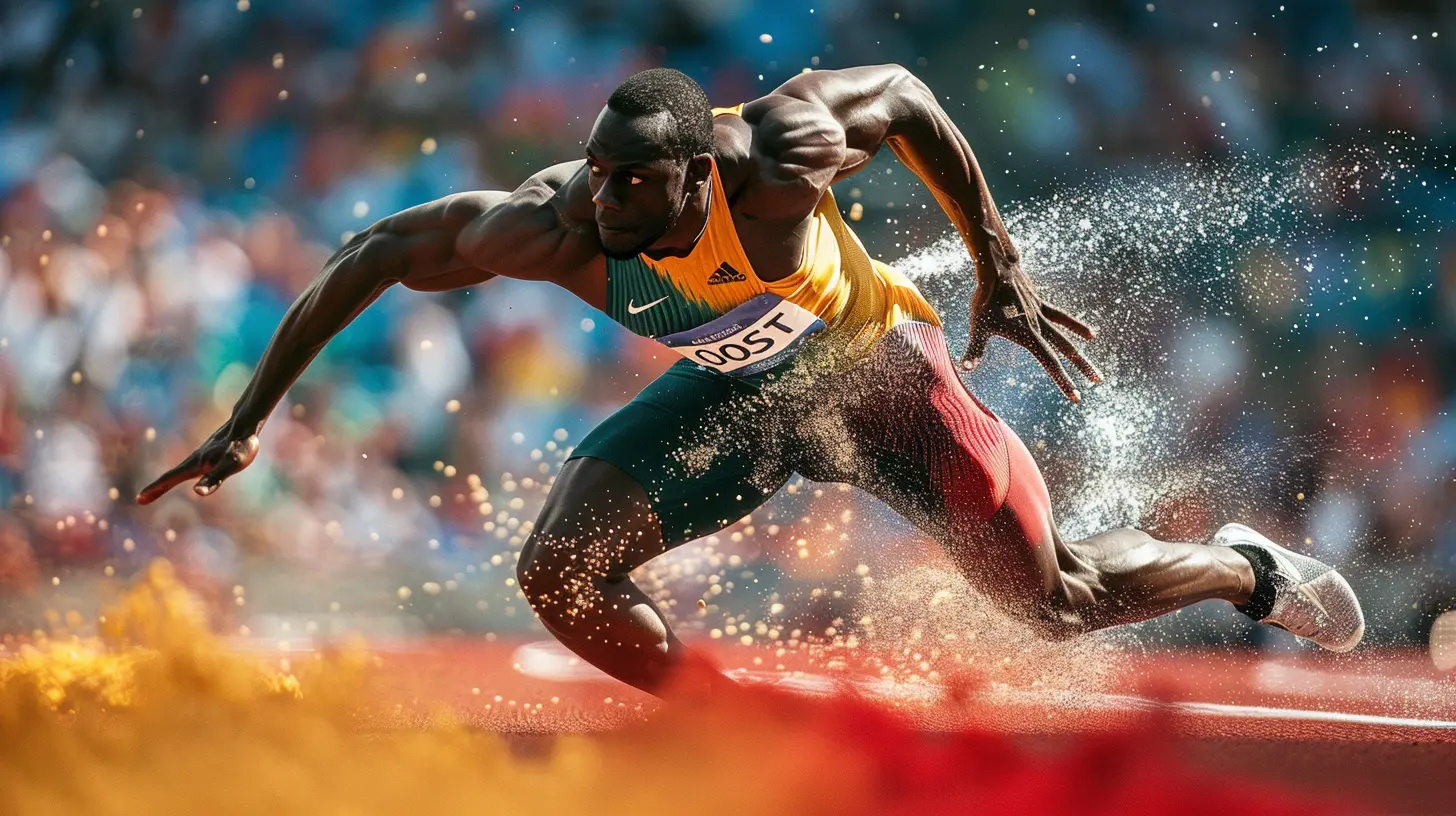
Jesse Owens: Defying Adversity with Speed
Few Olympic moments carry the weight of Jesse Owens’ performance at the 1936 Berlin Olympics. Competing in Nazi Germany under Adolf Hitler’s oppressive ideology, Owens shattered racist myths by winning four gold medals in track and field. His dominance in the 100m, 200m, long jump, and 4x100m relay was not just a victory; it was a statement.Owens' legacy isn’t just about speed; it’s about courage. He proved that talent knows no race, no boundary, and no political agenda. Even today, his name stands tall as a symbol of resilience and excellence.
Michael Phelps: The Human Fish
When you think swimming, you think Michael Phelps. With a staggering 23 Olympic gold medals, Phelps isn’t just the most decorated Olympian—he’s a living legend.From his first gold in Athens 2004 to his final race in Rio 2016, Phelps dominated like no one before. His powerful strokes, incredible endurance, and insane work ethic redefined what was humanly possible in the pool.
What made Phelps truly special? His unbreakable mindset. Whether it was overcoming setbacks, injuries, or personal struggles, he never let anything stop him. He didn’t just swim; he inspired an entire generation of young athletes to dream big.
Usain Bolt: The Fastest Man on Earth
Some athletes run; Usain Bolt flies.The Jamaican sprinter turned the 100m and 200m races into his playground, winning an incredible eight Olympic gold medals. His world records—9.58 seconds in the 100m and 19.19 seconds in the 200m—still stand tall, almost untouchable.
But Bolt wasn’t just about speed. It was his swagger, charisma, and love for the sport that made him a global icon. His signature “Lightning Bolt” pose? Legendary. His confidence on the track? Unmatched.
Bolt didn’t just win races; he made sprinting fun to watch. He electrified stadiums, made world records look effortless, and left a permanent mark on athletics.

Simone Biles: The Queen of Gymnastics
If gymnastics had royalty, Simone Biles would be its queen.Biles isn’t just a multiple-time Olympic champion; she’s a trailblazer. With four Olympic golds and multiple World Championship titles, she has redefined the possibilities of gymnastics.
Her gravity-defying skills—including moves named after her—have pushed the sport to new heights. She doesn’t just compete; she creates new standards. The Biles vault? Nearly impossible for most athletes. The Biles on floor? Unmatched in difficulty.
Beyond her skills, Biles has shattered the stigma around mental health in sports. Her decision to prioritize her well-being during the Tokyo 2020 Olympics sent a powerful message: mental health is just as important as physical strength. A true champion in every sense.
Carl Lewis: The King of Track and Field
Carl Lewis was a dominant force in track and field for over a decade. With nine Olympic gold medals, he set the bar high across multiple events—sprints and long jump.From winning four consecutive long jump golds to dominating the 100m and 200m, Lewis wasn’t just versatile; he was unstoppable. His rivalry with Ben Johnson in the 1988 Olympics (which was later tainted by a doping scandal) only solidified his place as a clean, dedicated athlete who rose above controversy.
Without Carl Lewis, modern track and field wouldn't be the same. His speed, technique, and longevity made him an icon, and his impact still resonates today.
Nadia Comaneci: The Perfect 10
Before Nadia Comaneci, perfection in gymnastics was just a dream. Then, in the 1976 Montreal Olympics, she made history by scoring the first-ever perfect 10 in Olympic gymnastics. Her flawless routines, precision, and unmatched grace paved the way for future generations of gymnasts.She didn’t just win gold; she transformed the sport. Gymnastics was never the same after Nadia. The level of difficulty increased, routines became more artistic, and the world started to view gymnastics as a highly technical and thrilling event.
Even today, when young gymnasts aim for perfection, they look at Nadia’s legacy for inspiration.
Serena and Venus Williams: Game-Changers in Tennis
While tennis has seen many greats, Serena and Venus Williams took it to another level. Though tennis isn’t traditionally an Olympic-focused sport, their dominance in Olympic Games cemented their legendary status.Between them, they have four Olympic golds in doubles and singles, showcasing their excellence on the biggest stage. Their influence extends beyond medals—they changed the physical and mental aspect of the sport, bringing power, speed, and unmatched intensity.
Their success also broke barriers for women of color in tennis, proving that talent, determination, and hard work can overcome any obstacle.
Mark Spitz: The Original Swimming Superstar
Before Phelps, there was Mark Spitz. The American swimmer dominated the 1972 Munich Olympics, winning seven gold medals—a record that stood for 36 years until Phelps broke it in 2008.Spitz wasn’t just a fast swimmer; he was a master of multiple strokes, winning medals in freestyle and butterfly races. His dominance in the pool set the stage for future generations, proving that swimmers could be elite in multiple events.
He made swimming more than just a sport—it became a global spectacle.
Paavo Nurmi: The “Flying Finn” of Distance Running
Long-distance running is brutal. It requires endurance, patience, and a heart of steel. No one embodied this better than Paavo Nurmi, the Finnish legend who won nine Olympic gold medals in distance running events from 1920 to 1928.Nurmi revolutionized training methods, introducing pace control, interval training, and tactical racing—techniques still used today. He was ahead of his time, blending science with raw athleticism.
His influence on long-distance running is so deep that many modern marathoners still look up to his strategies.
Conclusion: The Legacy of Olympic Legends
The Olympics have given us more than just competitions; they’ve given us heroes. These athletes didn’t just win golds—they changed and elevated their sports forever. They broke records, shattered stereotypes, and inspired millions to chase greatness.Who will be the next Olympic legend? Only time will tell. But one thing is certain: the spirit of the Games continues to produce icons who redefine human limits.
all images in this post were generated using AI tools
Category:
OlympicsAuthor:

Easton Simmons
Discussion
rate this article
2 comments
Luella McBride
Absolutely inspiring! These athletes not only shattered records but also redefined the essence of their sports. Their dedication and groundbreaking achievements serve as a powerful reminder of what true greatness looks like. A legacy that will influence generations to come!
March 14, 2026 at 4:05 AM
Easton Simmons
Thank you! Their incredible achievements truly inspire us all and set a new standard for future generations.
Delta Love
Loved this article! It’s amazing how these Olympic legends pushed boundaries and inspired generations. Their passion truly redefined the spirit of sports!
February 15, 2026 at 3:32 AM
Easton Simmons
Thank you! I'm glad you enjoyed it. These athletes truly are inspiring!