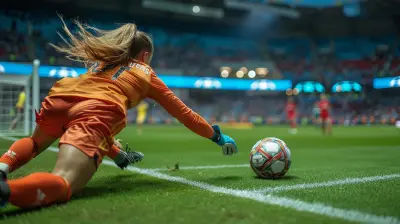
The Importance of Hydration for Peak Performance
23 June 2026
We all know water is essential to life, but when it comes to athletic performance, hydration is the unsung hero that can make or break your game. Whether you're sprinting on the track, grinding through an intense gym workout, or just trying to stay sharp during a long workday — the amount of water in your system plays a critical role. Yet, it’s often overlooked.
So, what’s the big deal with hydration? Let’s break it down.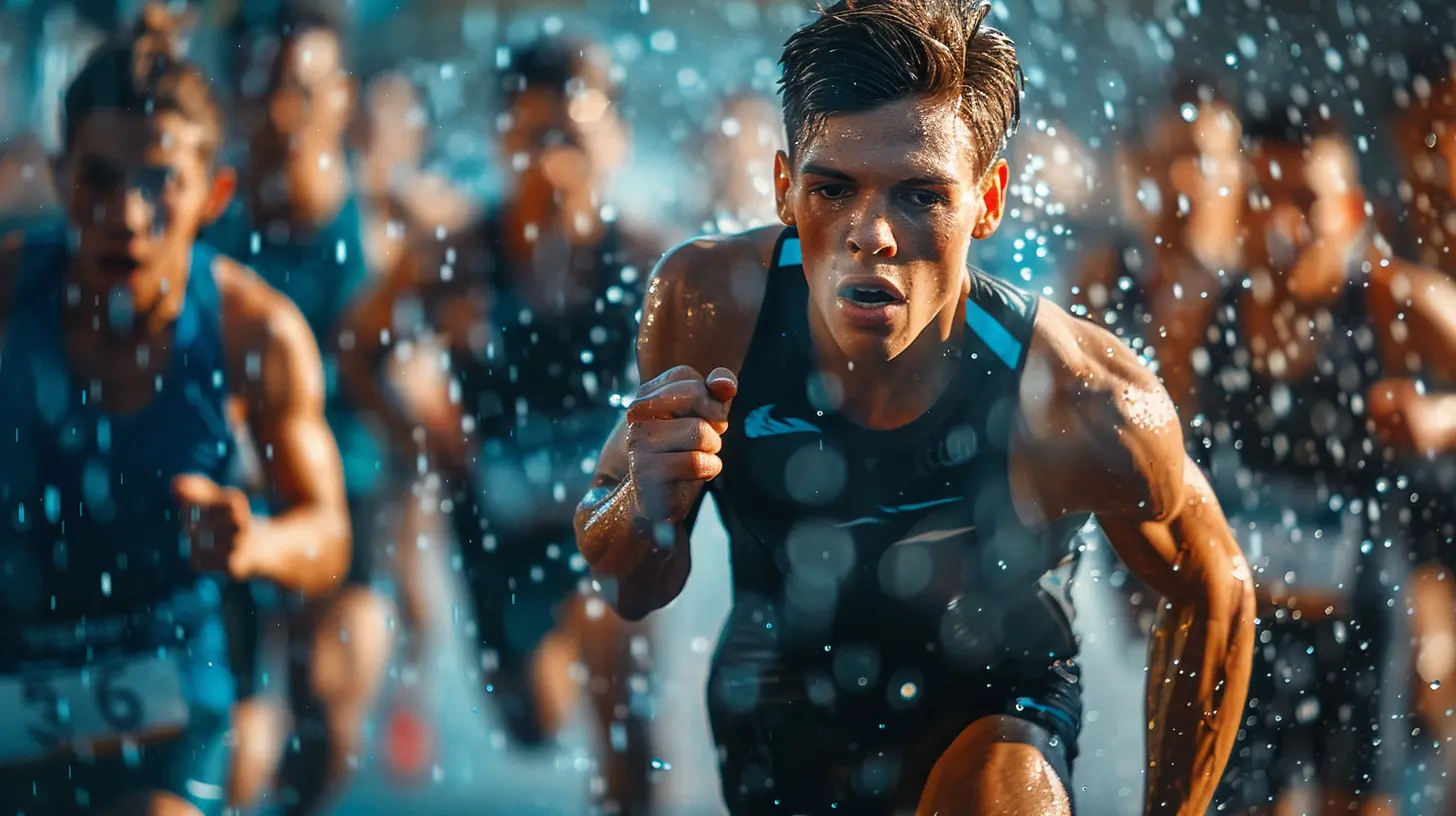
Why Hydration Is More Than Just “Drinking Water”
It’s not just about quenching thirst. Hydration is about keeping your body in balance — like oiling the gears of a machine. It affects your energy, endurance, recovery, mental clarity, and even your motivation.When you're properly hydrated, your muscles are fueled, your joints are cushioned, and your heart doesn't have to work as hard to pump blood. But when those water levels drop? Your body goes into panic mode, and everything starts to feel harder.
Ever felt sluggish during a workout and blamed it on a bad night's sleep or poor nutrition? Chances are, you were just a bit dehydrated.
The Science Behind Hydration and Performance
Let’s geek out for a second — in a fun way! Your body is made up of about 60% water. That’s more than half of you! Water helps regulate temperature, transport nutrients, and eliminate waste. In sports, it's a game-changer.How Dehydration Impacts You
Even mild dehydration (we’re talking 1-2% of your body weight) can mess with your performance. Here's what happens when you're running low on fluids:- Muscle fatigue sets in faster
- Your endurance tanks
- Focus and mental sharpness decrease
- Reaction time slows down
- Heart rate increases
- Risk of cramps and injuries goes up
That’s a lot, right? And the crazy part? You might not even feel thirsty when this starts happening.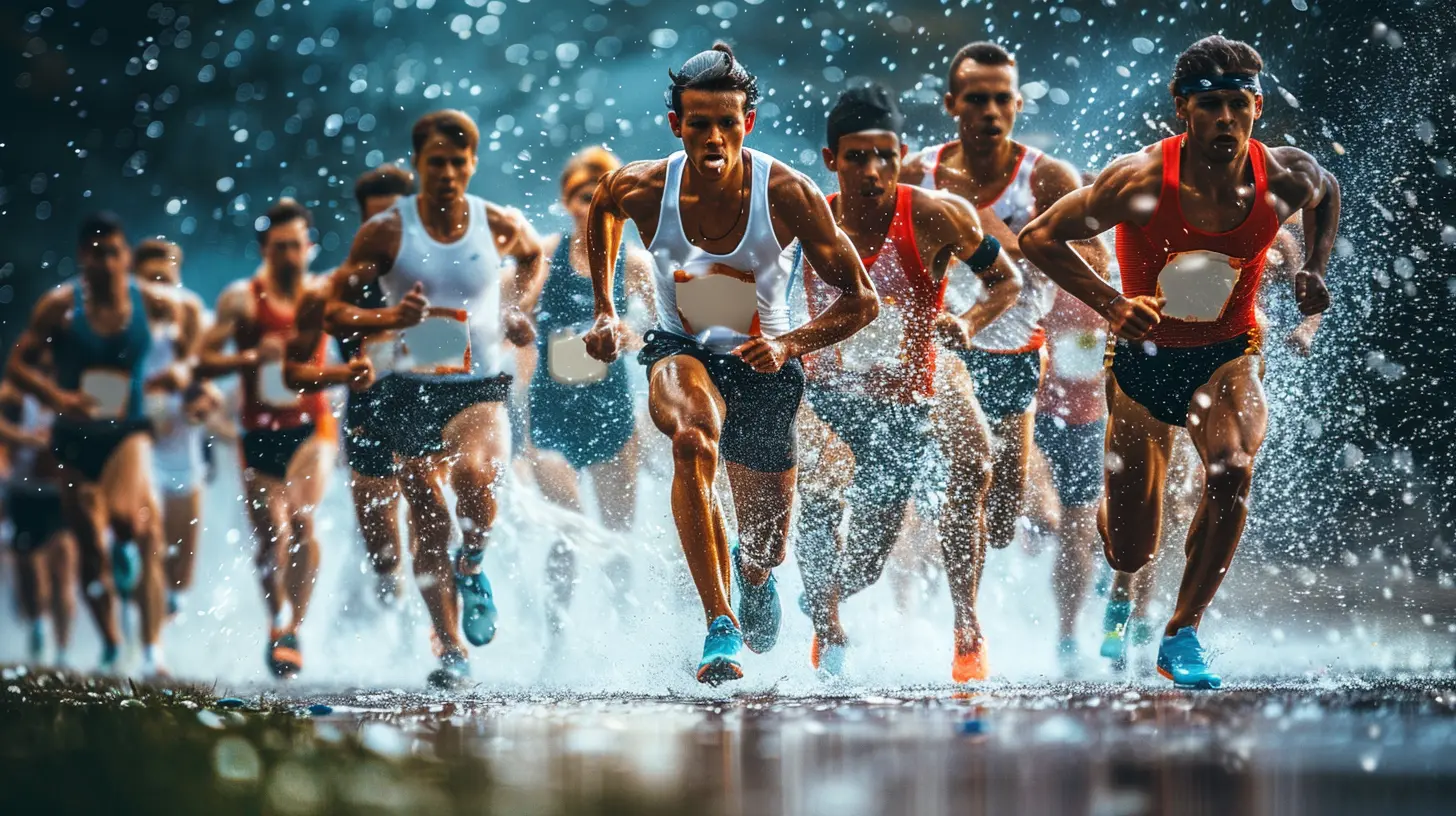
Hydration and Muscle Function: A Dynamic Duo
Muscles are around 75% water. That’s right — they’re practically swimming pools! So when you're dehydrated, your muscles can’t contract properly. That means reduced strength, slower recovery, and a higher chance of injury.Hydration also helps prevent muscle cramps. You've probably experienced those sudden, sharp cramps that halt your workout in its tracks. Often, that’s your body's way of screaming, “Give me water!”
Sweat: The Hydration Drain
Let’s talk about sweat. When you exercise, your body heats up, and it starts sweating to cool down — kind of like your car radiator. The issue? You're not just losing water. You're losing essential electrolytes like sodium, potassium, and magnesium too. These guys are critical for muscle function and nerve communication.Ignoring this loss is like trying to drive a car with no oil. You might get by for a while, but you're wearing down the engine.
Hydration Tip:
If you’re sweating buckets during a workout or training for long hours, plain water won’t cut it. Reach for an electrolyte-rich drink or add a pinch of salt to your water and pair it with potassium-rich foods like bananas.Signs You’re Dehydrated (and Might Not Even Know It)
Dehydration doesn’t always hit you like a ton of bricks. Sometimes, it's sneaky. Here are some subtle signs that you might need to hydrate:- Headaches
- Dry mouth or bad breath
- Fatigue or brain fog
- Dark-colored urine
- Dizziness or lightheadedness
- Muscle cramps
Don’t wait until you feel parched. By that point, your body is already playing catch-up.
How Much Water Do You Really Need?
This is the million-dollar question. There’s no one-size-fits-all answer because it depends on your body size, activity level, environment, and how much you sweat.A general rule of thumb? Aim for at least half your body weight in ounces of water daily. So if you’re 180 pounds, go for 90 ounces of water. If you’re sweating a lot, tack on extra.
But remember — more isn’t always better. Overhydrating (yes, it’s a thing) can dilute your electrolytes and mess you up just as badly.
Pre-, During-, and Post-Workout Hydration: Timing Matters
Hydration isn’t just about chugging water before a workout. To truly boost your performance, timing is everything.Before Your Workout:
- Drink 16-20 oz of water 2-3 hours beforehand.- Add an electrolyte mix if it’s going to be a long or intense session.
During Your Workout:
- Sip on 7-10 oz every 10-20 minutes.- If you're sweating heavily or going over an hour, grab a sports drink with electrolytes.
After Your Workout:
- Rehydrate with 20-24 oz for every pound lost during exercise.- Don’t rely solely on thirst — weigh yourself before and after workouts if you're serious about performance.
Boosting Performance Through Hydration: Real Talk
Let’s cut to the chase. Want to run faster, lift heavier, recover quicker, and reduce injuries? Keep your hydration game strong.Hydrated athletes:
- Perform at higher intensities
- Experience fewer cramps
- Stay sharper mentally
- Recover faster
- Reduce chances of heat-related illnesses
Think of hydration as the cheapest, most effective performance enhancer you’re not using enough.
Hydration and Mental Performance
We often associate hydration with physical performance, but your brain needs water just as badly. Dehydration can lead to poor concentration, slower reaction time, and mood swings.When you’re in the middle of a game or race, mental clarity is just as important as physical strength. One mistake, one missed signal, and it could all go sideways. Staying hydrated keeps your mind just as sharp as your body.
Electrolytes: The Secret Sauce of Hydration
Electrolytes are like the tiny messengers that keep your muscles and nerves talking to each other. When you sweat, you lose them — and water alone can't replace them.Key Electrolytes and Their Roles:
- Sodium: Maintains fluid balance- Potassium: Helps with nerve signals and muscle contractions
- Magnesium: Prevents cramps and supports energy production
- Calcium: Vital for muscle function
You can get these from natural sources like coconut water, bananas, leafy greens, or from smartly-formulated sports drinks.
Creating a Hydration Routine (That Actually Works)
Let’s be honest — most of us only remember to drink water when we’re already thirsty. That’s where routines come into play.Try this daily hydration habit:
- Morning: Start your day with 8-16 oz of water before coffee.- Throughout the Day: Keep a bottle near you and take sips often.
- Before Exercise: Drink at least 16 oz.
- During Exercise: Keep sipping, aim for a cup every 20 minutes.
- After Exercise: Rehydrate with water + electrolytes.
- Before Bed: Sip water, but not too much to disrupt sleep.
Set reminders, use apps, or carry a cool water bottle that makes drinking fun. Whatever works for you.
Don’t Rely on Thirst Alone
One of the biggest hydration myths? “I’ll drink when I’m thirsty.”By the time thirst kicks in, you’re already dehydrated. And as you age or train harder, your thirst mechanism gets less reliable.
Take hydration into your own hands. Be proactive, not reactive.
Hydration in Different Climates
Your environment makes a difference, too. Hot, humid weather increases sweat loss, and so does high altitude. Even dry, cold winter air can dehydrate you without you realizing it.Athletes training outdoors in extreme conditions need to dial in their hydration even more.
Final Thoughts: Hydration as a Lifestyle, Not a Chore
Hydration isn’t just a pre-game checklist item. It’s a lifestyle choice. And it’s one of the easiest — yet most powerful — ways to boost your physical and mental performance.When you stay hydrated:
- You feel energized
- You think more clearly
- You move better
- You recover faster
Think of water as your silent coach — always in your corner, ready to set you up for victory. So, next time you lace up your sneakers or hit the field, ask yourself — are you fueled by hydration?
Because sometimes, the edge you’re looking for isn’t in a supplement or a new training routine — it’s in your water bottle.
all images in this post were generated using AI tools
Category:
Amateur SportsAuthor:

Easton Simmons
Discussion
rate this article
1 comments
Nyxaris McLean
Stay hydrated and unleash your true performance potential!
July 3, 2026 at 11:52 AM
Easton Simmons
Absolutely! Staying hydrated is key to maximizing performance. Cheers to reaching our potential!