A Deep Dive into the Evolution of Olympic Sports
5 January 2026
The Olympic Games have always been more than just a global sporting event. They represent human perseverance, evolution, and the relentless pursuit of excellence. From ancient Greece to the modern-day spectacle, the Olympics have undergone a remarkable transformation. But have you ever wondered how Olympic sports have evolved over time?
Let’s take a deep dive into the fascinating journey of Olympic sports—from their humble beginnings to the grand spectacle we see today.
The Birth of the Olympics: A Glimpse into Ancient Greece
The Olympic Games originated in 776 BC in ancient Olympia, Greece. Back then, things were a bit different—no fancy stadiums, no global television coverage, and certainly no billion-dollar sponsorships. The event was a religious festival dedicated to Zeus, and only free Greek men were allowed to compete.The First Olympic Events
The early Olympic Games featured just a handful of events:- Stadion (a short sprint) – The very first and only event when the Olympics began.
- Pale (wrestling) – A brutal test of strength and skill.
- Pankration – A no-rules combat sport (a mix of wrestling and boxing).
- Chariot Racing – A thrilling event that was as dangerous as it was exciting.
- Pentathlon – A multi-discipline sport combining running, jumping, javelin, discus, and wrestling.
While these events may seem outdated by today’s standards, they laid the foundation for modern athletics.
The Fall and Revival of the Olympics
The ancient Olympics flourished for over a thousand years before being banned by the Roman Emperor Theodosius I in 393 AD. Why? He saw them as a pagan practice, and just like that, the greatest sporting spectacle of its time disappeared.Fast forward 1500 years—in steps Baron Pierre de Coubertin, a visionary who believed in reviving the spirit of the Olympics. In 1896, the first modern Olympic Games took place in Athens, Greece, featuring 241 athletes from 14 nations.
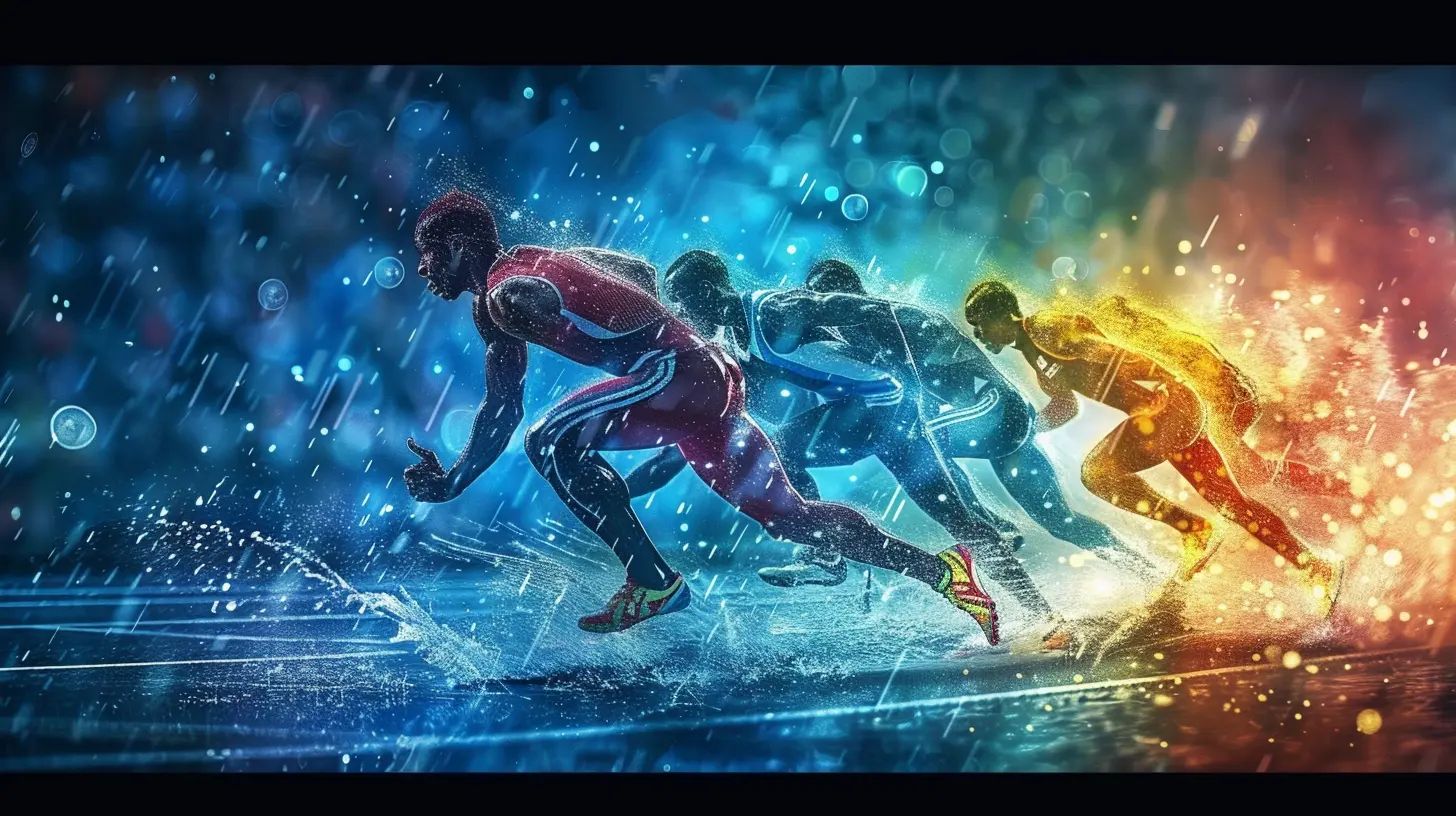
The Evolution of Olympic Sports
Since its revival, the Olympics have transformed beyond imagination. What started with only nine sports in 1896 has now expanded to over 30 disciplines in the Summer and Winter Games. Here’s how:1. The Introduction of New Sports
The Olympics have never been static. Over the decades, numerous new sports have been added. Some of the most notable include:- Basketball & Football (added in the early 1900s) – Today, these are two of the most-watched Olympic events.
- Swimming & Gymnastics – A staple in the Olympic tradition, gaining massive popularity.
- Extreme Sports – With the inclusion of Skateboarding, BMX, and Surfing, the Olympics are keeping up with modern trends.
The International Olympic Committee (IOC) constantly reviews and updates the list based on popularity, relevance, and global participation.
2. The Rise of Women in the Olympics
The early modern Olympics were a male-dominated affair. In 1900, women were allowed to compete for the first time—but only in a handful of events like tennis and golf.Fast forward to today, and women compete in nearly all events, with some sports (like gymnastics and figure skating) being more popular in the women’s category than the men’s. The Tokyo 2020 Olympics became the first Games with almost equal gender representation. Talk about progress!
3. Technology’s Influence on Sports
Technology has played a game-changing role in Olympic sports. From equipment advancements to athlete training, innovation has reshaped how sports are played and judged. Some groundbreaking advancements include:- Photo Finish Cameras – Ensuring accurate results in sprint races.
- VAR (Video Assistant Referee) & Hawk-Eye – Used in football, tennis, and many other sports to make fair decisions.
- Advanced Swimsuits & Running Shoes – Helping athletes shave off crucial milliseconds from their times.
It’s safe to say that without technology, sports wouldn’t be where they are today.
The Inclusion of the Paralympics
The Olympics aren’t just about able-bodied athletes. The Paralympics, which started in 1960, have given differently-abled athletes a global platform to showcase their incredible skills and determination.With innovations like prosthetic limbs, adaptive sports equipment, and improved accessibility, the Paralympics have grown significantly in scale and importance.
The Cultural and Political Impact of the Olympics
The Olympics have never been just about sports. They have served as a symbol of unity, peace, and progress. However, they’ve also seen their fair share of political drama.- 1936 Berlin Olympics – Used by Hitler as a propaganda tool but also a stage for Jesse Owens to dominate.
- 1980 & 1984 Olympics – Cold War tensions led to boycotts from the USA and the Soviet Union.
- 2021 Tokyo Olympics – Held during a global pandemic, showcasing the resilience of sports.
Despite these challenges, the Olympics continue to unite nations, proving that sports have the power to bring people together.
The Future of Olympic Sports
So, what’s next? The Olympics are always evolving, and the future looks exciting. Some expected trends include:- More Technology Integration – AI-driven training methods and enhanced athlete monitoring.
- E-Sports in the Olympics? – While controversial, competitive gaming (E-sports) is gradually making its way into mainstream sports discussions.
- Sustainability Focus – Future Olympics aim to be more environmentally friendly, using reusable stadiums and green energy solutions.
One thing's for sure—the Olympic Games will continue to evolve, just as they have for centuries.
Final Thoughts
The evolution of Olympic sports is nothing short of fascinating. From the dusty arenas of ancient Greece to the high-tech stadiums of today, the Games have transformed in ways no one could have imagined.But at its core, the Olympics remain a celebration of human potential, determination, and unity. Whether it's a sprinter chasing a world record, a gymnast defying gravity, or an underdog nation winning its first gold, the essence of the Olympics will always inspire.
So, as we look ahead to the next Olympic Games, let’s remember that the spirit of the Olympics isn’t just about winning—it’s about pushing the boundaries of what’s possible and inspiring generations to come.
all images in this post were generated using AI tools
Category:
OlympicsAuthor:

Easton Simmons
Discussion
rate this article
2 comments
Summer Duffy
This article masterfully traces the rich history and transformative journey of Olympic sports, highlighting key milestones, innovations, and the cultural impact of the Games, revealing how they continue to evolve and inspire global unity.
February 8, 2026 at 6:03 AM
Easton Simmons
Thank you for your thoughtful comment! I'm glad you enjoyed the exploration of Olympic sports and their impactful history.
Cadence O'Brien
Diving into the Olympic timeline feels like watching a two-headed turtle race a unicycle-riding snail! From chariot races to synchronized swimming, it's a wild ride of sweat and sequins. Who knew history could be this thrilling? Can’t wait for the sport where couch-surfing becomes an Olympic event! 🎉🥇
January 9, 2026 at 5:28 AM
Easton Simmons
Thanks for the entertaining comment! The evolution of Olympic sports truly is a fascinating journey—who knows what the future holds? Couch-surfing could be a contender! 🏅🏄♂️