The Clash of Styles That Delivered Pure Theater in 2027
15 October 2026
Great sporting contests rarely become memorable simply because the score was close. They become theater when two completely different ideas about how to win collide, and neither side is willing to abandon its identity. That is the story of the 2027 season, a year in which contrasting philosophies met on the biggest stages and produced drama that felt scripted even though every moment was real.
This article breaks down what actually happened, why the stylistic collisions worked so well, and what coaches, analysts, and fans can take from them. It is not a highlight reel recap. It is an examination of the tactical and psychological mechanisms behind the theater.
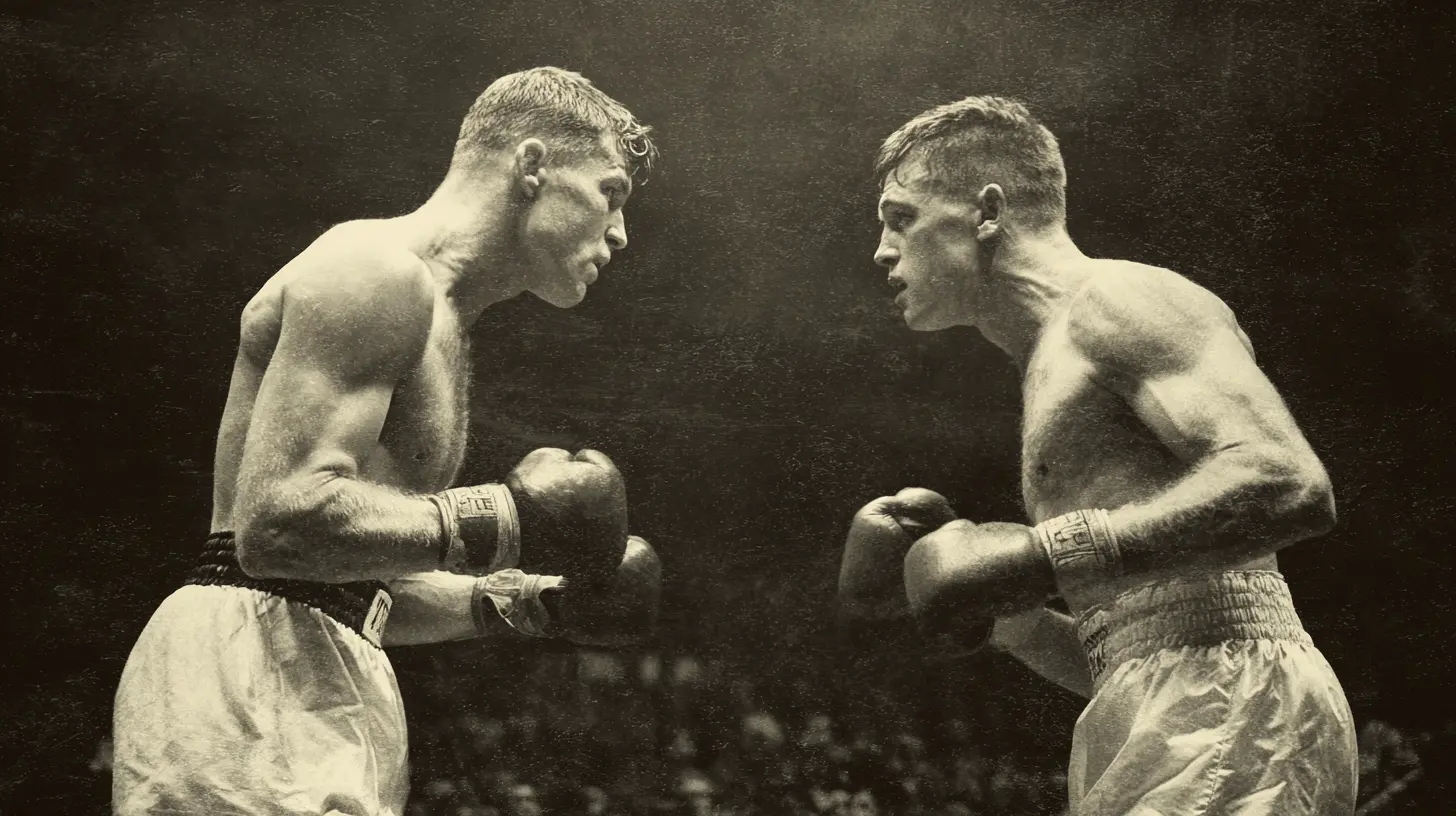
Why Style Clashes Create Drama
The psychology of contrast
When two teams play the same way, the game often becomes a chess match of small margins. When they play opposite ways, every possession becomes an argument. One side wants to slow the game, the other wants to sprint. One side trusts structure, the other trusts chaos. That tension is what keeps viewers leaning forward.There is a practical reason for this. Contrast creates visible cause and effect. A viewer can see, in real time, that a certain decision either validated a philosophy or exposed its weakness. That clarity is rare in sports, and it is why stylistic collisions tend to produce the most replayed moments.
The tactical trade-off nobody talks about
Every style carries a built-in vulnerability. A possession-heavy team controls the ball but risks being punished on the counter. A high-pressing team wins the ball high but risks being played through. A defensive, counter-attacking side stays compact but can be starved of the ball for long stretches.The 2027 clashes were compelling precisely because both sides accepted these trade-offs knowingly. Neither tried to become a hybrid version of the other. That stubbornness is what turned tactical decisions into narrative ones.
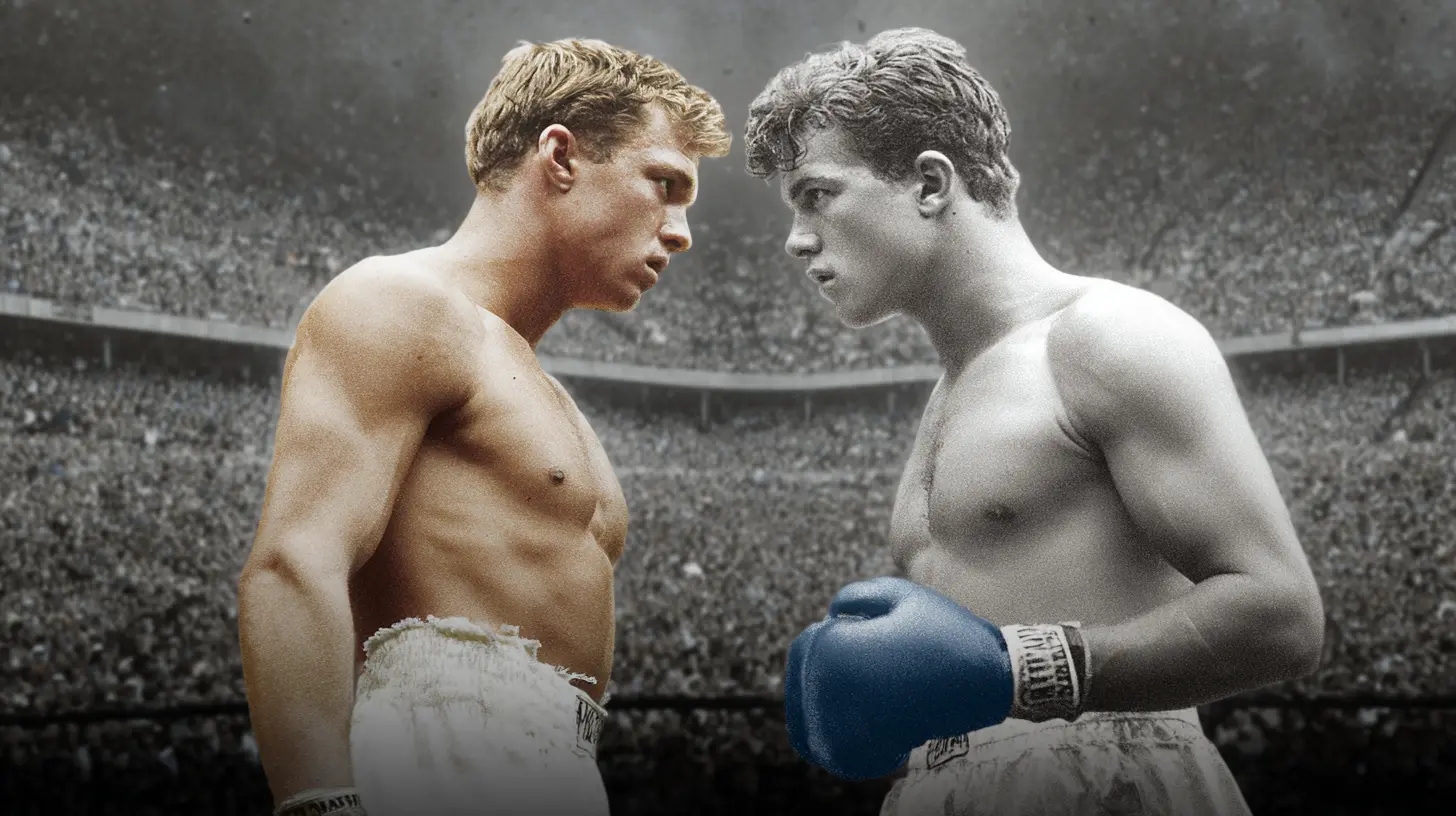
The 2027 Season in Context
What made this year different
The 2027 season stood out because the stylistic divide sharpened rather than blurred. In many recent years, top teams converged toward similar models: high pressing, positional play, and heavy data-driven structure. In 2027, several elite sides doubled down on distinct identities instead. Some chose control. Others chose verticality. A few chose pure disruption.That divergence was not accidental. It reflected a broader debate in coaching circles about whether modern sport rewards specialization or adaptability. The 2027 season became an unintentional experiment in that debate.
The teams and their identities
Without turning this into a roster list, the key point is that each contender represented a clear idea:- The control side: patient build-up, numerical superiority in midfield, low-risk passing, and a willingness to accept a 0-0 halftime score.
- The vertical side: fast transitions, direct passing, and a preference for attacking before the defense is set.
- The disruption side: aggressive pressing, physical duels, and a deliberate attempt to make the game ugly and unpredictable.
Each approach had a coherent logic. None was naive. That is what made the collisions meaningful rather than one-sided.
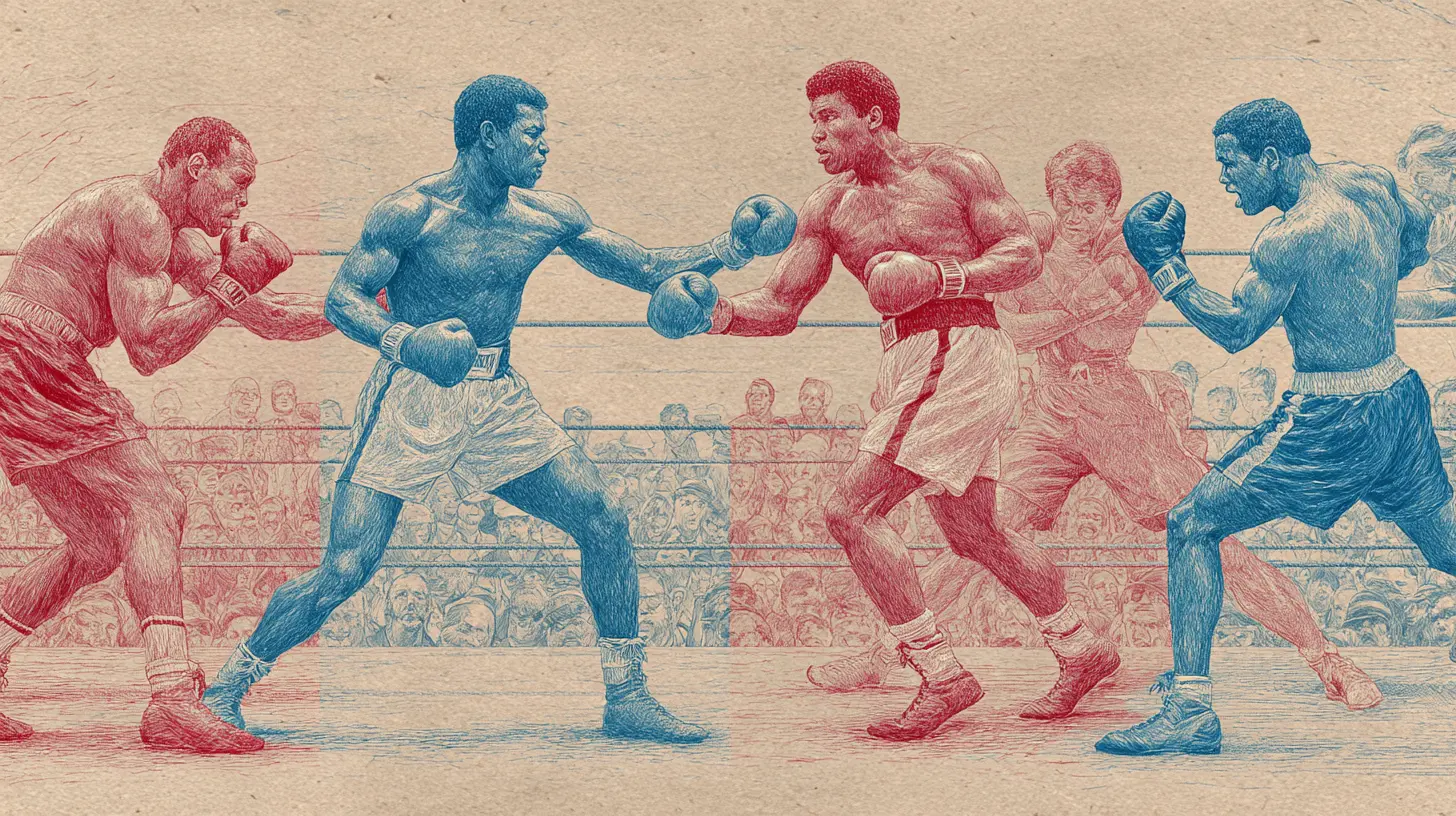
The Defining Matchups
The control versus chaos semifinal
This was the game that captured the season. The control side dominated possession, sometimes above 65 percent, and completed hundreds of passes. The disruption side barely strung together five-pass sequences. On paper, it looked like a mismatch.In practice, it was theater. The disruption side scored first from a turnover, then sat deep and invited pressure. The control side equalized through a set piece, then conceded again on a counter. The final twenty minutes became a sustained siege, with the control side camped in the opposition half and the disruption side defending with everything.
The lesson here is not that one style won. It is that both styles created conditions for drama. The control side's patience made the late goal feel inevitable. The disruption side's resilience made every clearance feel heroic. Neither element works without the other.
The vertical versus control final
The final pitted the vertical side against the control side. This was a cleaner contrast: speed against structure. The vertical side wanted the game played in transitions. The control side wanted it played in organized phases.What made this match fascinating was how each team tried to impose its tempo. The vertical side pressed early, hoping to force turnovers and score before the control side settled. The control side absorbed the pressure, slowed the game, and gradually imposed its rhythm. By the second half, the match had shifted into the control side's preferred tempo.
The vertical side still had chances, because that is the nature of its style. One accurate long ball can undo twenty minutes of control. That threat kept the match tense until the final whistle.
The disruption versus vertical quarterfinal
This was the most chaotic of the three. Two teams that both wanted to play fast, but for different reasons. The vertical side wanted speed to attack. The disruption side wanted speed to destroy. The result was a match with almost no midfield, endless turnovers, and a scoreline that swung back and forth.It was entertaining, but it also exposed a flaw. When neither side wants to control the ball, the game can become random. Randomness produces highlights, but it also produces mistakes. The team that won did so not because its style was superior, but because it made fewer unforced errors in the final fifteen minutes.
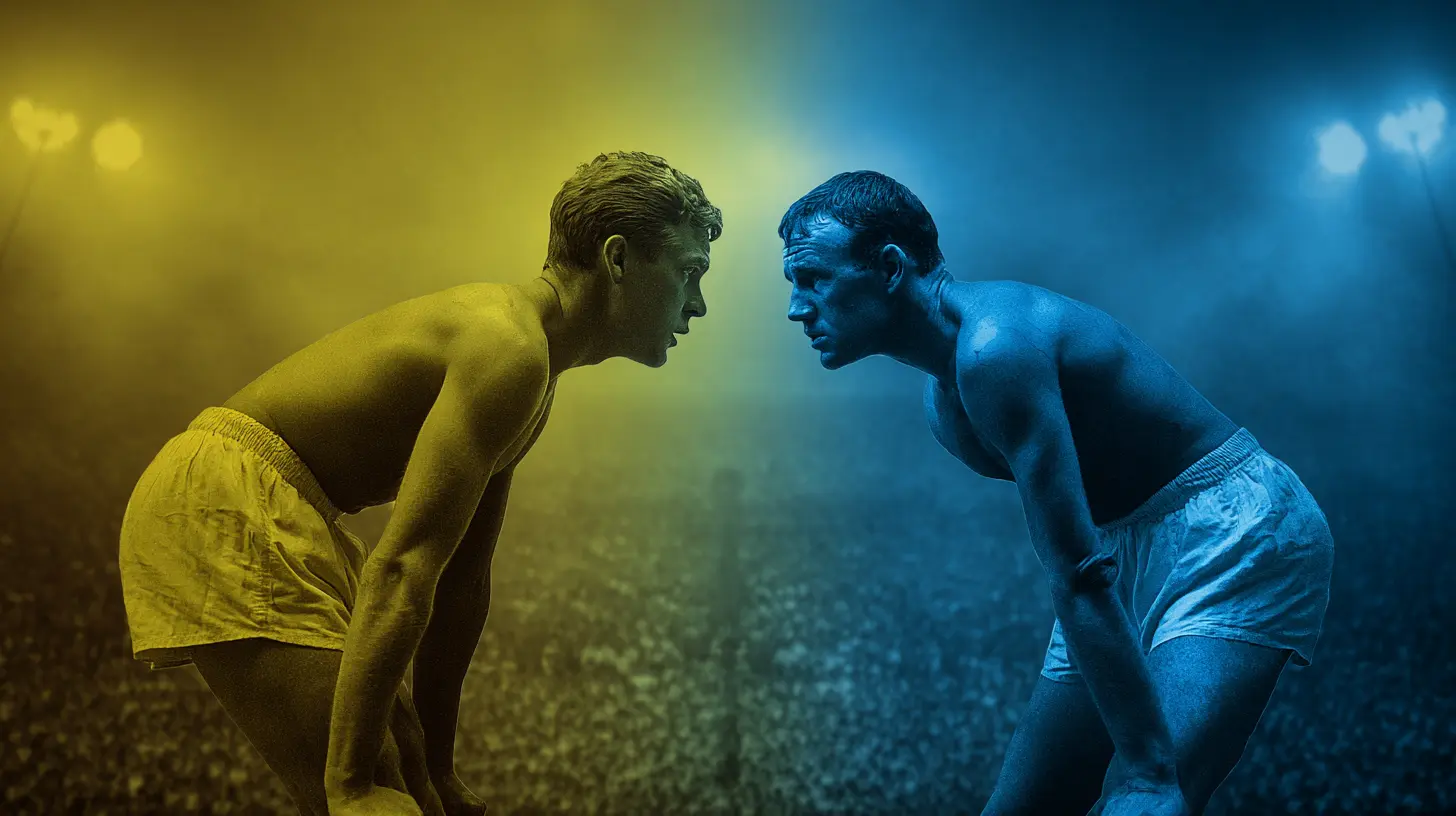
Why These Clashes Worked So Well
Clear identities reduce decision fatigue
When a team has a clear identity, its players make faster decisions. A control side knows when to pass backward. A vertical side knows when to play the killer ball. A disruption side knows when to press and when to foul.This clarity is a competitive advantage. It also makes the game easier for viewers to read. You do not need a tactical degree to understand that one team wants the ball and the other wants to take it away.
Contrast creates narrative
Sports are stories. A story needs conflict. Stylistic contrast provides conflict without requiring any external drama. The conflict is built into the game itself.That is why the 2027 clashes felt like theater. The narrative was not manufactured by media hype. It emerged from the tactical setup.
The role of execution
Style alone does not produce drama. Execution does. A control side that cannot pass under pressure will lose. A vertical side that cannot finish will waste its chances. A disruption side that cannot defend will get picked apart.In 2027, the top teams executed their styles at a high level. That is why the clashes were close. If one side had been sloppy, the theater would have collapsed into a routine win.
Common Mistakes When Analyzing Style Clashes
Mistaking style for quality
A common error is assuming that the more attractive style is the better one. Control football can be boring. Vertical football can be reckless. Disruption football can be cynical. None of these is inherently superior.The better question is: does the style fit the players available? A control system requires technically secure midfielders. A vertical system requires fast forwards and accurate long passers. A disruption system requires high stamina and disciplined aggression.
Ignoring game state
Styles do not operate in a vacuum. A team trailing 1-0 will abandon its identity if necessary. A team leading 2-0 will become more conservative. Analysts who ignore game state often misread which style is actually winning.Overvaluing possession
Possession is a means, not an end. A team can have 70 percent possession and lose 3-0. The 2027 clashes reinforced this repeatedly. The control side often had more of the ball, but the vertical and disruption sides had more dangerous chances.Underrating set pieces
Set pieces are the great equalizer. A control side that struggles to break down a low block can still score from a corner. A disruption side that cannot string passes together can still win a header from a free kick. Ignoring set pieces in stylistic analysis is a serious oversight.
Practical Takeaways for Coaches
Choose an identity and commit
The worst outcome is a team with no identity. A team that tries to control, press, and counter all at once usually does none of them well. Pick a primary style, build the roster around it, and accept the trade-offs.Build for the style, not against it
If you want to play vertical football, sign fast forwards and accurate long passers. If you want to press, sign players with high work rates. If you want to control, sign technically secure midfielders. Recruitment should follow philosophy, not the other way around.Prepare for the opposite style
Every team will eventually face a stylistic opponent. Prepare specific training sessions for those matchups. A control side should practice defending counters. A vertical side should practice breaking down a low block. A disruption side should practice keeping possession under pressure.Use data selectively
Data is useful, but it can mislead. Possession percentage, pass completion, and expected goals all tell different stories. Use data to confirm what you see, not to replace your eyes.Manage the emotional rhythm
Style clashes are emotionally draining. Players will feel frustrated when they cannot impose their game. Coaches should plan for this. Timeouts, substitutions, and tactical fouls can all be used to break the opponent's rhythm.Practical Takeaways for Analysts
Watch the first fifteen minutes closely
The opening phase usually reveals which team is imposing its style. If the control side is completing long sequences, it is winning the tempo battle. If the vertical side is forcing turnovers, it is winning the chaos battle.Track where turnovers happen
Turnovers in the defensive third are dangerous. Turnovers in the attacking third are opportunities. Tracking location, not just quantity, reveals which style is actually working.Look at the second balls
Style clashes often produce loose balls. The team that wins the second balls usually controls the game's rhythm. This is especially true in disruption versus vertical matchups.Note the substitutions
Substitutions often signal a stylistic shift. A control side bringing on a fast winger is a sign it wants to play more vertically. A disruption side bringing on a calm passer is a sign it wants to protect a lead.
Practical Takeaways for Fans
Watch the tactical battle, not just the ball
The most interesting part of a style clash is often away from the ball. Watch how defenders position themselves. Watch how midfielders scan. Watch how forwards press. That is where the game is decided.Expect frustration
Style clashes are rarely smooth. There will be misplaced passes, wasted chances, and long stretches without goals. That is normal. The drama often comes late.Respect both approaches
It is easy to dismiss a defensive team as negative or a possession team as boring. Both views miss the point. Each style exists because it can win. Respect the logic, even if you prefer a different aesthetic.What 2027 Taught Us About Modern Sport
Specialization still matters
The 2027 season showed that specialization can still win. Teams that committed fully to a style often outperformed teams that tried to be balanced. Balance sounds good in theory, but it can dilute identity.Adaptability is not the same as flexibility
Adaptability means adjusting within your style. Flexibility means abandoning your style entirely. The best teams in 2027 were adaptable, not flexible. They adjusted their approach without losing their identity.Theater requires stakes
Style clashes only become theater when something meaningful is on the line. A friendly between two contrasting teams is interesting. A knockout match between them is unforgettable. Context matters.The human element remains decisive
No system accounts for a missed penalty, a red card, or a moment of individual brilliance. The 2027 clashes reminded us that tactics set the stage, but players write the ending.
Looking Ahead
The stylistic divide is unlikely to disappear. If anything, it may deepen as teams realize that a clear identity is a competitive advantage. That means more clashes, more contrast, and more theater.For coaches, the lesson is simple: commit to a style, prepare for its weaknesses, and trust your players to execute. For analysts, the lesson is to look beyond possession and scorelines. For fans, the lesson is to appreciate the argument, not just the outcome.
The 2027 season delivered pure theater because it delivered a genuine clash of ideas. That is rare. It is also why we keep watching.
all images in this post were generated using AI tools
Category:
Historic MatchesAuthor:

Easton Simmons