The Role of Visualization in Swimming Performance
21 January 2026
Okay, let’s get one thing straight—swimming is hard. Like, really hard. You’re flailing in water, holding your breath, trying not to look like a panicked seal while also powering through 100 meters like a majestic dolphin. Now, what if I told you that you could get better at all that... by just closing your eyes and thinking about it?
No, this isn’t some Jedi mind trick. We’re talking about visualization—a powerful mental training technique Olympic swimmers swear by. Yep, imagining yourself swimming could actually help you swim faster, stronger, and with more confidence. Sounds like wishful thinking? Stick around.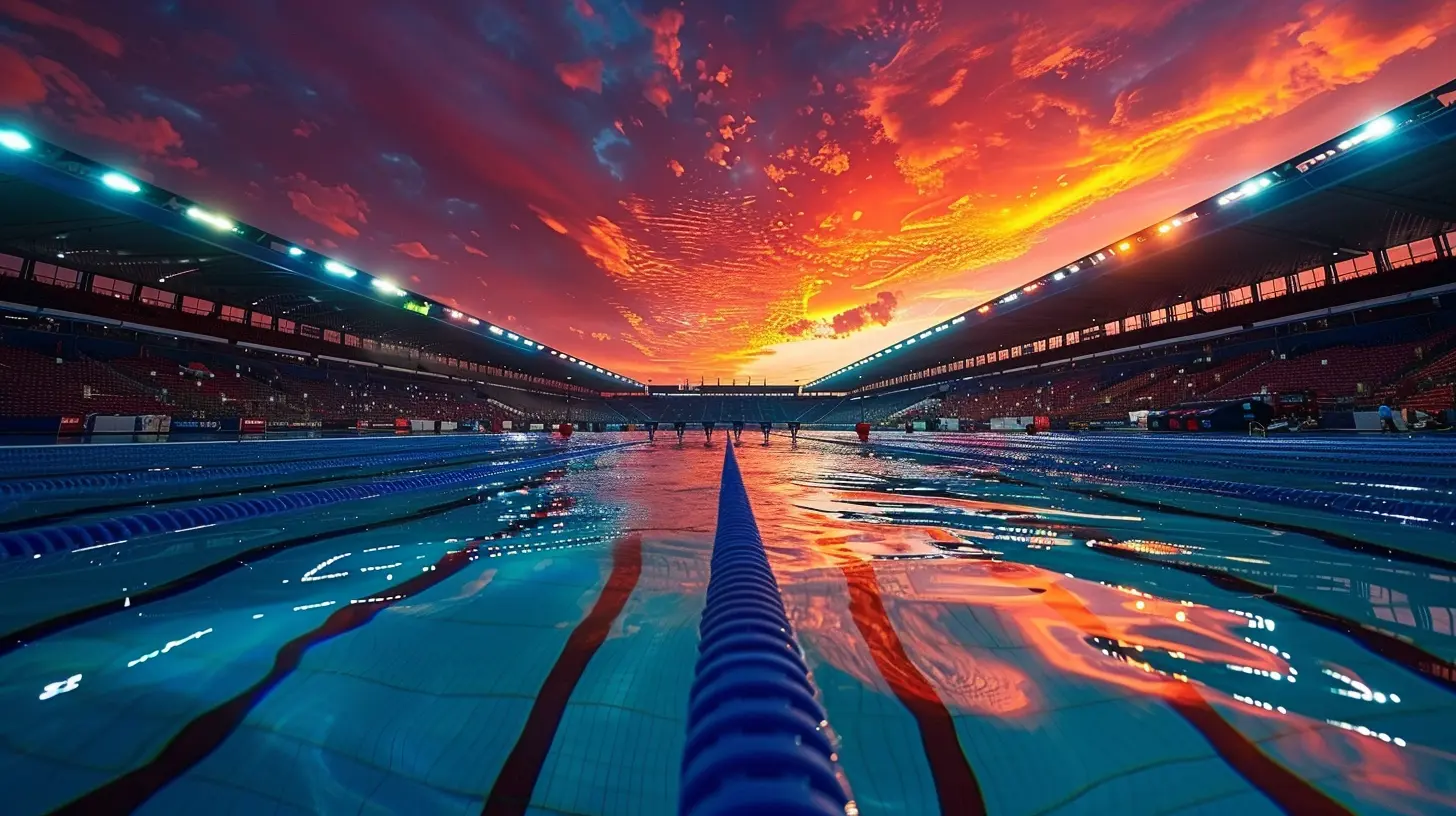
What The Heck Is Visualization Anyway?
In plain ol’ English, visualization is the practice of mentally rehearsing a task before actually doing it. Swimmers picture themselves gliding through the water, nailing every stroke, flip turn, and breath with the grace of Poseidon himself.It's like Netflix for the brain—but instead of binge-watching a whole season of “Underwater Ninja Warriors,” you're streaming YOU winning that gold medal over and over again. And here's the kicker: your brain can’t tell the difference between a vividly imagined experience and a real one. Woah, right?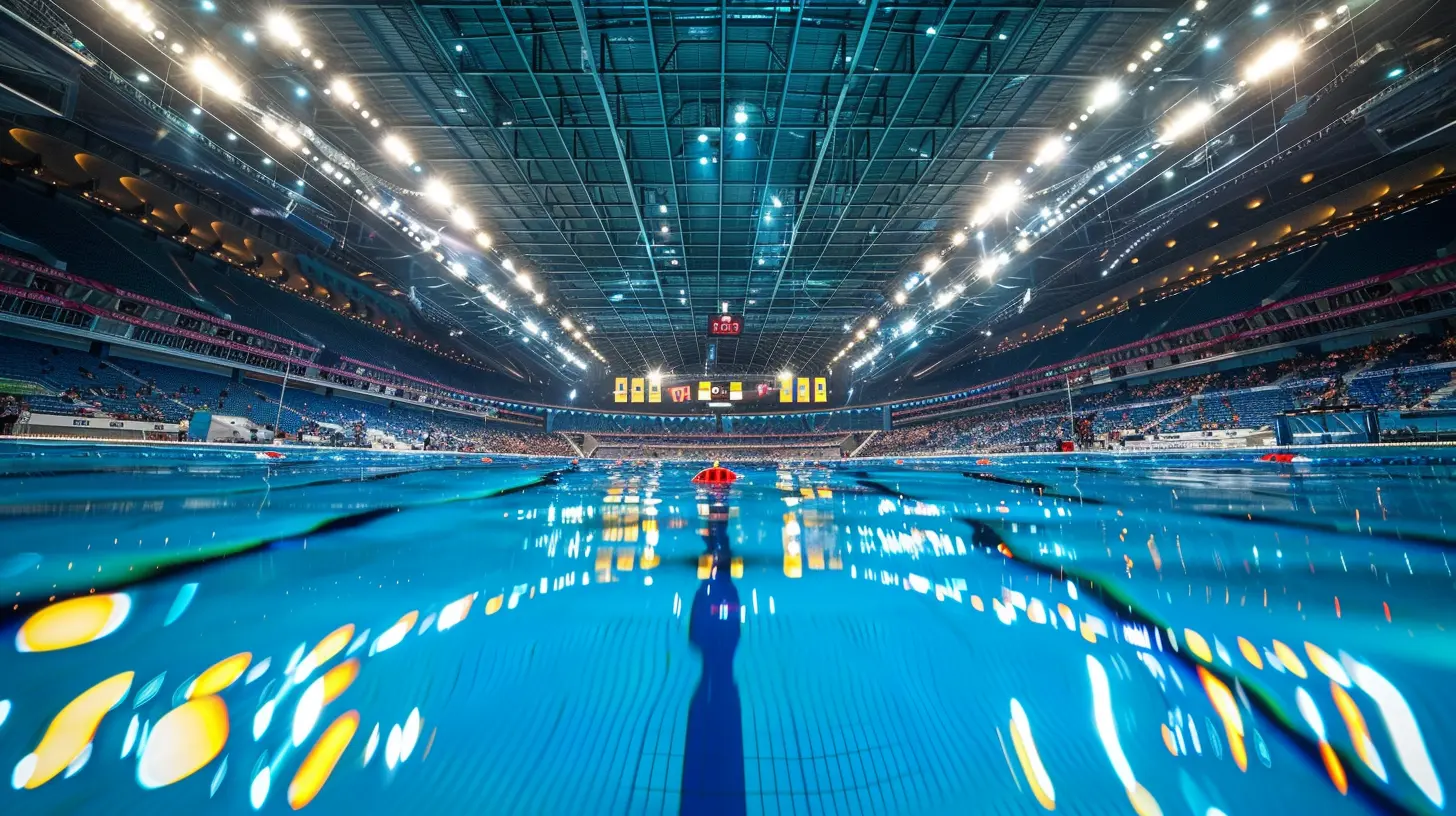
Why Visualization Isn’t Just For Hippies and Yoda
Let’s squash that myth right now—visualization isn’t just some woo-woo nonsense you'd find in a fortune cookie. It’s backed by cold, hard science. Studies show that mental imagery can activate the same neural pathways as physical practice. So when you're visualizing a swim, your brain is building muscle memory—even if your butt's still on the couch eating Doritos.Basically, you're training your body without even dipping a toe in the pool. It’s the dream.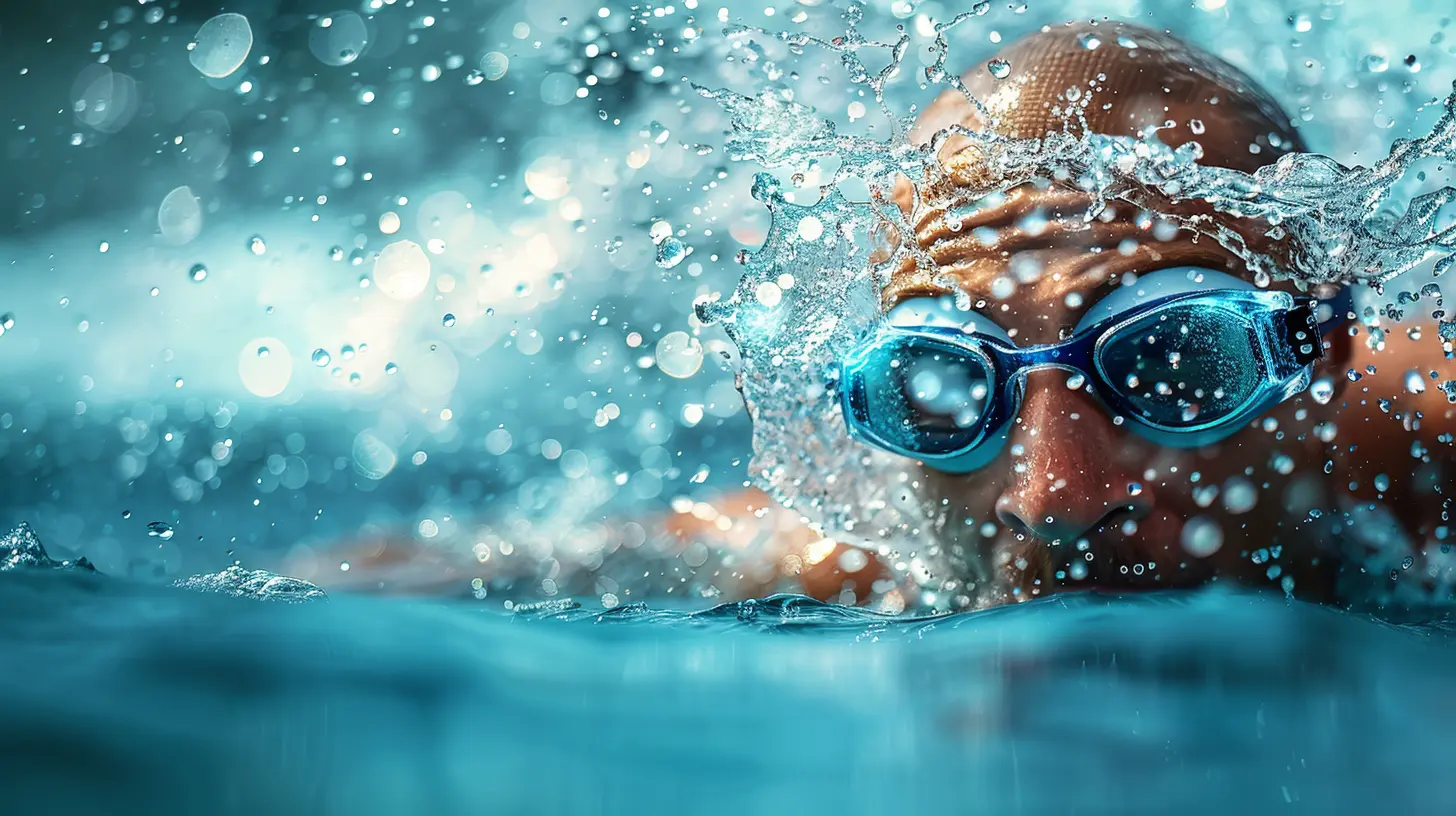
The Brain-Body Connection: More Than Just A Buzzword
When swimmers visualize, they engage parts of the brain responsible for movement, coordination, and timing—areas like the motor cortex and cerebellum for all you science buffs.Think of it like this: your brain is the coach, and your muscles are the team. Visualization is your coach running drills in their head so the team knows exactly what to do once the whistle blows. Practice doesn’t make perfect—perfect practice makes perfect. Visualization helps make that possible.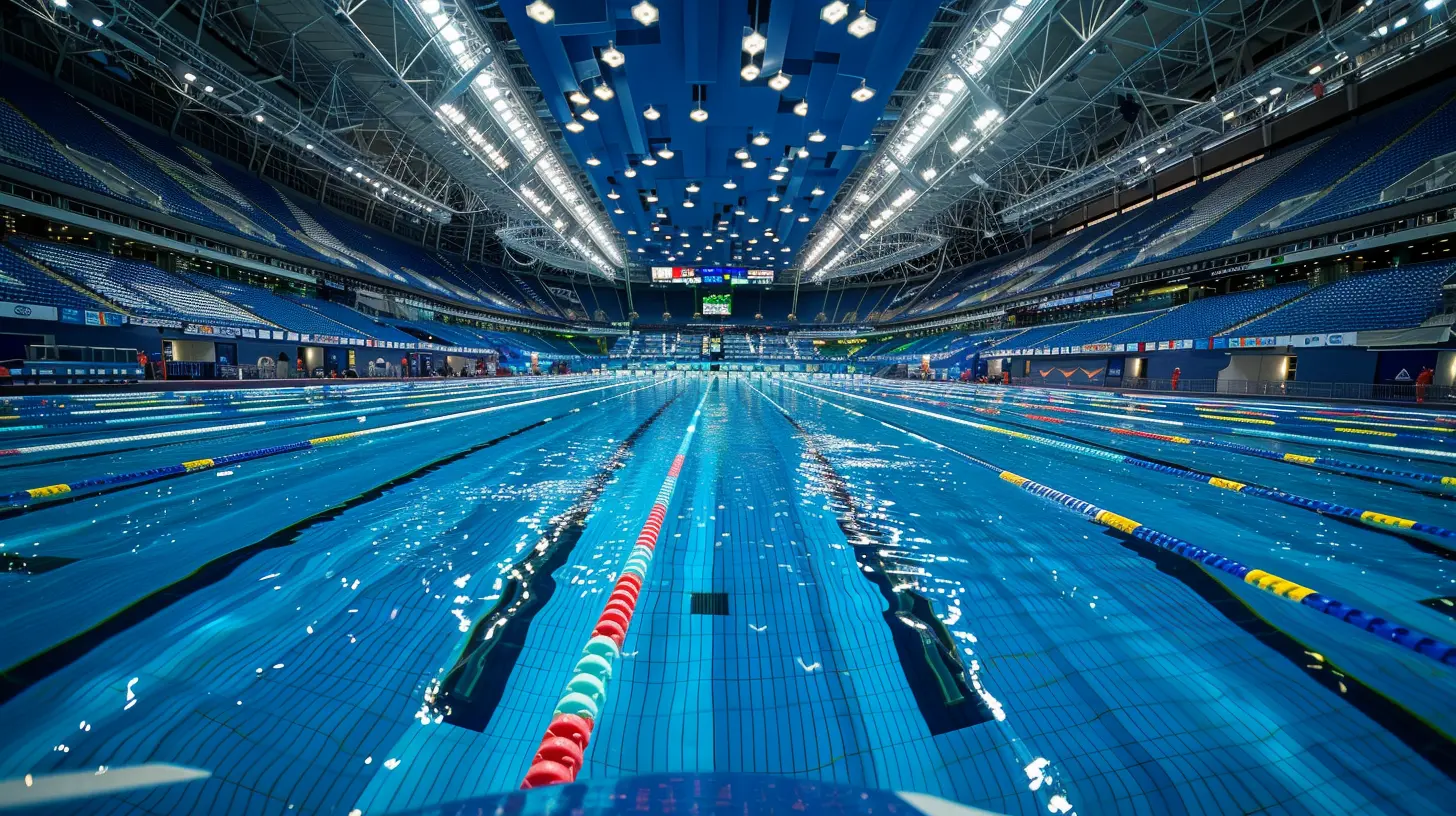
Types of Visualization Swimmers Use
Let’s dive (pun 100% intended) into the different types of visualization techniques swimmers use to crush their goals:1. First-Person Visualization
This is like watching the GoPro footage of your swim—but from your own eyes. You see the water in front of you, feel the tension in your muscles, hear the splash of the strokes. It’s immersive, real, and incredibly effective.Perfect for: Getting your race-day nerves in check and building muscle memory.
2. Third-Person Visualization
This is the out-of-body experience. You see yourself swimming from an outside perspective, much like watching a video of your performance. It’s great for spotting technique flaws and tweaking your form.Perfect for: Technical assessments and refining stroke mechanics.
3. Scenario Visualization
Picture yourself in the final lap of a race. Your lungs are screaming. Your arms feel like cooked spaghetti. But you visualize pushing through, ignoring the pain, touching the wall, and hearing the roar of the crowd (or, you know, your mom yelling enthusiastically). This type is all about mental toughness.Perfect for: Mental prep, stress management, and race anxiety.
The Secret Sauce: How Visualization Boosts Performance
Alright, enough theory. Let's talk about the juicy stuff—how exactly does this mental movie-making help you become a better swimmer?🧠 1. Builds Confidence Like a Boss
When you visualize yourself succeeding over and over, something magical happens—you start to believe you can actually do it. Your brain rewires itself to associate swimming with success, not failure. Call it confidence on demand.🕶️ 2. Reduces Pre-Race Jitters
Nervous before a big race? Who isn’t?! Visualization gives your brain a sense of déjà vu. You feel like you’ve already been there, done that. So when the real moment hits, your mind’s cool, calm, and collected—like it's just another Tuesday.🧱 3. Reinforces Technique and Muscle Memory
Ever tried fixing your stroke by watching endless videos but still not nailing it in the water? Visualization helps bridge that gap. When you visualize proper form, your brain remembers it. Over time, your body follows suit. Practice it right in your head, then execute it right in the pool.🌪️ 4. Preps You for the “What-Ifs”
What if your goggles fill with water mid-race? What if you miss a turn? Visualization can help prepare for scenarios that could throw you off. Mentally rehearsing how you'd handle curveballs builds resilience—and resilience wins races.Okay, But How Do I Actually Visualize?
So now you’re thinking, “Cool, I’ll just close my eyes and think about swimming, right?” Well… sorta. But great visualization is more than daydreaming. Here’s how to do it like a pro:✨ Step 1: Find Your Zen
You can’t exactly visualize greatness while someone’s vacuuming next to you or your cat is knocking things off the shelf. Find a quiet place, sit comfortably, and take a few deep breaths. Basically, channel your inner monk (Speedo optional).🎬 Step 2: Create a Mental Movie
Visualize the entire swim—from stepping onto the block to touching the wall at the end. Make it as detailed as possible. What does the water feel like? What does the start horn sound like? Can you hear your coach yelling? The more senses involved, the better.🧘♂️ Step 3: Feel the Emotions
This one’s powerful. Don’t just think through the race—feel it. The nerves. The adrenaline. The triumph. When you visualize the emotional highs (and even lows), you’re mentally rehearsing how to handle them in real life.🔁 Step 4: Rewind and Repeat
Like any skill, visualization gets better the more you do it. Make it a habit—before practice, after workouts, or as part of your bedtime routine. Consistency is key, folks.But... Does Visualization Work for Everyone?
Short answer? Almost everyone. Long answer? Some folks may be more "visual" learners than others, but with a little patience (and some imagination exercises), almost anyone can improve their visualization game.If you’re someone who struggles to "see" images in your head (you know who you are), start with simple things—imagine a red apple, then a pool, then you diving in. Work your way up to full scenes. Trust me, your brain’s just warming up.
Visualization vs. Physical Training: The Dynamic Duo
Let’s make something clear—visualization doesn't replace getting in the water. You're not going to win Olympic gold with couch-only workouts and mental reps. (Nice try though.) But when used alongside physical training? It’s like peanut butter meeting jelly—complete magic.Think of visualization as cross-training... for your brain. You've already got dryland workouts for your core and legs, now it’s time for some "thinkland" workouts for the mind.
Visualization in Action: Stories from the Fast Lane
Some of the greatest swimmers in the world are huge advocates of visualization.- Michael Phelps practiced visualization so religiously, he said he’s swum the perfect race “a thousand times” in his head before ever diving in.
- Katie Ledecky uses mental imagery to prepare her body and mind for the grueling distances she covers.
- Heck, even non-swimmers like tennis players and gymnasts swear by it.
If it's good enough for the GOATs, it's good enough for us mere mortals.
How Coaches Can Help Swimmers Visualize
Coaches, you’re not off the hook here! One of the best ways to help swimmers master visualization is guided imagery sessions. Build it into practice. Do team visualization before big meets. Talk your athletes through races. Pair it with breathing exercises for bonus zen points. 🧘♀️Visualization: Not Just For The Elite
You don’t need to be an Olympic hopeful to benefit. Whether you're trying to shave a second off your 50m freestyle or just survive your first triathlon without looking like a drowning giraffe, visualization can help. It’s free, it requires zero equipment, and you can do it anywhere—even in the grocery line. Win-win-win.Final Lap: Why You Should Start Visualizing Today
Swimming is as mental as it is physical. You can spend hours perfecting your butterfly, but if your head’s not in the game, you’re not going anywhere fast. Visualization is like a secret weapon hiding in plain sight. It’s simple. It's effective. And it's literally all in your head.So the next time you’re gearing up for a big race or just trying to survive swim practice without swallowing half the pool, close your eyes and picture success. Your brain’s a powerful tool—use it.
But hey, if all this sounds a little hokey to you, give it a shot anyway. Worst case, you’ve taken a five-minute mental vacation. Best case? You're the next Michael Phelps.
Swimming might be tough, but your mind’s tougher.
all images in this post were generated using AI tools
Category:
SwimmingAuthor:

Easton Simmons
Discussion
rate this article
2 comments
Indie McAdoo
See it, achieve it!
February 18, 2026 at 4:59 AM
Easton Simmons
Absolutely! Visualization is a powerful tool that can significantly enhance focus and boost performance in swimming.
Ian Burton
Visualization in swimming is crucial for peak performance. It helps athletes mentally rehearse race scenarios, enhancing focus and confidence. By envisioning their strokes and turns, swimmers can truly bridge the gap between training and competition.
January 22, 2026 at 1:12 PM
Easton Simmons
I completely agree. Visualization is a powerful tool for swimmers, allowing them to mentally prepare and refine their technique before stepping onto the starting block. It really can make a difference in performance.