Surprising Standouts from 2026 Rookie Camps
19 September 2026
Every year, rookie camps produce a handful of names that nobody circled in April. The draft gets the headlines, undrafted free agent signings get a paragraph, and then the pads come on and the picture changes. The 2026 cycle has been no different. What follows is not a recap of first round picks meeting expectations. It is a closer look at the players who arrived with little fanfare and left with coaching staffs quietly rearranging their depth charts.
The through line across these standouts is not raw talent alone. Plenty of talented rookies fade in camp. The players who stick tend to share three traits: they learn fast, they fit a specific role the team actually needs, and they show up in the moments that get evaluated hardest, which are rarely the highlight plays. Understanding that pattern matters more than any single name, because it tells you how to read camp reports without getting fooled.
Why Rookie Camp Standouts Get Overlooked
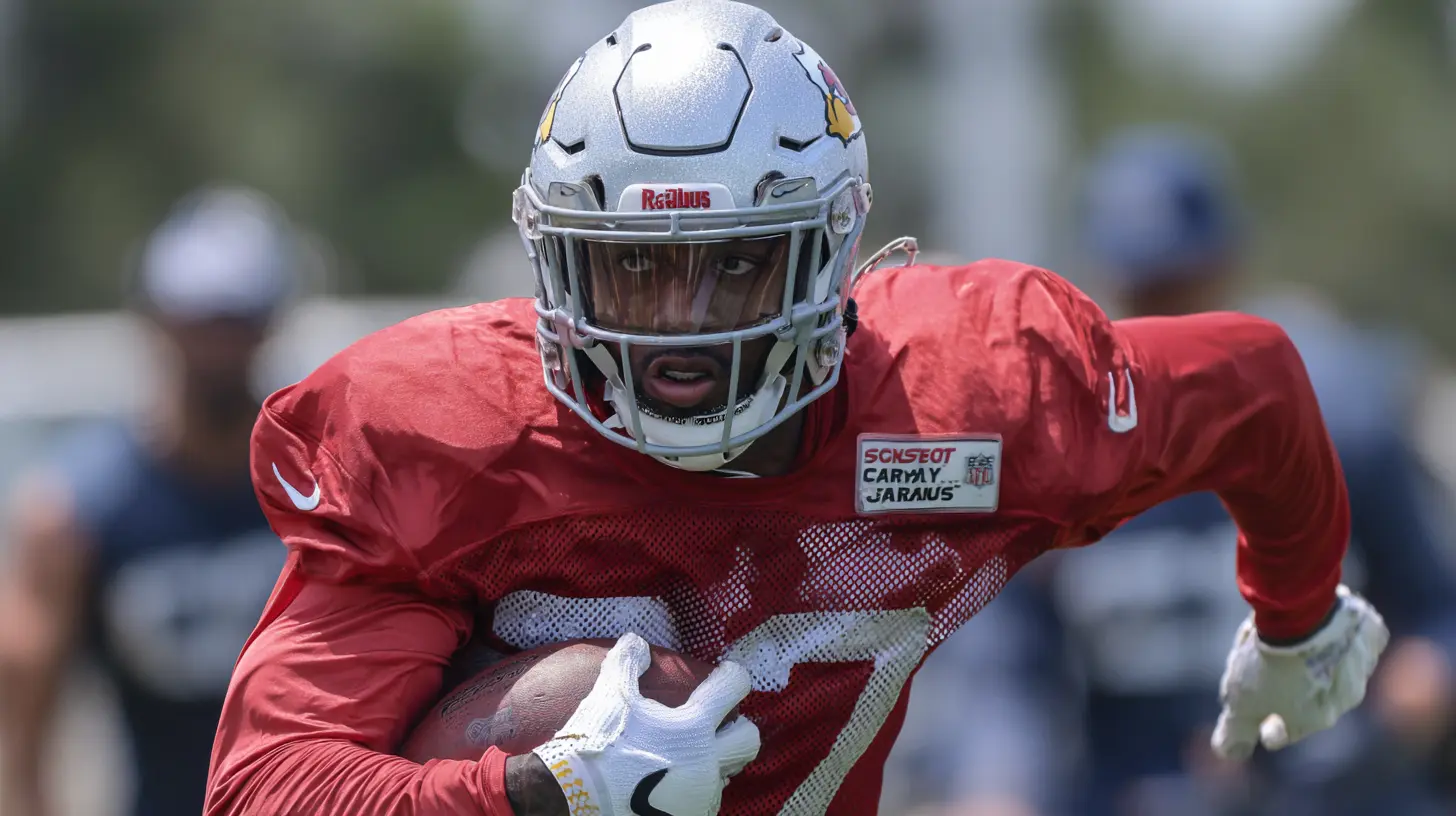
Before getting into specific players, it helps to understand why the market and the media miss these guys in the first place.Rookie camp happens in a compressed window. Teams are installing scheme, evaluating bodies, and managing reps for players they already know will make the roster. The result is that certain prospects get buried. A seventh round receiver on a team with four established pass catchers may get ten meaningful reps a day. An undrafted linebacker on a thin depth chart may get thirty. Volume alone creates opportunity, and opportunity creates the box scores and practice reports that shape perception.
There is also a positional bias. Skill position players generate highlights that travel. Interior offensive linemen, linebackers, safeties, and special teams contributors generate almost nothing that shows up in a highlight reel, yet those are frequently the roles where rookies earn early trust. A guard who never gets beaten in one on ones is invisible on social media and extremely visible to the offensive line coach.
Finally, there is the scheme fit question. A player can be genuinely good and still look lost in the wrong system. When a rookie lands in a scheme that matches his college strengths, he can outperform a more highly drafted player who landed in a system that asks him to do things he has never done. This is one of the most underrated variables in the entire evaluation process, and it explains a large share of the surprises every summer.
The Traits That Actually Predict a Rookie Camp Breakout
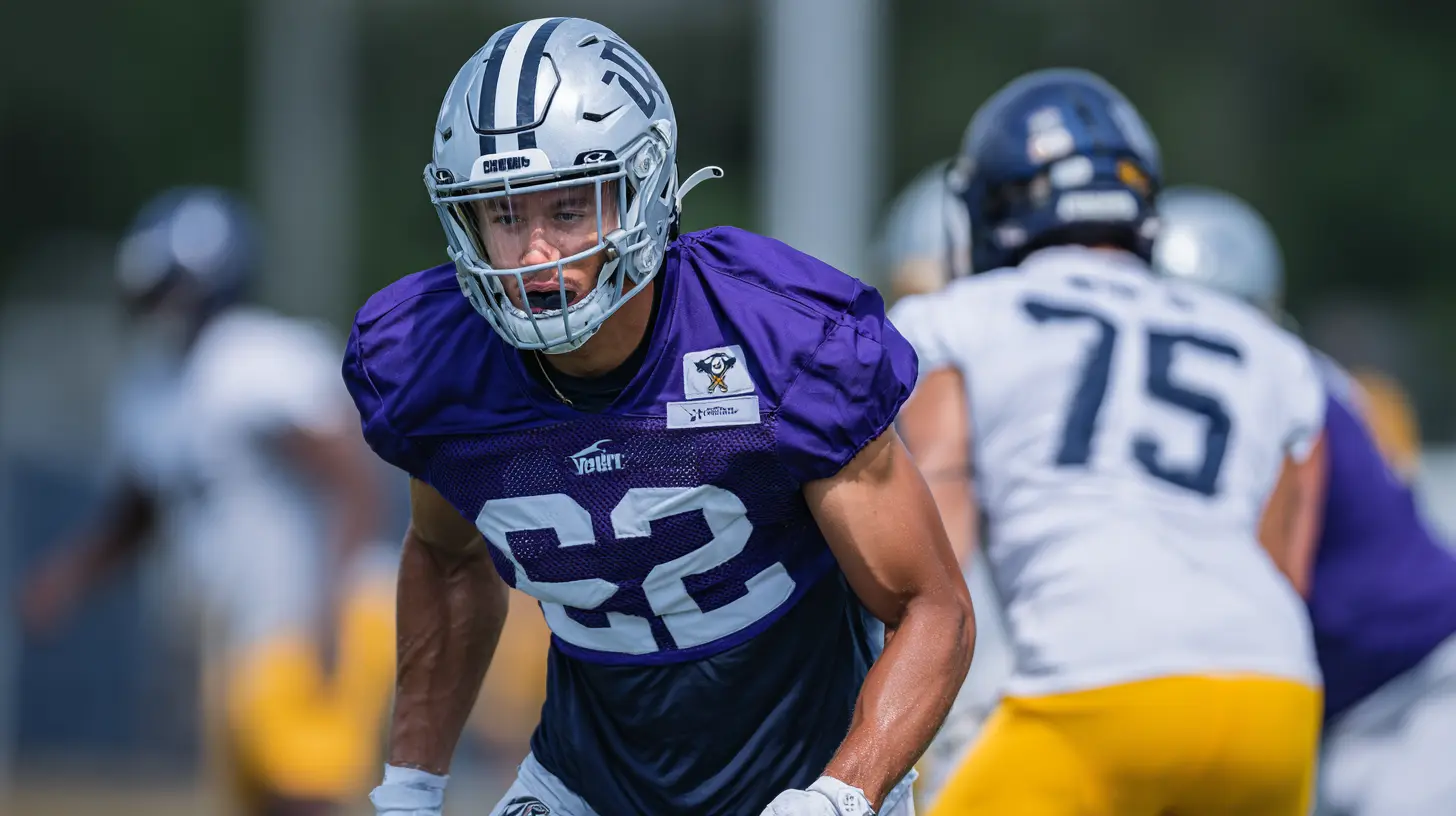
If you want to spot the next surprise before it becomes obvious, stop watching the highlight plays and start watching for these.Processing speed over athletic testing
A 4.4 forty is useful. Knowing where to be on play two of a two minute drill is more useful. Coaches consistently reward players who do not repeat mistakes. The rookie who gets corrected on Tuesday and executes correctly on Wednesday builds trust faster than the rookie who makes one spectacular play and then blows an assignment.Role clarity
The rookies who break out usually have a defined path. Maybe it is gunner on punt coverage. Maybe it is the third down back. Maybe it is a rotational pass rusher on obvious throwing downs. When a player knows exactly what he is competing for, he can master a narrow job instead of being mediocre at a broad one.Physical readiness
College strength programs vary enormously. A rookie who arrives with functional NFL strength, particularly in the lower body and core, tends to survive the transition. This is why you often see small school linemen and linebackers surprise people. They may have trained in less glamorous settings, but they arrive ready for contact.Durability and availability
The best ability is availability, and it is not a cliche. A rookie who practices every day gets more reps, more coaching, and more chances to climb. A rookie who tweaks a hamstring in week one of camp loses the window entirely.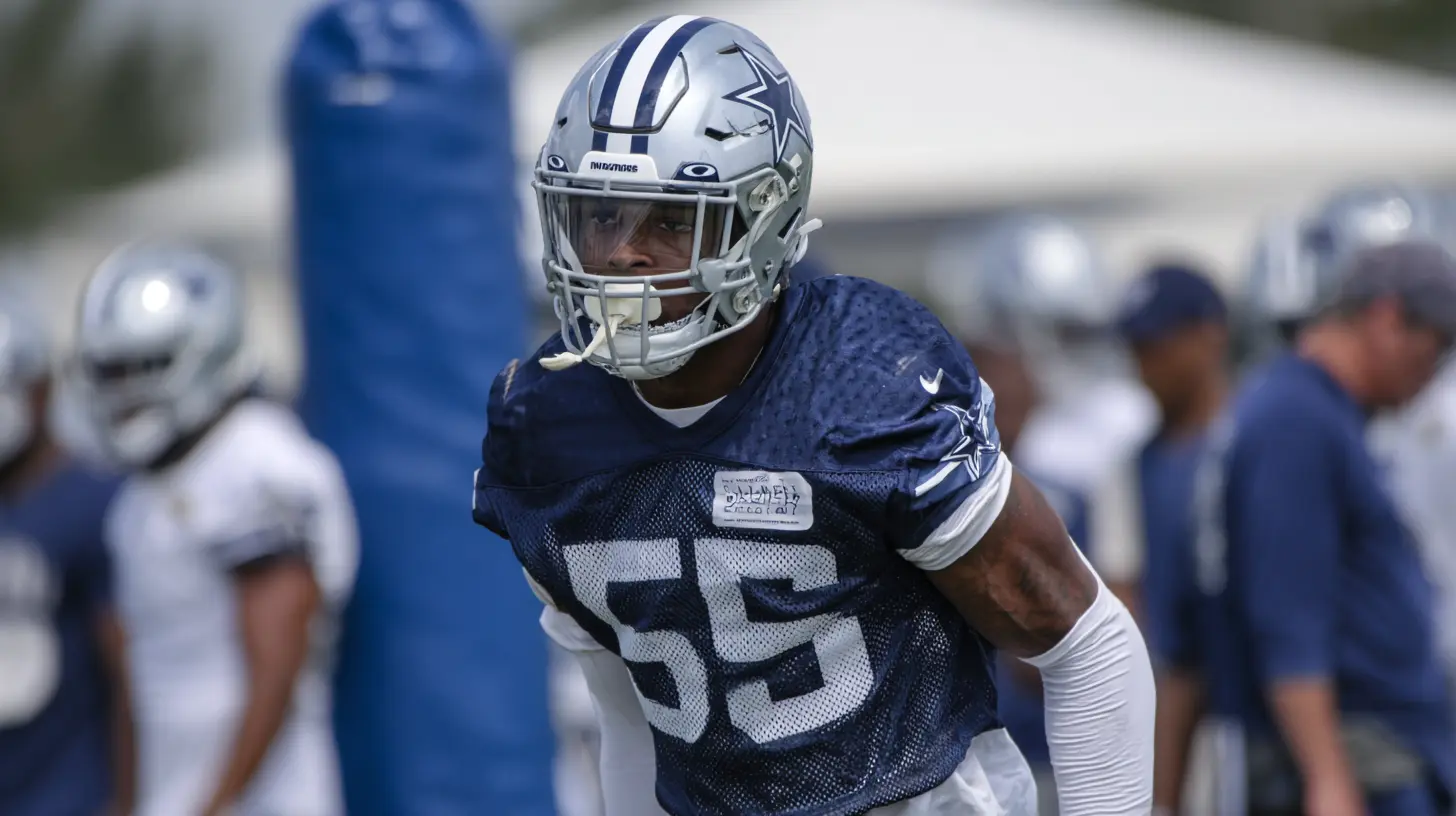
Surprising Standouts by Position Group
The names below reflect the types of players generating internal buzz in the 2026 camp cycle. Where a specific detail cannot be verified confidently, it is framed as a pattern or possibility rather than a hard claim.Offensive Line
Interior offensive line is the most reliable place to find a camp surprise, because the evaluation is nearly pure technique and the learning curve is steep but navigable.The archetype that keeps showing up is the small school guard or center with heavy starting experience and wrestling background. Wrestling matters more than people realize. Balance, hand fighting, and leverage are directly transferable, and wrestlers tend to understand body positioning in a way that takes other players years to develop.
What makes these players stand out in camp is not dominance. It is the absence of catastrophic losses. A rookie guard who gives up one pressure in a full team period is quietly having a great day. The offensive line coach notices because the alternative is a rookie who gives up three.
There is a trade-off to consider. A technically sound rookie lineman may be ready for a rotational role early but may lack the anchor strength to hold up against elite power rushers for a full game. The best practice is usually to limit his snaps to specific situations, such as when the team is in obvious passing downs and needs clean protection, and expand his role as his body adapts. Throwing him into sixty snaps in week one is how promising rookies get exposed and lose confidence.
Linebacker
Linebacker is the second most common position for camp surprises, largely because the modern game asks linebackers to do so many different things that a specialist can carve out a role immediately.The standout profile here is often a converted safety or a player from a smaller program who tested well but lacked size for a power conference. In camp, these players show up in coverage. They run with tight ends. They close on checkdowns. They make tackles in space, which is the single most important skill for a modern off ball linebacker.
Why this works: NFL defenses increasingly live in nickel and dime personnel, which means the third linebacker is often a coverage player rather than a thumper. A rookie who can cover is more valuable than a rookie who can only stop the run, even if the latter is bigger and stronger.
Common mistake: assuming a rookie linebacker's tackle numbers in camp scrimmages mean he is ready to start. Scrimmage tackles are often unblocked or clean up plays. The real evaluation is whether he can diagnose a play action pass and get to the right spot in coverage. Ask about that, not the tackle count.
Wide Receiver and Tight End
Wide receiver surprises are the most visible and the most overhyped. A rookie receiver can look spectacular in a non contact drill and then struggle when press coverage arrives.The 2026 standouts in this group tend to share a specific trait: they win at the line of scrimmage. Release technique, hand usage, and route stems are the difference between a camp flash and a roster spot. A receiver who can consistently beat press without needing a free release will earn snaps even if he is not the fastest player on the field.
Tight end is a different story. The rookie tight ends who surprise are almost always blockers first. The position has become so pass heavy in college that many prospects arrive without any real inline blocking experience. A rookie who can hold up against an NFL edge defender on run downs gives his coordinator something he cannot find elsewhere. The receiving production can come later.
Practical advice for evaluating these players: ignore the one handed catch in individual drills. Watch the reps where the receiver is jammed at the line and has to fight through it. That is the rep that decides whether he plays in September.
Defensive Back
Cornerback and safety surprises usually fall into one of two categories.The first is the long, press capable corner from a program that played a lot of man coverage. These players arrive with technique that translates immediately. They may get beaten deep occasionally, but they compete on every rep, and coaches love that.
The second is the safety with linebacker instincts. Modern defenses want a third safety who can play in the box, cover tight ends, and blitz. A rookie safety who can do all three, even at an average level, becomes a chess piece for a creative coordinator.
The trap here is overvaluing interceptions in camp. Many camp picks come from tipped balls or poor throws by third string quarterbacks. The better indicator is whether the rookie is consistently in phase with receivers, meaning he is running with them rather than chasing them.
Running Back and Special Teams
Running back is the position where camp surprises most often turn into real roles, because the position has a short learning curve and an immediate special teams pathway.The standout profile is a back with return experience and reliable pass protection. Pass protection is the silent killer for rookie running backs. A back who cannot pick up a blitz will not see the field no matter how explosive he is. A back who can identify and stop a blitzing linebacker will earn snaps in week one.
Special teams deserves its own mention. For undrafted rookies, special teams is not a bonus. It is the job. The players who make the 53 man roster as undrafted free agents are almost always core special teams contributors. If you are tracking a long shot rookie, check whether he is running with the first team punt coverage unit. That is the clearest signal a coach trusts him.
How to Evaluate Camp Reports Without Getting Fooled
Camp reporting is noisy. Here is a practical framework for separating signal from noise.First, weight reps over results. A player getting first team reps in a competitive period is a stronger signal than a player making a splash play against third stringers.
Second, weight consistency over peaks. One great practice means little. Three consecutive solid practices means something.
Third, weight coach behavior over media commentary. If a coordinator starts designing packages for a rookie, that is real. If a reporter says a rookie "looked good," that is not.
Fourth, weight position scarcity. A rookie standing out at a position with no depth is less impressive than a rookie standing out at a loaded position. Context matters.
Fifth, and most importantly, weight the mental side. Ask whether the player is making calls, adjusting protections, or communicating in the huddle. Those responsibilities go only to players the staff trusts.
Trade-offs Teams Face with Camp Standouts
There is a real tension between rewarding a camp standout and protecting long term development.If you promote a rookie too quickly, you risk exposing him before he is ready, which can damage confidence and stunt growth. If you hold him back too long, you risk losing him to another team's practice squad or wasting a cheap contract year.
The best practice is usually a graduated role. Start with special teams. Add a situational package. Expand to a rotational role. Only then consider a starting job. This sequence gives the player a chance to succeed at each level before the next challenge arrives.
Another trade-off involves scheme. A rookie who excels in a narrow role may tempt a coordinator to expand his responsibilities too fast. The disciplined approach is to keep him in the role he has mastered and add responsibilities only when he has demonstrated mastery of the current ones.
Common Misconceptions About Rookie Camp
Misconception one: camp standouts are always the most talented players. Not true. They are often the most ready players. Talent and readiness are different things, and readiness wins camp battles.Misconception two: an undrafted rookie who stands out will definitely make the roster. Not guaranteed. Roster math, positional needs, and contract guarantees all play a role. A standout may still land on the practice squad.
Misconception three: a quiet camp means a rookie is a bust. Also not true. Some players need a full season to develop. A quiet camp is a data point, not a verdict.
Misconception four: camp performance translates directly to regular season performance. It correlates, but it does not guarantee. The speed and complexity of real games is a different challenge.
What to Watch Next
As the 2026 preseason unfolds, keep an eye on three things.Watch the snap counts in the first preseason game. Coaches reveal their trust through playing time. A rookie who plays with the second team in the first half is ahead of schedule.
Watch the special teams units. Core special teams roles are the clearest sign a rookie has earned a roster spot.
Watch the injury report. Availability remains the most underrated predictor of rookie success. A player who practices every day will eventually get his chance.
The rookies who surprise in camp are rarely the most hyped. They are the ones who understood their role, mastered the details, and stayed on the field. That formula has not changed, and it will not change. If you want to spot the next surprise before everyone else does, stop watching the highlights and start watching the reps that nobody talks about.
all images in this post were generated using AI tools
Category:
Preseason AnalysisAuthor:

Easton Simmons