Supporting Student-Athletes with Learning Disabilities
23 November 2026
Supporting student-athletes with learning disabilities is a complex yet crucial endeavor that requires a nuanced understanding of both educational and athletic frameworks. These athletes face unique challenges that can impact their academic performance, athletic potential, and overall well-being. In this article, we will delve into the various aspects of supporting these individuals, providing practical advice, real-world examples, and best practices to create an inclusive environment where they can thrive.
Understanding Learning Disabilities
What Are Learning Disabilities?
Learning disabilities are neurological conditions that affect the way individuals process information. They can impact skills such as reading, writing, mathematics, and organizational abilities. Common types of learning disabilities include dyslexia, dyscalculia, and Attention Deficit Hyperactivity Disorder (ADHD). Each of these can present unique challenges in both the classroom and on the field.The Impact on Student-Athletes
For student-athletes, balancing academics and sports is already a demanding task. Those with learning disabilities may struggle even more due to their specific challenges. For instance, a student with dyslexia might find it difficult to read playbooks or understand written instructions from coaches. On the other hand, a student with ADHD may have trouble focusing during lectures but excel on the field during practice. Understanding how these disabilities manifest is the first step in providing effective support.
Creating an Inclusive Environment
Importance of Awareness
Awareness is the cornerstone of inclusivity. Coaches, teachers, and peers should be educated about learning disabilities to foster a supportive environment. This education can range from formal training sessions to informal discussions about the challenges faced by these athletes.Building a Support Team
Creating a support team is crucial for student-athletes with learning disabilities. This team can include:- Academic Advisors: They can help tailor academic plans that accommodate the athlete's learning needs.
- Coaches: Coaches should be trained to recognize and support the specific challenges these athletes face.
- Peer Mentors: Pairing student-athletes with mentors can provide emotional support and practical advice.
Communication is Key
Open lines of communication are vital. Student-athletes should feel comfortable discussing their needs and challenges with coaches and teachers. Encouraging self-advocacy is equally important. When these athletes can articulate their needs, they are more likely to receive the support they require.
Tailoring Academic Support
Individualized Education Plans (IEPs)
One of the most effective ways to support students with learning disabilities is through Individualized Education Plans (IEPs). These plans outline specific accommodations that can help level the playing field. For example, an athlete might need extra time on tests or access to audio versions of textbooks.Accommodations in Academic Settings
In addition to IEPs, various accommodations can help student-athletes succeed academically:- Flexible Scheduling: Allowing students to adjust their class schedules to accommodate practices or games.
- Use of Technology: Tools such as speech-to-text software or audiobooks can be incredibly beneficial.
- Note-taking Assistance: Providing a note-taker or allowing the use of recording devices can ease the burden of information retention.
Academic Accountability
It is essential to create a culture of academic accountability among student-athletes. This means setting realistic expectations and regularly checking in on their academic progress. Coaches should work closely with academic advisors to ensure that student-athletes understand their responsibilities and are equipped to meet them.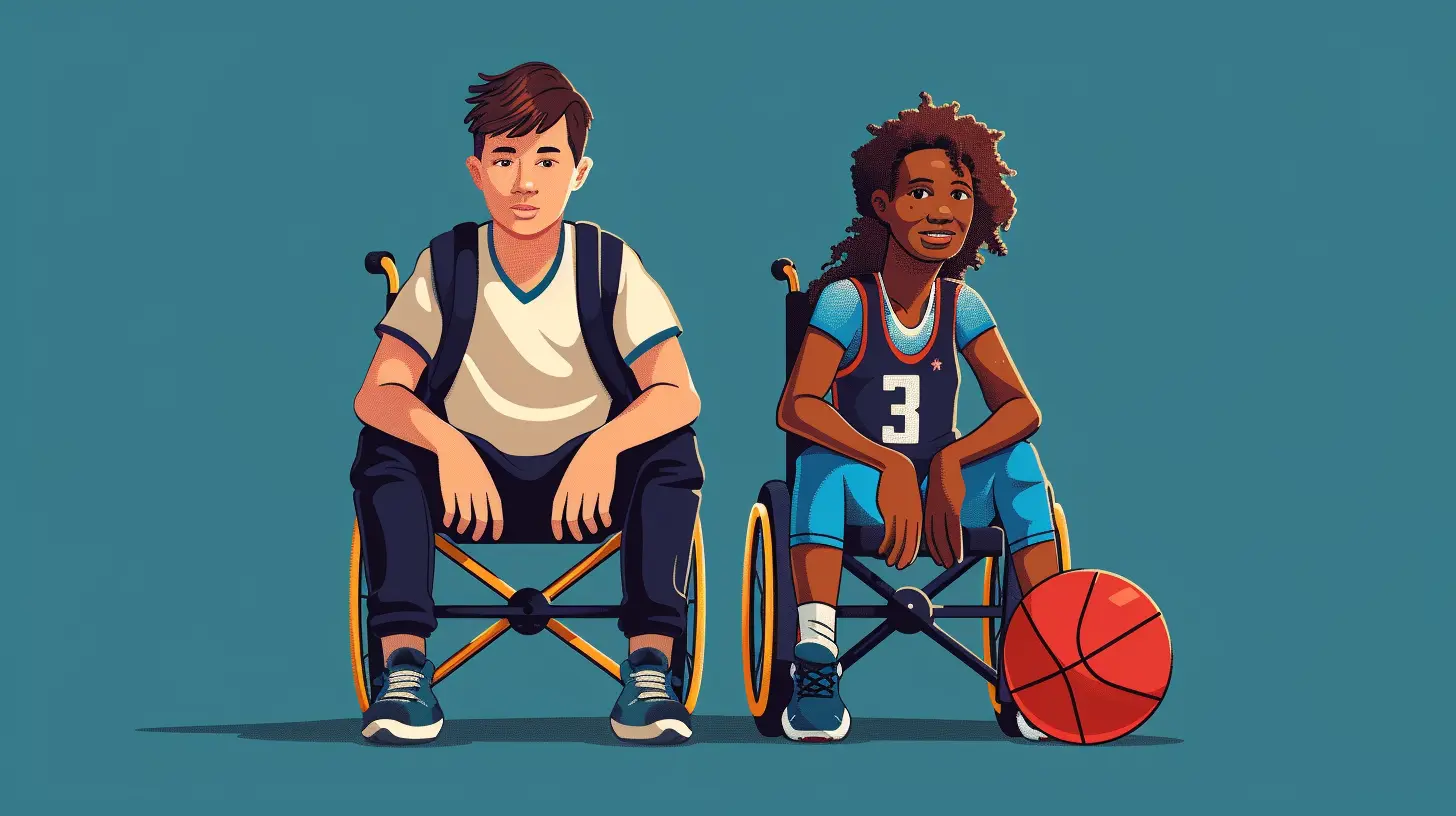
Athletic Support Strategies
Coaching Techniques
Coaches play a pivotal role in the development of student-athletes. Their coaching techniques should be adjusted to cater to the unique needs of athletes with learning disabilities:- Clear Instructions: Use simple language and break down tasks into manageable steps. Visual aids can also enhance understanding.
- Consistent Feedback: Providing regular, constructive feedback can help athletes understand their progress and areas for improvement.
- Encouragement and Patience: Recognizing the effort and hard work of these athletes can boost their confidence and motivation.
Team Dynamics
Fostering a supportive team environment can significantly impact the experience of student-athletes with learning disabilities. Teams should celebrate diversity and encourage collaboration. Activities that promote teamwork can help build relationships and understanding among teammates.Mental Health Considerations
Mental health is another critical aspect often overlooked. Student-athletes with learning disabilities may experience higher levels of anxiety and stress. Providing access to mental health resources, such as counseling services or stress management workshops, can be beneficial.Real-World Examples
Case Study 1: A Student-Athlete with Dyslexia
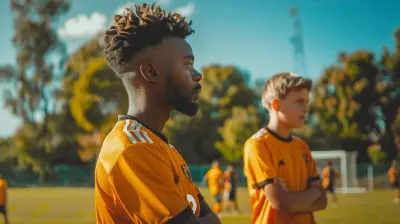
Consider a high school soccer player named Alex who struggles with dyslexia. During practice, Alex excels in drills but finds it challenging to follow written instructions on strategies. The coach, aware of Alex's condition, uses diagrams and visual demonstrations instead of relying solely on verbal or written communication. As a result, Alex feels more included and is able to contribute effectively to the team.Case Study 2: A Student-Athlete with ADHD
Another example is Jamie, a basketball player with ADHD. Jamie has difficulty focusing during lectures but excels in fast-paced environments. The academic advisor works with Jamie to create a schedule that allows for more hands-on learning experiences and fewer traditional lectures. Jamie is provided with noise-canceling headphones during study sessions to help minimize distractions.
Common Mistakes and Misconceptions
Believing Accommodations are a Crutch
One common misconception is that accommodations provide an unfair advantage. In reality, these adjustments simply level the playing field. They ensure that all athletes have an equal opportunity to succeed, regardless of their learning challenges.Neglecting Mental Health
Another mistake is overlooking the mental health needs of student-athletes with learning disabilities. Coaches and educators should recognize that these athletes may experience unique stressors and should be prepared to offer support.Best Practices for Support
Continuous Education and Training
Regular training sessions for coaches and staff on learning disabilities can lead to a more informed and supportive environment. This training should cover signs of learning disabilities, effective communication strategies, and ways to implement accommodations.Involving Families
Engaging families in the support process is crucial. Parents and guardians can provide valuable insights into their child's needs and challenges. Regular communication with families helps create a cohesive support system.Monitoring Progress
Regularly assessing the effectiveness of support strategies is essential. This can include feedback from the student-athlete, coaches, and academic advisors. Adjustments should be made as needed to ensure that the support remains relevant and effective.
Conclusion
Supporting student-athletes with learning disabilities is a crucial aspect of promoting inclusivity and equity in sports and academics. By understanding the unique challenges these individuals face and implementing tailored support strategies, we can create an environment where all athletes have the opportunity to excel. From awareness and communication to academic accommodations and mental health support, a comprehensive approach will help empower these student-athletes to reach their full potential both on and off the field.
all images in this post were generated using AI tools
Category:
Sports And EducationAuthor:

Easton Simmons