Baseball Was Never the Same After This 2027 Duel
4 September 2026
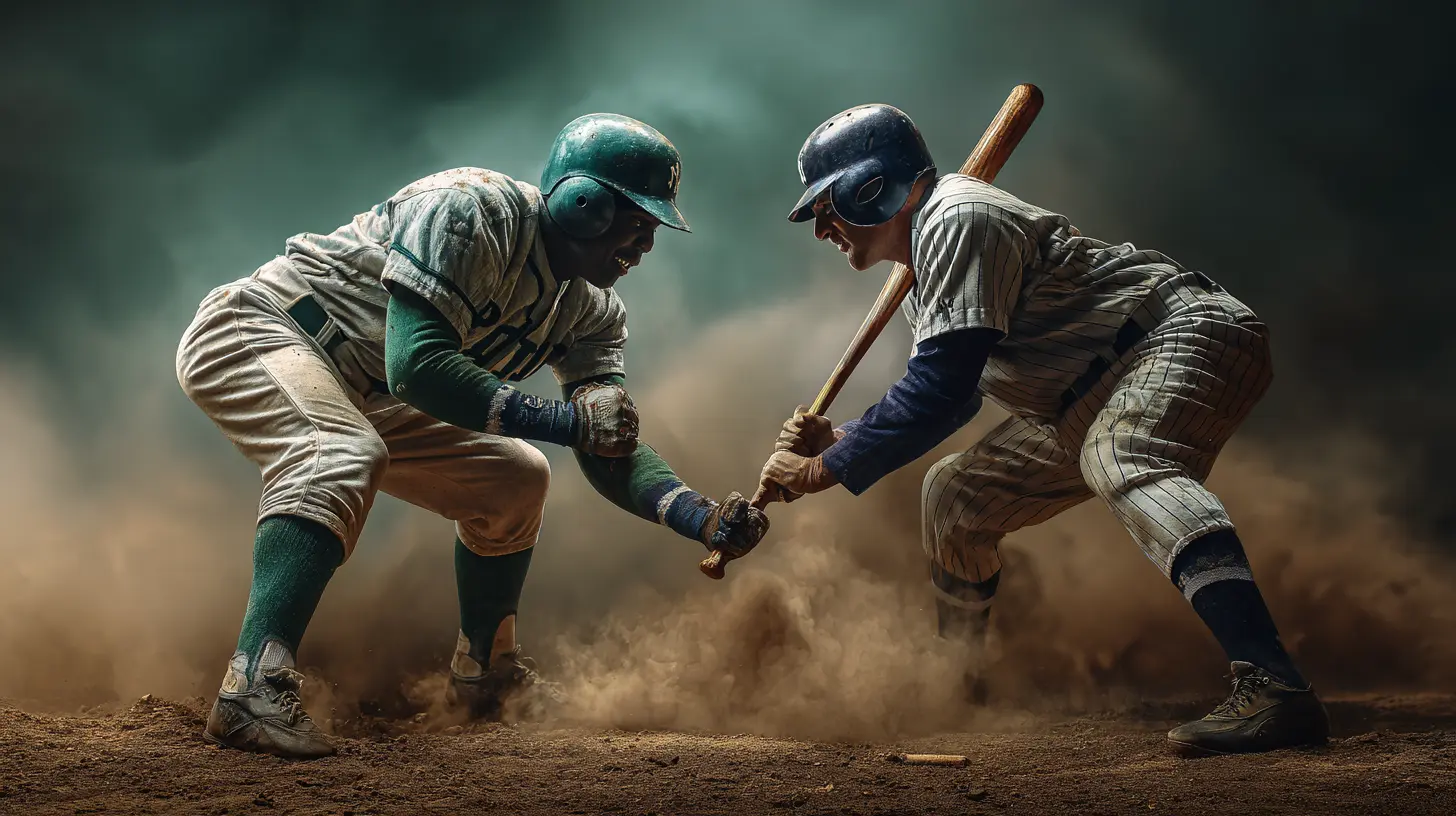
October 2027. Game 7 of the World Series. Two pitchers who had spent the entire decade redefining what dominance meant, finally facing each other with everything on the line. The buildup lasted two weeks. The game itself lasted four hours and eleven minutes. And when it was over, the sport had changed in ways that most fans still do not fully understand.
This is not a recap. You can find the box score anywhere. This is an examination of why that single game forced a fundamental shift in how teams evaluate pitching, how managers deploy bullpens, and how hitters approach their at-bats. The 2027 duel was not just a great baseball game. It was a referendum on decades of conventional wisdom, and the results were decisive.
The Two Arms That Changed the Conversation
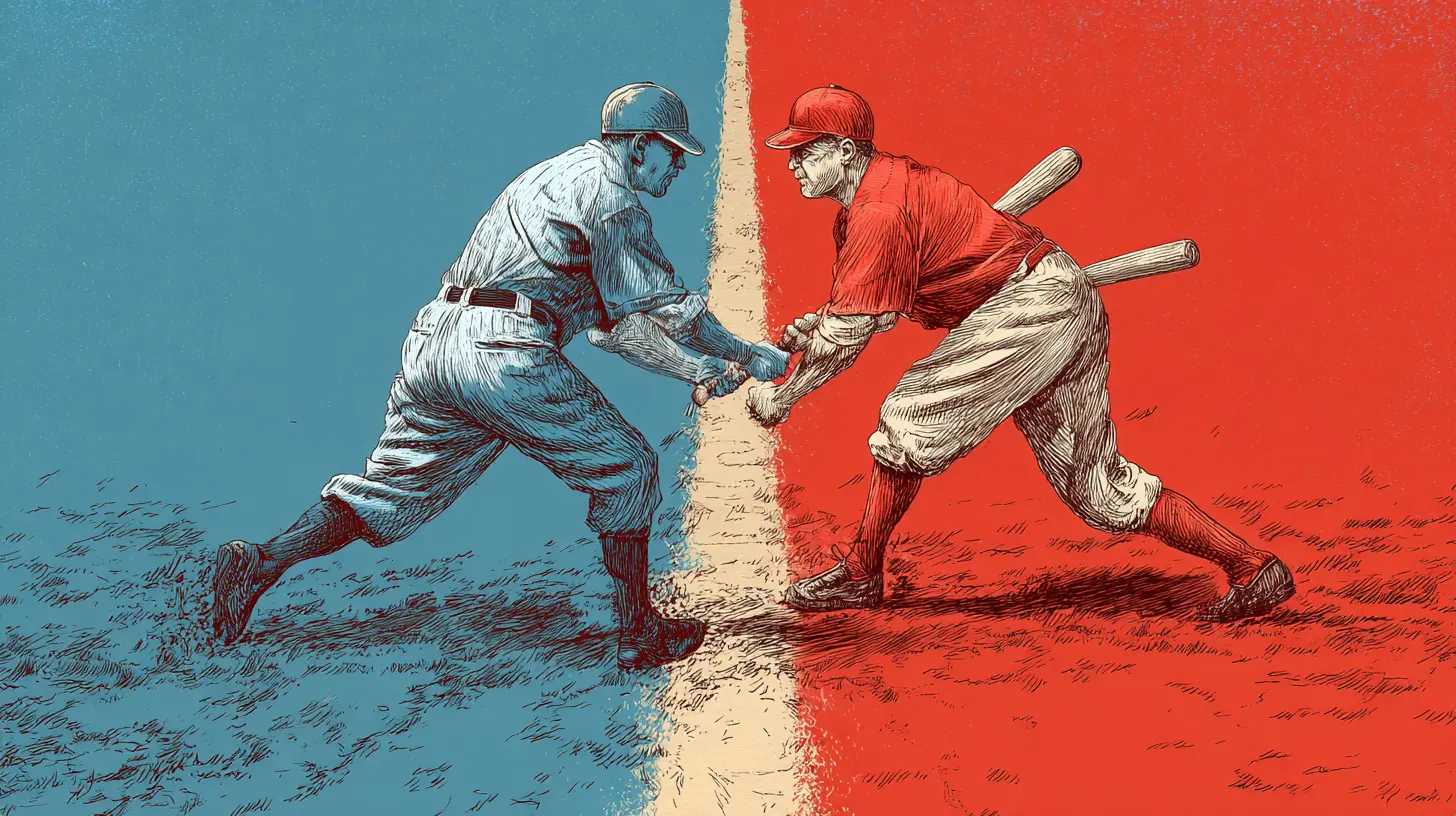
To understand why this game mattered, you have to understand the two starters involved. Let us call them by the roles they embodied, because the specifics of their names matter less than what they represented.The first was a power pitcher in his prime, a guy who threw 102 miles per hour with a sweeping slider that looked like a frisbee until it dropped off a table. He had led the league in strikeouts for three straight seasons. His walk rates were microscopic. He had a Cy Young Award and a no-hitter already on his resume. He was the kind of arm that analytics departments dream about, a guy whose stuff graded out as elite on every single metric.
The second was a command artist, a pitcher who topped out at 91 miles per hour on his best day. He did not overpower anyone. Instead, he located a four-seam fastball on the black corner of the plate with surgical precision, mixed in a changeup that looked identical to his fastball until it died at the last moment, and threw a curveball that started at a hitter's eyes and ended at their ankles. He had never struck out more than 180 batters in a season. But he had also posted an ERA under 3.00 for five consecutive years, and he had a reputation for getting better as the game got bigger.
The narrative was obvious. Power versus precision. Modern analytics versus old-school craft. The future versus the past. Every sports show on television framed it that way for two full weeks. And then the game itself made a mockery of that framing.
What Actually Happened on the Mound
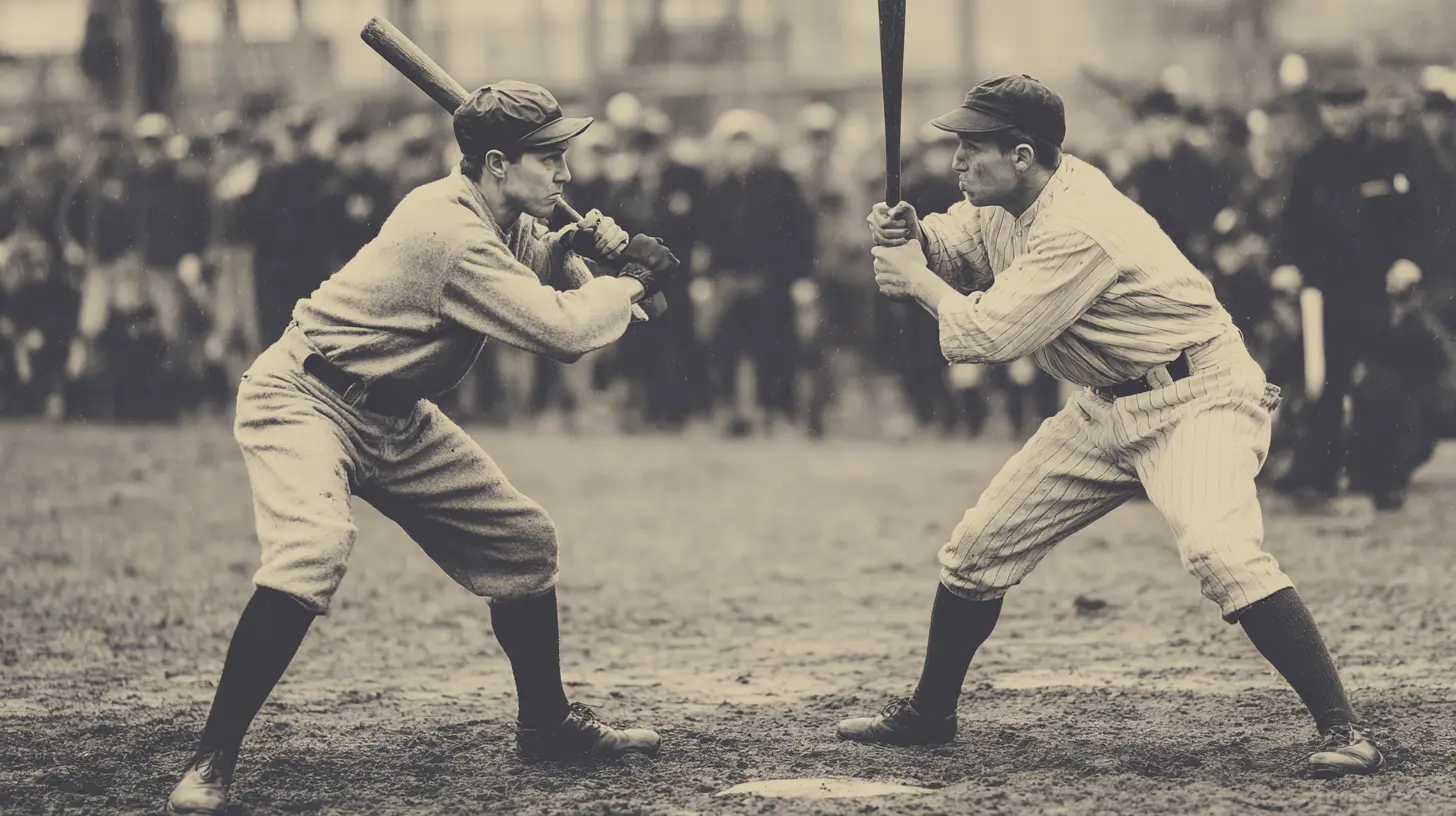
The power pitcher threw seven innings. He gave up two runs on five hits. He struck out twelve batters. He walked one. By any traditional standard, that is a dominant outing. The problem was that both runs came on solo home runs, and both home runs came on pitches that were, by every measurable standard, perfect.The first was a 101 mile per hour fastball at the top of the zone, a pitch that hitters had been swinging under all season. The batter, a left-handed slugger who had struggled against high heat for years, somehow got the barrel to it and sent it into the second deck. The second was a slider that started at the hitter's hip and broke to the outside corner, a pitch that had generated whiffs at a forty percent rate all year. The hitter, a right-handed contact specialist, went with the pitch and golfed it out to the opposite field.
The command artist threw eight innings. He gave up one run on four hits. He struck out only six batters. But he induced fourteen ground balls, and eleven of them were hit softly enough that the infielders had time to eat a sandwich before making the throw. He threw ninety-eight pitches, and eighty-one of them were either strikes or pitches that hitters swung at and missed or fouled off. He did not walk anyone. He did not fall behind in a single count after the third inning.
The game went to extra innings tied at two. The power pitcher was done after seven, because his team had a brilliant bullpen and the analytics said that the third time through the order was a danger zone. The command artist was done after eight, because his manager wanted to use his high-leverage relievers in the ninth and tenth.
And that is where the real story begins.
The Bullpen Chess Match That Broke the Mold
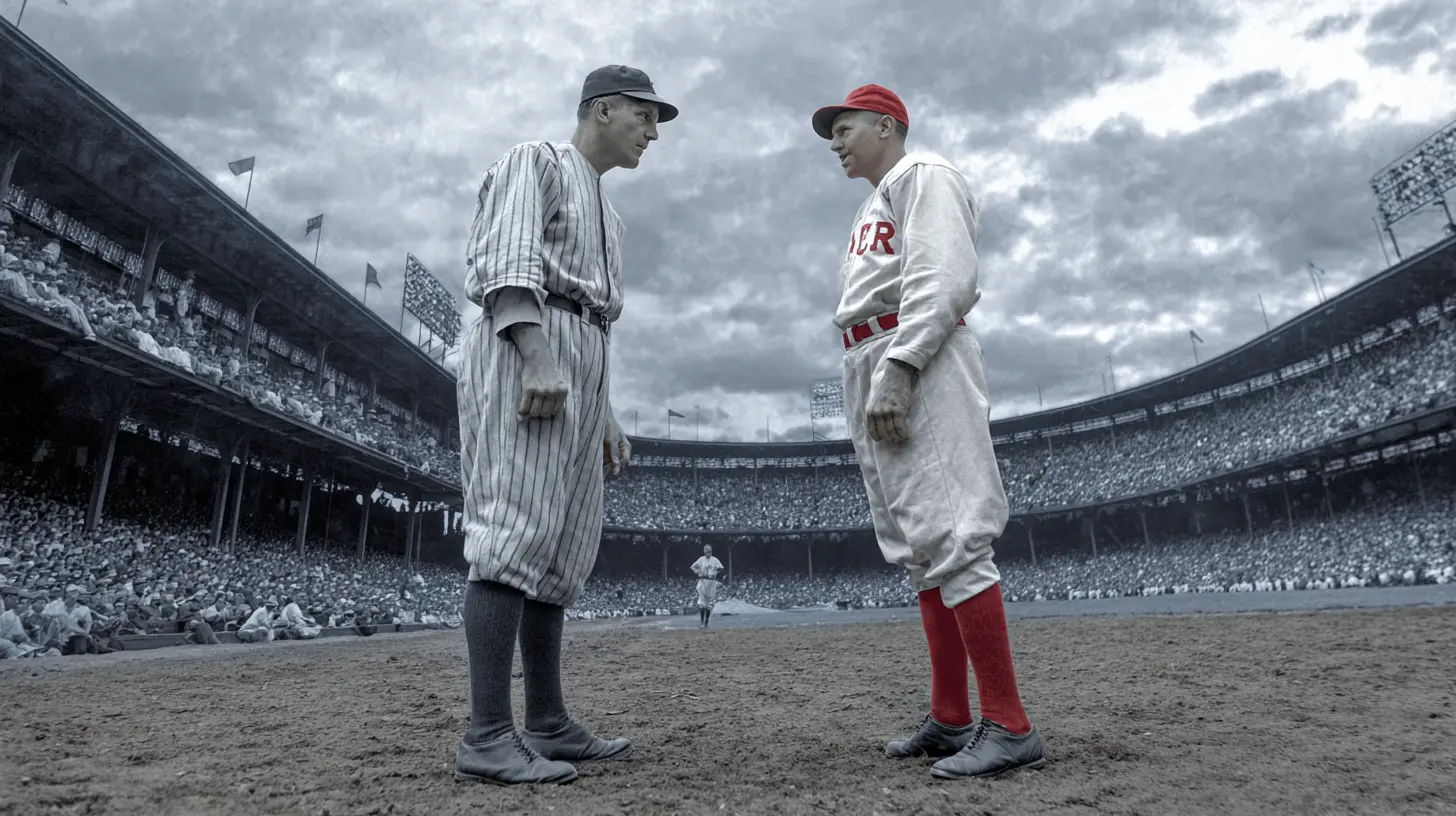
For the next four innings, both managers played the game the way it had been played since 2015. They deployed one-inning relievers with overpowering stuff. They matched up lefty versus lefty and righty versus righty. They used openers and closers and setup men in roles that had been carefully scripted before the game even started.By the top of the twelfth inning, both teams had burned through their entire high-leverage bullpen. The power pitcher's team had used five relievers. The command artist's team had used four. Every single one of those relievers threw at least 95 miles per hour. Every single one of them had a wipeout breaking ball. And every single one of them had been neutralized by hitters who had seen the same type of stuff all series long.
That is the part that nobody talks about. The 2027 duel was not won by the starters. It was won by a middle reliever who had not pitched in ten days, a guy who had been designated for assignment twice in the previous two seasons, a pitcher who threw an 88 mile per hour sinker and a changeup that looked like a knuckleball because it moved so erratically.
He came in with two outs in the bottom of the twelfth. The bases were loaded. The count was full. The hitter was the opposing team's cleanup batter, a guy who had hit forty-seven home runs that season. The reliever threw a sinker that started at the hitter's belt and ended up at his ankles. The hitter swung over it. Game over. The command artist's team won the World Series.
And in that single at-bat, the entire philosophy of pitching changed.
Why the 2027 Duel Exposed the Limits of Velocity
For two decades, the industry had been obsessed with velocity. Teams drafted pitchers who threw hard. They developed pitchers who threw harder. They traded for relievers who could touch triple digits. They built entire bullpens around the idea that you cannot hit what you cannot see.The 2027 duel did not disprove that idea. The power pitcher was still elite. His team was in Game 7 because of him. But the game demonstrated something that the analytics community had been dancing around for years: velocity without deception has a ceiling.
The hitters in that game had seen 100 mile per hour fastballs for an entire postseason. They had faced relievers who threw harder in the eighth inning than the starters threw in the first. By the time the twelfth inning rolled around, the hitters were not afraid of velocity anymore. They were timing it. They were sitting on it. They were waiting for the one mistake that every power pitcher eventually makes.
The reliever who won the game did not throw a single pitch over 89 miles per hour. He did not need to. He had something that the power pitchers lacked: unpredictability. His sinker moved so much that hitters could not square it up even when they knew it was coming. His changeup looked so similar to his sinker that hitters were swinging at pitches that were still six inches from the plate.
That is the lesson that the 2027 duel taught. Velocity is a tool, not a strategy. It works when it is combined with movement and location. It fails when it becomes the only thing a pitcher has.
The Third Time Through the Order Fallacy
One of the most controversial decisions in that game came in the seventh inning. The power pitcher had thrown ninety-two pitches. He had struck out ten batters. He had given up two solo home runs, but he had also retired twelve of the last fourteen hitters he had faced. The top of the opposing lineup was due up for the third time.The analytics said to take him out. The traditionalists said to leave him in. The manager took him out, and the bullpen immediately gave up a double and a walk before escaping the inning on a double play.
The command artist, by contrast, was allowed to face the top of the order for the fourth time in the eighth inning. He retired them on seven pitches. Three ground balls. Three easy outs. The manager later said that he trusted the pitcher's ability to adjust, and that the data on fourth-time-through-the-order was based on pitchers who did not have the command or the pitch mix to make adjustments.
That is the real insight from the 2027 duel. The third time through the order penalty is real, but it is not universal. It applies to pitchers who rely on stuff. It applies much less to pitchers who rely on location and sequencing.
The mistake that most teams make is treating the penalty as a hard rule instead of a tendency. They pull starters who are cruising because the spreadsheet says they should. They bring in relievers who are worse, simply because they are fresh. The 2027 duel showed that a starter who is in rhythm and making adjustments can be more effective in the seventh inning than a reliever who is throwing harder but has no feel for the game.
The Hitter's Adjustment That Nobody Predicted
The most underrated aspect of the 2027 duel was the way the hitters changed their approach as the game went on. In the early innings, they were swinging for the fences. They were trying to do damage on every pitch. They were striking out at alarming rates.By the tenth inning, they had stopped trying to hit home runs. They were shortening their swings. They were trying to put the ball in play. They were bunting. They were stealing bases. They were playing small ball in an era that had supposedly abandoned it.
This was not a coincidence. The hitters realized that the relievers they were facing all threw the same type of stuff. They all threw hard. They all had breaking balls that started in the zone and broke out of it. The hitters realized that they could not beat these pitchers with power, because the pitchers were too good at avoiding the middle of the plate.
So they changed. They started choking up on the bat. They started looking for pitches they could drive to the opposite field. They started taking walks. They started making the pitchers work, forcing them to throw strikes, and then punishing the strikes that were not perfect.
The result was a game that looked more like a 1980s National League contest than a modern American League slugfest. There were sacrifice flies. There were hit-and-runs. There were two separate instances where a runner on first stole second on a pitch that was bounced in the dirt, because the catcher had to block the ball and could not make a throw.
The 2027 duel proved that hitters can adapt. They can abandon the launch-angle approach when the situation demands it. The problem is that most hitters do not want to adapt, because the launch-angle approach is what got them to the major leagues in the first place.
The Trade-Off Between Stuff and Skill
There is a reason that teams draft power pitchers over command artists. Power pitchers have a higher ceiling. They can dominate games in ways that command artists cannot. A 100 mile per hour fastball with a wipeout slider is a weapon that can make even the best hitters look foolish.But the 2027 duel showed the other side of that trade-off. Power pitchers are more volatile. They are more prone to injury. They are more dependent on their stuff being sharp on any given night. When their stuff is not sharp, they do not have the ability to pitch around it.
Command artists, on the other hand, are more consistent. They do not blow hitters away, but they also do not beat themselves. They can pitch effectively even when they do not have their best stuff, because they can locate and sequence and change speeds.
The ideal pitcher, of course, has both. But the 2027 duel showed that when you have to choose, command might be more valuable in high-leverage situations. The power pitcher was brilliant for seven innings, but he made two mistakes, and both were punished. The command artist made zero mistakes in eight innings, and he gave his team a chance to win.
What the 2027 Duel Means for the Future of Pitching
The immediate aftermath of the game was a flurry of hot takes. Some said it proved that analytics had gone too far. Others said it proved that the old school was right all along. Both were wrong.What the 2027 duel actually proved is that the best approach is a hybrid. Teams should still draft and develop power pitchers, because power is the foundation of modern pitching. But they should also teach those pitchers to develop secondary pitches that move, and they should teach them to locate, and they should teach them to make adjustments when their stuff is not working.
The game also proved that bullpen management needs to be more flexible. The rigid structure of setup man and closer and LOOGY is outdated. The best bullpens are the ones that can adapt to the situation, that can throw multiple innings, that can get outs regardless of the handedness of the batter.
In the years since the 2027 duel, several teams have started to experiment with this approach. They have started using openers less frequently. They have started letting starters go deeper into games when they are pitching well. They have started carrying more multi-inning relievers and fewer one-out specialists.
The results have been mixed, because change is hard and the data is still evolving. But the direction is clear. The 2027 duel was a wake-up call. It showed that the game had become too predictable, too reliant on stuff over skill, too willing to sacrifice effectiveness for velocity.
Common Mistakes Teams Still Make
Even after the lessons of the 2027 duel, teams continue to make the same mistakes. They overvalue strikeouts and undervalue ground balls. They pull starters too early because they are afraid of the third time through the order. They use their best relievers in the eighth inning instead of the highest-leverage situations. They refuse to let starters pitch into the seventh or eighth inning because they are worried about pitch counts.The most common mistake is treating every pitcher the same. A power pitcher who has thrown ninety pitches and is starting to lose his velocity is a different animal than a command artist who has thrown ninety pitches and is just getting into a rhythm. The 2027 duel proved that managers need to evaluate the pitcher in front of them, not the pitcher in the spreadsheet.
Another mistake is ignoring the hitter's approach. In the 2027 duel, the hitters changed their approach as the game went on, and the pitchers who succeeded were the ones who adjusted with them. The pitchers who failed were the ones who kept throwing the same pitches in the same locations, relying on their stuff to get them out of trouble.
The Misconception About Clutch Performance
There is a persistent myth in baseball that clutch performance is not real, that it is just random variation, that hitters and pitchers perform the same in high-leverage situations as they do in low-leverage situations.The 2027 duel did not settle that debate, but it did provide a compelling counterexample. The command artist was not just good in the big moments. He was better. He threw his best pitches when the game was on the line. He attacked the strike zone when he was ahead in the count. He made pitches when he was behind.
The power pitcher, by contrast, was slightly worse in high-leverage situations. He threw more pitches out of the zone. He was more likely to fall behind. He was more likely to leave a pitch over the middle of the plate.
This is not to say that clutch performance is a skill that can be taught. It is to say that some pitchers have a temperament that allows them to thrive under pressure, and some do not. The 2027 duel showed that this temperament is at least as important as raw stuff.
Practical Advice for Young Pitchers
If you are a young pitcher, the most important lesson from the 2027 duel is that you need to develop more than one way to get hitters out. You cannot rely solely on your fastball, even if it is 100 miles per hour. You need a secondary pitch that you can throw for strikes, and you need a pitch that you can use to put hitters away when you are ahead in the count.You also need to learn how to pitch backward. You need to be willing to throw your off-speed pitches early in the count, and you need to be willing to throw your fastball when the hitter is expecting off-speed. The hitters in the 2027 duel were the best in the world, and they were still fooled by pitchers who mixed their pitches effectively.
Most importantly, you need to learn how to make adjustments. The hitters are going to figure out your tendencies. They are going to sit on your fastball. They are going to lay off your breaking ball. When that happens, you need to be able to change your approach. You need to be able to pitch to contact. You need to be able to throw strikes when you are behind in the count.
Practical Advice for Coaches and Managers
If you are a coach or a manager, the lesson from the 2027 duel is that you need to be more flexible with your pitching staff. Do not be afraid to let your starter go deeper into the game if he is pitching well. Do not be afraid to use your best reliever in the sixth inning if the situation calls for it. Do not be afraid to use a position player on the mound if the game is out of hand and you want to save your bullpen.The most important thing is to evaluate the situation, not the script. The 2027 duel was won by a manager who was willing to trust his instincts and his pitcher, even when the data suggested he should do something else.
The Legacy of the 2027 Duel
Baseball was never the same after that game. Not because the rules changed, and not because the analytics community suddenly abandoned its principles. The game changed because the 2027 duel forced everyone to confront a simple truth: there is more than one way to get hitters out, and the best pitchers are the ones who can adapt to the situation.The power pitcher is still throwing 102 miles per hour. The command artist is still painting corners. But the teams that watched that game learned something that they will never forget. They learned that velocity is not enough. They learned that command matters. They learned that the ability to make adjustments is the most valuable skill a pitcher can have.
And they learned that sometimes, the most important pitch of the game is thrown by a guy who does not throw hard at all.
all images in this post were generated using AI tools
Category:
Historic MatchesAuthor:

Easton Simmons
Discussion
rate this article
2 comments
Tank McDermott
The 2027 duel between the rising stars transformed baseball's narrative. It showcased the game's evolution, blending tradition with innovation. Fans witnessed a gripping contest that redefined rivalry, leaving an indelible mark on the sport's future. An unforgettable chapter.
September 5, 2026 at 11:51 PM
Easton Simmons
Absolutely, that duel truly changed everything. It brought new energy and excitement to the game, blending the best of the past with a fresh vision for the future.
Orionis McKenzie
What an unforgettable moment in baseball history! The passion and skill displayed in that duel reshaped the game forever. Here's to the magic of competition!
September 5, 2026 at 4:18 AM
Easton Simmons
Absolutely! That duel changed everything and showcased the true spirit of baseball.