Snap Judgment: Real-Time Breakdown of the Quarterback’s Big Play
15 November 2026
Introduction
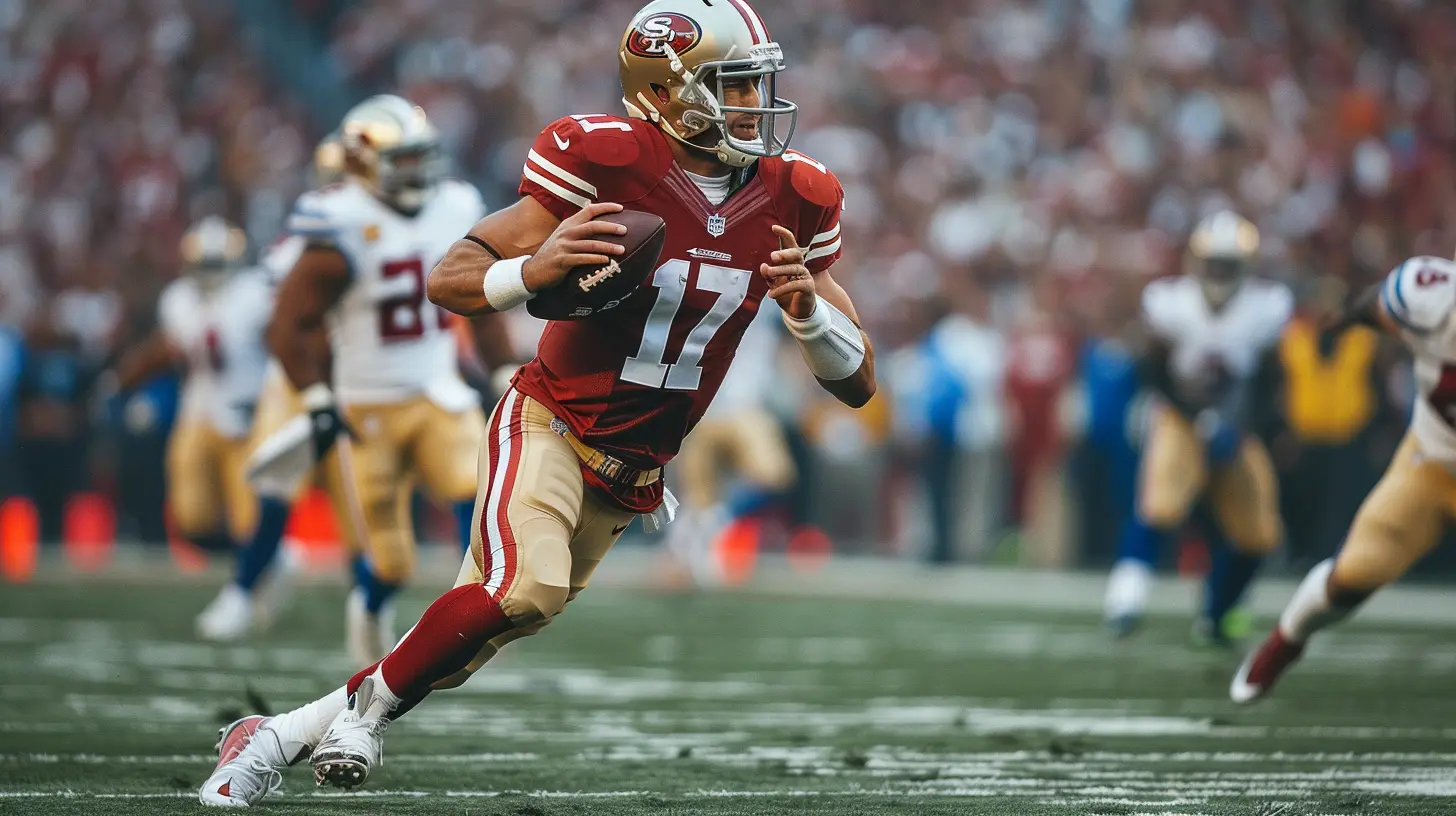
In the high-stakes world of football, the quarterback stands as the linchpin of success. A quarterback's ability to make quick decisions under pressure can define the outcome of a game, and nowhere is this more evident than during a big play. This article aims to dissect the intricate dynamics of a quarterback's decision-making process, the mechanics behind big plays, and the various factors that contribute to their success or failure. We will break down real-time scenarios and provide insights into what makes a great quarterback shine in critical moments.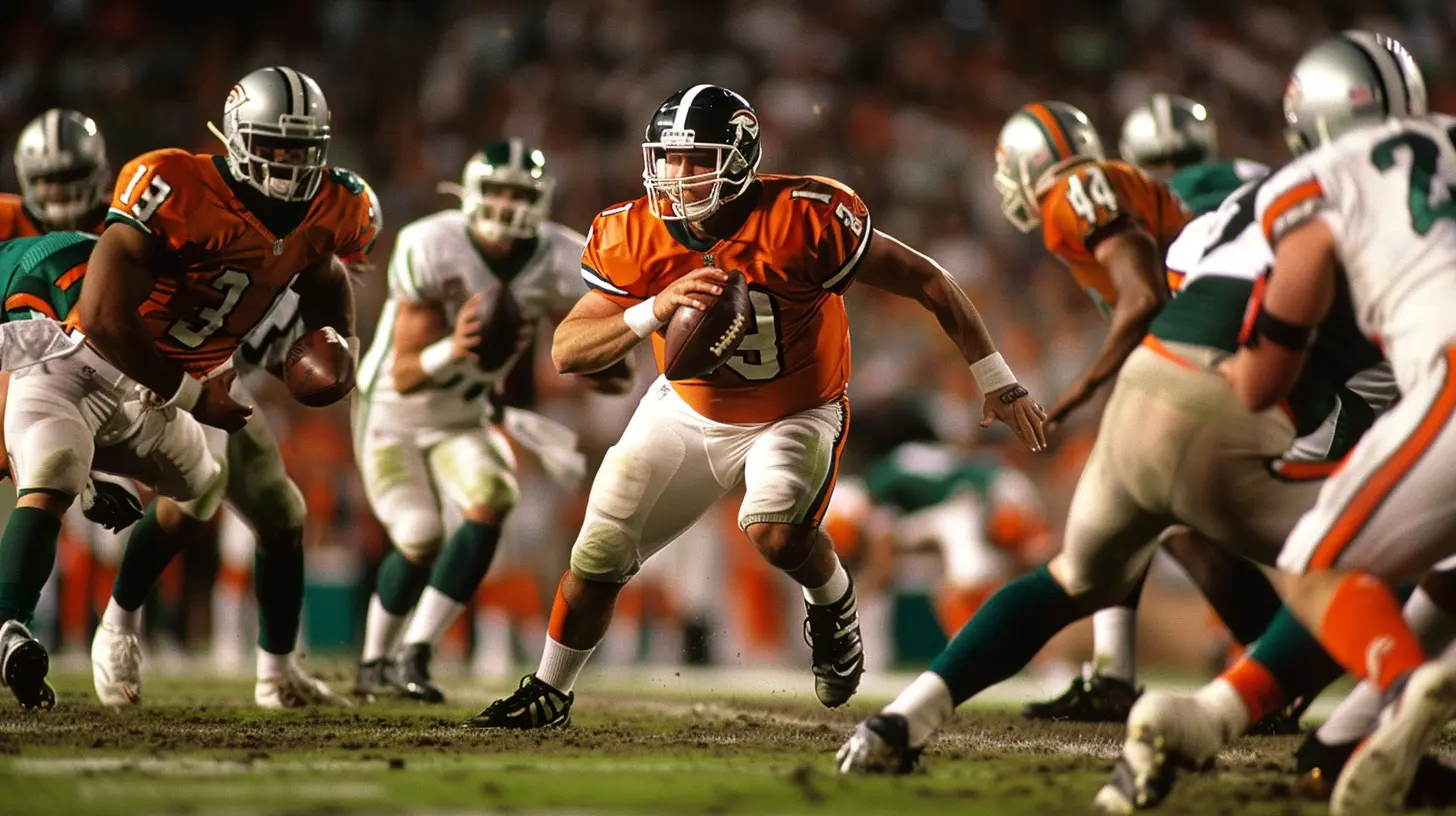
Understanding the Big Play
Defining the Big Play
In football terminology, a "big play" is typically defined as a significant gain in yardage, often resulting in a touchdown or a first down. Such plays can change the momentum of a game and energize both the team and its fans. They often occur in high-pressure situations, where the quarterback must quickly evaluate options, read defenses, and execute flawlessly.Importance of Timing and Awareness
Timing is everything in football. A quarterback must be aware of not only their own team's situation but also the defensive alignment and potential pressures. A big play often arises from the quarterback's ability to sense when to release the ball, when to scramble, and how to keep the play alive. This awareness can be the difference between a game-winning touchdown and a turnover.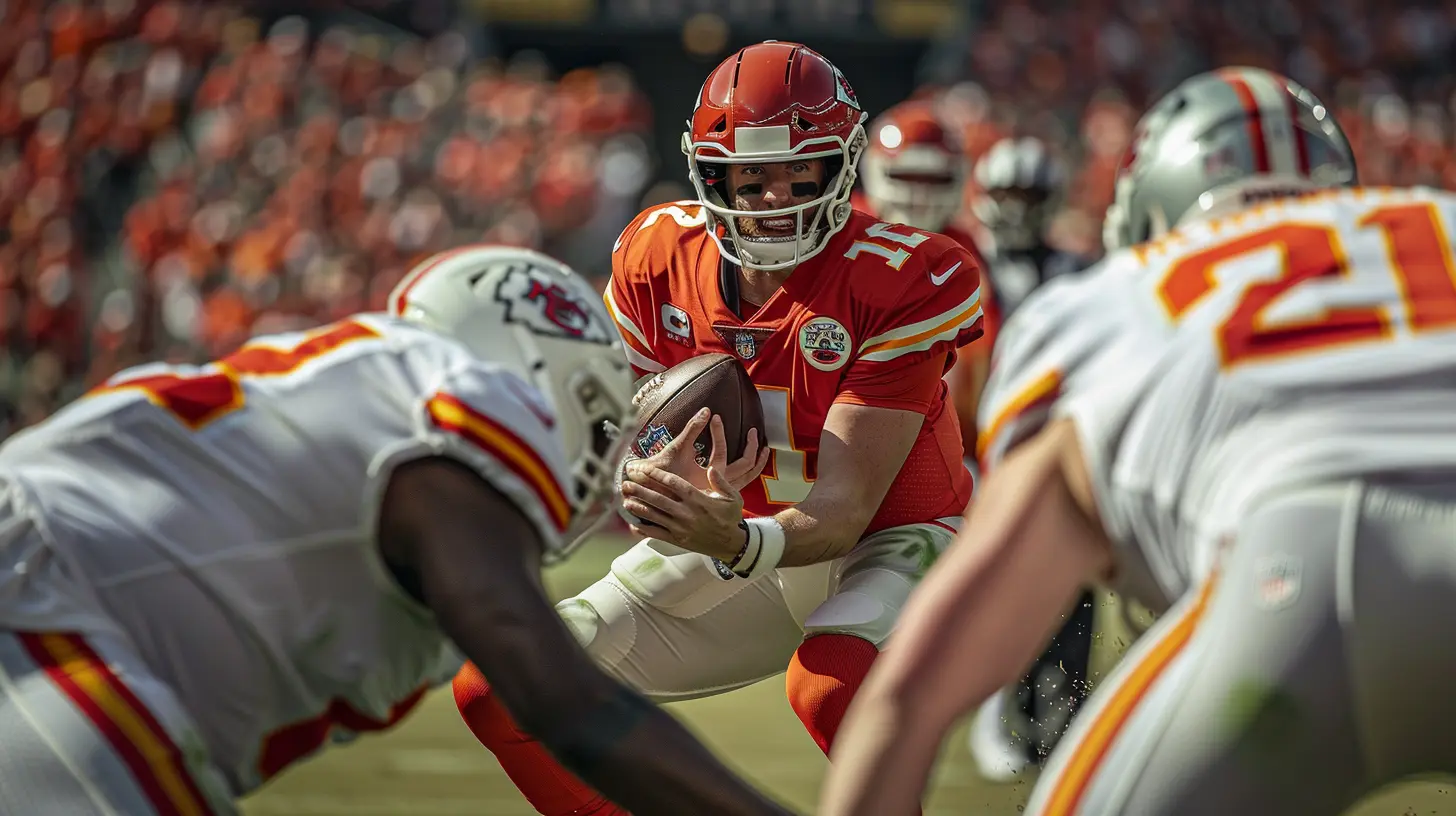
The Mechanics of Execution
Pre-Snap Reads
Before the ball is even snapped, a quarterback's journey toward a big play begins with pre-snap reads. This involves analyzing the defensive setup and identifying potential weaknesses. Common aspects to consider include:- Defensive Alignment: Understanding whether the defense is in man or zone coverage can help the quarterback decide where to throw the ball.
- Blitz Indicators: Recognizing who might blitz and how the offensive line needs to adjust is crucial. An unblocked defender can easily disrupt a play, so anticipating this allows the quarterback to adjust accordingly.
The Snap and Drop Back
Once the ball is snapped, the quarterback must drop back into the pocket. This is where body mechanics come into play. A proper drop back ensures that the quarterback remains balanced and has a clear vision downfield. Here are a few key points to consider:- Footwork: Quick, precise footwork allows the quarterback to create space in the pocket. The ability to pivot and step up or sideways can make all the difference.
- Vision: Keeping eyes downfield while managing pressure is essential. Great quarterbacks have a knack for maintaining focus on their receivers despite the chaos around them.
Progression Reads
After establishing position, the quarterback must go through their progression reads. This involves scanning for open receivers based on the pre-snap evaluation. Here's how they might approach it:1. Primary Target: The first read is often the primary target, typically the player with the most favorable matchup.
2. Secondary Options: If the primary target is covered, the quarterback moves to secondary options, often based on specific routes designed to exploit defensive weaknesses.
3. Checkdown: If all else fails, a checkdown to a running back or tight end can salvage an otherwise broken play, minimizing potential loss.
The Throw
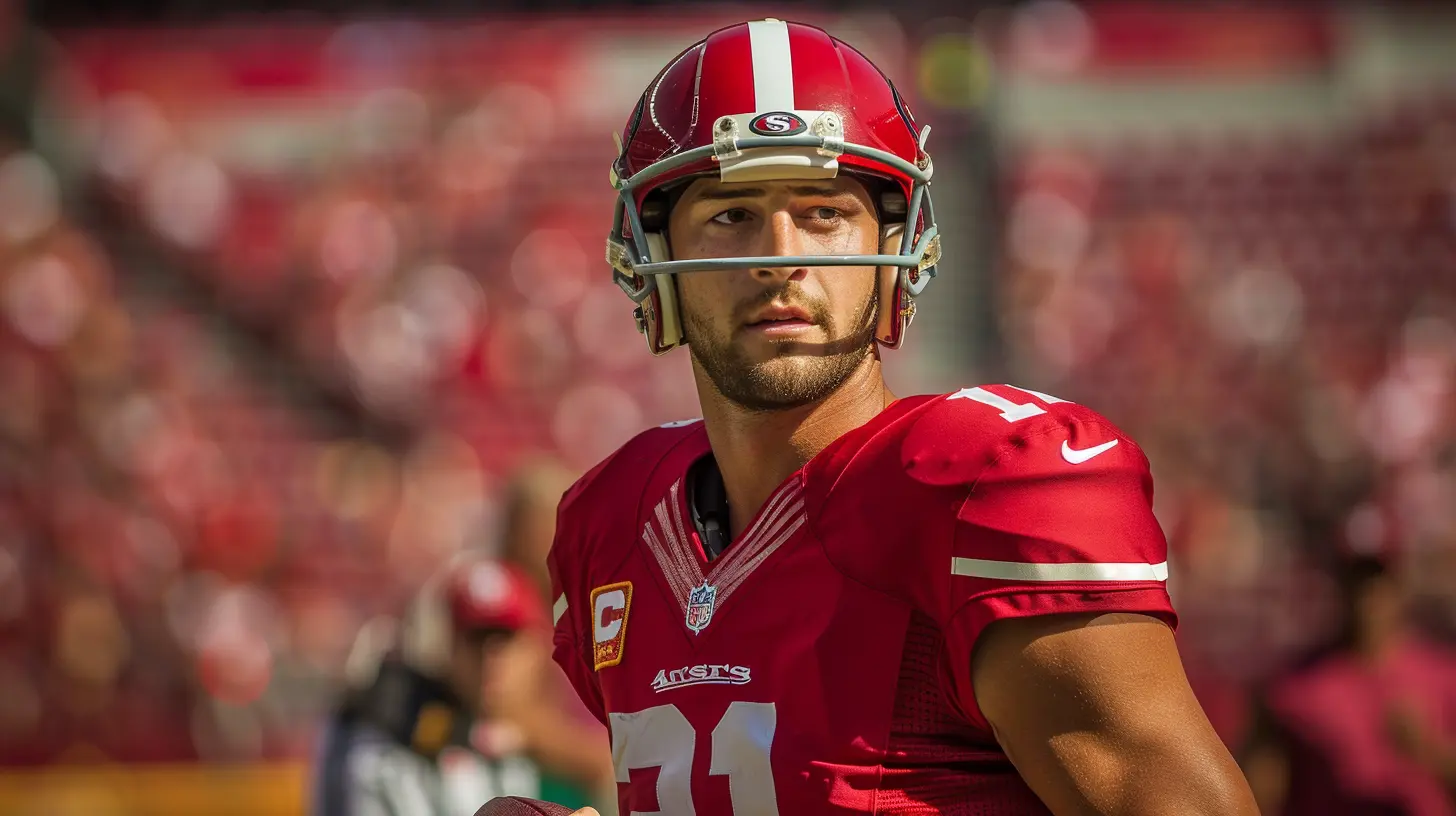
With the decision made, it's time for the throw. This is where mechanics become paramount. A quarterback must focus on:- Release Point: A quick release can prevent a defender from making a play on the ball.
- Arm Angle: Adjusting the arm angle based on defensive pressure and the throwing lane can help navigate around defenders.
- Follow Through: Proper follow-through ensures accuracy and velocity. A well-thrown ball can travel beyond the reach of defenders, giving the receiver a chance to make a play.
Factors Influencing Big Plays
Offensive Scheme
The effectiveness of a quarterback's big play often hinges on the offensive scheme in use. Different systems emphasize various strengths:- West Coast Offense: Focused on short, quick passes and yards after catch, it can create big plays through misdirection and timing.
- Air Raid Offense: Prioritizing deep throws, this scheme can lead to explosive plays, but requires a quarterback with a strong arm and the confidence to take risks.
Receiver Skills
The skill set of the receivers plays a pivotal role in executing big plays. Key aspects include:- Route Running: A receiver's ability to run precise routes influences the quarterback's options. The more reliable the route, the more likely the quarterback will target that player.
- Yards After Catch (YAC): Receivers who can gain yards after the catch can turn short passes into big plays, allowing the quarterback to maintain safer throwing patterns.
Defensive Strategies
Understanding how defenses adjust can impact the quarterback's ability to make big plays. Teams often employ various strategies such as:- Blitz Packages: When defenses blitz, it can create opportunities for quick throws, but it also increases the risk of being pressured.
- Zone vs. Man Coverage: Knowing whether the defense is in zone or man coverage helps the quarterback gauge where the pockets of space may be.
Common Missteps
Overthinking the Play
One of the most common mistakes a quarterback can make is overthinking during high-pressure situations. This can lead to hesitation, causing missed opportunities. A quarterback must trust their instincts and training.Ignoring the Checkdown
Many quarterbacks, especially those with strong arms, can fall into the trap of ignoring checkdowns. These plays, while often seen as "safe," can be instrumental in keeping drives alive. A seasoned quarterback knows when to take the safe option to maintain possession rather than risk a turnover.Failing to Adjust
When defenses make adjustments during a game, a quarterback must respond accordingly. Sticking to a game plan that is no longer effective can lead to frustration and failure. Quarterbacks should be flexible and willing to pivot their approach mid-game.
Case Studies of Successful Big Plays
Example 1: Tom Brady's 2014 Super Bowl Comeback
In the 2014 Super Bowl, Tom Brady showcased his exceptional skill in executing big plays under pressure. Down by 10 points in the fourth quarter, Brady made several crucial throws, demonstrating his ability to read the defense and adjust his strategy on the fly. His quick release and accurate throws to receivers in tight coverage played a significant role in the comeback victory.Example 2: Patrick Mahomes and the No-Look Pass
Patrick Mahomes has become known for his unorthodox plays, including the famous no-look pass. In a key regular-season game, Mahomes executed a no-look throw that caught the defense off guard. This play highlighted not only his arm talent but also his ability to read the field without telegraphing his intentions. The creativity involved in this type of play can lead to game-changing moments.Example 3: Russell Wilson's Scrambling Ability
Russell Wilson has earned praise for his ability to extend plays with his legs. In a pivotal playoff game, Wilson scrambled away from pressure, keeping his eyes downfield and finding an open receiver for a touchdown. This ability to escape the pocket while maintaining awareness of his surroundings exemplifies the kind of quarterbacking that can turn a broken play into a big success.Best Practices for Quarterbacks
Practice Decision-Making
Quarterbacks should incorporate decision-making drills into their practice regimen. Simulating high-pressure scenarios can help them develop the instincts needed to make quick choices during games.Focus on Footwork
Good footwork is essential for effective quarterbacking. Practicing footwork drills can help improve balance and stability, allowing quarterbacks to execute throws more effectively under pressure.Study Game Film
Analyzing game film is invaluable for a quarterback. By reviewing their own performances, as well as those of others, quarterbacks can identify patterns, strengths, and areas for improvement. Observing how other quarterbacks handle similar situations can offer new techniques and strategies.
Conclusion
A big play can define a game, and the quarterback is at the heart of it all. From pre-snap reads to the actual throw, every element must be executed with precision and confidence. By understanding the mechanics, recognizing common pitfalls, and learning from real-world examples, aspiring quarterbacks can elevate their game. The ability to make a snap judgment and deliver in critical moments is what separates the great from the good.
all images in this post were generated using AI tools
Category:
Live CommentaryAuthor:

Easton Simmons

