How Trades Can Affect a Player’s Legacy
22 July 2026
Let’s face it—sports trades are a drama all their own. They spark debates, light up social media, and sometimes even make or break a player’s entire reputation. Whether it's a blockbuster NBA deal, a midseason NFL transaction, or an under-the-radar MLB swap, trades do more than shuffle names on a roster—they can redefine a player's legacy.
Now, when we talk about a player's legacy, we’re not just yapping about stats and awards. We’re talking about how fans remember them, how history frames them, and whether they end up in the Hall of Fame—or fade into the “good but never great” category.
So, let’s break this down. How do trades really mess with (or boost) a player's legacy?
The Emotional Rollercoaster of Being Traded
First off, getting traded can feel like getting dumped. It’s unceremonious, often unexpected, and sometimes even painful. One moment, you're the face of the franchise. The next, you're a footnote in a press release.For some players, the first trade is a reality check—it tells them they’re not untouchable. For others, it’s a fresh start or even a strategic move. But make no mistake: every trade shifts the narrative around that athlete.
Let’s not forget, fans take trades personally too. Was their favorite player loyal? Did they bail when the going got tough? These questions don’t always fade with time.
The “Loyalty” Narrative in Sports
Here's a tricky one—loyalty. In the eyes of fans, staying with one team for an entire career is a badge of honor. Think Derek Jeter with the Yankees or Kobe Bryant with the Lakers. That loyalty becomes part of their story.Now compare that to someone like Kevin Durant. Insanely talented, no doubt. But when he left OKC for Golden State, the narrative shifted. Suddenly, fans weren’t just talking about his points per game—they were debating whether he “took the easy way out.”
So yeah, a trade (or a free-agent signing that feels like a trade) can either add depth to your story… or punch holes in your reputation.
Championships: The Great Equalizer?
Winning changes everything. If a player gets traded and then wins a ring, that move suddenly looks genius.Take LeBron James, for example. His move to Miami was controversial at first. People burned his jerseys. But once he started stacking titles? The narrative flipped. That trade (well, "decision") became a power move in the eyes of many.
On the flip side, if a player gets traded and never sniffs a title again, it can sap the shine off their career. People start asking the dreaded question: "Was he ever really that good, or was he just in the right system?"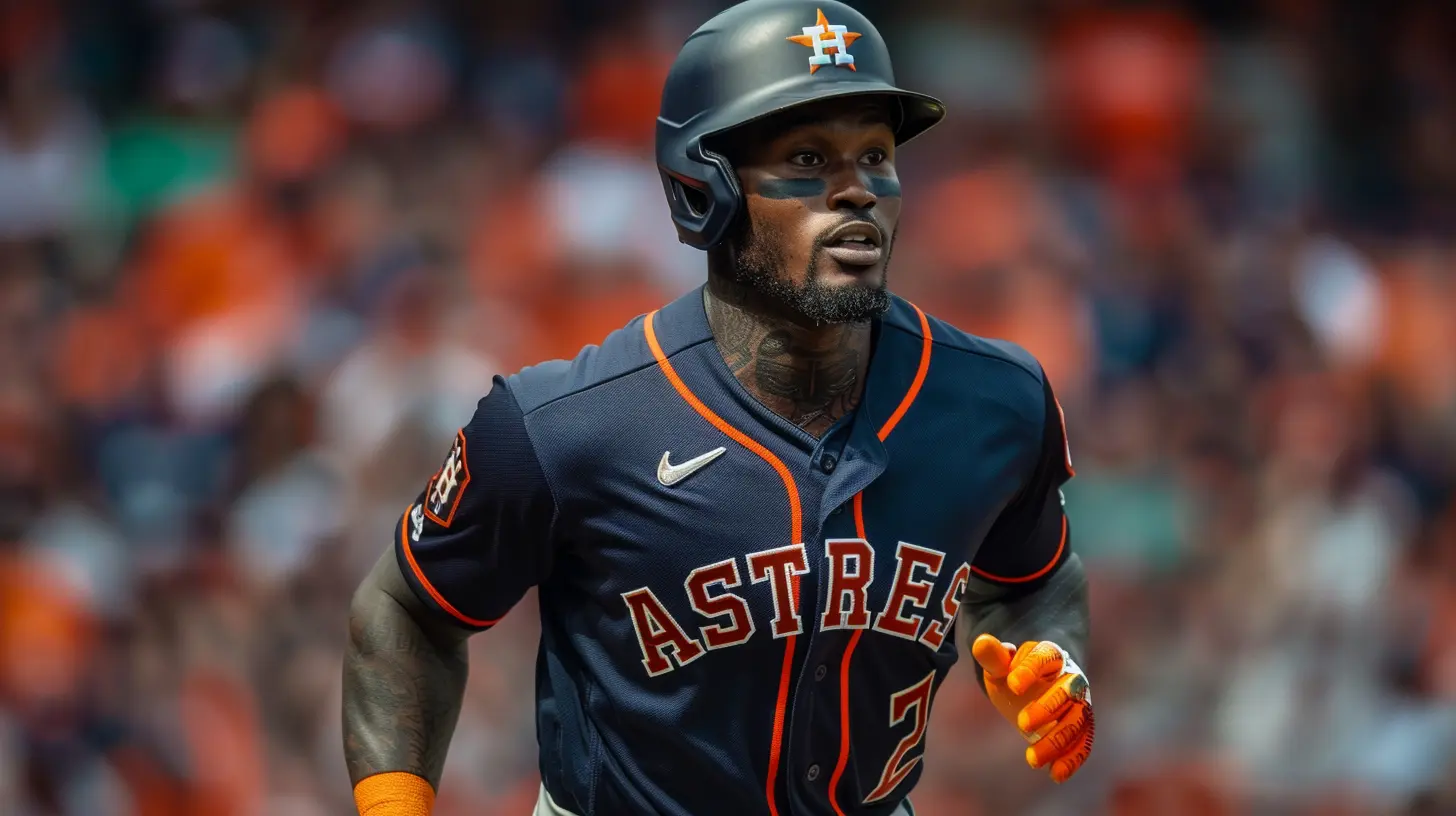
Legacy Over Stats?
Let’s be real: stats matter—but context is king.A player might put up huge numbers after a trade, but if it’s for a bottom-tier team with no playoff relevance, does it really boost their legacy? Not always. Fans and analysts alike weigh performance in high-pressure games heavier than regular-season dominance.
You could average 30 points a game, but if you're getting bounced in the first round every year... you’re not entering GOAT conversations. That’s just the savage truth of sports.
The “System Player” Debate
Sometimes a trade reveals something a little uncomfortable: maybe a player wasn’t as good without their original team’s system.We’ve seen players thrive under one coach or in one offensive scheme, only to flame out after a trade. Suddenly, that All-Star rep starts to feel... inflated. And trust me, the sports world doesn't forget.
On the other hand, some players go off after getting traded. They finally get the freedom to be themselves, or they land in the perfect role. When that happens, the narrative shifts from “role player” to “underrated gem.” Everyone loves a good redemption arc.
Media and Fan Perception
Let’s not ignore the elephant in the room—media drives a lot of legacy talk. If you get traded and the media is on your side, they’ll spin it as “a bold move for greatness.” If not? You’re painted as selfish, dramatic, or not a "team guy."Fans follow the media’s lead more often than not. So yeah, PR matters. A lot.
And in today’s social media landscape, one tweet or headline can define (or derail) your legacy in minutes. That’s the crazy world we live in.
The Hall of Fame Factor
Want to make it to the Hall of Fame? Trades can be both help and hindrance.Sometimes, a mid-career trade to a championship team is exactly what punches your ticket to Canton or Cooperstown. Just enough hardware to make your career look complete.
Other times, bouncing between teams can make your resume look… messy. Voters might see you as a journeyman rather than a legend. And unfortunately, perception can outweigh production.
Case Studies: Players Whose Legacies Were Changed by Trades
Let’s throw out a few real-life examples:Shaquille O’Neal
When Shaq left the Lakers and bounced around to Miami, Phoenix, Cleveland, and Boston, some said he tarnished his legacy. But winning a title in Miami shut most of that down. He proved he could win without Kobe, preserving his status as one of the greatest ever.Randy Moss
Traded from the Raiders to the Patriots, Randy Moss rejuvenated his career and came within a hair of an undefeated season. That trade showed people he still had elite juice, and arguably saved his legacy from being “what could’ve been.”Russell Westbrook
Westbrook’s post-OKC journey has been… complicated. He’s been traded multiple times, and while he’s still putting up numbers, the constant team-hopping has negatively impacted how people view his career. Once hailed as a triple-double machine, now he's often seen as a player who couldn't quite fit anywhere.Trades as a Test of Character
A trade isn't just a change of address. It's a test—of resilience, ego, and work ethic.Some players sulk after being traded. Others hit the gym harder, come back stronger, and rewrite their story. That reaction becomes a key part of how fans remember them.
Did they use the trade as fuel or fold under the weight of it?
The Team's Role in Shaping Legacy
Let’s not act like players are the only ones in this. Teams can shape a player’s legacy by how they handle the trade.Was it respectful? Messy? Out of nowhere? If a beloved player is traded without warning, the fanbase might turn on the front office and rally behind the player even more. But if the player forces their way out, they might lose that goodwill.
It’s a two-way street, and how both sides handle it impacts the long-term narrative.
The “What If” Game
Here’s where trades really mess with legacies: the eternal “what if.”What if a player had stayed and won a title later? What if the team had built around them instead of shipping them off? What if they had never left their prime destination?
These what-ifs can haunt careers. They’re baked into every legacy conversation, especially if a player never hits the same heights post-trade.
Can One Trade Ruin a Legacy?
Short answer: depends.Some players are so iconic that no trade can touch them. Others are on the bubble, and one bad move sends them into legacy limbo. It all comes down to timing, performance, and perception.
Look, legacy isn’t a stat. It’s a story. And every trade flips to a fresh page in that story—for better or worse.
Conclusion: Be Careful What You Wish For
Trades are a fact of life in pro sports. But for players, they’re more than transactions. They’re turning points. One blockbuster move can elevate a player to legend status—or send them into the "forgotten and traded three more times" zone.So next time you see that breaking news alert about your favorite player getting dealt, remember: it’s not just about where they’re going. It’s about how that move might rewrite their legacy forever.
all images in this post were generated using AI tools
Category:
Player TradesAuthor:

Easton Simmons
Discussion
rate this article
1 comments
Oberon McQuaid
Trading a player is like changing the seasoning in a recipe; it can make or break their legacy in unexpected ways...
July 23, 2026 at 2:52 AM
Easton Simmons
That's a great analogy. Just like a recipe, the right trade can enhance a player's career in surprising ways.