Sleepers Emerging During 2026 Scrimmages
8 September 2026
Every offseason, the same narrative plays out across college football and the NFL. Analysts dissect depth charts, fans argue about transfers, and coaches offer the obligatory "we have competition at every position" line. But the real story often unfolds quietly, away from the cameras, during those closed-door scrimmages that never make the highlight reels. The 2026 preseason cycle is no different, and if you are paying attention to the right signals, you can spot the sleepers before they become household names.
Scrimmages are deceptive by nature. They are not real games, but they are not practice drills either. They sit in a strange middle ground where the coaching staff is evaluating effort, assignment discipline, and football instincts under live contact, but with a scripted playbook that often hides the full offensive and defensive schemes. That is precisely why sleepers emerge here. A player who shines in a scrimmage is not just beating air; he is beating a teammate who wants his job. That competitive tension produces genuine information, if you know how to read it.
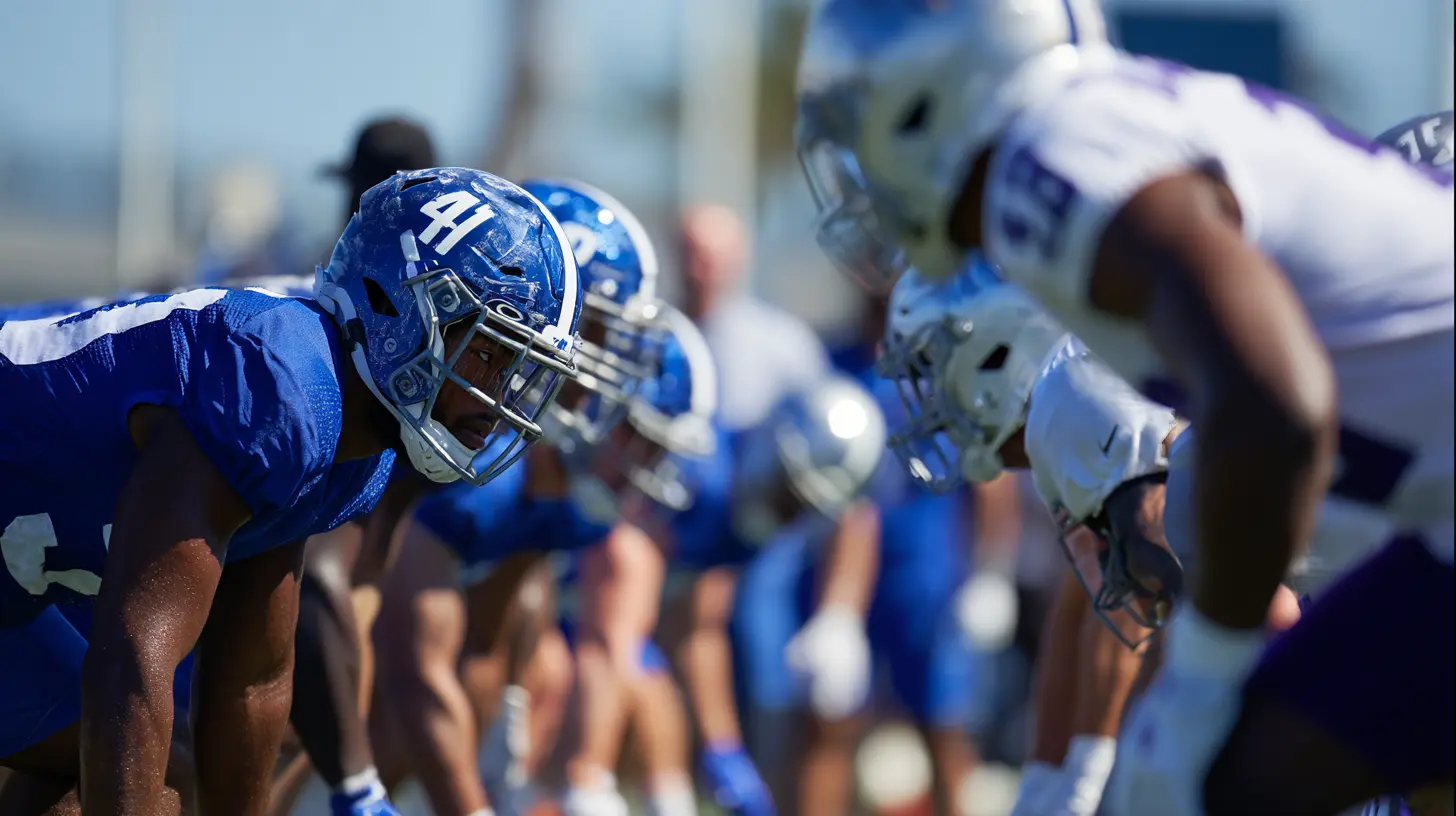
Why Scrimmages Reveal More Than Spring Games
The spring game has become a glorified fan event. Coaches simplify the playbook, split the roster into offense versus defense regardless of actual team structure, and call safe, vanilla plays to avoid injuries and embarrassment. A walk-on running back might rip off a sixty-yard touchdown against the third-team defense, and suddenly message boards light up with hype. But that run tells you almost nothing about his ability to pass protect or run the correct route on third down.Closed scrimmages, especially those held during fall camp, are different. They are often situational. The offense might start at its own two-yard line. The defense might be told to blitz on every down. The kicking game gets live reps with real returners, which rarely happens in spring. These are pressure-cooker environments designed to simulate the worst-case scenarios of a real game. When a player performs well in those conditions, it carries weight.
Take the example of a third-year cornerback who has spent two seasons buried on the depth chart. In a regular practice, he might look fine. But in a scrimmage, when the first-team offense runs a pick play near the goal line, his ability to fight through traffic and break up the pass tells the coaching staff something that film study alone cannot capture. That is the kind of moment that moves a player from the scout team to the two-deep.
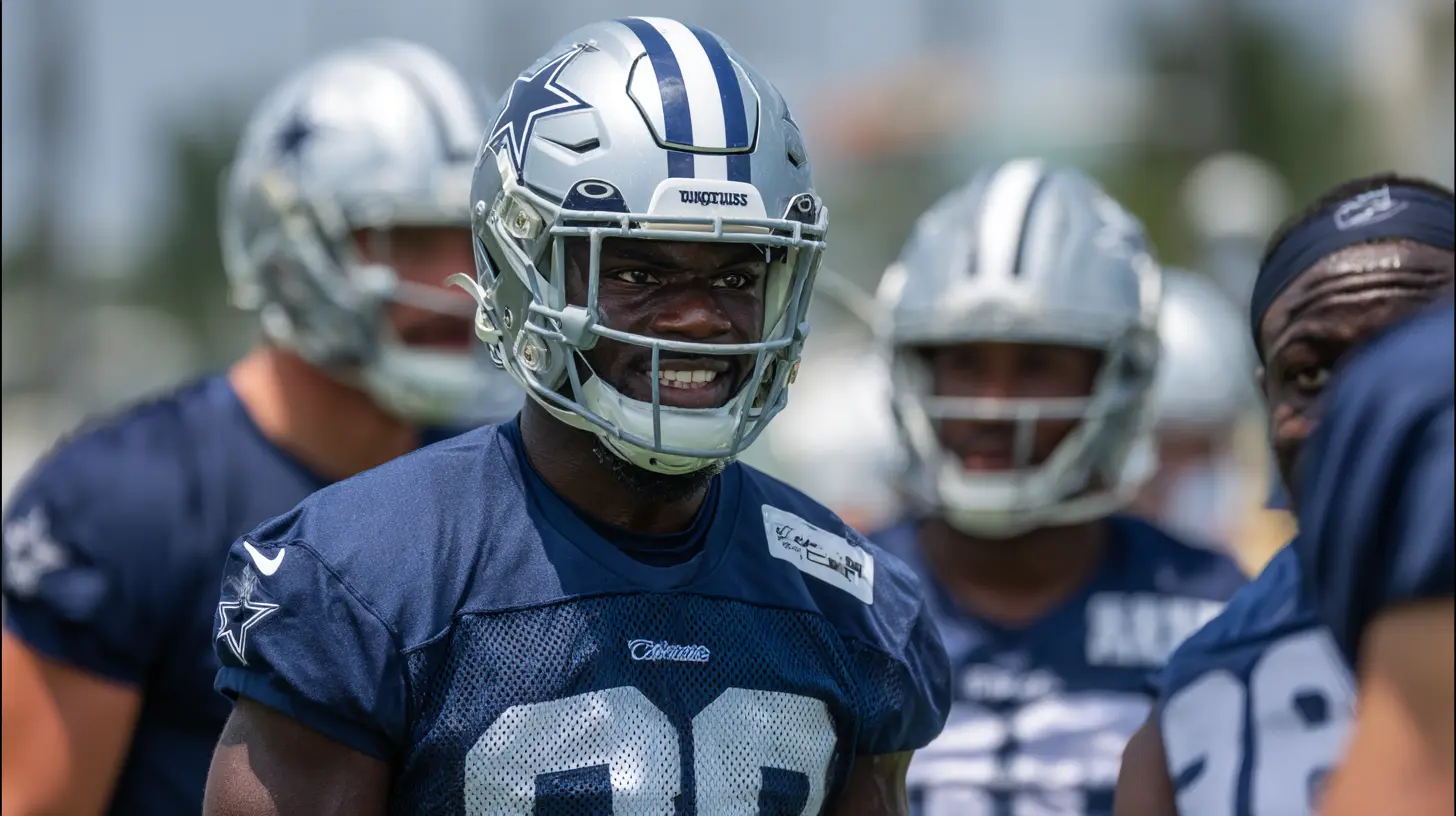
The Undrafted Free Agent Who Keeps Showing Up
Every year, the NFL has a handful of undrafted free agents who make the roster because of what they do in training camp scrimmages. The 2026 cycle has a few names that are starting to circulate among league insiders, though none of them will be on your fantasy radar yet.One such player is a safety from a Group of Five program who went undrafted primarily because of a mediocre forty-yard dash time. In the scrimmages against the team's own offense, he has been a nuisance. He diagnoses screen passes a beat early, fills the alley on outside runs without hesitation, and has shown a knack for punching the ball out at the end of tackles. The coaching staff loves his violence, but they are also noticing his football IQ. In one particular scrimmage, he adjusted the secondary coverage at the line of scrimmage based on the offensive formation, something that veteran safeties often struggle to do in their first year.
The trade-off with a player like this is simple. His athletic ceiling is lower than the drafted rookie, but his floor is higher because he rarely makes mental mistakes. In a real game, a missed assignment at safety leads to a touchdown. A player who is a half-step slower but always in the right position is more valuable to a defensive coordinator who blitzes heavily and leaves his safeties on islands. The mistake that teams make is falling in love with the combine numbers and ignoring the scrimmage tape. This safety is not going to run a 4.4, but he is going to be in the right spot on third-and-long, and that is what keeps drives alive for the defense.
Quarterback Battles: The Backup Who Moves the Chains
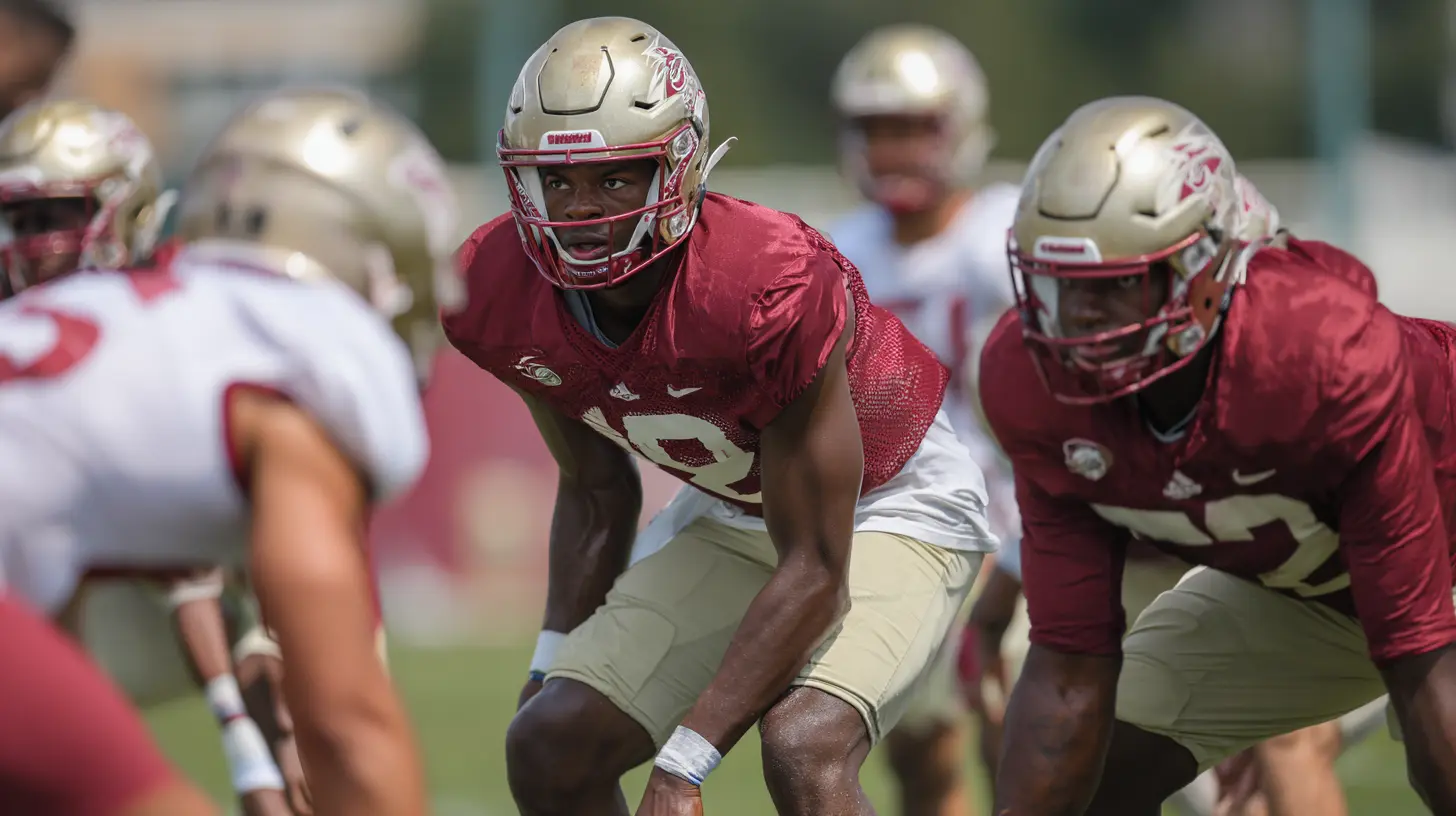
The most scrutinized position in any scrimmage is quarterback, but the sleeper is rarely the starter. He is the backup who runs the scout team against the first-team defense. In 2026, there is a fascinating case developing in the ACC where a redshirt freshman is making life miserable for his own defensive starters.This quarterback does not have the strongest arm on the roster. He is not going to throw the ball through a brick wall. But he is exceptionally accurate on intermediate throws, especially the dig routes and deep outs that require timing and trust. In scrimmages, he has been completing passes against tight coverage because he throws the ball before the receiver breaks, not after. That is a trait that cannot be taught. It is a combination of anticipation, film study, and raw confidence.
The reason he is a sleeper is that the starter ahead of him is a senior with a cannon arm and starting experience. The coaching staff is not going to bench the senior based on a few scrimmages. But the coaching staff is also watching how the offense functions differently under this young quarterback. The tempo is faster. The ball comes out quicker. The receivers are not having to adjust to poorly placed deep balls. There is a real possibility that if the starter struggles in the first two weeks of the season, the coaching staff will make a change, not because the backup is more talented, but because he makes the offense more efficient.
The common misconception is that quarterback battles are won by splash plays. In reality, they are won by consistency in the red zone and on third down. Scrimmages that are scripted to emphasize those situations give the backup a chance to show that he can manage the game, even if he cannot throw for four hundred yards.
The Position Change Sleeper
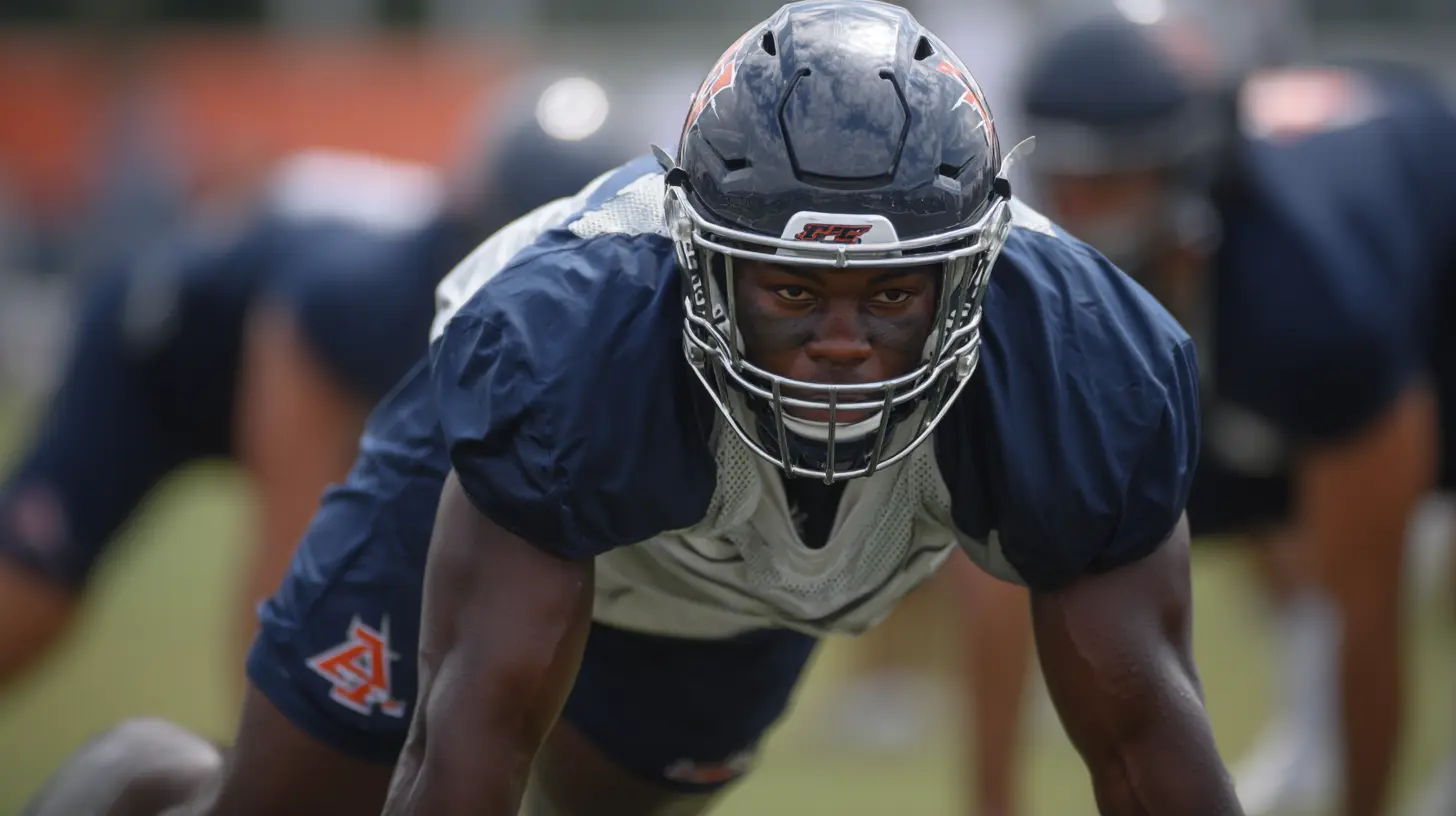
One of the most overlooked sources of scrimmage sleepers is the player who has recently changed positions. In 2026, there is a wide receiver in the Big Ten who converted from cornerback after his freshman year. He has the size and physicality of a defensive back, which makes him a mismatch against smaller slot corners. But his route running is still raw, and he does not have the natural separation skills of a player who has been catching passes since middle school.However, in the scrimmages this fall, he has become a red zone weapon. His background in defense gives him an innate understanding of what the cornerback is trying to do. He knows when a defensive back is about to jump a route, so he sells the double move better than most. He also high-points the ball with the aggression of someone who used to contest catches rather than make them.
The trade-off here is obvious. He is not going to be a volume receiver. He might only catch three or four passes per game. But if two of those catches come in the red zone and result in touchdowns, his value to the team is higher than a receiver who catches eight balls for eighty yards but never scores. Coaches are starting to realize that a position-change player often brings a unique skill set that the traditional development path does not produce. The scrimmages are where that realization first takes root, because the player is forced to react rather than think.
Offensive Line Depth: The Unheralded Hero
Offensive line play is the hardest to evaluate in scrimmages because fans and media rarely know the assignments. But the coaches do, and that is where the sleepers emerge. The 2026 season has a promising guard who was a three-star recruit and has spent two years in the weight room. He is not the biggest player on the line, but he has exceptional lateral quickness and a nasty temperament.In the scrimmages, he has been asked to block the team's best interior pass rusher, a player who is projected as a top-fifty pick in the next draft. The young guard has held his own, not by overpowering the rusher, but by using better hand placement and leverage. He gets his hands inside the rusher's chest early, resets his feet quickly, and does not panic when the rusher tries a spin move.
The important thing to understand about offensive line scrimmage reps is that they are often unscripted. The defense is allowed to stunt and twist, and the offensive line has to communicate. A young guard who can make the correct calls at the line of scrimmage and pick up a blitzing linebacker is worth his weight in gold. That is what this player has been doing. He is not a starter yet, but he has forced the coaching staff to consider a rotation, which is rare for an interior lineman.
The common mistake that fans make is judging offensive linemen by pancake blocks or highlight plays. In reality, the best offensive linemen are the ones who are never noticed. They do not allow pressure, they do not commit penalties, and they do not miss assignments. The scrimmage is the only place where you can truly evaluate that consistency, because the defense is throwing everything they have at you.
The Special Teams Ace
Special teams do not get the attention they deserve in scrimmage analysis, but they are where many roster sleepers earn their keep. The 2026 season has a rookie punter who was signed as a free agent after going undrafted. He has a powerful leg, but his hang time has been inconsistent. In the scrimmages, he has been working on directional punting, aiming for the sideline to force fair catches.The sleeper here is not the punter, but the gunner on the punt coverage team. This player is a backup cornerback who has not impressed in defensive drills. He is a step slow in coverage and gets beaten on double moves. But on punts, he is a missile. He releases at the snap, avoids the jam at the line, and gets down the field in a straight line with excellent acceleration. In the scrimmages, he has downed two punts inside the five-yard line, which is a game-changing play.
Coaches keep him on the roster because he provides field position advantage. The trade-off is that he takes up a roster spot that could go to a more polished defensive back. But if he can consistently pin opponents deep, he is worth more than a player who only sees the field on obvious passing downs. The scrimmage reps are where he proves that he can do it against live competition, not just in drills.
How to Watch Scrimmage Reports Without Being Fooled
The biggest problem with scrimmage reports is that they are filtered through the coaching staff. A coach might say that a player "had a good day," but that could mean he did his job without making a mistake, or it could mean he scored three touchdowns. You have to read between the lines.When you hear that a defensive lineman was "in the backfield all day," that is a good sign, but it does not tell you whether he was playing against the first-team offensive line or the third-team. Similarly, when you hear that a receiver "made a spectacular catch," you need to ask whether it was a perfectly thrown ball or a poorly thrown ball that he adjusted to. The latter is more impressive, but it is rarely reported that way.
The best approach is to look for names that appear in multiple scrimmage reports over a period of two to three weeks. A one-day flash can be a fluke. A player who consistently makes plays in three different scrimmage settings is showing a pattern. That is the definition of a sleeper. He is not a one-hit wonder; he is a player who is gradually proving that he belongs on the field when the games count.
The Role of Injuries in Creating Sleeper Opportunities
It is an unfortunate reality that injuries are the most common way that sleepers get their chance. The 2026 scrimmages have already seen a few key injuries that have opened doors for unproven players. A starting linebacker in the SEC went down with a hamstring strain, which forced a sophomore who had only played on special teams into the first-team rotation.This sophomore is not a physical specimen. He is undersized and does not have elite speed. But he has exceptional instincts against the run. In the scrimmages, he has been filling the correct gaps and shedding blockers with surprising efficiency. The coaching staff has noticed that the defense does not lose much when he is on the field. That is the highest compliment you can give a backup.
The cautionary tale here is that coaches often overvalue experience in real games. They will start a veteran who is healthy enough to play but is clearly not at one hundred percent, rather than trusting a younger player who has been performing well in practice. The sleeper's job is to make that decision impossible by being so consistent that the coach cannot justify benching him. The scrimmage is the only place where that consistency can be proven before the pressure of a real game.
What Coaches Look For That Fans Miss
Fans watch the ball. Coaches watch the feet, the hands, and the eyes. In a scrimmage, a coach is looking for three specific things that do not show up in a box score.First, they want to see if a player can handle a mistake. If a receiver runs the wrong route and the quarterback throws an interception, does the receiver hang his head? Does he apologize repeatedly? Or does he come to the sideline, look the coach in the eye, and ask what he did wrong? The mental resilience of a player is often more important than his physical talent.
Second, they want to see if a player can sustain his effort. A defensive end who goes all-out on the first play but takes the next two plays off is not a starter. The scrimmage is a test of endurance, both physical and mental. The players who are still fighting on the twenty-fifth rep are the ones who will make a difference in the fourth quarter of a tight game.
Third, they want to see how a player reacts to coaching. When a position coach pulls a player aside and corrects a technique flaw, does the player apply that correction on the next rep? Or does he make the same mistake again? The ability to process coaching in real time is a rare trait, and it is one of the strongest indicators of future success.
The Danger of Overhyping Scrimmage Performances
For every sleeper who emerges from a scrimmage and becomes a star, there are ten players who look great in August and disappear by October. The reason is that scrimmages lack the unpredictability of a real game. The offense knows the defense's tendencies because they practice against each other every day. The defensive coordinator is not going to show his full blitz package in a scrimmage. The quarterback is not going to throw into tight windows when he knows the safety is lurking.This is why you should treat scrimmage hype with healthy skepticism. A player who dominates in a scrimmage is worth monitoring, but he should not be anointed as a starter or a fantasy sleeper until he does it in a real game against an opponent who has no loyalty to him. The best approach is to use scrimmage reports as a starting point for deeper research, not as a conclusion.
Realistic Expectations for the 2026 Season
If you are looking for sleepers to emerge from the 2026 scrimmages, set your expectations appropriately. A true sleeper is not a player who will lead the league in touchdowns. He is a player who will outperform his draft position or his roster spot. That might mean a third-string running back who becomes the goal-line back. It might mean a backup cornerback who becomes the nickel defender on third downs. It might mean a special teams ace who forces a crucial fumble in a big game.The value of a sleeper is not in his raw stats, but in his impact on winning. A player who secures a roster spot and contributes on special teams is a success story. A player who starts only half the season because of an injury to the starter is a success story. The narrative of the undrafted free agent becoming a Pro Bowler is rare and should not be the expectation.
Final Thoughts on Scrimmage Evaluation
The scrimmages of 2026 are happening right now, and the information is out there if you know where to look. Pay attention to the reports from beat writers who attend the practices. Listen to what the coaches say in their press conferences, but more importantly, watch what they do. If a player who was previously buried on the depth chart suddenly takes reps with the first team in a scrimmage, that is a sign.Trust your own eyes when you eventually see these players in real games. Do not let the hype from a scrimmage cloud your judgment. The transition from practice to game speed is the ultimate filter. Some players will thrive, and others will fade. The sleepers who truly emerge are the ones who have the mental toughness to handle the bright lights, the physical stamina to play four quarters, and the humility to keep working when they are not the star.
The scrimmage is the first step, not the last. But for the players who use it wisely, it is the most important step of their careers.
all images in this post were generated using AI tools
Category:
Preseason AnalysisAuthor:

Easton Simmons
Discussion
rate this article
2 comments
Selene McAndrews
The 2026 scrimmages have revealed some intriguing talent. Players who previously flew under the radar are stepping up, showcasing skills that could reshape team dynamics. Keep an eye on these sleepers; they might surprise us all.
September 16, 2026 at 3:13 AM
Abram McKellar
Exciting times ahead! Can't wait to see these sleepers shine this season!
September 14, 2026 at 2:40 AM