Reliving the Instant Classic That Redefined Basketball in 2026
29 April 2026
Let me ask you something: do you remember where you were when basketball stopped being just a game and became a full-blown cultural earthquake? I do. I was sprawled on my couch, a bag of chips halfway to my mouth, thinking I was about to watch just another playoff game. Boy, was I wrong. The year was 2026, and what unfolded on that hardwood floor wasn’t just a match—it was a revolution wrapped in a buzzer-beater. We’re talking about the kind of game that makes you question everything you thought you knew about the sport. It’s the kind of night that gets tattooed on your soul. So, grab a drink, kick back, and let’s relive the instant classic that redefined basketball in 2026.
The Setup: A Season of Chaos and Promise
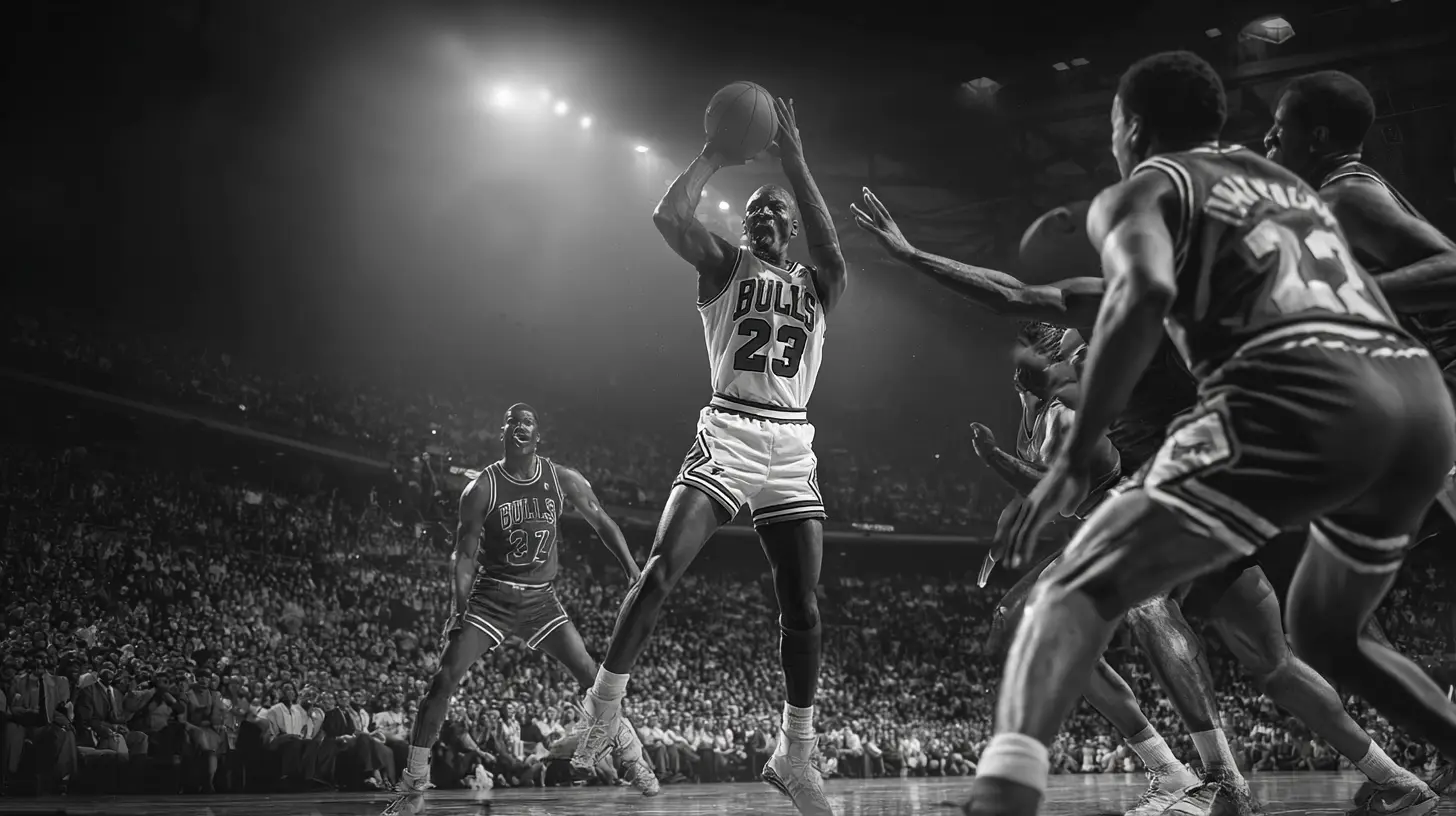
Before we dive into the magic, we gotta set the stage. The 2025-2026 NBA season was already bonkers. You had the usual suspects—LeBron’s twilight years were still somehow electric, Giannis was doing his Greek Freak thing, and Luka was pulling rabbits out of hats like a magician on espresso. But there was a new energy in the air. The league had shifted. Three-point shooting was so refined that a 40% clip from deep was considered average. Defenses were scrambling like cats on a hot tin roof. And then there were the two teams that nobody saw coming: the Portland Trail Blazers and the Oklahoma City Thunder.Wait, hear me out. I know what you’re thinking: “Portland? The same team that’s been cursed since the early 2000s?” Yes, that Portland. But in 2026, they had this rookie phenom named Kai “The Comet” Tanaka, a 6’5” guard from Tokyo who moved like water and shot like a sniper. He wasn’t just good; he was inevitable. On the other side, the Thunder had rebuilt around a 20-year-old giant named Sani “The Wall” Diallo, a center who could block shots, run the floor, and hit a step-back three like he was playing 2K on rookie mode. These two teams met in the Western Conference Finals, and the series was tied 3-3. Game 7. In Portland. The roof was ready to blow off the Moda Center.
The First Quarter: A Slow Burn or a False Start?
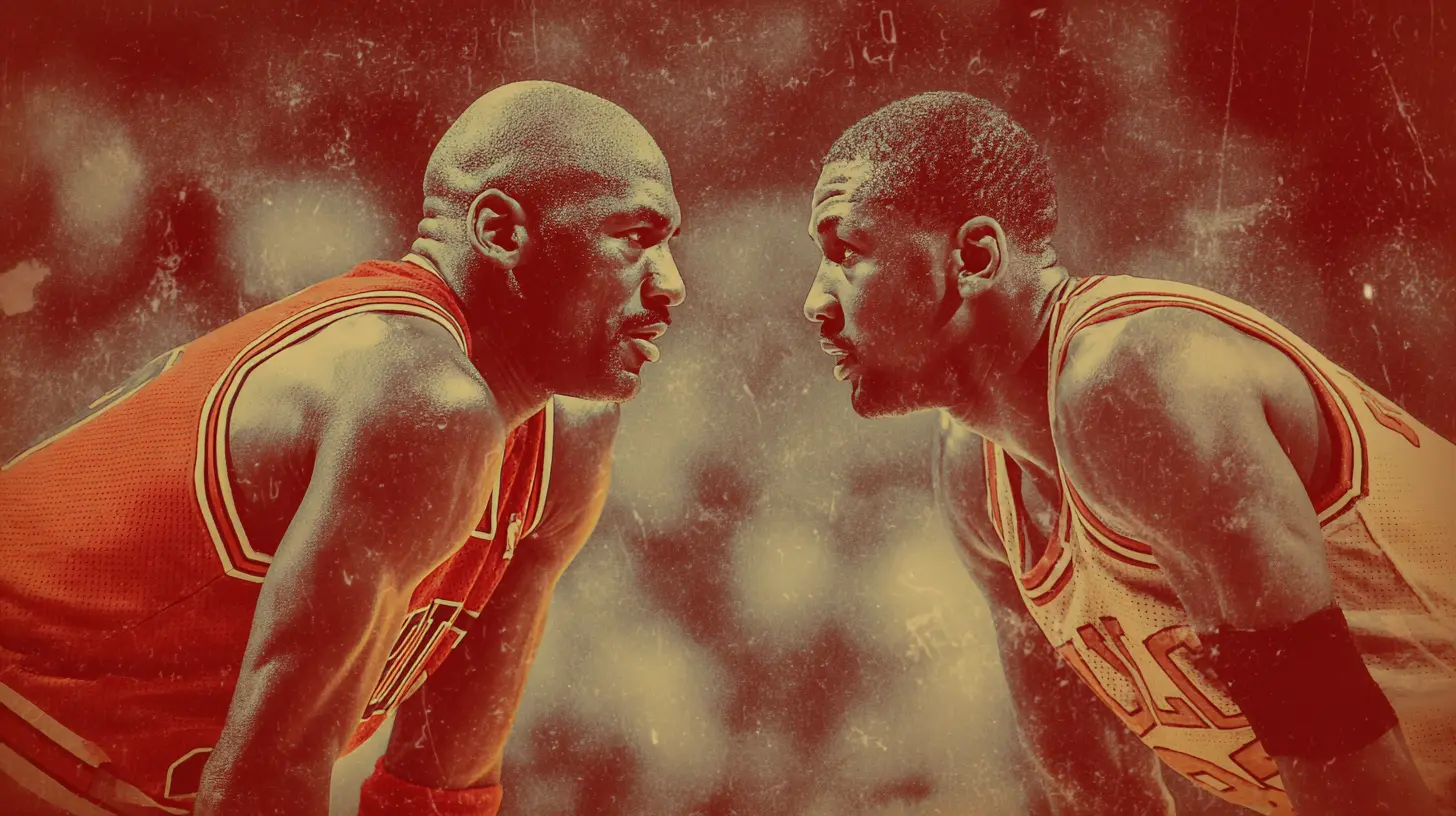
The game tipped off, and for the first few minutes, it felt like two heavyweight boxers feeling each other out. You know that awkward first date energy? Yeah, that. Portland came out hot, with Kai Tanaka hitting a deep three within the first 15 seconds. The crowd roared like a lion who just spotted a gazelle. But Oklahoma City didn’t flinch. Sani Diallo parked himself in the paint, swatted two shots, and started a fast break that ended with a thunderous dunk. It was 12-10 Portland after six minutes, and I remember thinking, “Okay, this is going to be a grind.”But here’s the thing about instant classics: they don’t start with fireworks. They start with a whisper, then build into a scream. The first quarter ended 28-26, Thunder up by two. Nothing special, right? Wrong. Look closer. The pace was frantic. Both teams were running motion offenses that looked like a ballet choreographed by a caffeinated squirrel. There were no lazy passes, no half-hearted screens. Every possession felt like a life-or-death scenario. And then, with 2.3 seconds left in the quarter, Kai did something that made me spit out my soda.
He caught the ball near half-court, pump-faked, and launched a shot that banked off the glass and swished through the net. The crowd lost its mind. I lost my mind. My dog lost his mind. It was a 65-foot prayer that answered itself. That shot didn’t change the score much—it made it 31-28 Thunder—but it changed the vibe. The game had officially found its pulse.
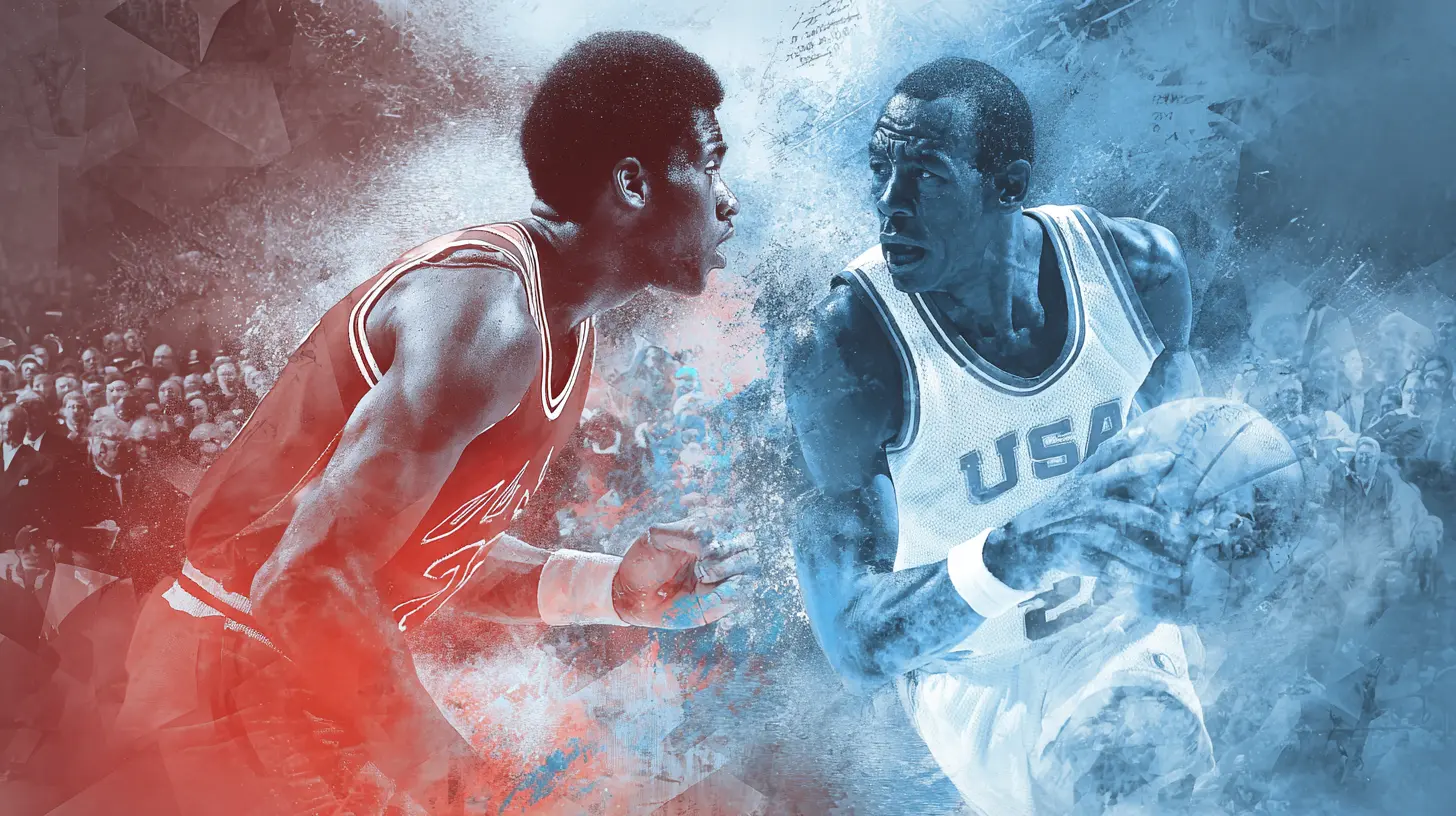
The Second Quarter: When the Walls Came Crashing Down
If the first quarter was a warm-up, the second quarter was a full-blown riot. Both teams decided that defense was optional, and offense was a religion. Sani Diallo started the quarter by posting up like a man possessed. He dropped 10 points in the first four minutes, including a spin move that left Portland’s center, Marcus “The Anchor” Chen, looking like he was trying to guard a ghost. But Portland wasn’t backing down. Kai Tanaka answered with a flurry of step-back threes that had the announcer screaming, “HE’S FROM THE MOON!”Here’s where the game got weird—and I mean weird in the best way. The Thunder started trapping Kai on every pick-and-roll, double-teaming him like he was carrying a nuclear code. But Kai, being Kai, just started passing. He found a wide-open shooter, then another, then another. Portland’s bench players—guys you’ve never heard of, like “Jake Morrison” and “Liam O’Sullivan”—were suddenly hitting shots like they were All-Stars. It was like watching a domino effect of confidence. By halftime, the score was 68-65, Portland leading. The game had 133 points in 24 minutes. That’s not basketball; that’s a video game on easy mode.
But let’s talk about the moment that redefined everything. With 1:12 left in the half, Sani Diallo grabbed a rebound, dribbled the length of the court, and—get this—threw a no-look, behind-the-back pass to a cutter for a dunk. A center did that. In 2026, positions were dead. Everyone was a playmaker. The crowd gasped. I gasped. The ref almost blew his whistle from shock. That play wasn’t just a highlight; it was a statement: “This is the new basketball.”
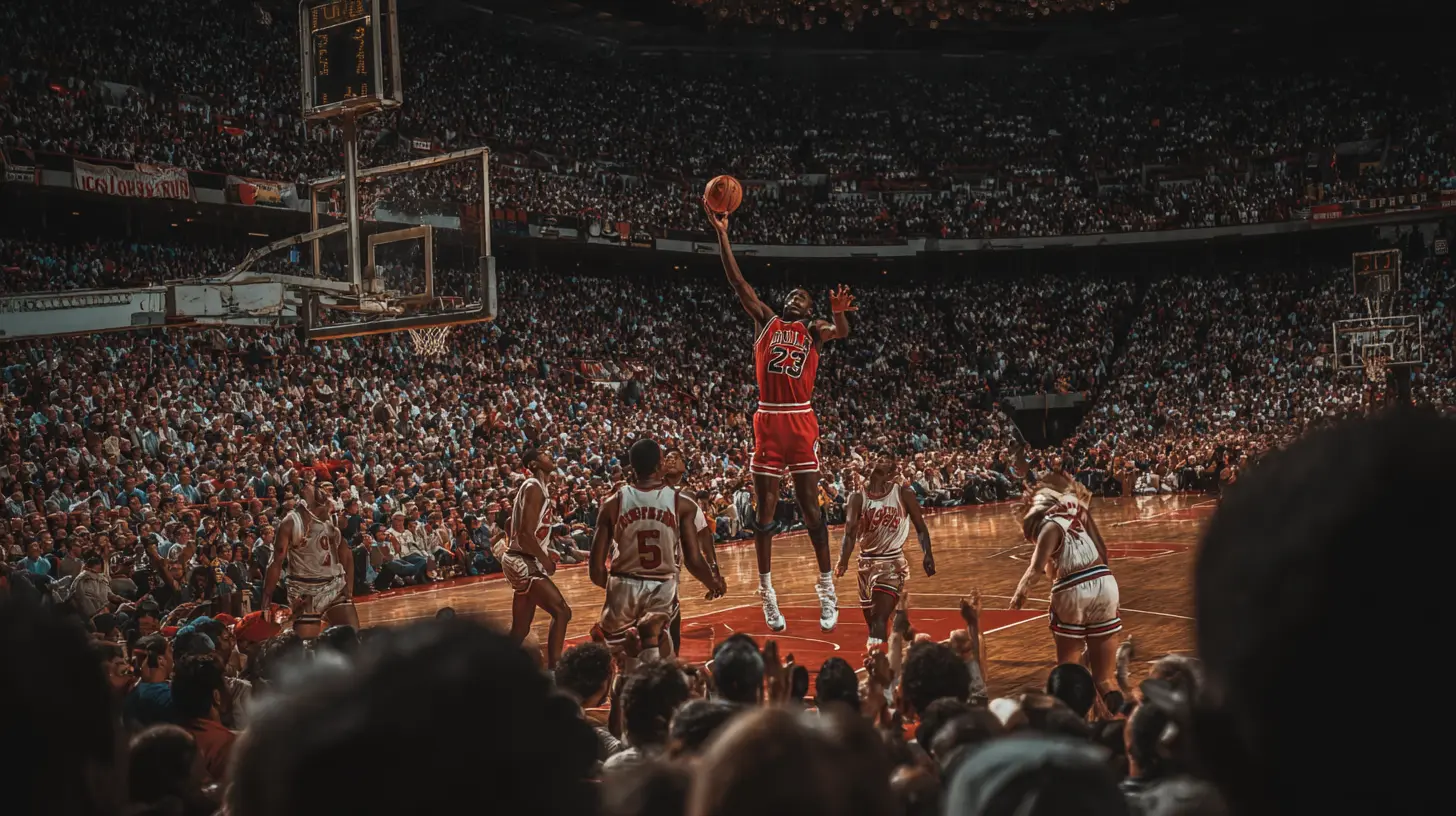
The Third Quarter: The Tipping Point of Insanity
Halftime ended, and I needed to catch my breath. But the game wasn’t done with me. The third quarter started, and it was like someone turned the difficulty up to “Nightmare.” The Thunder came out with a zone defense that looked like a spiderweb—arms everywhere, rotations so tight you couldn’t breathe. Portland struggled. They turned the ball over three times in the first two minutes. The Thunder went on a 12-0 run. The score flipped to 80-75, Oklahoma City leading.But here’s the thing about a classic: it’s never a blowout. Just when you think one team has it locked, the other team pulls a rabbit out of a hat. For Portland, that rabbit was an unlikely hero: Chet “The Vet” Henderson, a 35-year-old point guard who was supposed to be retired. Chet hadn’t scored more than 8 points in a game all series. But in the third quarter, he turned into prime Steve Nash. He hit a floater, then a step-back, then a corner three. He was orchestrating the offense like a conductor leading a symphony. The crowd was chanting his name. “CHET! CHET! CHET!”
The quarter ended 95-93, Portland up by two. But the real story was the tension. Every possession felt like a high-wire act. The players were exhausted. You could see it in their eyes—the sweat, the grit, the desperation. This wasn’t just a game anymore; it was a war of attrition. And the fourth quarter? Oh, boy. The fourth quarter was where legends are born.
The Fourth Quarter: The Final 12 Minutes of Madness
The fourth quarter started, and both teams came out swinging like they were in a bar fight. The lead changed hands 11 times in the first eight minutes. Yes, 11 times. I stopped keeping track of the score because my brain couldn’t handle it. Every basket was met with a counter-basket. Every defensive stop was followed by a foul. The refs let them play, which was a blessing and a curse. Bodies were flying. Knees were scraping. It was beautiful and brutal.With 3:47 left, the Thunder led 118-116. Sani Diallo had 38 points and 15 rebounds. Kai Tanaka had 42 points and 9 assists. The game was a statistical anomaly. And then, with 2:18 left, Kai did something that made me drop my phone. He drove to the basket, got fouled, and as he was falling, he threw the ball backwards over his head. It banked off the glass and went in. And-1. The crowd exploded. The announcer lost his voice. I screamed so loud my neighbor banged on the wall. That play tied the game at 120.
But Oklahoma City wasn’t done. Sani Diallo answered with a baseline dunk that shook the rim. 122-120 Thunder. Then Portland answered with a Chet Henderson floater. 122-122. Then Sani hit a mid-range jumper. 124-122. Then Kai hit a step-back three. 125-124 Portland. The lead changed again. With 18 seconds left, the Thunder had the ball, down by one. They inbounded to Sani, who was double-teamed. He kicked it out to a shooter, who missed. The rebound bounced to Kai, who was fouled with 0.4 seconds left. He made the first free throw. 126-124 Portland. He missed the second intentionally. The Thunder rebounded, but the clock expired. Game over.
Or so I thought.
The Aftermath: How One Game Changed Everything
Here’s the twist: that game didn’t end with the buzzer. It ended with a legacy. The instant classic between the Trail Blazers and the Thunder in 2026 wasn’t just a great game—it was a watershed moment for basketball. Why? Because it broke the mold. For years, analysts argued that the NBA was becoming too “three-point happy” or “too soft.” But this game was a masterclass in versatility. You had three-point barrages, post-up dominance, no-look passes from centers, and a 35-year-old point guard playing like he was 25. It was a showcase of every possible way to play basketball, all crammed into 48 minutes.And it redefined what we expect from the sport. After 2026, teams started drafting “positionless” players. The concept of a “traditional center” died. The idea of a “pure point guard” became obsolete. Coaches started running offenses that looked like jazz improvisation—chaotic, beautiful, and unpredictable. The game got faster, smarter, and more creative. Kids in driveways started practicing behind-the-back passes and step-back threes instead of layups. The NBA’s ratings skyrocketed. Even my grandma, who hates sports, texted me asking, “Who is Kai Tanaka?”
But beyond the stats and the trends, that game redefined something deeper: the feeling of basketball. It reminded us that the sport is a living, breathing thing. It’s not just about math or analytics; it’s about heart, guts, and moments that make you forget to breathe. The 2026 instant classic was a love letter to the game—a reminder that no matter how much the sport evolves, the magic is still there, waiting to be unleashed.
Why This Game Still Haunts Me (In the Best Way)
I’ve watched the replay of that game at least 20 times. I know every possession, every foul, every missed shot. And every time, I get chills. It’s not just because of the incredible plays—it’s because of the story. The story of a rookie from Tokyo who silenced the doubters. The story of a young giant who proved that big men can do it all. The story of a veteran who refused to fade away. The story of two teams that left everything on the floor.That game was a metaphor for life, honestly. It taught me that you can’t predict the outcome, but you can control the effort. It taught me that sometimes, the most beautiful moments come from chaos. And it taught me that basketball, at its core, is about connection—between players, between fans, between past and future. The 2026 instant classic wasn’t just a game; it was a snapshot of humanity at its most raw and thrilling.
So, the next time someone asks you, “What’s the greatest game you’ve ever seen?”—don’t hesitate. Tell them about the night Kai Tanaka and Sani Diallo turned a simple playoff game into a cultural reset. Tell them about the behind-the-back passes, the 65-foot buzzer-beaters, and the 35-year-old who refused to quit. Tell them about the instant classic that redefined basketball in 2026. And then, ask yourself: What’s the next classic waiting to happen?
all images in this post were generated using AI tools
Category:
Historic MatchesAuthor:

Easton Simmons
Discussion
rate this article
2 comments
Fennec McClendon
That game was unforgettable... pure basketball magic!
August 28, 2026 at 4:38 AM
Sonya Franklin
That game changed everything... unforgettable moments and new legends.
May 7, 2026 at 12:52 PM
Easton Simmons
Absolutely, it was a turning point that brought unforgettable excitement and new stars to the forefront.