How to Manage Time as a Student and Amateur Athlete
5 December 2025
Being a student is already a full-time job. Between lectures, assignments, exams, and trying to maintain some sort of social life, there’s barely enough time to catch your breath. Now toss in daily practices, weekend tournaments, and gym sessions, and you’ve got yourself a double shift. Sound familiar?
If you're juggling textbooks and training shoes, you're not alone. Managing time as a student and amateur athlete can feel like trying to balance a spoon on your nose while riding a unicycle — tricky but definitely doable. Let’s break it down and make your life just a bit more manageable.
Why Time Management Matters More for Student Athletes
You’ve probably heard this a thousand times: “Time is money.” But for student-athletes, time is also performance, sanity, and sleep. Unlike students who can afford to binge-watch Netflix on a weekday night, you’ve got training, recovery, and a rigid schedule that leaves little room for error.Good time management isn't just about keeping your grades up. It's about:
- Preventing burnout
- Maintaining physical and mental health
- Improving athletic performance
- Staying academically eligible
- Actually enjoying your life
Let’s dig into how you can make the most of the 24 hours we all get.
Step 1: Get Clear on Your Priorities
Ever notice how your calendar fills up fast when you're not intentional? That’s because if you don’t own your time, something or someone else will.School or Sports — Which Comes First?
Let’s be real. Sometimes, a big game and an important midterm land on the same week. You’ll have to make tough choices. But here's the thing — you don’t have to choose one over the other forever. You just have to manage them both smartly.Make a list of your long-term goals for both school and sports. Ask yourself:
- Are you aiming for a sports scholarship?
- Is your academic career your main ticket?
- Can you realistically go pro in your sport?
Understanding what matters most will help you prioritize your day-to-day.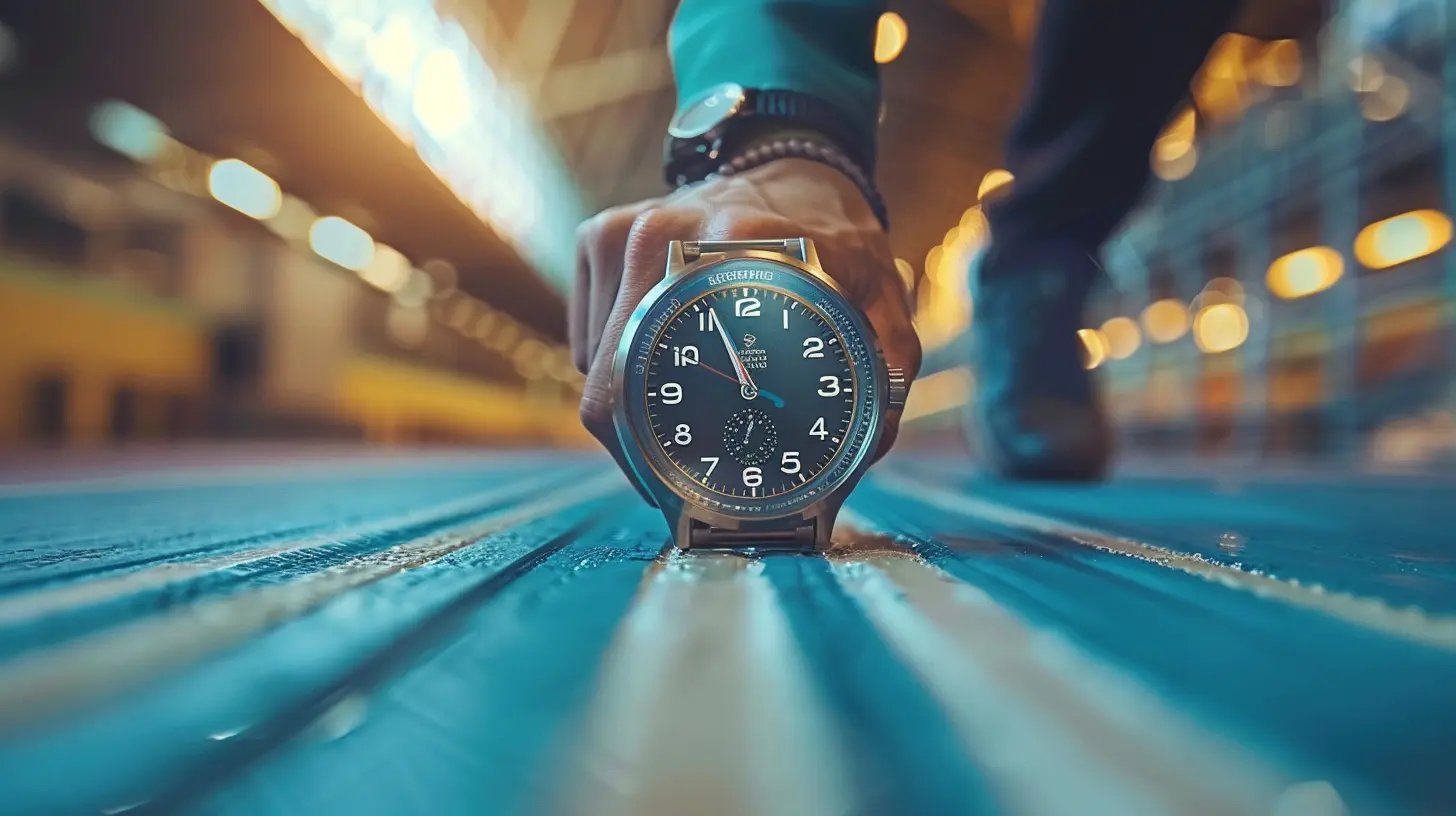
Step 2: Embrace the Power of Planning
If time were a budget, most student-athletes are overdrafting constantly. That’s why a solid plan is your lifeline.Use a Weekly Planner (Yes, Really)
Sounds old school, but it works. Whether it's a physical planner, Google Calendar, or an app like Notion, block out your week every Sunday evening. Include:- Class times
- Practices
- Gym sessions
- Sleep (non-negotiable!)
- Meals
- Study blocks
- Travel time for games or meets
Time Blocking Is Your Secret Weapon
Instead of having a vague to-do list, assign specific hours to each task. For example:- 7:00 AM – Gym session
- 9:00 AM – Physics lecture
- 1:00 PM – Study session (library)
- 4:00 PM – Practice
- 7:00 PM – Dinner & wind-down
- 8:00 PM – Review class notes
This method forces you to stay focused and eliminates the panic of “What do I do next?”
Step 3: Master the Art of Saying "No"
This is where it gets uncomfortable. Being a student-athlete means you can’t say yes to every social invite, party, or late-night hangout. And that’s okay.Choose Quality Over Quantity
Instead of trying to be everywhere, pick a few meaningful events or people to spend time with. You’ll be more present and less drained.Remember: Every "yes" to something is a "no" to something else — possibly sleep, study, or recovery.
Step 4: Kill Procrastination Before It Kills Your Grade
Procrastination is a silent killer. Not just of grades, but also of athletic focus. The stress of unfinished assignments can weigh on your mind, even during a game.Try the Two-Minute Rule
If something takes less than two minutes to do — like replying to an email or reviewing flashcards — just do it immediately. These small wins add up.Break Work Into Chunks
Instead of dreading a 2,000-word essay, plan to write just 300 words each day. That’s manageable AND efficient.Step 5: Sleep Like Your Performance Depends on It (Because It Does)
You might think cutting sleep is an easy way to steal more time. Tempting? Sure. Smart? Not even close.Why Sleep Matters for Student Athletes
- Helps with muscle recovery- Improves memory and focus
- Reduces injury risk
- Balances stress hormones
Aim for at least 7–9 hours of sleep. If you can, sneak in a 20-minute nap between classes or after training.
No sleep = No gains. Period.
Step 6: Fuel Your Body and Brain
Juggling both studies and athletics takes massive energy. So don't run on fumes.Plan Your Meals Like You Plan Your Workouts
Skipping breakfast or surviving on chips and soda won’t cut it. Prep meals in advance when you can. Keep healthy snacks around — protein bars, bananas, mixed nuts, that sort of thing.And hydrate. Water is your best friend, both on the field and at your desk.
Step 7: Use Downtime Wisely
Even the busiest people have gaps in their day — standing in line, on a bus, or waiting for class to start. Use those scraps of time efficiently.Micro Tasks You Can Squeeze In
- Review flashcards- Respond to emails
- Listen to educational podcasts
- Stretch or meditate
Think of it as mental housekeeping. Keeps your plate clean and your mind clearer.
Step 8: Lean on Your Support System
You're not a superhero (well, not all the time). It’s okay to lean on your teammates, classmates, teachers, and family.Communicate Early and Often
- Let coaches know when you’ve got big exams.- Inform professors if you’ll miss class due to a game.
- Ask for study group help if you're falling behind.
People are way more understanding when you keep them in the loop. Don’t try to grind it all out alone.
Step 9: Reflect and Adjust Regularly
Time management isn't a "set it and forget it" kind of thing. You’ve got to tweak it as life changes.Run a Weekly Self-Check
At the end of each week, ask yourself:- What worked well?
- What didn’t?
- Where did I waste time?
- What can I do better next week?
This kind of reflection turns you into a student of your own life — and that’s where the real growth happens.
Step 10: Don’t Forget to Enjoy the Ride
Sure, you're on a tightrope between school and athletics, but don’t get so caught up in the hustle that you miss the good stuff: the friendships, the wins (and even the losses), the late-night bus rides, the team jokes, the personal bests.This phase of life won’t last forever, so soak it all in.
Bonus Tips for Surviving Game Days & Exam Weeks
- Pack smart: Always carry your gear, chargers, a change of clothes, and healthy snacks.- Use travel time: On buses or flights? Get some reading done or revise notes.
- Build in buffer time: Expect the unexpected — flat tires, traffic, last-minute assignments.
- Stay flexible: No plan is perfect. Stay calm and adjust.
Wrapping It Up
Managing time as a student and amateur athlete is no walk in the park, but it’s absolutely possible. You’re building discipline, resilience, and skills that’ll serve you way beyond school or sports.It’s not about being a robot that runs on caffeine and calendar alerts. It’s about finding a rhythm that works for you. One where you can chase your goals without losing your mind.
You’ve got this. Now go crush that test — and that workout.
all images in this post were generated using AI tools
Category:
Amateur SportsAuthor:

Easton Simmons
Discussion
rate this article
2 comments
Uriah Bishop
Great insights! Balancing academics and sports can be challenging but rewarding. I'm curious to hear more about specific strategies that have worked for others.
December 12, 2025 at 3:48 AM
Easton Simmons
Thank you! Some effective strategies include creating a structured schedule, prioritizing tasks, setting specific goals, and utilizing time blocks for studying and training. Don’t forget to allow for rest and recovery!
Lucy Benton
Great insights on balancing academics and athletics! Time management is crucial for success in both areas. Thank you for sharing these practical tips for student-athletes.
December 11, 2025 at 4:59 AM
Easton Simmons
Thank you! I'm glad you found the tips helpful. Time management truly is key for student-athletes!