Live Commentary from the Heart of the Tennis Grand Slam Battle
11 August 2026
The roar of the crowd is not a single sound. It is a layered thing. There is the low collective hum of anticipation before a serve, the sharp gasp when a net cord decides a point, and the explosion of relief when a match point is finally converted. Sitting courtside at a Grand Slam is not like watching on television. You do not see the same angles, and you certainly do not feel the same pressure. The air is thicker. The ball sounds different. The players, for all their media training, cannot hide the small tells of fatigue or nerves. This article is not a recap of a specific final. It is a field guide to understanding what actually happens inside the cauldron of a major championship, why certain players thrive there, and what separates a contender from a champion.
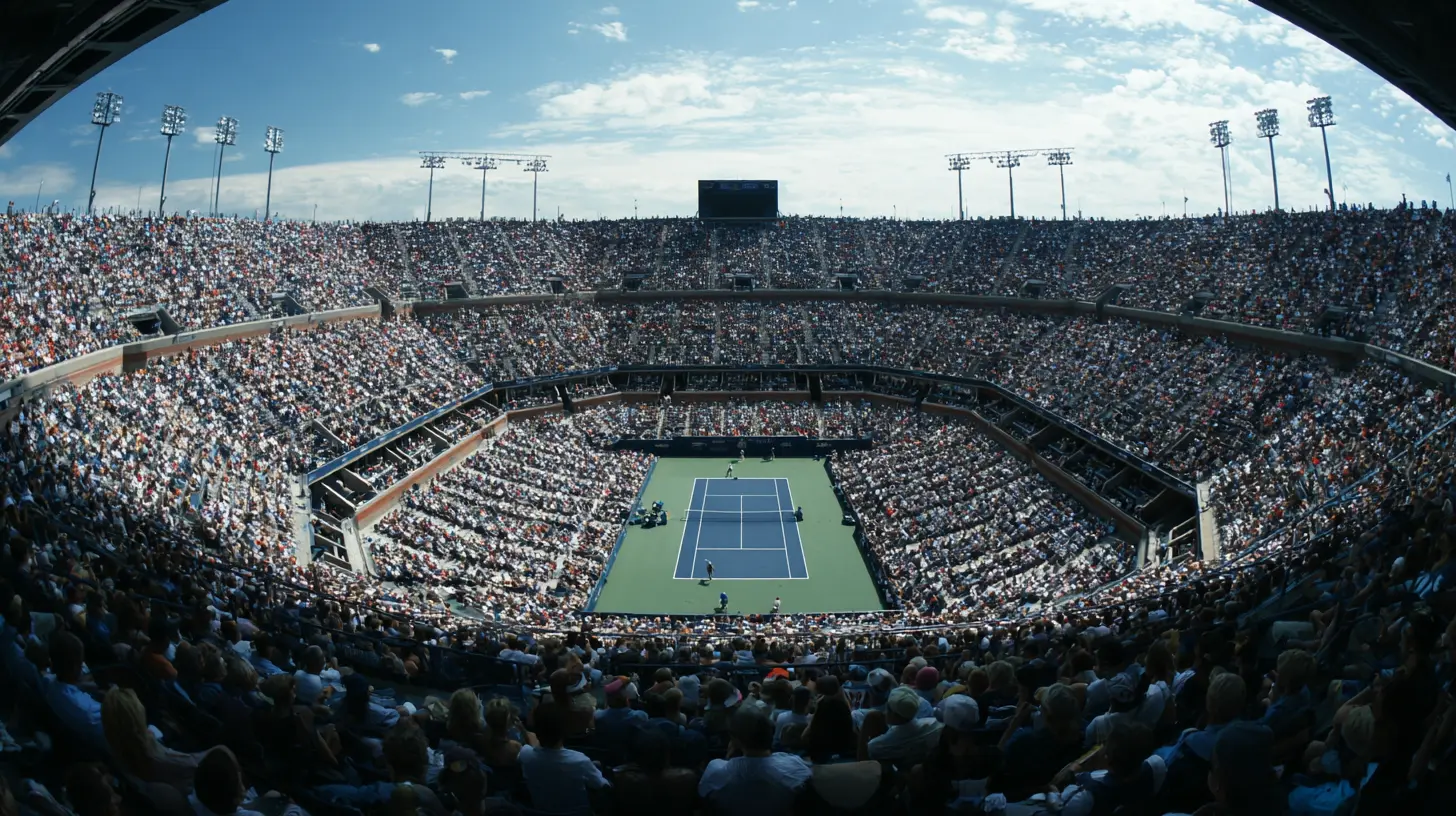
The First Week Is a Different Sport
Most casual fans tune in for the second week. That is a mistake. The first week of a Grand Slam is where careers are broken and where dark horses are born. The conditions are not the same as a Masters 1000 event. You are playing best of five sets for men, and while women play best of three, the psychological load of a two-week tournament is entirely different from a one-week event.In the first round, the court speed is often faster because the courts are new. The bounce is more consistent. But the players are not. Early-round matches are riddled with errors because the players have not yet adjusted to the specific humidity, wind, or the particular batch of balls used that year. This is where experience matters more than ranking. A veteran who has played ten first-round matches at a given Slam knows that the court will slow down by the second week. A young qualifier does not. The qualifier tries to hit through the court in round one, makes fifty unforced errors, and loses to a pusher who simply gets the ball back.
The practical advice here is simple for anyone analyzing tennis: never judge a player's form by their first-round scoreline. A straight-sets win in round one often hides a player who was struggling with their timing. A five-set battle in round one can either galvanize a player or leave them with nothing left for round three. The smart coaches in the sport do not look at winners and unforced errors in the first week. They look at the quality of the player's footwork and their ball toss under pressure. Those are the indicators of whether someone is truly ready to go deep.
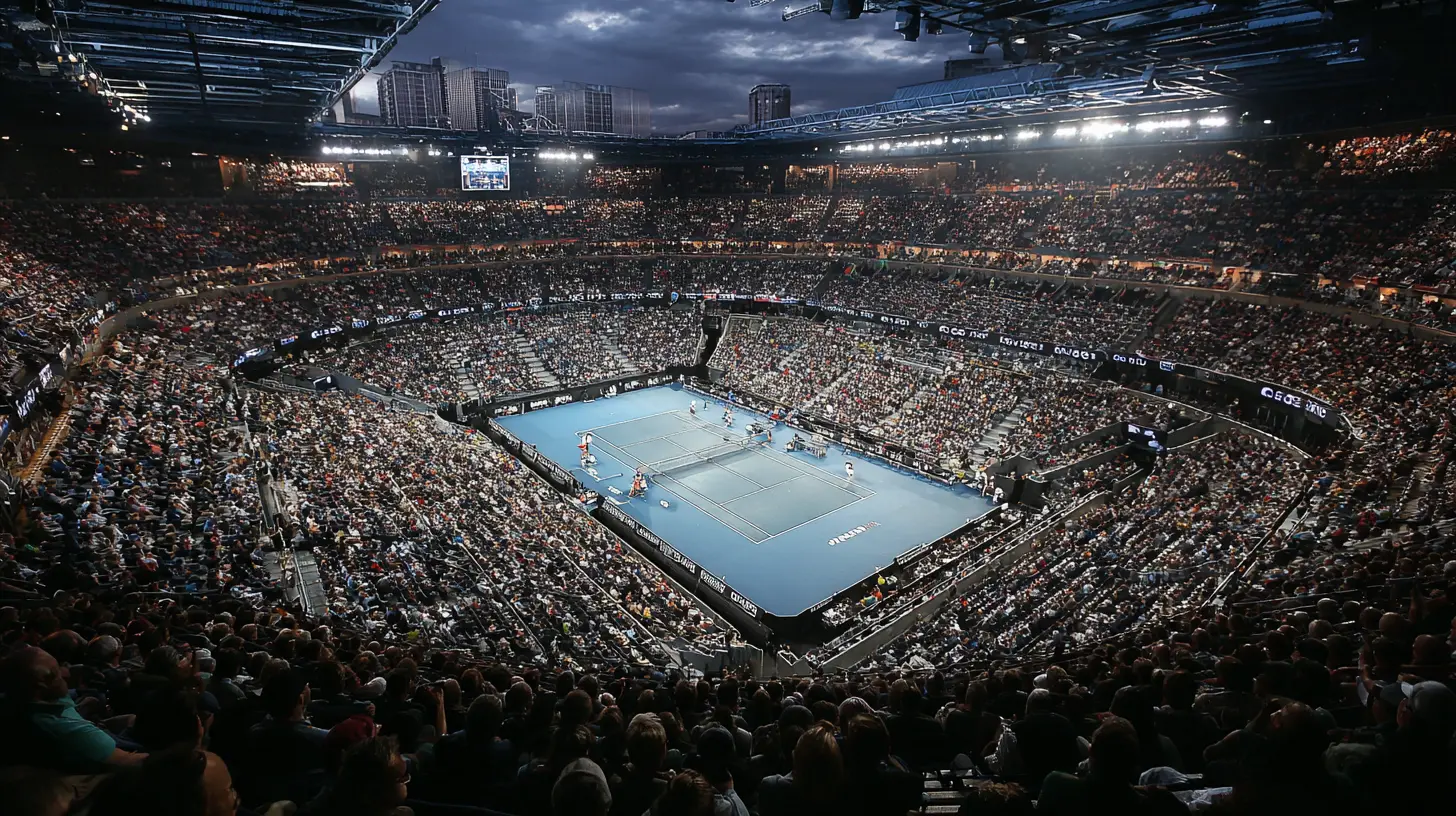
The Surface Is Not Just a Surface
Every Grand Slam has a distinct personality, and pretending otherwise is a common analytical error. The Australian Open uses a hard court that plays medium-fast, but the heat policy and the time of year make it uniquely punishing. The French Open is clay, which rewards patience and heavy topspin, but the Paris weather can make the clay play faster or slower depending on the day. Wimbledon is grass, where the serve is king, but the grass degrades over two weeks, turning the final into a very different contest than the first round. The US Open is a hard court that often plays faster than Melbourne, and the night sessions create a different atmosphere entirely.The mistake that many players make is treating these surfaces as fixed. They are not. The clay at Roland Garros plays slower in the afternoon when the sun bakes the top layer dry. It plays faster in the evening when the dampness creeps in. The grass at Wimbledon is slick on day one, but by the middle of the second week, the baseline has been worn to dirt, which actually rewards sliding and defensive play more than pure serve-and-volley. The best players in the world are the ones who adjust their tactics not just from tournament to tournament, but from match to match, and even from set to set.
If you are a coach or a player, the lesson is to practice on the same surface at different times of day. If you are a fan, the lesson is to stop expecting a player who won the French Open to automatically win Wimbledon. The surfaces reward different strokes, but more importantly, they reward different problem-solving abilities. A player who can only play one style will be exposed by the second week, because the conditions will inevitably change and force them out of their comfort zone.

The Serve Is the Only Shot You Control
There is a lot of talk about groundstrokes, movement, and mental toughness. But the serve is the only shot in tennis where your opponent has no say in what happens. This is why the serve is the most important shot in a Grand Slam, and it becomes even more important as the tournament progresses.In the early rounds, you can win with a mediocre serve if your groundstrokes are superior. By the quarterfinals, you cannot. The players left are too good at reading your toss and too good at returning. If your first serve percentage dips below sixty percent against a top-five player, you are in trouble. If it dips below fifty percent, you have almost no chance of winning, regardless of how well you are hitting your forehand.
The trade-off here is between power and placement. A big flat serve at 130 miles per hour is exciting, but it often goes long or into the net under pressure. A kick serve to the backhand at 115 miles per hour is less flashy, but it creates a weak return that you can attack. The best servers in the history of the game have not always been the fastest. They have been the ones who could hit a precise spot on the T or wide to the forehand with a high degree of reliability. They also have a second serve that is not a liability. This is the real test. Your first serve can be a weapon, but your second serve is what defines your character. If you double-fault at critical moments, you will not win a Grand Slam. It is that simple.
For players, the practical advice is to develop a second serve that has enough spin and margin to be safe, but enough pace to prevent your opponent from stepping in and attacking. Too many players try to hit their second serve like their first serve, which is why they double-fault. The champions are the ones who treat the second serve as a strategic shot, not a consolation prize.
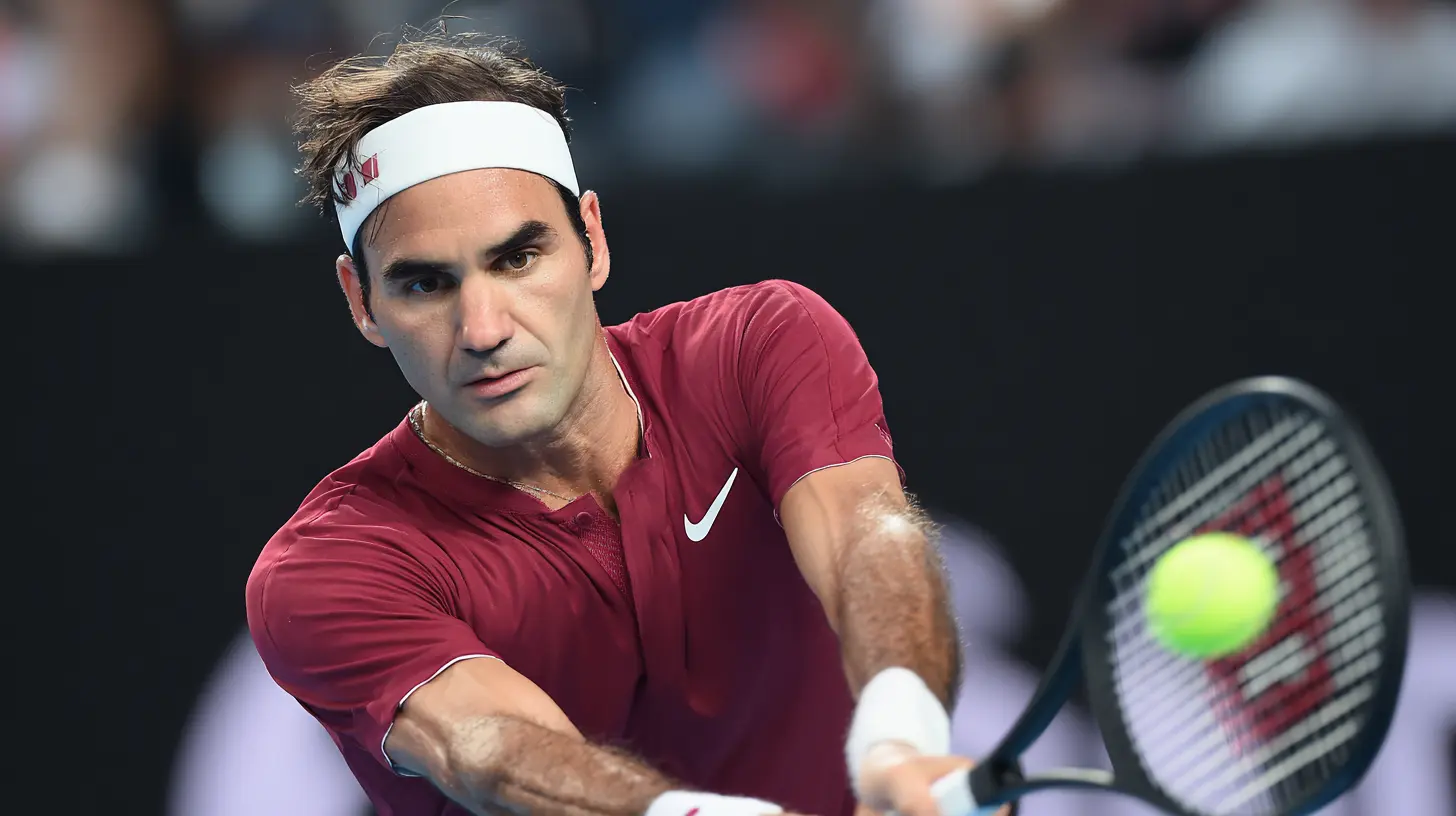
The Physical Toll Is Not Linear
Fitness in tennis is not about running a marathon. It is about repeated explosive efforts with very short recovery times. In a Grand Slam, this is compounded by playing every other day, sometimes with rain delays or late-night finishes. The body does not recover linearly. You do not feel the effects of a five-set match in the immediate aftermath. You feel it two days later, in the third set of your next match.This is why scheduling is so important. A player who wins their fourth-round match in straight sets on Monday has a huge advantage over a player who wins in five sets on Monday. The straight-set winner gets a full day of rest and light practice. The five-set winner spends that day in an ice bath and a massage table. By the quarterfinals, the cumulative fatigue is a real factor, and it often decides matches more than tactics.
The misconception is that younger players have an automatic advantage because they recover faster. That is true to a point, but younger players also have less experience managing their energy. They often run down every ball in the early rounds because they are excited, which is a terrible strategy. The veterans know when to let a point go. They know when to tank a set to save energy for the fifth. This is not losing. It is management. The fans who boo a player for not chasing a ball in the second set of a match they are losing badly do not understand the bigger picture. That player is thinking about the final, not the second set.
The Mental Game Is About Decision-Making, Not Positive Thinking
Every sports psychologist talks about staying positive. That is mostly useless advice. The real mental challenge in a Grand Slam is decision-making under fatigue. When you are tired, your brain takes shortcuts. You go back to your default patterns. If your default pattern is to hit a forehand down the line when you are nervous, you will do that, even if it is the wrong shot for the situation.The best players do not think positive thoughts. They think clear thoughts. They are not trying to pump themselves up. They are trying to simplify their choices. Roger Federer was famous for his ability to play his best tennis in the fifth set, not because he was more positive than anyone else, but because he had a clearer plan. He knew exactly what he was going to do on each point. He was not improvising. He was executing a script that he had rehearsed thousands of times.
The common mistake that amateur players make is trying to "focus" harder. That is counterproductive. You cannot focus harder for five hours. What you can do is narrow your focus to one specific thing, like watching the ball into the strings or taking a deep breath before each return. This is why you see players talking to themselves between points. They are not giving motivational speeches. They are reminding themselves of their tactical priorities. The champions are the ones who can do this even when they are down a break in the final set.
The Role of the Crowd and the Atmosphere
The crowd at a Grand Slam is not a neutral backdrop. It is a living force that can lift a player or crush them. The home crowd advantage is real, but it is not as simple as cheering for the local player. The crowd also feeds on momentum. If a player is down two sets and starts making a comeback, the crowd shifts. That energy can carry the player through a tight third-set tiebreak.The trade-off is that the crowd can also create pressure. When the crowd is expecting you to win because you are the favorite, a single bad game can feel like a disaster. The pressure to perform in front of twenty thousand people is something that cannot be replicated in practice. This is why some players are consistently better at the smaller events but fail at the Slams. They cannot handle the scale of the moment.
For the players, the advice is to not listen to the crowd. That sounds easy, but it is not. The crowd is loud, and the noise is designed to affect you. The best approach is to develop a routine that you follow between every point, regardless of the situation. This routine, whether it is bouncing the ball a specific number of times or adjusting your strings, creates a bubble of familiarity. It reminds your brain that this is just another point, even when it is match point in the final.
The Importance of the Return of Serve
The serve is the most important shot, but the return of serve is the most underrated. In a Grand Slam, where the surface can favor the server, the player who can neutralize the opponent's serve has a massive advantage. The return is not about hitting winners. It is about getting the ball back deep and taking away the free points.In the early rounds, players can get away with weak returns because they are playing opponents with weaker serves. By the quarterfinals, you are facing players who can serve at 130 miles per hour with precision. If you cannot return that serve consistently, you are going to lose, no matter how good your own serve is. This is why the best returners in the world are almost always the best players in the world. They do not give away free points.
The practical advice for improving your return is to focus on your split step and your position. Many players stand too far back, which gives the server more time to set up the point. Others stand too close and get jammed. The right position is different for every player and every surface, but the general principle is to take the ball as early as possible without sacrificing your balance. The return is a defensive shot, but it should be an aggressive defense. You are not trying to win the point with the return. You are trying to set up the next shot.
The Long-Term Strategy of a Two-Week Tournament
Winning a Grand Slam is not just about winning seven matches. It is about pacing yourself over fourteen days. This is a concept that many players, especially younger ones, fail to grasp. They come out firing in the first week, playing their best tennis, and then they run out of gas in the semifinals. The champions are the ones who are still improving as the tournament goes on.This means that you should not peak too early. If you are playing your best tennis in the first round, you are in trouble. You want to be playing your best tennis in the second week. This is why many top players go through the early rounds with a conservative game plan. They are not trying to hit winners. They are trying to find their rhythm and save their energy. They are also trying to avoid long matches, not because they are afraid of their opponents, but because they are managing their body for the later rounds.
The trade-off is that playing too conservatively can get you beaten by a lower-ranked player who is playing freely. This is the eternal dilemma of the Grand Slam. Do you play your best tennis early and risk fading, or do you hold back and risk losing early? The answer is different for every player, but the champions have always found a way to do both. They play well enough to win early, but they do not waste energy. They win ugly when they have to, and they save their best tennis for the moments that matter most.
The Physical and Tactical Adjustments Between Matches
One of the most underappreciated aspects of a Grand Slam is the time between matches. You have a day off, and what you do with that day is often more important than what you did during the match. The recovery process is not just about rest. It is about analyzing your opponent's game and adjusting your own tactics.The best coaches in the world do not just watch video of the next opponent. They watch video of the previous match to identify patterns that need to be fixed. This is where the real gains are made. A player who hits twenty winners but also makes forty unforced errors has a clear problem. The coach does not need to tell them to hit fewer errors. They need to tell them why the errors are happening. Is the footwork late? Is the racket head dropping? Is the shot selection wrong? These are the details that separate the top players from the rest.
For the player, the day off is a chance to reset mentally. You cannot think about the next match for the entire day. You need to take your mind off tennis for a few hours. This is why you see players going to dinner with their teams or playing video games. They are not being unprofessional. They are managing their mental energy. The players who cannot switch off are the ones who burn out by the end of the tournament.
The Final Set and the Tiebreak
The final set of a Grand Slam is a unique animal. For men, it is the only time in tennis where you play an extended set without a tiebreak at most of the majors. This creates a different kind of pressure. You cannot just win a tiebreak to escape. You have to break your opponent's serve, which requires sustained pressure over many games.This is where the mental and physical aspects of the game come together. The player who is fitter has an advantage, but the player who is mentally stronger has a bigger advantage. In a long final set, the mistakes come not from lack of skill, but from lack of concentration. The rallies get shorter because both players are tired. The serve becomes even more important because neither player wants to be in a long rally. The player who can hold their serve easily and put pressure on the opponent's serve is the one who will win.
The tiebreak, when it does occur in the earlier sets, is a different beast. It is a game of chance and nerve. You cannot win a tiebreak by playing safe. You have to take some risks. The best tiebreak players are the ones who can hit their spots on the serve and take the ball early on the return. They are also the ones who do not panic when they are down a mini-break. They know that a tiebreak is a sprint, and anything can happen.
What You Should Watch For
If you are watching a Grand Slam at home, do not just watch the ball. Watch the body language. Watch the space between points. Watch how a player walks to the towel. Watch how they bounce the ball before a serve. These are the clues that tell you who is really in control.The players who are struggling are the ones who are rushing. They are the ones who are bouncing the ball too quickly or changing their routine. The players who are in control are the ones who are taking their time. They are breathing. They are thinking. They are not letting the moment get too big for them.
The other thing to watch is the return position. If a player is standing further back than usual, they are nervous about the serve. If they are standing closer, they are confident. These small adjustments tell you more than any statistic.
The Real Difference Between Good and Great
There are dozens of players on the tour who can hit every shot in the book. They have beautiful forehands and solid backhands. They can serve and volley. They can play from the baseline. But they never win a Grand Slam. Why? Because they cannot do it under the specific pressure of a major.The difference between good and great is not talent. It is the ability to solve problems in real time while your body is screaming at you to stop. It is the ability to make the right decision on a big point, even when you are exhausted. It is the ability to accept that you are going to play badly for a set and still find a way to win.
The greats are not the ones who never have bad days. They are the ones who have bad days and still win. They are the ones who find a way to win when they are playing poorly. That is the real lesson of the Grand Slam. It is not about hitting perfect shots. It is about outlasting the other person. It is about being the last one standing when the dust settles.
The next time you watch a Grand Slam, do not just cheer for the winner. Watch the loser too. Watch how they handle defeat. Watch how they walk off the court. The champions are the ones who learn from those losses and come back stronger. The rest are the ones who let the loss define them. That is the heart of the battle, and it is played out on every court, at every tournament, in every single point.
all images in this post were generated using AI tools
Category:
Live CommentaryAuthor:

Easton Simmons
Discussion
rate this article
1 comments
Zinn McNulty
This match is a true testament to resilience and spirit. Both players are giving it their all. It's incredible to witness such passion and determination on the court.
August 28, 2026 at 4:38 AM
Easton Simmons
Absolutely! The energy is electric, and both players are pushing their limits. It's a thrilling display of skill and heart.