Last-Minute Drama and Legacy: Inside the 2027 Gridiron Classic
17 October 2026
The 2027 Gridiron Classic did not feel like an exhibition. It felt like a verdict.
For three quarters, the game moved the way most neutral observers expected. The favored side controlled tempo, leaned on its front seven, and kept the opposing quarterback in obvious passing situations. Then the fourth quarter arrived, and everything that had looked stable started to wobble. A special teams mistake flipped field position. A backup corner got isolated on a slot receiver. A coaching staff that had been patient all night suddenly had to decide whether to protect a lead or keep attacking.
That is the space where the Gridiron Classic has always lived. It is not just a game. It is a stress test for programs, players, and the people who evaluate them.
This article goes inside the 2027 edition from a football perspective. It looks at the strategic decisions that shaped the finish, the roster and scheme lessons that matter beyond the final score, and the way a single afternoon can bend the trajectory of careers and programs. It also offers practical guidance for coaches, analysts, and fans who want to understand what actually happened instead of repeating the loudest take from the postgame shows.
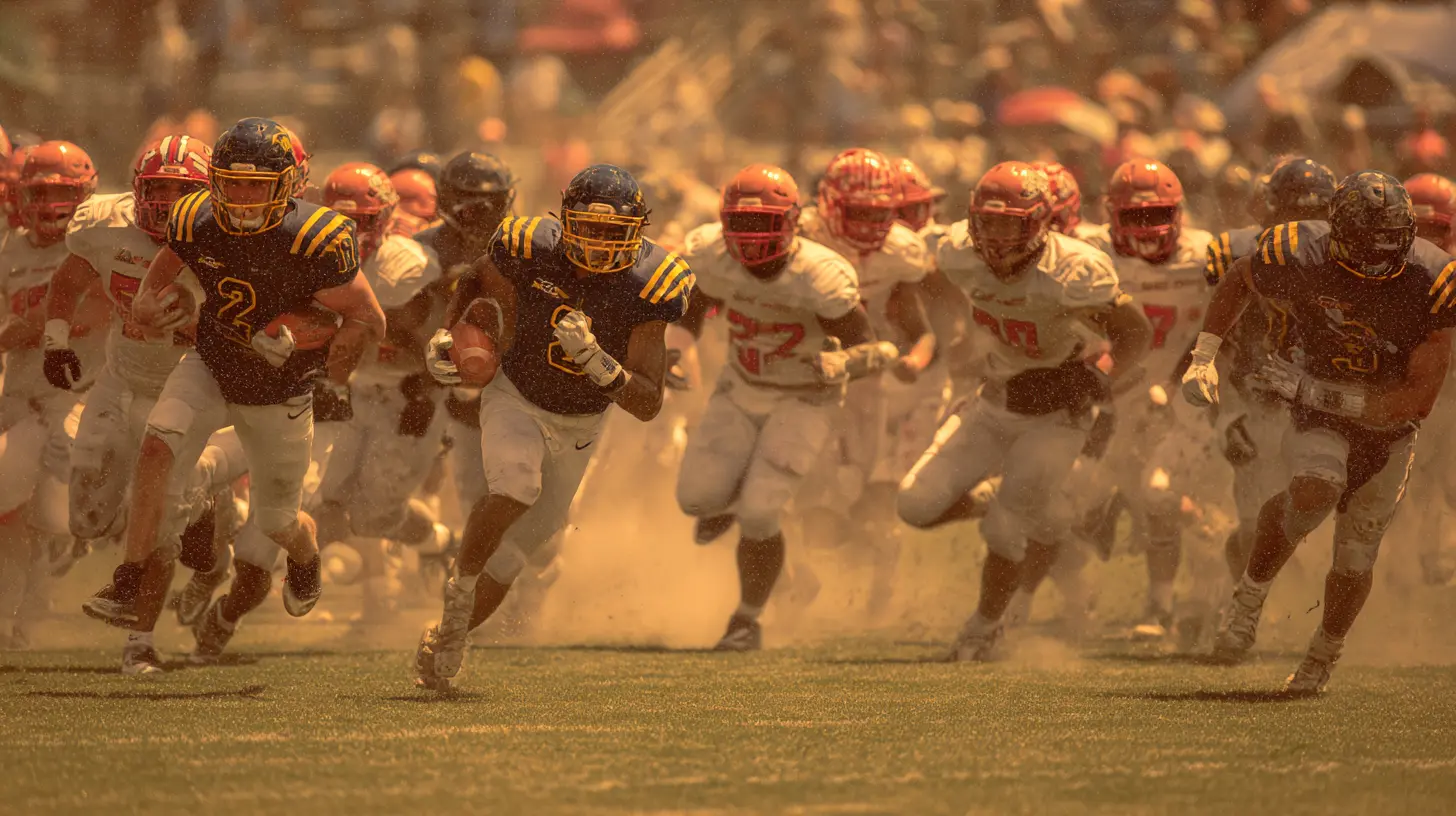
Why the Gridiron Classic Still Matters in 2027
The modern football calendar is crowded. There are all-star games, transfer portal windows, early signing periods, and a nonstop stream of training footage. In that environment, any single game can feel less important than it once did. The Gridiron Classic has survived that shift because it offers something the calendar cannot manufacture: a live, competitive environment with real stakes for the participants, even when the scoreboard does not count in the standings.For players, it is a job interview conducted at full speed. For coaches, it is a lab. For scouts and personnel staff, it is a chance to see how a player responds when the script breaks. That last point is the heart of it. Practice tape shows you what a player can do when he knows the plan. The Gridiron Classic shows you what he does when the plan falls apart.
The 2027 game delivered that in abundance. The final minutes were chaotic, but the chaos was not random. It was the predictable result of specific decisions, specific matchups, and specific players being asked to do things they had not been asked to do all week.
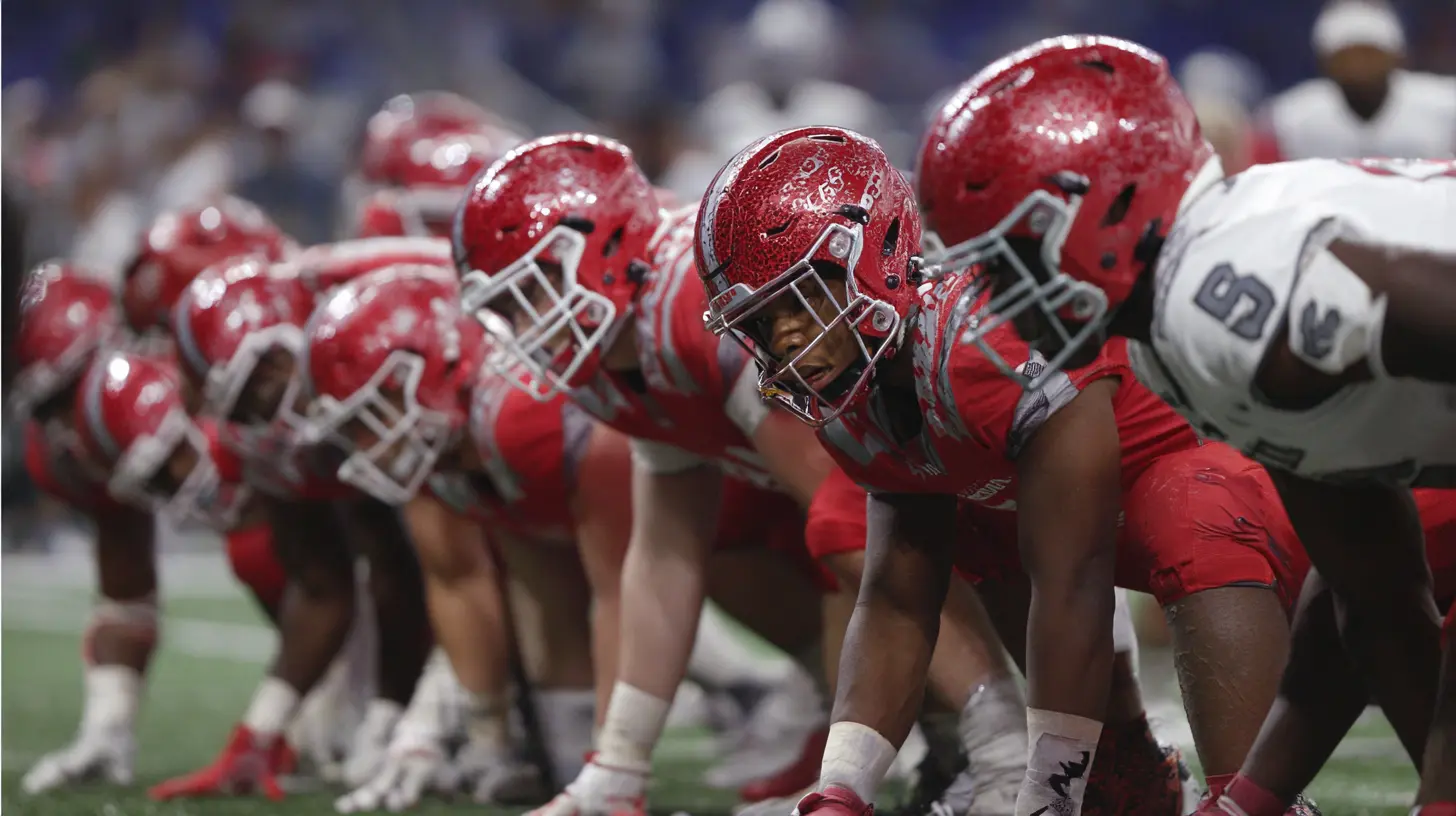
The Fourth-Quarter Sequence That Decided the Game
Setting the Stage
The setup mattered. With roughly six minutes left, the trailing team faced a fourth down near midfield. The conservative choice was to punt and trust the defense. The aggressive choice was to go for it and accept the risk of giving the opponent a short field.The staff went for it. The conversion succeeded on a tight window throw to the intermediate level. That single decision did more than extend a drive. It changed the emotional temperature of the game. The defense, which had been playing with confidence, suddenly had to defend a short field and a faster tempo. The offense, which had been methodical, started playing with urgency.
This is a common pattern in late-game football, and it is worth understanding why it works. When a trailing team converts a high-leverage fourth down, it does not just gain yards. It gains a psychological edge that compounds. The defense starts thinking about what could go wrong instead of reacting. The offense starts playing faster because it believes the momentum is real. Coaches who understand this will often choose aggression earlier than the analytics suggest, because the emotional return is part of the calculation.
The Coverage Bust
Two plays later, the defense rotated to a coverage that asked a young safety to handle a deep half alone. The offense recognized it and attacked the vacated area. The result was a explosive gain that set up the go-ahead score.Was it a bad call? Not necessarily. The defense had been successful with that look earlier in the game. The problem was the matchup. The safety who was asked to cover that space had been targeted successfully twice already. A defensive coordinator who tracks those patterns might have adjusted the call or given the safety help. That is the kind of detail that separates a good game plan from a good in-game adjustment.
For coaches reading this, the lesson is straightforward. Your call sheet is not a fixed document. It is a living list of options that should shrink and expand based on who is winning their matchups. If a player is struggling in a specific role, asking him to do more of the same in the biggest moment is not loyalty. It is a liability.
The Kicking Decision
After the go-ahead score, the trailing team had one more chance. The drive stalled near the opponent's 35-yard line with under a minute left. The decision was whether to attempt a long field goal or try to convert on fourth down.The staff chose the field goal. The kick missed. The game ended.
This is one of the most debated decisions in football, and there is no universal answer. The case for the field goal is simple: you take the points and trust your defense if the kick fails. The case against it is equally simple: a long field goal attempt in a pressure situation has a lower success rate than a well-designed fourth-down play, and a miss gives the opponent good field position with almost no time left.
What should a coach consider? The kicker's range in warmups, the wind, the quality of the protection, and the defense's likelihood of stopping a desperation drive. In this case, the kicker had been reliable all week, but the attempt was at the edge of his comfortable range. The protection had been solid. The defense had been inconsistent against the pass.
A reasonable argument can be made for either choice. The important thing is that the decision was made with a clear process, not with panic. Coaches who rehearse these scenarios in advance make better decisions in the moment. Coaches who improvise under pressure often regret it.
What the 2027 Game Revealed About Modern Offensive Design
The 2027 Gridiron Classic was not a shootout. It was a game of leverage. The offenses that moved the ball consistently did so by creating conflict for the defense, not by overwhelming it with talent.The Value of Pre-Snap Movement
The most effective drives featured motion before the snap. Receivers shifted, backs motioned out, and tight ends moved from one side to the other. This is not decoration. Motion forces the defense to declare its intentions. It tells the quarterback whether the coverage is man or zone, and it creates hesitation in defenders who have to communicate assignments on the fly.In the 2027 game, the offense that used motion most consistently was also the offense that converted the most third downs. That is not a coincidence. Motion creates small advantages that add up over the course of a game. A defender who is a half-step late because he had to adjust his alignment is a defender who cannot make a play on the ball.
The Tight End as a Mismatch Weapon
Another pattern was the use of tight ends in the passing game. The best offenses in this game did not treat tight ends as extra blockers. They treated them as matchup problems. When a defense responds with a linebacker, the tight end has a size advantage. When it responds with a safety, the tight end has a physicality advantage. When it responds with a corner, the offense can run the ball into a lighter box.The 2027 game featured several key conversions to tight ends on third down. These were not spectacular plays. They were efficient plays. That is the point. Modern offense is less about explosive plays and more about avoiding negative plays and staying ahead of the chains. Tight ends help you do that.
The Running Game as a Complement, Not a Crutch
The running game in the 2027 Gridiron Classic was not dominant. It was complementary. The teams that ran the ball effectively did so when the defense was spread out, and they used the run to set up play-action passes.This is a shift from older approaches. In the past, many offenses ran the ball to establish physicality and then threw when the defense committed extra defenders to the box. Today, the best offenses throw to spread the defense and then run when the defense is light. The 2027 game reflected that evolution. The team that won the rushing battle was not the team that ran the most. It was the team that ran at the right times.
Defensive Lessons From a Chaotic Finish
Communication Is a Skill, Not an Assumption
The coverage bust that decided the game was not a physical failure. It was a communication failure. The safety and the corner did not agree on who was responsible for the deep route. That happens when defenses are tired, when the crowd is loud, and when the offense uses motion to create confusion.Defensive coaches should treat communication as a skill that must be practiced. It is not enough to install a coverage. You have to rehearse the calls, the checks, and the adjustments until they are automatic. The best defenses in football are not always the most talented. They are the most connected.
The Cost of Predictability
The defense that lost the game had been predictable in one specific way: it relied on a single coverage in critical situations. The offense knew what was coming and attacked it. This is a common mistake. Defensive coordinators often fall back on what has worked before, even when the opponent has shown it can beat it.The fix is not to abandon what works. It is to dress it up. A defense can run the same coverage from different looks, with different pressures, and with different leverage. That forces the offense to work harder to identify what is happening. Predictability is not about the call. It is about the presentation.
Tackling in Space
The 2027 game also highlighted the importance of tackling in space. Several drives were extended by missed tackles on short passes. These are not easy plays. A defender who has to tackle a running back or receiver in the open field is at a disadvantage. But the best defenses practice these situations relentlessly.The technique matters. Defenders who break down too early get run over. Defenders who dive at the legs miss. The best approach is to keep the feet moving, aim for the near hip, and wrap up. It sounds simple. It is not. That is why it is worth practicing every week.
Player Evaluation: What the 2027 Game Taught Us
The Gridiron Classic is not a perfect evaluation tool. It is one data point. But it is a valuable one because it shows how players respond to pressure, fatigue, and unfamiliar teammates.The Traits That Translate
The players who stood out in the 2027 game shared a few traits. They played with good pad level. They communicated. They did not panic when the situation changed. These are the traits that translate to the next level because they are not dependent on scheme or athleticism.A player who can stay calm in a chaotic finish is a player who can handle the pressure of a professional environment. A player who communicates well is a player who can learn a complex system. A player who plays with good pad level is a player who can win physical matchups.
The Traits That Mislead
The players who struggled often had traits that looked good in practice but did not hold up in the game. A receiver who ran crisp routes all week but dropped a key pass in traffic. A defensive lineman who won every rep in individual drills but got pushed off the ball in the game. A quarterback who looked accurate in seven-on-seven but held the ball too long when the pocket collapsed.These are not fatal flaws. They are areas to investigate. Scouts should ask why the player struggled. Was it a technique issue? A confidence issue? A conditioning issue? The answer matters more than the result.
The Role of Versatility
One of the most interesting developments in the 2027 game was the value of versatility. Players who could fill multiple roles were more likely to stay on the field. A safety who could play in the box and in the deep half. A receiver who could play outside and in the slot. A lineman who could play guard and tackle.Versatility is valuable because it gives coaches options. Options are power. A coach who can move a player around the formation can create matchups that are difficult to defend. That is why versatility is one of the first things evaluators look for.
Coaching Decisions Under Pressure
The 2027 Gridiron Classic was a masterclass in pressure. Every coach on the field had to make decisions with incomplete information and limited time. Some decisions worked. Some did not. But the process behind the decisions is what matters.Rehearsing the Finish
The best coaches rehearse end-of-game scenarios. They practice the two-minute drill. They practice the four-minute offense. They practice the last-second field goal. They do this because repetition builds familiarity, and familiarity reduces panic.In the 2027 game, the coaching staff that handled the final minutes best was the staff that had clearly rehearsed those situations. The play calls were decisive. The clock management was clean. The communication was clear. That does not happen by accident.
The Balance Between Aggression and Caution
There is no single right answer to the question of when to be aggressive. It depends on the score, the time, the field position, the matchups, and the confidence in your players. The best coaches are not always the most aggressive. They are the most calibrated. They know when to push and when to protect.In the 2027 game, the losing staff made one aggressive decision that worked and one cautious decision that did not. That does not make them bad coaches. It makes them human. The important thing is that they had a process and they trusted it. Over time, a good process produces good results.
The Importance of Clear Communication
One of the most underrated skills in coaching is communication. A coach who can clearly explain a decision to his players, his staff, and the media is a coach who can build trust. A coach who is vague or defensive loses credibility.In the 2027 game, the winning coach gave a simple, honest explanation of his decisions in the postgame press conference. He did not make excuses. He did not blame the players. He explained his reasoning and moved on. That is the standard.
Legacy and What Comes Next
The 2027 Gridiron Classic will be remembered for its finish. That is natural. But the legacy of the game will be determined by what happens next.For the players, the game is a launching point. Some will use it as a springboard to a professional career. Others will use it as motivation to improve. The ones who succeed will be the ones who treat the game as feedback, not as a final judgment.
For the coaches, the game is a teaching tool. The film will be studied for years. The decisions will be analyzed. The lessons will be passed down. That is how the game evolves.
For the fans, the game is a reminder of why football matters. It is not just about the score. It is about the drama, the effort, and the unpredictability. It is about the moments that make you hold your breath.
The 2027 Gridiron Classic gave us those moments. It gave us a finish that will be talked about for years. And it gave us a reminder that in football, as in life, the most important plays are often the ones you do not see coming.
Practical Takeaways for Coaches and Analysts
If you are a coach, an analyst, or a serious fan, here are a few actionable lessons from the 2027 game.First, practice the finish. Do not assume your team will know what to do in a chaotic situation. Rehearse it until it is automatic.
Second, track matchups. Know who is winning and who is struggling. Adjust your call sheet accordingly.
Third, communicate clearly. On the field, on the sideline, and in the press conference. Clarity builds trust.
Fourth, embrace versatility. Players who can do more than one thing are more valuable than players who can only do one thing well.
Fifth, evaluate the process, not just the result. A good decision can have a bad outcome. A bad decision can have a good outcome. Focus on the process.
The 2027 Gridiron Classic was a great game. But it was also a great lesson. The teams that learn from it will be better for it. The teams that do not will repeat the same mistakes.
That is the legacy of the game. It is not just about who won. It is about what we learned.
all images in this post were generated using AI tools
Category:
Historic MatchesAuthor:

Easton Simmons