Inside the Octagon: Blow-by-Blow Breakdown of the UFC Title Fight
7 August 2026
Title fights in the UFC are different from any other contest in combat sports. The stakes are higher, the rounds feel shorter, and the margin for error shrinks to almost nothing. A challenger can look like a world-beater for fourteen minutes and forty-five seconds, then get caught with one clean shot and lose it all. A champion can be down on every scorecard, then find a finish in the final round and keep the belt. This is not just a recap of a single fight. This is a framework for understanding what actually happens inside the Octagon when two elite fighters put everything on the line.
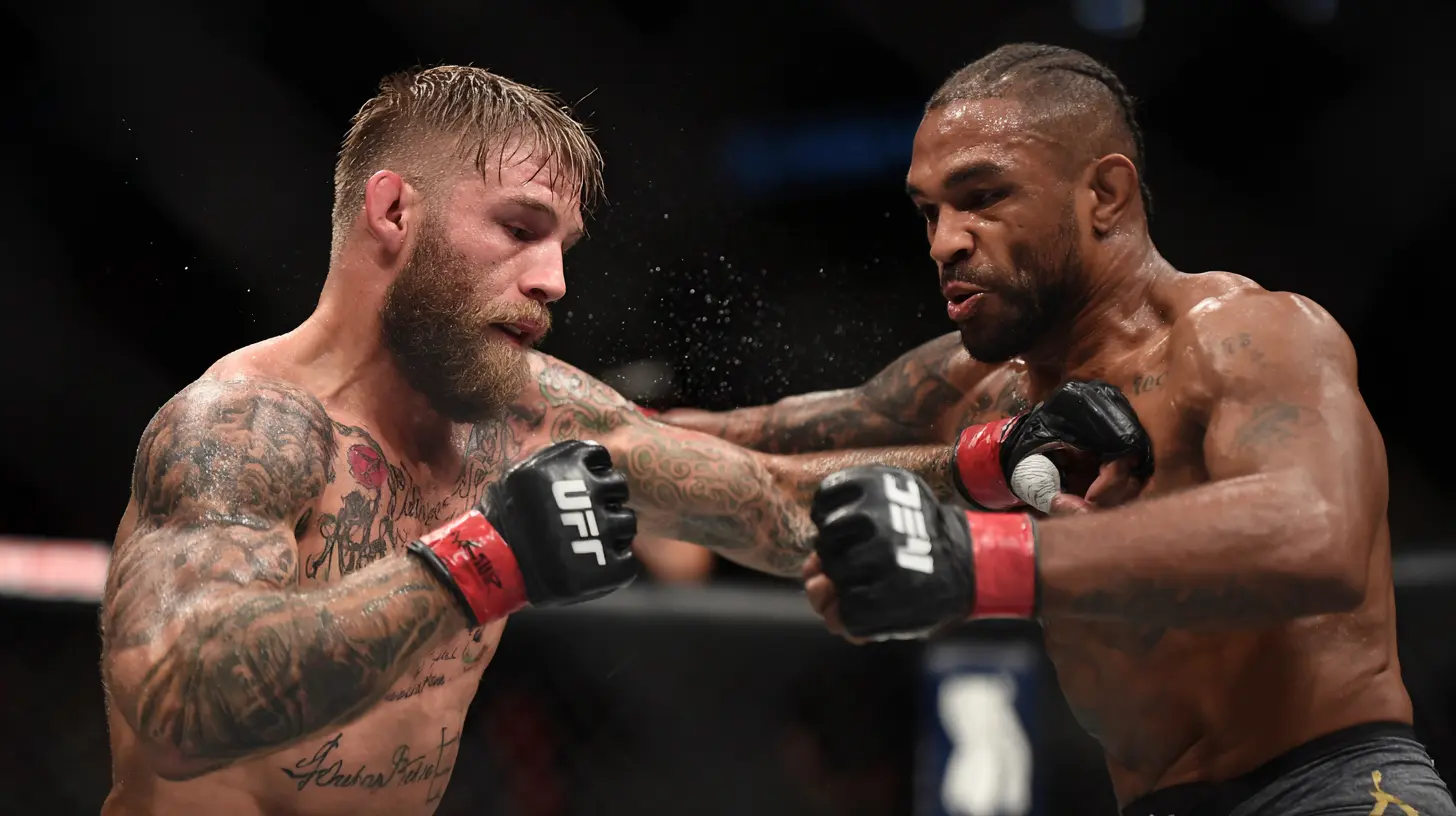
The Weight Cut and the Mental Game
Before the first punch is thrown, the fight is often decided on the scale. A bad weight cut is the silent killer of title ambitions. Fighters who drain themselves to make weight often pay for it in the third round and beyond. Their gas tank empties, their reflexes dull, and their ability to absorb punishment drops dramatically. The best champions in UFC history have always been the ones who manage their weight intelligently, not just the ones who cut the most.There is a common misconception that bigger always means better in MMA. That is not true. A fighter who walks around at 220 pounds and cuts to 205 will have a size advantage, but if he is dehydrated and depleted on fight night, that advantage disappears. The real skill is finding the weight class where you can be strong without sacrificing your cardio. This is why some fighters move up or down divisions after a loss, not because they are chasing a title but because they are chasing their best performance.
The mental game starts weeks before the fight. Fighters talk about visualisation, about seeing themselves winning, about staying calm under pressure. But the truly great ones also prepare for adversity. They know that the fight will not go exactly as planned. They know that they might get hurt, that they might lose a round, that the referee might miss a call. The ability to adapt without panicking is what separates champions from contenders.
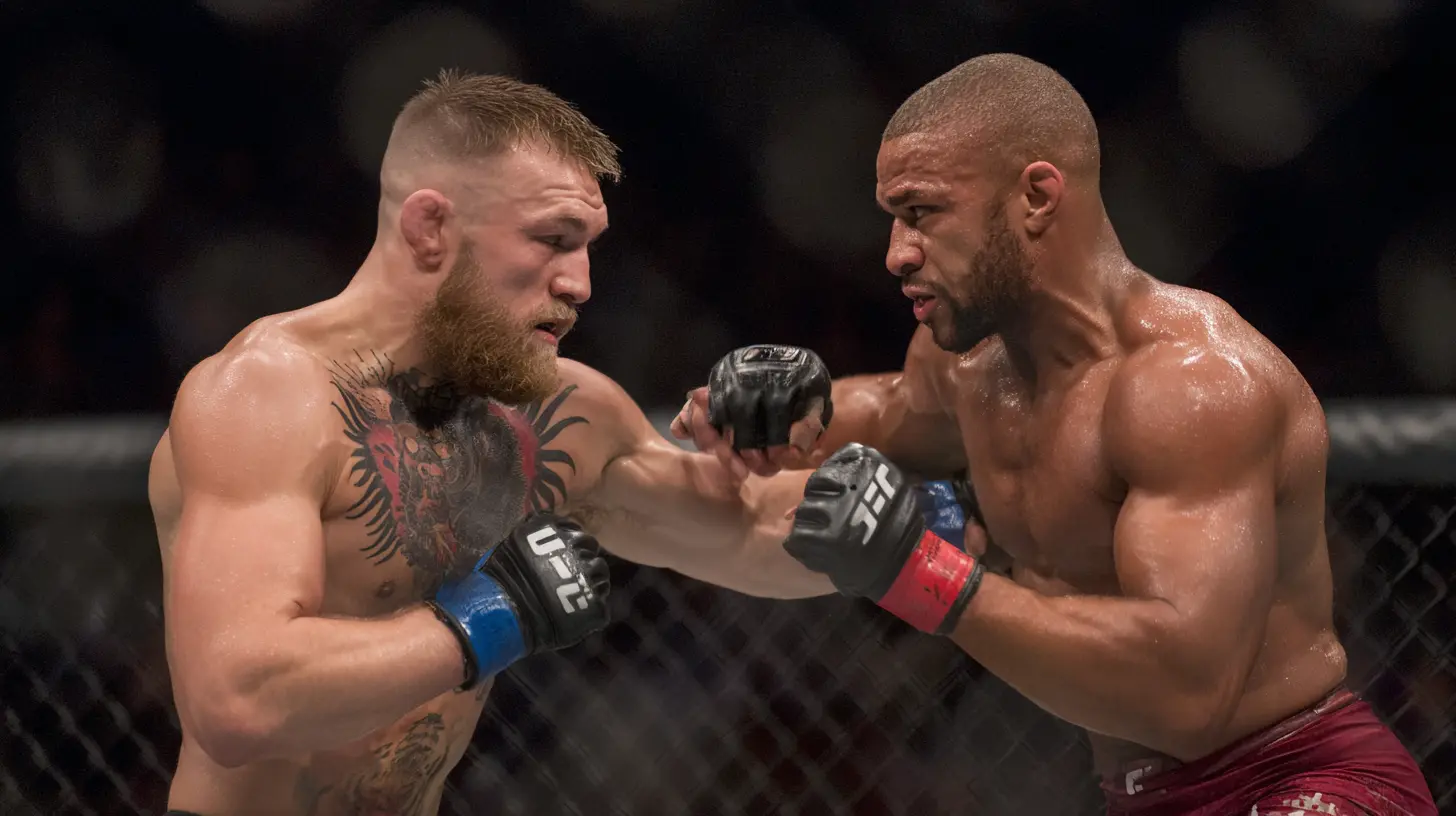
Round-by-Round Strategy: The First Five Minutes
The first round of a title fight is usually a feeling-out process, but it is also the round where fighters make their biggest mistakes. Adrenaline is at its peak. Fighters throw with more power than they need to. They rush forward without setting up their shots. They forget their footwork and start trading in the pocket.The best approach in round one is to establish your range and your timing. If you are a striker, you want to find the distance where you can hit your opponent without getting hit back. If you are a grappler, you want to test your takedown entries and see how your opponent reacts. This is not a round to be passive. It is a round to be smart.
A classic mistake is trying to finish the fight in the first round because you are afraid of the later rounds. This is particularly common among challengers who have never been past round three. They come out swinging, land a few good shots, feel confident, and then fade. The champion who has been through five-round wars knows how to weather that storm. He lets the challenger burn off his energy, then starts taking over in rounds two and three.
Another mistake is overreacting to a single exchange. If you get hit with a clean punch in round one, do not suddenly abandon your game plan. That is exactly what the opponent wants. He wants you to panic, to start brawling, to make mistakes. The best fighters take a shot, acknowledge it, and go back to what was working.
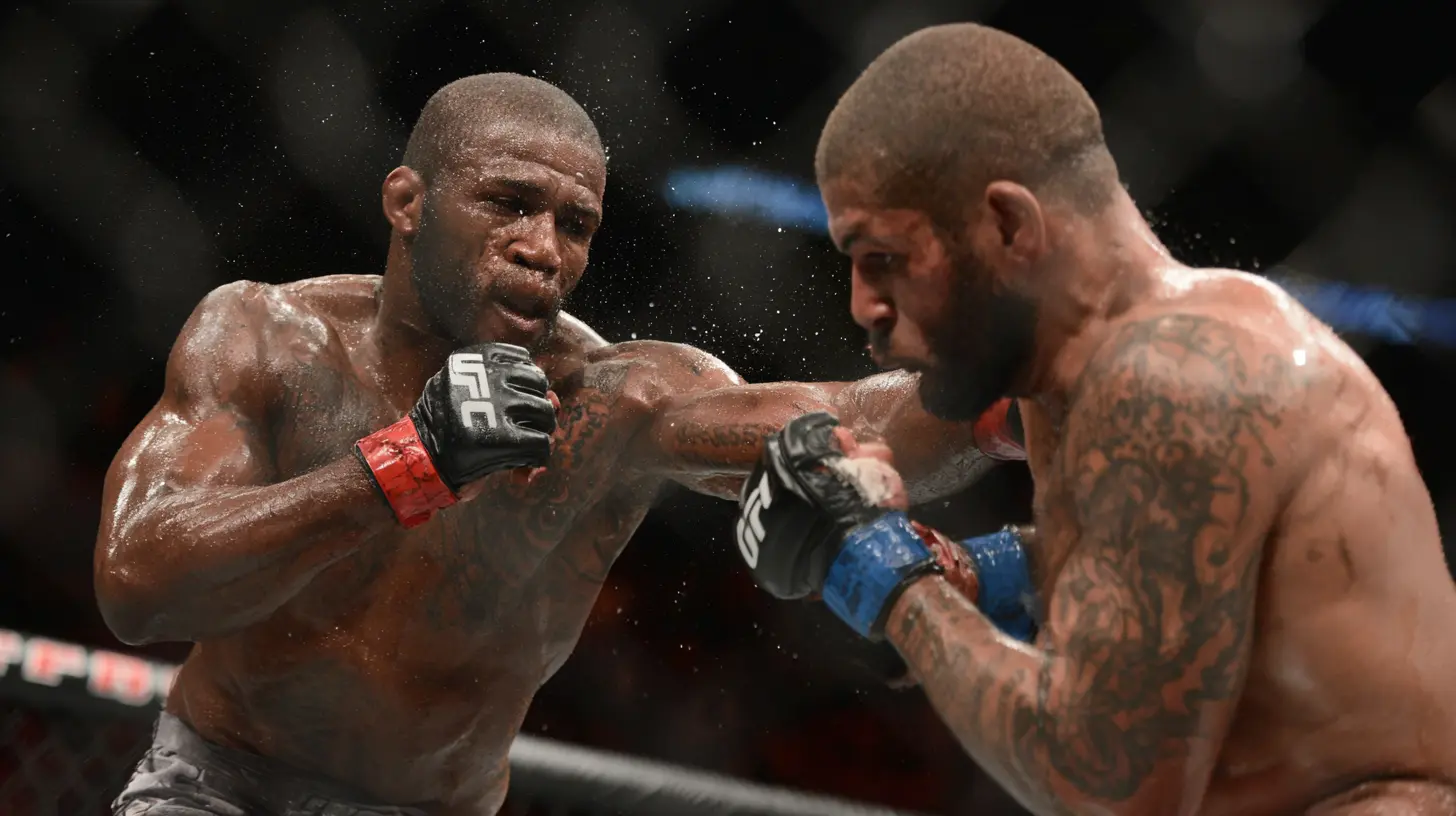
The Middle Rounds: Where Fights Are Won and Lost
Rounds two and three are often where the actual fight happens. By this point, the adrenaline has worn off, the fighters have settled into a rhythm, and the real adjustments begin. This is where conditioning starts to matter, and where technique under fatigue becomes the deciding factor.In the middle rounds, you often see a shift in momentum. The fighter who lost round one might make an adjustment and win round two. The champion might start finding his range. The challenger might slow down. The key is to recognise these shifts in real time and respond accordingly.
One of the most important skills in MMA is the ability to make mid-fight adjustments. This is not something you can teach in a camp. It comes from experience, from having been in tough situations, from knowing your own body and your own limits. A fighter who can change his stance, change his target, or change his pace in the middle of a fight is worth more than a fighter who has perfect technique but no adaptability.
The middle rounds are also where you see the importance of body work. A fighter who attacks the body early, whether with kicks or punches, will often see the payoff in rounds three and four. The opponent starts breathing harder. His hands drop. His movement slows. This is not a glamorous strategy, but it is an effective one. The same applies to leg kicks. A few hard kicks to the thigh can compromise a fighter's stance and make him vulnerable to takedowns or head kicks later in the fight.
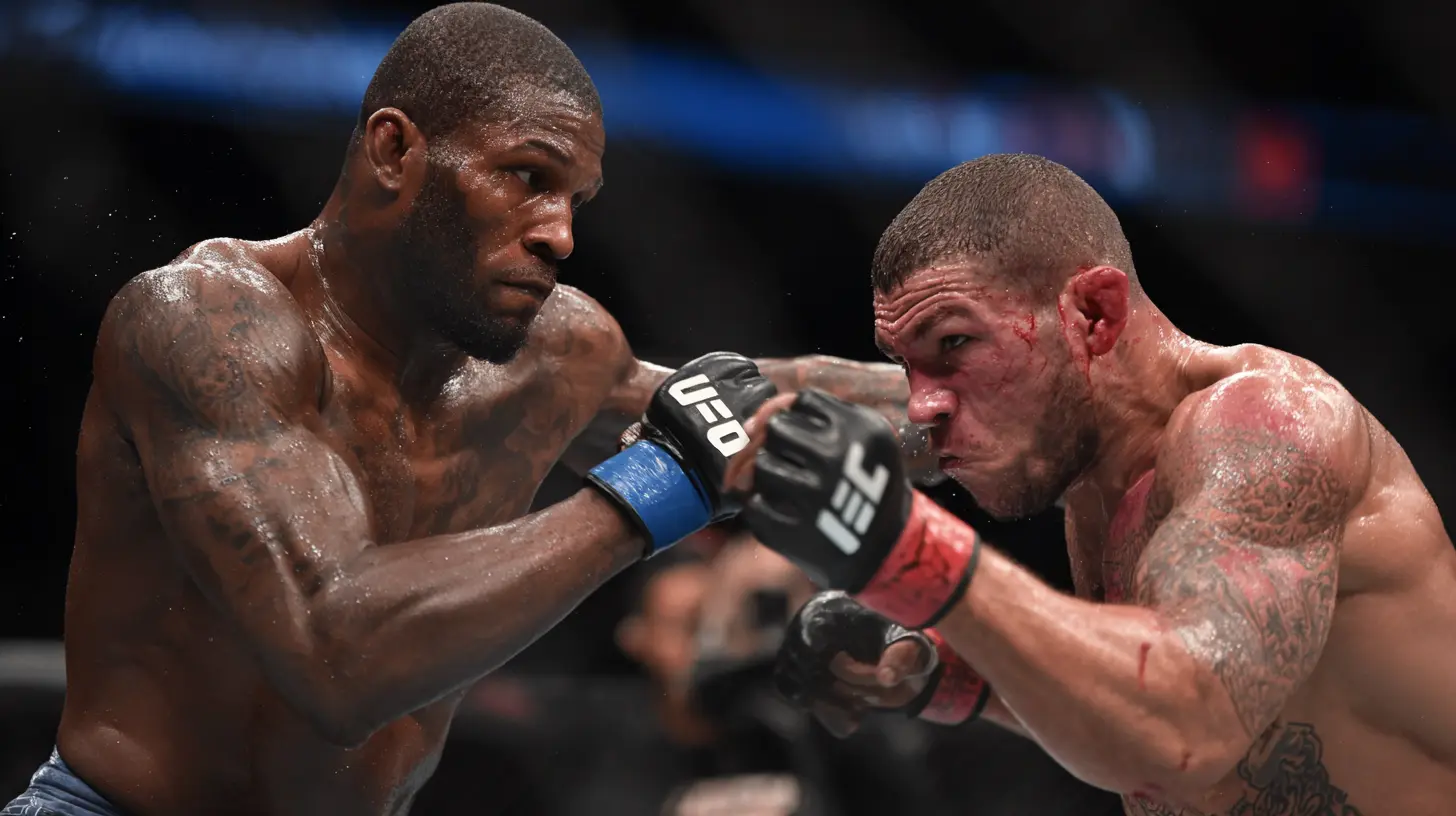
The Championship Rounds: The Fourth and Fifth
This is where the title fight is truly decided. Many fighters train for five rounds, but very few actually know what it feels like to fight in the fourth and fifth rounds at championship pace. The fatigue is not just physical. It is mental. Your brain is foggy. Your reactions are slower. You are in pain. The crowd is loud. The pressure is immense.The fighters who excel in the championship rounds are the ones who have developed a system for managing their energy. They know when to push and when to coast. They know how to use clinching and grappling to buy time and recover. They know how to throw strikes that are not meant to do damage but to keep the opponent honest.
A common misconception is that the fifth round is always the most exciting. It is often the most tense, but not always the most action-packed. Sometimes the fighters are so exhausted that they cannot do much more than jab and hold. Other times, one fighter will find a second wind and go for the finish. The best title fights are the ones where both fighters are still fighting with intensity in the fifth round, not just surviving.
Another thing that happens in the championship rounds is the role of the scorecards. Fighters often know they are ahead or behind, but they do not always know by how much. This creates a dangerous situation. A fighter who thinks he is ahead might coast and lose the fight. A fighter who thinks he is behind might take unnecessary risks and get caught. The best strategy is to fight as if the scorecards are close, no matter what you think they are.
The Art of the Finish: When to Push and When to Hold Back
Every title fight ends either by decision or by finish. The finish is always more dramatic, but it is not always the better outcome. There is a trade-off between going for the finish and protecting your lead. A fighter who is clearly ahead in the fourth round should not be throwing wild haymakers looking for a knockout. He should be managing the fight, controlling the distance, and making sure he does not give the opponent a chance to come back.On the other hand, a fighter who is clearly behind in the fourth round has nothing to lose. He has to take risks. He has to go for broke. This is where you see the most spectacular finishes in UFC history, because the desperation of the loser creates the opportunity for a dramatic comeback.
The key is to know which situation you are in. This sounds obvious, but it is surprisingly hard to do in the middle of a fight. Fighters get caught up in the moment. They get emotional. They want to please the crowd. They want to prove they are the tougher fighter. But the smart ones, the champions, are able to step back and assess the situation objectively.
There is also a technical aspect to finishing. A knockout is not just about power. It is about timing, accuracy, and placement. A fighter who throws a hundred punches with moderate power is less dangerous than a fighter who throws ten perfectly placed shots. The same applies to submissions. A choke or an armbar has to be applied with precision, not just with strength.
The Role of the Referee and the Judges
This is a topic that does not get enough attention. The referee has a huge impact on the outcome of a title fight. A referee who lets too much happen can allow a fighter to take unnecessary damage. A referee who stops the fight too early can rob a fighter of a chance to recover. The best referees are the ones who are consistent, who are in position to see the action clearly, and who do not let the crowd influence their decisions.The judges are even more important. Scoring in MMA is subjective, and it is not uncommon for two judges to see the same fight completely differently. There are several scoring criteria: effective striking, effective grappling, control of the octagon, and aggression. The problem is that these criteria are not weighted equally, and different judges interpret them differently.
A common mistake for fighters is to assume that aggression will win them the fight. It will not, unless it is effective aggression. A fighter who pushes forward but gets hit more is not winning the round. A fighter who lands takedowns but does nothing with them is not necessarily winning the round. The judges are supposed to score what is effective, not what looks busy.
For fans, the best way to understand judging is to score every round yourself. This changes the way you watch fights. Instead of just cheering for your favourite fighter, you start paying attention to who is landing the cleaner shots, who is controlling the pace, and who is doing more damage. It makes the sport much more interesting.
Common Mistakes in Title Fights and How to Avoid Them
There are a few mistakes that show up again and again in title fights, regardless of the weight class or the era. The first is overconfidence. A champion who has won ten fights in a row might start believing that he cannot lose. This leads to laziness, to not taking the challenger seriously, and to getting caught with a shot that should have been avoided.The second is underconfidence. A challenger who has never fought for a title might be so nervous that he freezes. He does not throw his punches. He does not shoot his takedowns. He waits for something to happen, and nothing does. The best way to avoid this is to treat the title fight like any other fight. The belt is just a piece of metal. The opponent is just another fighter. The rules are the same. The cage is the same size.
The third mistake is fighting to the opponent's strengths. If you are a wrestler and you spend the whole fight trading punches with a striker, you are making a mistake. If you are a striker and you keep shooting takedowns against a black belt in jiu-jitsu, you are making a mistake. The fight should always be fought on your terms, not on the opponent's.
The fourth mistake is not adjusting between rounds. The minute between rounds is precious. You have to use it to recover, to hydrate, to listen to your corner, and to make a plan for the next round. A fighter who just sits on the stool and stares at the floor is wasting that time. A fighter who ignores his corner and does his own thing is also making a mistake. The corner can see things that the fighter cannot, and their advice is often the difference between winning and losing.
The Importance of Game Planning and Adaptability
Every title fight has a game plan. The best game plans are the ones that are simple, clear, and based on the opponent's weaknesses. A good game plan will have a few primary objectives and a few secondary options. It will not try to do too many things at once.For example, if you are fighting a powerful striker, your game plan might be to take him down early, tire him out, and then look for a submission in the later rounds. If you are fighting a wrestler, your game plan might be to keep the fight standing, use your footwork to avoid takedowns, and pick him apart with strikes.
But no game plan survives contact with the opponent. The moment the fight starts, things change. The opponent might be faster than you expected. He might be stronger. He might have a new technique that you have not seen. The best fighters are the ones who can adapt on the fly, who can abandon a plan that is not working and try something else.
This is why experience is so valuable in title fights. A fighter who has been through a five-round war knows what it feels like. He knows when he is in trouble and when he is not. He knows how to pace himself. He knows how to read the opponent's body language. This is not something that can be taught in a gym. It can only be learned by doing.
The Aftermath: What a Title Win or Loss Means
Winning a title changes a fighter's life. It brings money, fame, and respect. It also brings pressure. Every fight after the title win is a defence, not just a fight. The target is on your back. Everyone wants to take the belt from you. The best champions are the ones who can handle this pressure and continue to improve.Losing a title fight is not the end of the world, but it can feel like it. Many fighters go into a slump after a title loss. They question themselves. They change their style. They change their coaches. Sometimes that helps. Sometimes it makes things worse. The best approach is to take a step back, watch the fight objectively, figure out what went wrong, and then work on fixing it.
There is also the question of rematches. Some rematches are great. The fighter who lost makes adjustments, wins the second fight, and creates a legendary rivalry. Other rematches are unnecessary. The first fight was clear, and the second fight is just a cash grab. The key is to know the difference.
Practical Advice for Fans and Aspiring Fighters
If you are a fan, the best way to appreciate a title fight is to watch it more than once. The first time, you are caught up in the emotion. The second time, you start to see the details. The third time, you understand the strategy. This is how you become a knowledgeable fan instead of just a casual one.If you are an aspiring fighter, the most important lesson from any title fight is that fundamentals matter. You cannot win a title on flashy techniques alone. You need solid footwork, a good jab, a reliable takedown defence, and the cardio to fight for five rounds. Everything else is a bonus.
You also need to learn how to lose. This is a hard lesson, but it is essential. You will not win every fight. You will get hurt. You will get embarrassed. The question is not whether you will lose, but how you will respond to losing. The fighters who become champions are the ones who use losses as fuel for improvement, not as an excuse to quit.
Final Thoughts: The Beauty of the Fight
A UFC title fight is more than just a sporting event. It is a test of will, skill, and heart. It is a story that unfolds over twenty-five minutes, with twists and turns that no scriptwriter could invent. It is a reminder that in the Octagon, anything can happen, and that the human spirit is capable of extraordinary things.Whether you are a fan, a fighter, or a coach, there is always something to learn from a title fight. The key is to watch with an open mind, to pay attention to the details, and to appreciate the craft that goes into every punch, every kick, every takedown, and every submission. That is what makes this sport so special.
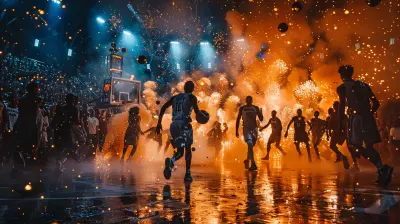
all images in this post were generated using AI tools
Category:
Live CommentaryAuthor:

Easton Simmons
Discussion
rate this article
1 comments
Yasmeen Benson
I watched the fight and thought I was getting a front-row seat to a wild dance-off. Who knew dodging punches could be so graceful? Kudos to the fighters for their fancy footwork!
August 26, 2026 at 2:21 AM
Easton Simmons
Thanks for the fun perspective! The footwork really does add an artful layer to the chaos of the fight. Glad you enjoyed it!
![Inside the Mind of [Player Name]: A Deep Dive into Their Game](/pictures/blog/small/inside-the-mind-of-player-name-a-deep-dive-into-their-game_2.webp)