How Trades Shape the Future of Young Talents
21 December 2025
Let’s be real for a second—nothing stirs more excitement or anxiety in professional sports than a trade. Whether you're a die-hard fan or a rookie trying to memorize your favorite team’s roster, you’ve probably held your breath during a trade announcement. But while most of the spotlight falls on the superstars being swapped, what about the young guns? Yeah, the rookies, prospects, and fresh-out-of-college kids who get caught in the crossfire.
In this wild world of professional sports, trades are more than just strategic moves. They're power plays that can either build or break the future of a young athlete. So, how exactly do trades shape the future of young talents? Let’s break it down.
The Business of Trades: More Than Just Numbers
Let’s start here: trades are business decisions. Cold, calculated, number-driven decisions. Teams are constantly looking to improve their roster, balance budgets, or kickstart a rebuild. Young players often end up as bargaining chips in these high-stake poker games.Why? Because they’re inexpensive, full of potential, and easy to let go of—especially when compared to big-name veterans with hefty contracts. But here’s the catch: trading a young talent isn’t just shifting a name from one locker room to another. It’s altering someone’s entire career trajectory.
The Opportunity Factor
Now, not all trades are doom and gloom. Sometimes, a trade is the best thing that can happen to a young player. Think about it—getting stuck behind an all-star in the rotation can make it hard to get playing time. But being traded to a team that actually needs your position? That’s gold.Take a young quarterback who’s third on the depth chart. He’s barely getting snaps, learning mostly by watching. Suddenly, he’s traded to a rebuilding team desperate for a leader. Boom—he's a starter, and he’s playing 16 games instead of sitting on the bench all season.
Sometimes, the best way to grow is to be thrown into the fire.
New Environment, Fresh Start
Change is scary, sure. But it’s also super motivating. For young players, going to a new team can mean fresh coaches, different teammates, new city vibes, and maybe even a fanbase that embraces them like a hometown hero.Suddenly, that second-round draft pick who was invisible on one team becomes the face of the franchise somewhere else. Sound familiar? That’s because it happens more often than you think. Different systems can unlock a player’s true potential. New environments can strip away old baggage and let natural talent shine.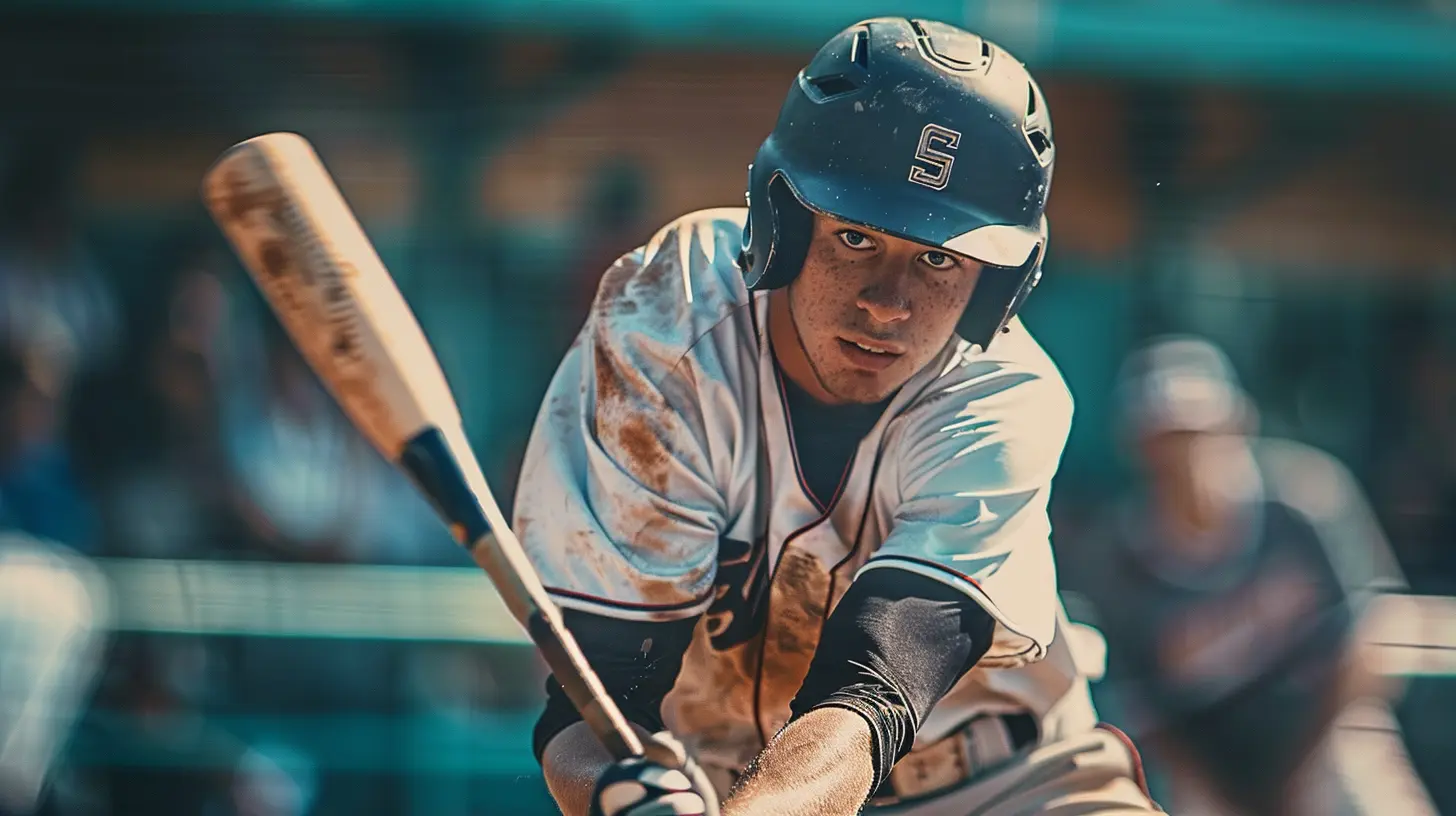
The Mental Game: Pressure vs. Potential
Let’s not sugarcoat it—being traded can mess with your head. Imagine being 22, just getting used to life as a pro, and suddenly you're told to pack up and move 2,000 miles away. That kind of instability can rattle even the most promising stars.Mental toughness becomes a huge factor. Confidence can either soar or crash. Some young players see trades as a vote of confidence (hey, a team wanted me!), while others feel like they’ve been rejected too soon. It’s mental warfare, and not everyone wins.
And don’t forget the expectations. A young player included in a blockbuster trade often has to prove he’s worth the risk. That’s a heavy crown to wear early in your career.
Coaching and Development: Make or Break
Trades also mean a whole new coaching staff. That’s either a blessing or a curse, depending on how you look at it.Some teams have a rep for developing young talent (think Golden State Warriors or Kansas City Chiefs). Others... not so much. If you’re a young athlete, landing in the right development system could be the difference between being a one-season wonder or a Hall of Fame legend.
The right coach can polish raw skills, boost confidence, and help an athlete reach new heights. The wrong one? Well, let’s just say some careers never recover.
Trades in Major Sports: A Quick Look
MLB: The Prospect Shuffle
Baseball might take the cake when it comes to trading young talents. It’s common to see teenage prospects being dealt before they've even stepped on a major league field. Farm systems are huge, and teams often trade for potential rather than current performance.Sometimes that works out (hello, Fernando Tatís Jr.). Sometimes it doesn’t. But in baseball, getting traded as a prospect is just part of the business.
NBA: The Hidden Gems
Basketball’s draft system puts a lot of pressure on young talent. One bad game and people are already calling you a bust. But when young players get traded early, especially to a team that’s willing to develop them with patience, they often flourish.Think about James Harden. Drafted by OKC, but it wasn’t until he got traded to Houston that he became a superstar. That one move changed his entire legacy.
NFL: The Depth Chart Dilemma
In football, depth charts matter. A lot. Young quarterbacks, running backs, even wide receivers often get buried behind veterans. A trade can breathe new life into a stalled career.But the NFL is also a brutal league. The margin for error is razor thin. If you don’t make it work fast after a trade, you might not get another shot.
NHL: A Development Game
Hockey puts a premium on development too. Young players often bounce between minor leagues and the NHL. A trade can fast-track a young player’s path to the big leagues—or derail it entirely.It all depends on the organization they land in. Some franchises prioritize player development. Others? Not so much.
Fans’ Perspective: The Emotional Tug-of-War
Let’s not forget the fans. Trades tear loyalties apart. When a young, promising player gets dealt, especially if they were homegrown, fans feel it. There's a sense of betrayal. What if he becomes a star elsewhere?But there’s also hope. New talent brings new dreams. That first highlight reel dunk or game-winning goal? Suddenly, the trade doesn’t seem so bad after all.
Social Media and the Spotlight
Today’s trades aren't just locker room stories—they’re breaking news on Twitter, Instagram, and TikTok. Young players are more in the spotlight than ever. One minute, they’re trending because of a trade. The next, they’re getting grilled for their performance.Social media can amplify both success and failure. And for a young player adjusting to a new team, city, and system? That added pressure can be intense. But it also gives them a platform—to show their grind, connect with fans, and shape their own narrative.
Betting on Potential: Boom or Bust?
At the end of the day, trades involving young talents are bets on potential. Teams are rolling the dice, hoping that a change of scenery will unlock something special. Sometimes they hit the jackpot. Other times, they come up empty.But for the athletes involved, every trade is a crossroads. It’s a chance to grow, to evolve, and to prove the doubters wrong.
Sure, it’s risky. But what’s sports without a little drama?
Wrapping Up: It's a Two-Way Street
So here’s the bottom line—trades shape the future of young talent by throwing them into the deep end of the pool, sometimes with no life jacket. It’s a sink-or-swim situation, but in a weird way, that’s what makes it beautiful.For every young star who explodes onto the scene after a trade, there’s a lesson in resilience, adaptability, and timing. Trades can derail a career or define one. They’re unpredictable, emotional, and totally unavoidable in modern sports.
In the end, it’s not just about where a young player ends up. It’s about what they do once they get there.
all images in this post were generated using AI tools
Category:
Player TradesAuthor:

Easton Simmons
Discussion
rate this article
2 comments
Remington Mathews
New paths, bright futures!
January 21, 2026 at 1:16 PM
Easton Simmons
Thank you! Embracing trades really does open up exciting opportunities for our youth.
Azurael Powell
Trades: where young stars find their cosmic destiny!
December 27, 2025 at 5:00 AM
Easton Simmons
Absolutely! Trades can be transformative, providing young talents with the opportunities and environments they need to thrive and reach their full potential.