How Documentaries Have Redefined Sports Heroes
1 July 2026
When you think of sports heroes, what's the first image that flashes across your mind? Maybe it’s the sweat-soaked jersey in a championship moment, or the roar of the crowd as an underdog scores the winning goal. For decades, our idea of athletic greatness came from the headlines, the highlight reels, and that perfect photo finish. But the game has changed. In a world where Netflix, ESPN’s 30 for 30, and YouTube rule the screens, documentaries have pulled back the curtain on what it truly means to be a sports hero.
From myth to man—and sometimes even monster—sports documentaries have reshaped not only the way we view athletes but also the expectations we place on them. Let’s dive deep into how this visual storytelling revolution has redefined heroes in cleats, sneakers, and skates.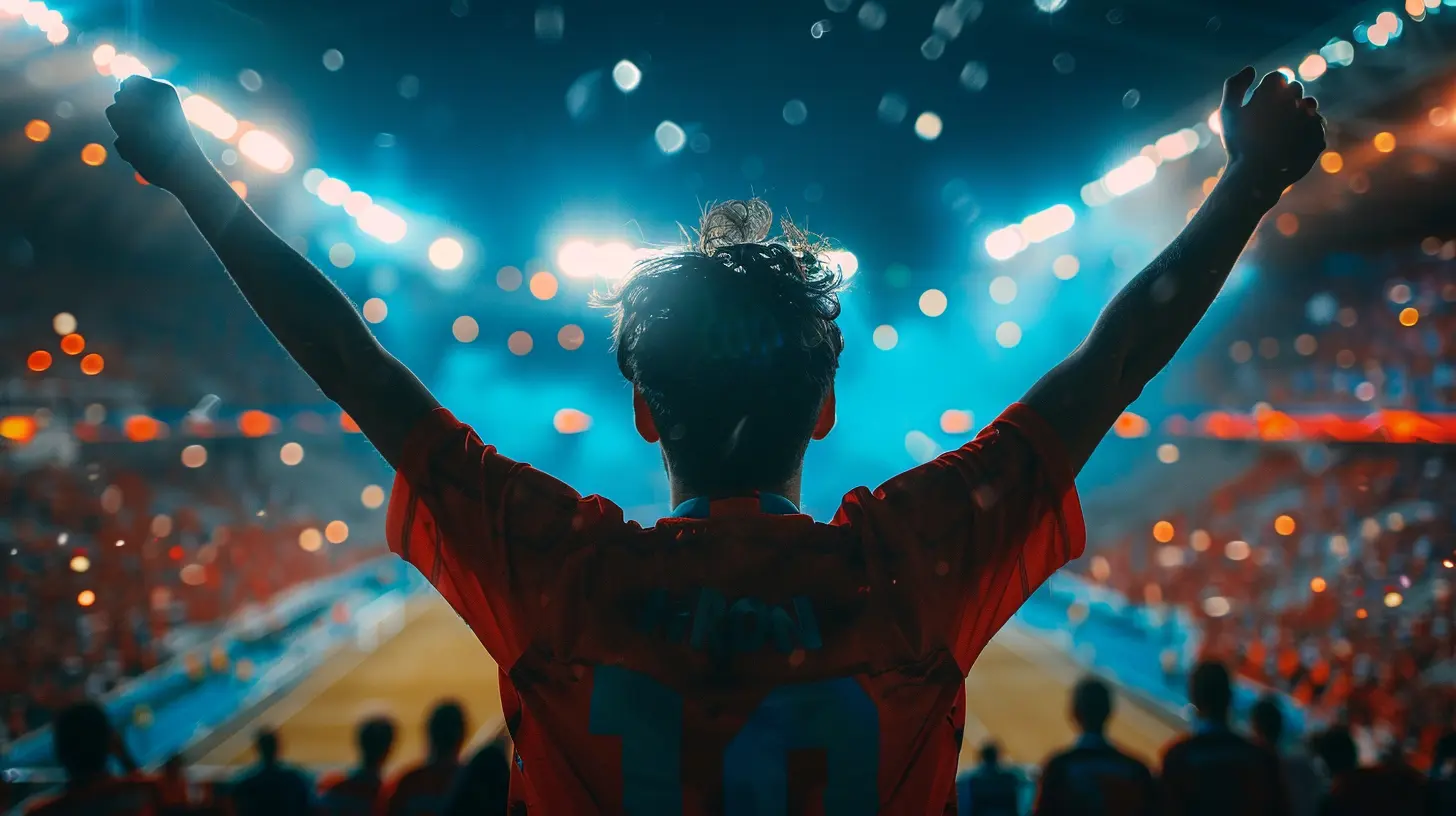
The Hero's Journey Was Never This Real
In old tales, heroes slay dragons and never break a sweat. In sports, they win championships, smash records, and bask in the glory. But here’s the thing: real heroes are messy. They bleed, they fall, they cry—and documentaries show all of it.Take Michael Jordan, for instance. Before _The Last Dance_, he was an icon—untouchable, almost mythical. But then we saw him up close. The grief over his father’s death. The obsessive drive that bordered on brutality. The moment he curled up on the floor, championship ball in his hands, crying like a child. That wasn’t just greatness. That was humanity on full display.
And that’s what documentaries do best—they show the man behind the myth.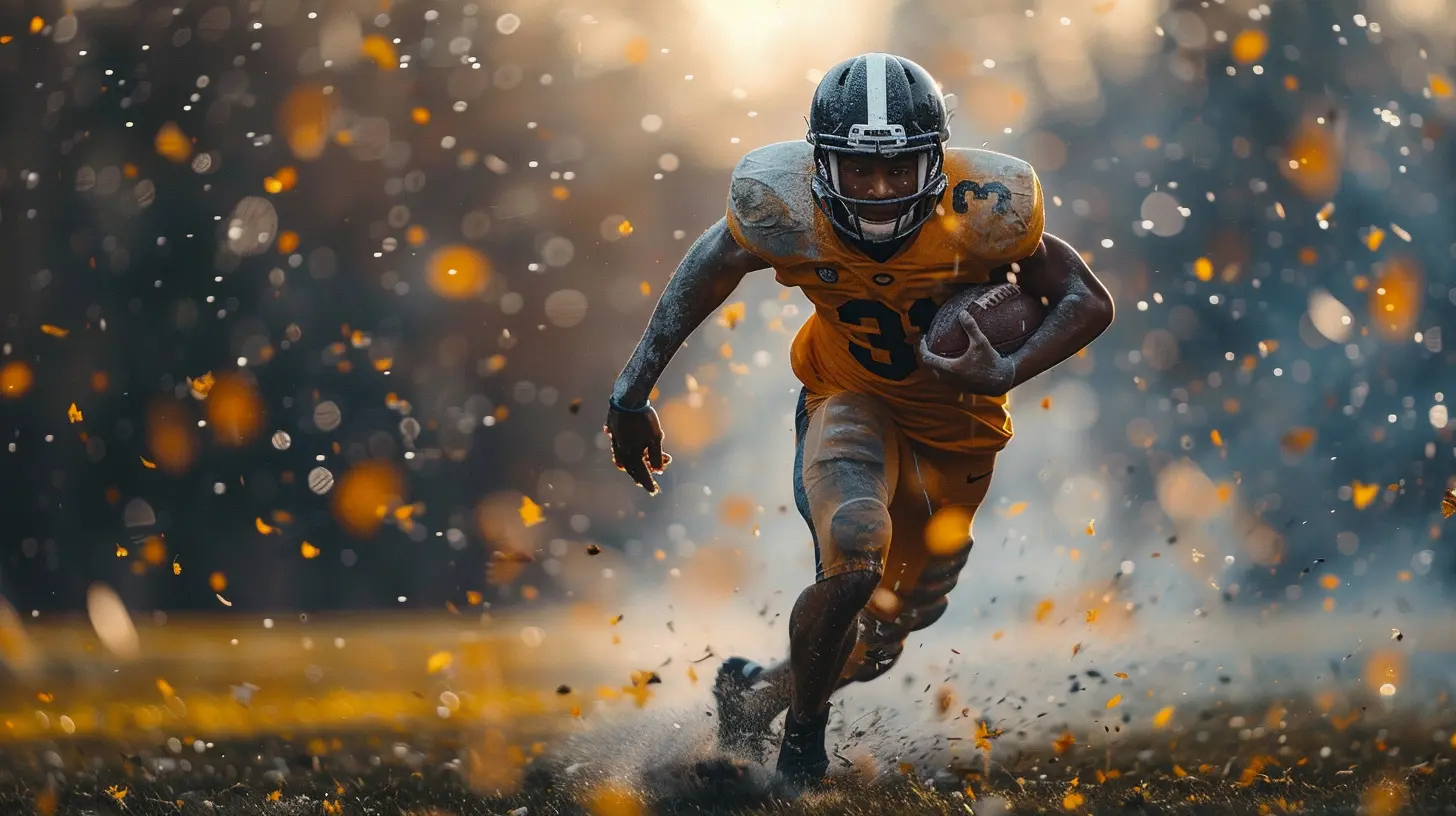
More Than Stats: The Power of Context
Let’s be real—sports fans love stats. We talk about batting averages, career points, race times like they're gospel. But numbers, as impressive as they may be, don’t tell the full story.Documentaries drop us into the context behind those numbers. They walk us through rough childhoods, racial discrimination, financial struggles, mental health battles. They help us understand why an athlete’s journey was significant beyond the scoreboard.
Jackie Robinson wasn’t just the first Black man in Major League Baseball—his story is about breaking color barriers in a divided America. Serena Williams isn’t just the greatest tennis player of all time—she’s a warrior against sexism, racism, and the pressures of fame. Documentaries stitch in the backdrop, turning stats into sagas.
The Underdogs Finally Get Their Spotlight
Heroes aren’t always MVPs. Sometimes, they’re the ones who never even made it to the major leagues. Documentaries have this beautiful way of giving voice to the underdogs—the ones the mainstream media forgot.Think of _Undefeated_, the Oscar-winning doc about a struggling high school football team in Memphis. These kids weren’t looking to be drafted by the NFL. They were fighting for second chances, for survival, for dignity. Watching their story hit harder than any Super Bowl.
And then there’s _The Battered Bastards of Baseball_, telling the tale of a scrappy, independent baseball team that thrived without big league affiliations. No million-dollar contracts. No fancy facilities. Just grit and heart.
In a world obsessed with winners, documentaries remind us that courage, heart, and perseverance are heroic too.
Mental Health: Breaking the Silence
Not long ago, toughness in sports meant keeping your emotions locked up. Crying? Weakness. Anxiety? Not in the playbook. Depression? Not a chance.But now, more athletes are speaking up—and documentaries are giving them the stage.
_The Weight of Gold_, narrated by Michael Phelps, stripped away the Olympic shine to show the mental toll of elite competition. Imagine training your whole life for one moment, and then being left alone once the spotlight fades. It’s haunting. But it’s also real.
Through raw interviews and honest storytelling, these films challenge the toxic toughness narrative and redefine heroism. Not as invincibility—but as vulnerability.
The Dark Side of Glory
Let’s not sugarcoat it—some documentaries reveal that not all our heroes are heroic. And that’s okay. That’s necessary.Take _OJ: Made in America_. A complex, sprawling epic that doesn't shy away from the contradictions of O.J. Simpson—a celebrated athlete, a cultural icon, an accused murderer. Or _Lance Armstrong: Stop at Nothing_, which deconstructs a man once worshipped as the embodiment of strength and survival, only to be exposed as a master manipulator.
These documentaries force us to confront uncomfortable truths. They unravel the idea of unconditional admiration and teach us to separate the athlete from the actions. And that, too, is part of redefining heroism—not blind worship, but conscious recognition.
A Lens on Social Justice
Athletes have always been reflections of society, whether we admit it or not. But documentaries magnify that mirror, making it impossible to look away._Kaepernick & America_ looks at the quarterback who dared to kneel, not just as a controversial figure but as a symbol of resistance. _Shut Up and Dribble_ confronts the idea that athletes should “stick to sports” when their very existence has always been political.
These stories remind us that sports are never “just sports.” A free throw can be a protest. A touchdown can be a statement. And a hero is often the one who’s willing to speak up, even when it costs them everything.
Women's Stories Are Finally Told
For far too long, the narrative of sports heroes has been male-dominated. But documentaries are flipping that script—loudly and unapologetically.With _LFG_ shining a light on the U.S. Women’s National Soccer Team’s fight for equal pay, or _Venus Vs._ showcasing the trailblazing path of Venus Williams, we’re finally getting the full picture of female athleticism, resilience, and rebellion.
These stories don’t play second fiddle—they demand attention, and they’re redefining what heroism looks like in a female form. Not just graceful and strong. But fierce, relentless, and unapologetically bold.
Beyond the Finish Line: The Aftermath of Glory
One of the most underrated parts of an athlete’s journey is what happens when the crowds disappear. Retirement. Injury. Obscurity.Documentaries go there.
_The Scheme_, for instance, dives into the corruption and exploitation behind NCAA basketball, showing how young athletes often get caught in a system that uses them and forgets them. _Athlete A_ uncovers the systemic abuse in gymnastics, forcing us to reckon with institutions that failed their heroes.
These aren’t feel-good stories, but they’re necessary ones. They shine a light on the aftermath that rarely gets airtime, proving that heroism doesn’t end when the game does—it evolves.
The Future: Athletes as Storytellers
Here’s the coolest part—athletes are no longer just subjects in documentaries. They're becoming storytellers, directors, producers. They’re taking control of their narratives.LeBron James' SpringHill Company is producing powerful sports content. Naomi Osaka's self-titled docuseries gave us inner access to her life, emotions, and drive. These aren’t PR stunts. They’re authentic, raw, and deeply personal.
When sports heroes tell their own stories, we connect in a deeper way. It’s not filtered through a media machine. It’s real. And that’s what today’s fans crave—truth over image, authenticity over perfection.
The Final Whistle: A New Definition of Heroism
So, what makes a sports hero today? Is it medals and rings? Or is it the willingness to keep going, to speak up, to show the world who you really are, flaws and all?Thanks to documentaries, we’re no longer satisfied with surface-level greatness. We want the whole story—the triumph, the trauma, the tears, the truth. We want to connect, to understand, to empathize.
And in that connection, sports heroes are no longer just athletes. They’re storytellers. They’re activists. They’re survivors. They’re human.
So the next time you hear the term “sports hero,” remember—it’s not just about how somebody played the game. It’s about how they changed it.
all images in this post were generated using AI tools
Category:
Sports DocumentariesAuthor:

Easton Simmons
Discussion
rate this article
1 comments
Thalyn McDonough
Documentaries truly elevate the hero narrative.
July 5, 2026 at 12:40 PM
Easton Simmons
I completely agree. Documentaries provide a deeper understanding of athletes' journeys, showcasing their struggles and triumphs in a way that truly resonates.