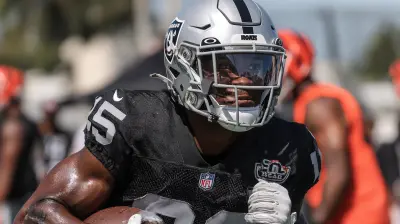
How Athletes Are Using Endorsements to Promote Social Causes
25 July 2026
In today's world, being an athlete isn’t just about scoring goals, making baskets, or running the fastest. It’s also about standing up for what you believe in. And guess what? Some of the most recognized names in sports are using the very endorsements that made them rich and famous to push for social change. Let’s dive into how that's happening and why it matters — a lot.
The Evolution of Athlete Activism
Back in the day, athletes were told to “stick to sports.” That old phrase feels outdated now, right? Today’s players aren't just taking shots on the field—they’re taking stands off of it too.Think of Muhammad Ali refusing to be drafted during the Vietnam War. Or Tommie Smith and John Carlos raising their fists during the 1968 Olympics. These moments were huge. But now, with social media and massive brand deals in the mix, athletes have way more reach—and power—than ever before.
Endorsements: More Than Just Commercials
Let’s be honest. Endorsements used to be about slapping your face on a sneaker, soda, or cereal box. Simple, transactional, and money-focused. But times have changed.Now, athletes are using those same brands to amplify their voices. In some cases, they’re even choosing partnerships based on shared values. It's not just about the paycheck anymore; it’s about purpose.
Why Brands Are Jumping on Board
Here’s the twist: it’s not just athletes. Brands are catching on too. Companies realize that consumers are paying attention. They want authenticity. They want action. And when athletes speak up, especially through endorsement deals, people listen.So now you’ve got brands and athletes teaming up not only to sell shoes but also to fight racism, promote mental health, fight hunger, and champion equality.
Sounds like a win-win, right?
Real-Life Examples of Athletes Using Endorsements for Good
Let’s break it down with some real-world examples that show how this trend is turning into something truly powerful.1. LeBron James – More Than an Athlete
LeBron doesn’t just dominate on the court—he dominates in the world of social change too. Through his partnership with Nike, he’s helped promote messages about social justice and racial equality.Remember the “Equality” campaign? That wasn’t just a marketing gimmick. It was a bold statement at a time when the world needed it.
LeBron even helped fund a public school in Akron, Ohio, through his foundation. He’s proving that an endorsement can be used not only to sell shoes but also to change lives.
2. Naomi Osaka – Mental Health Matters
Naomi Osaka, a tennis superstar, took a brave stand when she withdrew from the French Open in 2021 to focus on her mental health. And guess what? Her sponsors stood by her.Brands like Nike and Sweetgreen didn't run for the hills. Instead, they embraced her message, showing the world that standing up for mental health is as important as any title or trophy.
3. Colin Kaepernick – Taking a Knee, Raising a Voice
Colin Kaepernick’s story is a landmark moment in athlete activism. When he knelt during the national anthem to protest police brutality, it cost him his place in the NFL. But it also sparked a global movement.Nike pulled no punches and featured him in a major campaign with the words: “Believe in something. Even if it means sacrificing everything.”
Talk about powerful, right? That campaign wasn't just marketing. It became a cultural moment.
How Social Media Supercharges Endorsements
Back in the day, if you wanted to get your message out, you needed a press release or a news interview. Now? A single Instagram post can reach millions.Athletes are using their platforms to speak directly to fans, unfiltered and raw. And when they tie that into brand endorsements, it’s like tossing gasoline on a fire — it lights up the internet.
Social media adds a layer of intimacy, urgency, and authenticity that traditional marketing could never touch.
Fans Want Athletes Who Care
Here’s the big thing: fans today care more about what an athlete believes in than just their stats. They want realness.If an athlete partners with a brand that's giving back to communities, promoting inclusivity, or helping the planet—well, that athlete becomes way more relatable. And let’s face it, that’s good for business.
Endorsements that align with social causes are emotionally sticky. They leave a lasting impression.
Challenges Athletes Face with Cause-Based Endorsements
It’s not all smooth sailing, though. Speaking up can be risky. Athletes sometimes face backlash, lose fans, or even jeopardize their careers.Some critics argue they should stay neutral. Others call it performative if it feels forced or insincere.
But here’s the deal—most athletes know this. And they speak out anyway. That takes guts.
The Brands Getting It Right
Not every brand nails this perfectly, but some stand out for truly supporting their athletes and putting money where their mouth is.- Nike: From backing Kaepernick to supporting women in sports, they’ve taken big, bold stances.
- Adidas: Committed to sustainability and diversity, Adidas has teamed up with athletes who are environmentally and socially conscious.
- Patagonia: Okay, not traditionally a sports brand, but they’ve supported athletes in the outdoor sports world fighting for climate change.
These companies don’t just print slogans—they fund programs and initiatives that make a real, lasting difference.
What’s Next? Future Trends to Watch
We’re only just getting started, folks. The way endorsements connect to social causes is only going to grow.1. Custom Apparel for Causes
Expect more athletes to release limited-edition gear where proceeds go directly to non-profits. Merging fashion and philanthropy? That’s the future.2. Athlete-Owned Foundations and Startups
More and more athletes are creating their own charities or even launching businesses focused around social good—putting them in full control of how their endorsements help make change.3. Deeper Brand-Athlete Collaborations
We’re talking endorsements where athletes sit at the table when creative decisions get made. Real input. Real impact. No tokenism.You Don’t Need to Be a Pro to Make a Difference
If you're not a famous athlete, you might be thinking, "Okay, cool… but what can I do?"Here’s the thing: You don’t need a Nike deal to support causes you care about. Support brands that align with your values. Follow athletes who use their platforms for good. Share their stories.
Change is contagious.
Final Thoughts
Athletes today are more than just role models—they're changemakers. And by combining the power of endorsements with their passion for social causes, they’re shaping the way we think, act, and care about the world around us.They're showing us that influence isn’t just about being in a commercial—it's about standing for something bigger. Something that matters.
So the next time you see an athlete on your screen, think about what they stand for. It might just be more powerful than their performance.
all images in this post were generated using AI tools
Category:
Brand EndorsementsAuthor:

Easton Simmons
Discussion
rate this article
1 comments
Rocco McSweeney
Who knew that scoring a touchdown could also score points for social causes? Athletes are trading in their jerseys for capes, proving that saving the world is just as important as saving a game. Next up: LeBron's eco-friendly sneakers... or is it a cape?
July 28, 2026 at 10:24 AM
Easton Simmons
It's great to see athletes using their platform for positive change. LeBron's eco-friendly sneakers could definitely be the next big step in this movement.