Scouting Reports That Are Shaking Up 2026 Expectations
10 September 2026
Every year, the gap between what fans expect and what actually happens on draft night comes down to one thing: how teams read the scouting reports. The 2026 cycle is shaping up to be one of the most unpredictable in recent memory, not because of a lack of talent, but because the traditional ways of evaluating prospects are clashing with new data and changing schemes. Coaches and general managers are finding that the old checklists no longer apply cleanly. What we are seeing now is a shift in how projection models weight athletic testing, how much film study counts versus biometric data, and how psychological profiles are influencing draft boards more than ever before.
The result is a set of scouting reports that are genuinely altering expectations. Some players who looked like top-five locks in the spring are sliding because of concerns that would have been ignored five years ago. Others, labeled as raw projects, are climbing because their underlying numbers tell a different story than their highlight reels. This article breaks down the major trends, the specific archetypes causing the most disagreement, and what decision-makers should actually do with all this conflicting information.
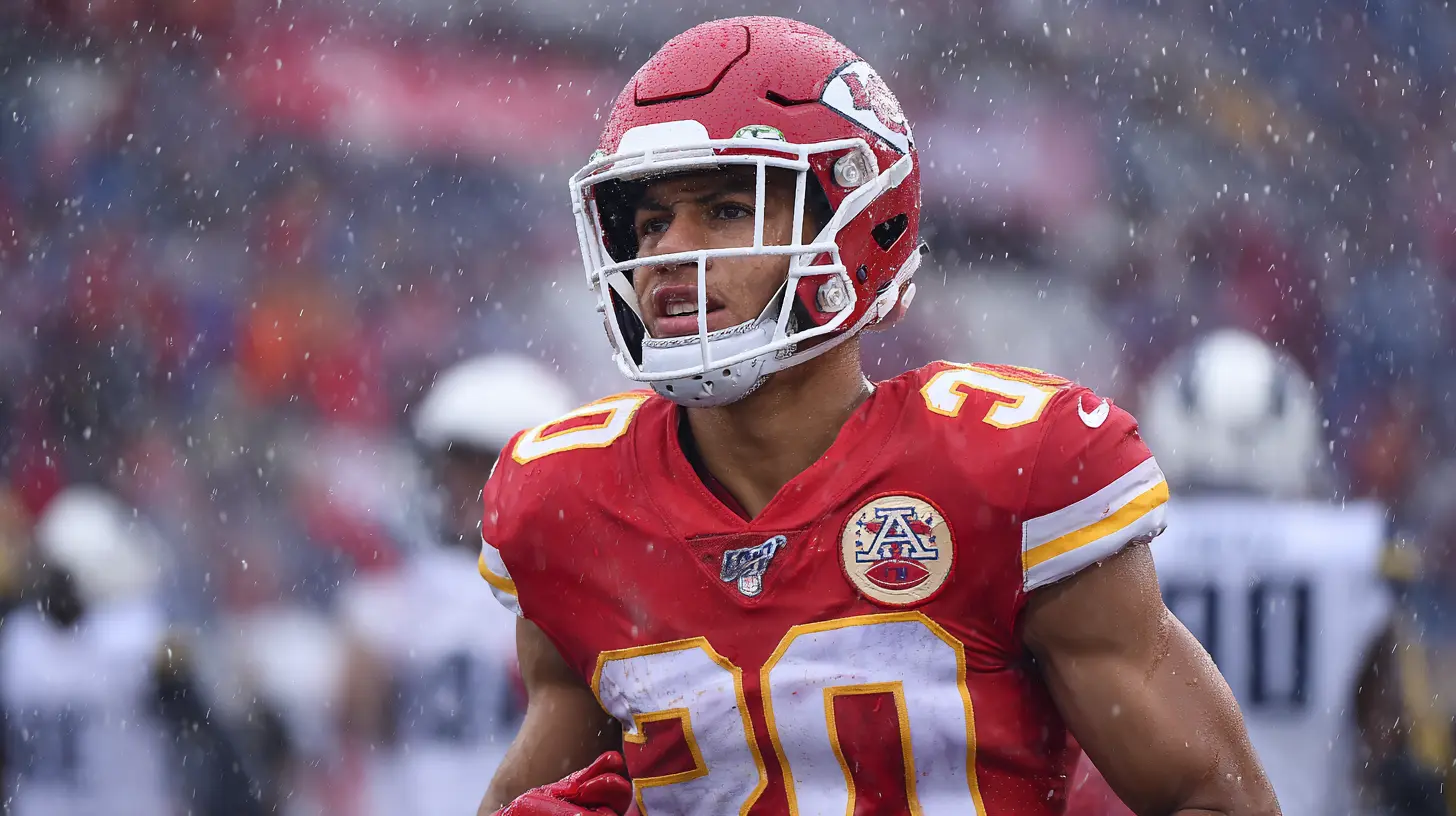
The New Metrics That Are Rewriting Player Grades
The most significant change in scouting over the last three seasons is the acceptance of tracking data as a primary evaluation tool, not just a supplementary one. In the past, a scout would time a player with a stopwatch and call it a day. Now, every movement on the court or field is cataloged. Acceleration curves, deceleration rates, change-of-direction efficiency, and even the angle of a player's first step are being measured with precision that was once reserved for biomechanics labs.This has created a fascinating split in the scouting community. Traditionalists argue that tracking data strips the context away from the game. They point to players who excel in chaotic, improvised situations but have mediocre burst numbers. The new school counters that context can be quantified too, by measuring separation rates against specific defensive coverages or workload efficiency over a full game.
For 2026, the player causing the most heated debate is a power forward who runs the floor like a guard in transition but has a standing vertical that is below average. Old reports would have hammered him for his lack of explosiveness around the rim. New reports highlight that he creates 90 percent of his offense off live dribbles, and his first-step acceleration in the half court ranks in the 98th percentile. The question becomes whether you are drafting a player's best moments or his average ones. The best front offices are starting to answer that by weighting the frequency of high-value movements rather than the peak of any single test.
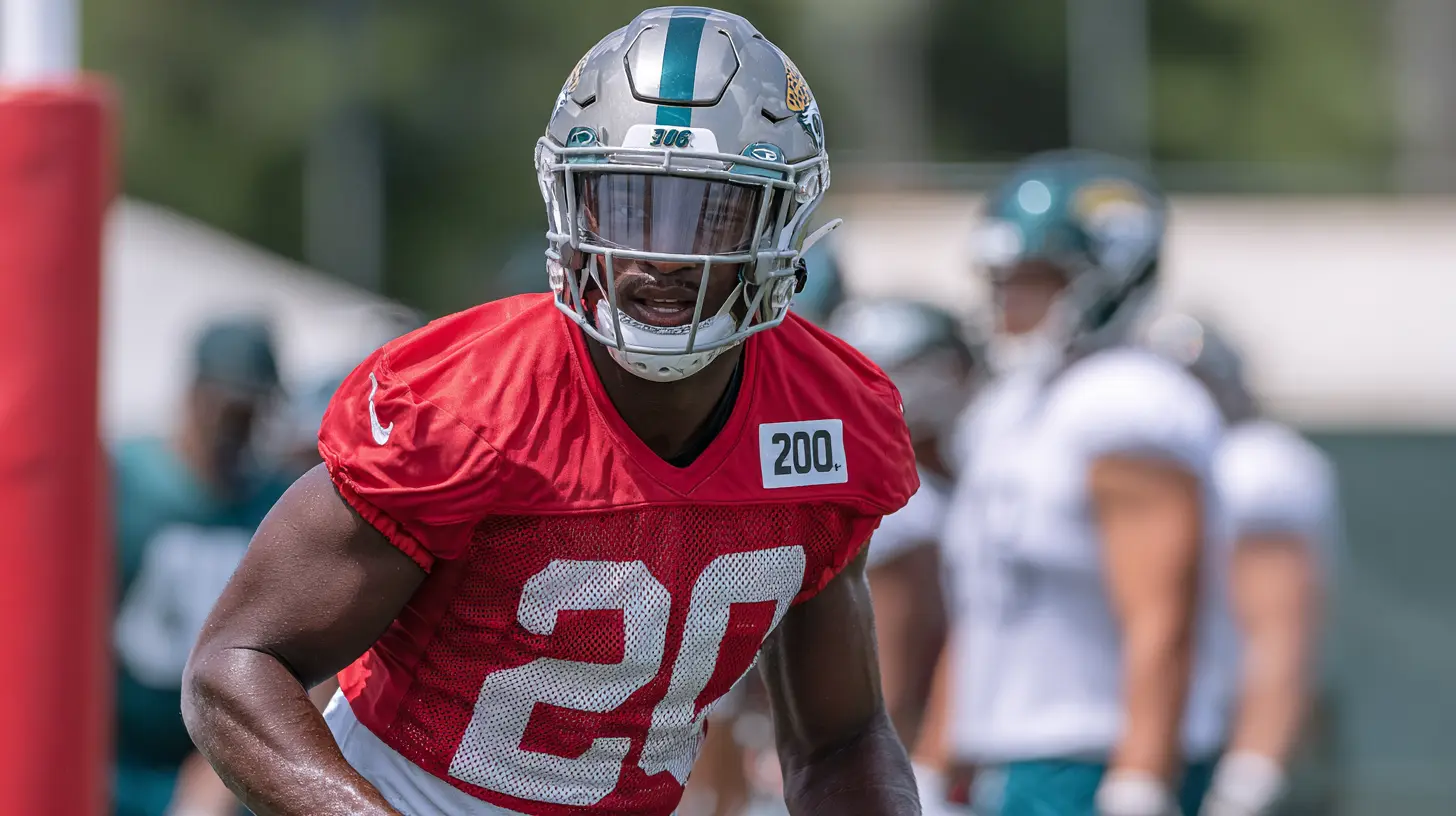
Why "Basketball IQ" Is Finally Being Measured, Not Just Praised
For decades, the phrase basketball IQ was a lazy catch-all for players who were white, smart, or played for a prestigious program. That is no longer acceptable. Teams are now using cognitive testing that measures processing speed, visual scanning, and decision-making under simulated pressure. The results are changing draft boards in ways that surprise even the scouts who have been in the league for twenty years.One point guard in this class has average size and unspectacular shooting splits, but his cognitive test scores are off the charts. He processes complex defensive rotations in under half a second and consistently makes the correct read in high-stress scenarios. His scouting report now reads like a veteran quarterback's analysis, with notes on his anticipation and ability to manipulate defenders with his eyes. Conversely, a wing player with elite physical tools and a beautiful jump shot scored poorly on the same tests when the pace was increased. He panics under pressure and defaults to isolation plays that stall the offense.
The misconception here is that cognitive testing is a replacement for watching film. It is not. It is a way to confirm or challenge what you see. A player who looks smart on tape but tests poorly might just be playing against weak competition. A player who tests well but looks lost might be fighting a system that does not fit him. The mistake is treating these numbers as absolutes. They are indicators, not verdicts. The teams that are shaking up expectations are using them to ask better questions, not to make final decisions.
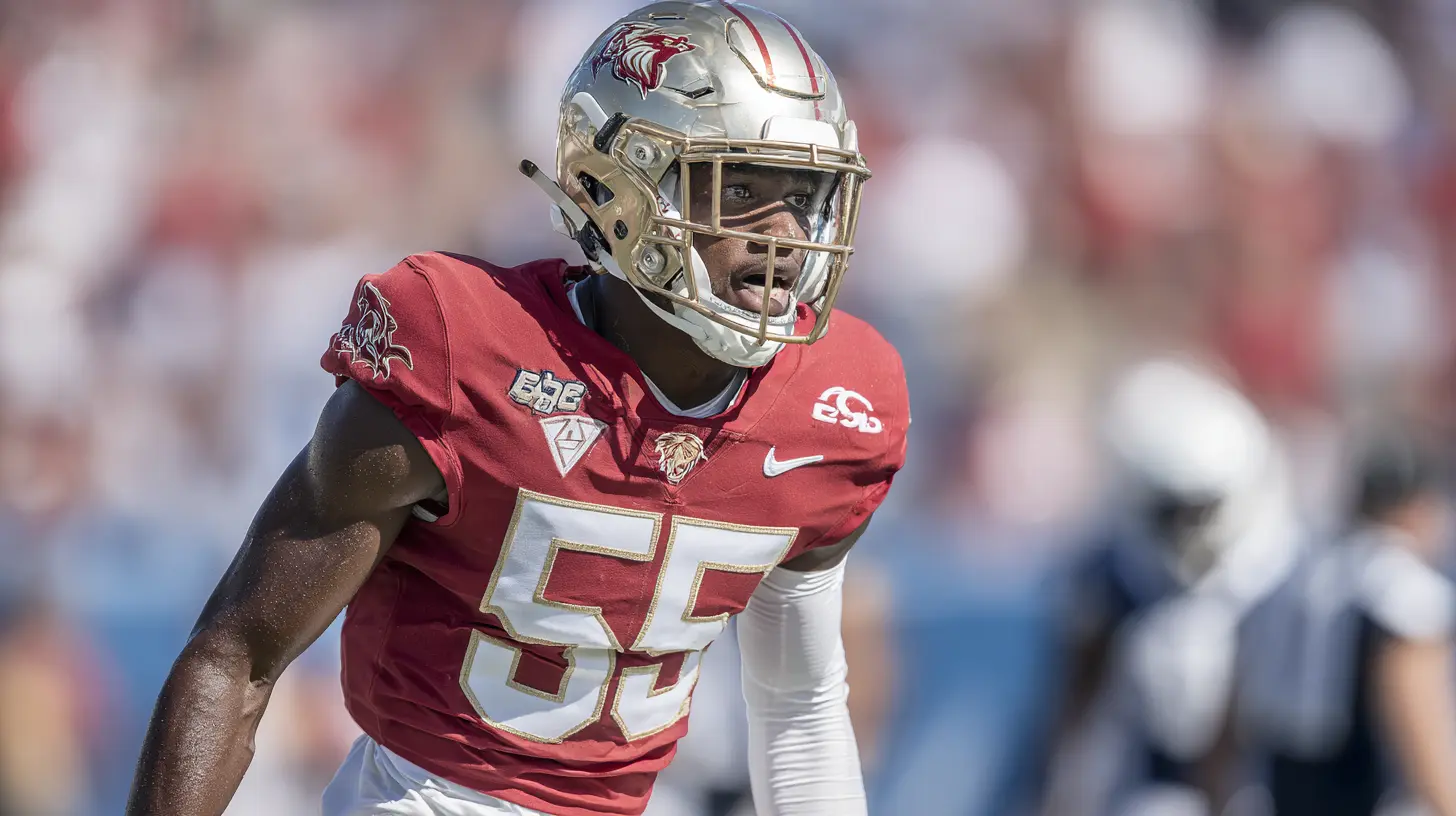
Positionless Scouting and the Death of the Traditional Role
The 2026 class is loaded with players who do not fit a single positional mold. There are 6-foot-8 point forwards who guard centers in switch-heavy schemes and 6-foot-2 combo guards who rebound like power forwards. The old scouting format forced a player into a box, then graded him against that box. That approach is dying because the game has changed.Take the rise of the two-way connector. This is a player who is not the primary scorer or the primary defender but is on the court for the final six minutes of every close game because he makes the right pass, hits the open corner three, and can guard three or four positions. In 2021, this player was a late first-round pick. In 2026, he is being discussed as a top-ten selection. The reason is simple: playoff basketball is about lineup flexibility, and these connectors allow coaches to switch everything without sacrificing offensive spacing.
The trade-off is real, though. When you draft a connector in the top ten, you are betting on his versatility translating to stardom. But versatility often means being good at many things and elite at none. The best case scenario is a player like a taller Draymond Green who becomes the hub of a championship defense. The worst case is a player who is too slow for wings and too small for bigs, stuck in a no-man's land. The teams that are getting it right are not just drafting the player; they are drafting the system that will maximize him. If you do not have a coach who can deploy a positionless player creatively, you are wasting the pick.
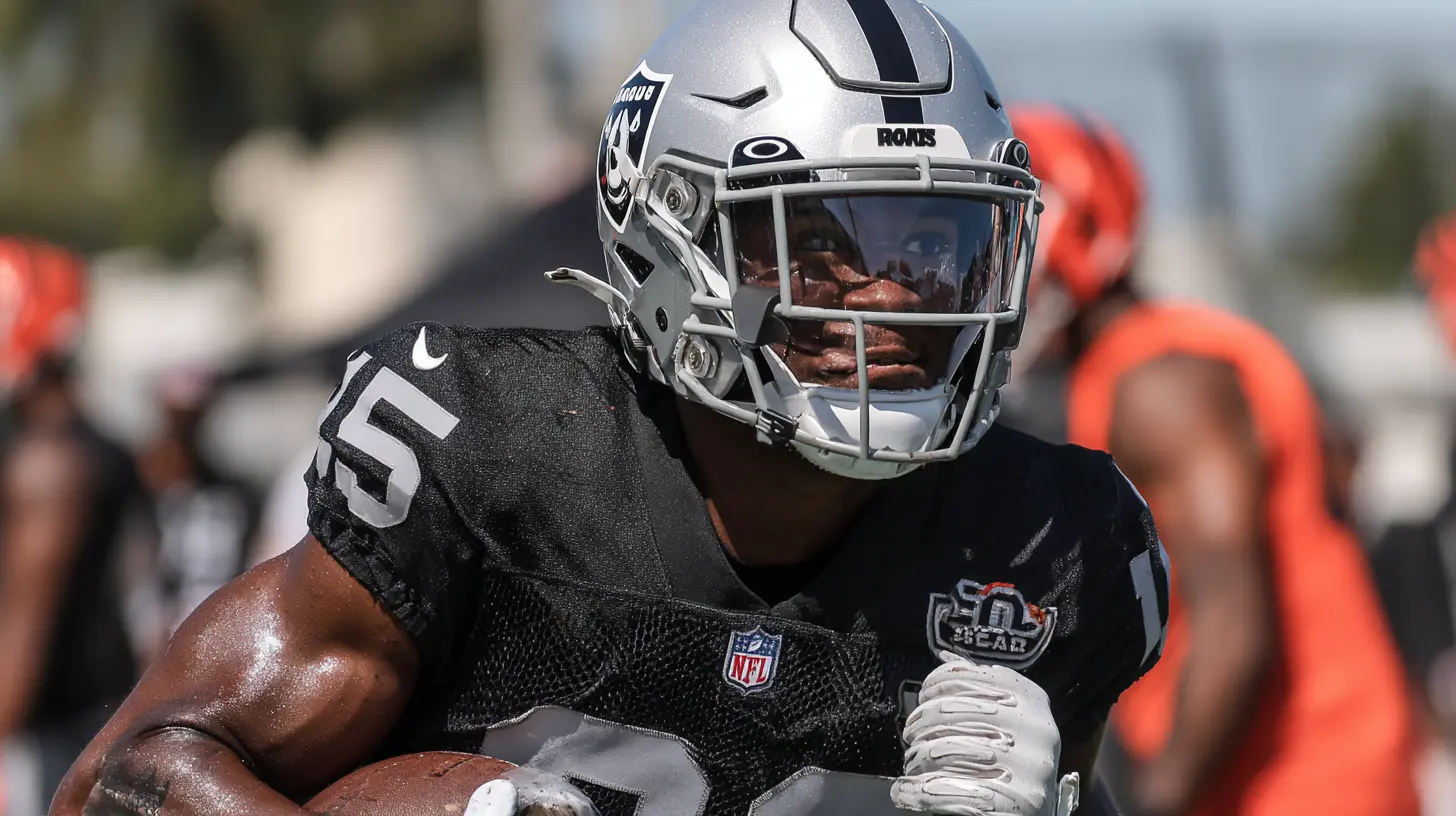
The Injury Red Flags That Are Causing Panic
No factor changes a draft board faster than medical reports. The 2026 class has a handful of elite prospects with injury histories that are giving front offices serious pause. The issue is not the injuries themselves but the changing philosophy on how to evaluate them.A stress fracture in a foot used to be a yellow flag. Now, with the availability of advanced imaging and load-management data, teams are looking at the root cause. Is the fracture a result of poor mechanics, overtraining, or just bad luck? One player in this class has had two surgeries on the same knee. The conservative take is to drop him entirely. The analytical take is that his cartilage looks pristine on the latest scans, and the surgeries were for a minor issue that has been fully resolved.
The scouting reports that are shaking up expectations are the ones that separate the injury from the recovery. A torn ACL in 2020 was a career-threatening event. In 2026, it is a manageable setback for most players under the age of 21. The anterior cruciate ligament reconstruction techniques have improved so much that the re-injury rate for young athletes is lower than it has ever been. The real red flag is not the injury itself but the player's response to rehabilitation. Did he rush back? Does he favor the injured side? Is his movement pattern altered even when he says he feels fine?
Teams are now hiring movement specialists to watch every step a prospect takes during workouts, looking for asymmetries that do not show up on an MRI. A player who walks with a slight limp after a workout is a bigger concern than the scar on his knee. The mistake is overreacting to the diagnosis and underreacting to the biomechanics. The smart play is to do both, but in the right order. Medical history tells you what happened. Movement analysis tells you what is happening now. The latter is more predictive of the future.
The Mental Side of the Game Is No Longer an Afterthought
The most misunderstood part of scouting is the psychological evaluation. Teams have always done interviews, but they were often superficial. Do you love basketball? Who is your role model? How do you handle losing? The answers were predictable, and the evaluations were useless.That has changed with the introduction of structured behavioral assessments that measure resilience, coachability, and competitive drive in a more nuanced way. The 2026 draft class is the first to be fully subjected to these tests, and the results are causing some major shifts.
One highly skilled center is dropping on boards because his assessment showed a tendency to shut down when he makes an early mistake. He is the type of player who, after a missed shot, will stop crashing the offensive glass and start jogging back on defense. His physical tools are top-five, but his emotional reactivity is a genuine liability. In a playoff series, opposing teams will target him early, force him into two quick fouls, and then play 4-on-5 on the offensive glass for the rest of the half.
On the other side, a less talented guard is climbing because his assessment shows an extraordinary ability to compartmentalize failure. He can go 0-for-10 from the field and still take the game-winning shot with confidence. He is the type of player coaches trust in high-leverage situations, and that trust is worth real draft capital.
The danger here is overvaluing the test. A player who is too calm might lack the burning desire to improve. A player who is too emotional might be passionate in a good way. The key is finding the balance, and that requires a human judgment call that no algorithm can make. The best scouting departments are using these assessments to guide their interviews, asking pointed questions about specific scenarios that came up in the test, rather than treating the test results as the final word.
Comparing the High-Ceiling Project vs. The High-Floor Veteran
Every draft has the eternal debate between the raw athlete with immense potential and the polished player who is ready to contribute immediately. The 2026 class presents this debate in its purest form yet, because the gap between the two archetypes is wider than usual.The high-ceiling project is a 7-foot-1 forward who has only played organized basketball for four years. His footwork is clumsy, his post moves are predictable, and he struggles to pass out of double teams. But he runs like a deer, jumps off the wrong foot with ease, and has a wingspan that makes him a nightmare for opposing shooters. His scouting report is a list of things he cannot do yet, followed by a note that says, if he learns to do any two of those things, he is an All-Star.
The high-floor veteran is a 22-year-old senior who has started every game for four years. He is not a great athlete, but he is always in the right position. He is not a great shooter, but he takes only good shots. He is not a lockdown defender, but he rarely makes a mistake. He will be a solid rotation player on day one, but his ceiling is probably a third or fourth option on a good team.
The smartest front offices are not asking which player is better. They are asking which player is better for their specific situation. If you are a contender with a closing window, you take the veteran. If you are a rebuilding team with the patience to develop talent, you take the project. The mistake is when a team in the middle tries to draft for need and ends up with a player who does neither. The reports that are shaking up expectations are the ones that force teams to be honest about their timeline and their developmental infrastructure. A project player will fail on a team with no player development coaches. A veteran will waste away on a team that is tanking for a better pick.
The Role of College Production vs. AAU Hype
There is a quiet war happening in scouting circles over how much weight to give college production versus AAU and high school performances. The 2026 class is unique because many of its top prospects played limited college minutes due to injuries or played in non-conference schedules that were deliberately weak.The old school view is that college production is the most reliable indicator because it comes against structured defenses and in a competitive environment. The new school view is that AAU basketball, despite its chaos, better simulates the pace and spacing of the modern NBA. Players who dominate in AAU are used to playing multiple games in a day, guarding elite athletes, and making quick decisions with less structure.
This debate is causing real movement on draft boards. A player who averaged 25 points per game in the Big East is being questioned because his efficiency dropped against top-tier competition. A player who played for a small school and put up gaudy numbers is being dismissed as a product of a system. Meanwhile, an AAU standout who struggled in his limited college minutes is getting a pass because his high school tape is incredible.
The truth is that both sources of information matter, but they answer different questions. College production tells you if a player can do it against grown men in a structured setting. AAU tape tells you about his creativity and ability to improvise. The best reports are the ones that triangulate both, along with the new tracking data, to create a full picture. Relying on one source is lazy and leads to massive misses.
How the Global Game Is Changing the Evaluation Timeline
International scouting used to be a separate track. You would fly to Europe, watch a player in a few practices, and then compare him to domestic prospects based on a gut feeling. That is no longer the case. The 2026 class has several international players who are being evaluated with the exact same tools as their American counterparts, and the results are surprising.The main difference is the age of professional experience. International players often have two or three years of pro experience against grown men by the time they are 19. That gives them a maturity edge, but it also means they have developed habits that are hard to break. American players are more raw but also more moldable.
The scouting reports that are shaking up expectations are the ones that adjust for the level of competition. A player dominating the Spanish ACB is facing better competition than a player dominating the Big Ten. A player in the Australian NBL is getting more physical play than he will see in most NBA regular-season games. The mistake is automatically downgrading international players because they are not playing in the NCAA. The smarter approach is to translate their production using a quality-of-competition multiplier, which often reveals that a so-called role player overseas has the skills to be a starter in the NBA.
Practical Advice for Fans and Analysts
If you are a fan trying to make sense of the shifting expectations for 2026, stop looking at mock drafts as predictions. They are snapshots of current consensus, and the consensus is changing weekly. Instead, focus on the debates. When you see a player sliding, ask why. Is it an injury concern, a poor workout, or a change in team philosophy? When you see a player rising, ask what changed. Did he add a move to his game, or did a team with a specific need move up in the order?The best way to evaluate a prospect on your own is to watch him in three different contexts. Watch him against weak competition to see if he dominates. Watch him against strong competition to see if he disappears. Watch him in a game where his team is losing by double digits to see if he changes his approach. That last one tells you more about his character than any interview ever will.
Also, be wary of the narrative trap. Every year, the media builds up a player as a generational talent, and every year, that player is compared to a past great. Those comparisons are almost always unfair. The player is not the next LeBron or the next Durant. He is the first version of himself. Scouting is about projecting what he can become, not what he resembles.
The Bottom Line
The 2026 draft class is a mess in the best possible way. There is no consensus number one pick, no surefire superstar at the top, and no shortage of opinionated scouts who are convinced they are right. The reports that are shaking up expectations are the ones that embrace the uncertainty rather than hide from it. They present the flaws honestly, explain the context behind the numbers, and give decision-makers a clear framework for making a choice.The teams that will win this draft are the ones that are willing to be wrong. They will take a player who falls because of a foot injury that never bothers him again. They will pass on a player who rises because of a great workout but has a history of quitting when things get hard. They will trust their own process over the noise of the public conversation.
For everyone else, the lesson is simpler. Watch the games, read the reports, but remember that the draft is not a science. It is an art form that uses data as its paint. The best artists know when to break the rules. The 2026 class is full of players who are going to make a lot of smart people look foolish. That is what makes this time of year so exciting.
all images in this post were generated using AI tools
Category:
Preseason AnalysisAuthor:

Easton Simmons
Discussion
rate this article
2 comments
Regina Hines
Looks like the 2026 hype train is picking up speed. I just hope the scouts aren't using Google Maps for their route... or we're in trouble!
October 12, 2026 at 3:03 AM
Wilder Taylor
Exciting insights in this article! It's great to see fresh talent shaping the future of sports for 2026.
September 10, 2026 at 12:10 PM
Easton Simmons
Thanks for your feedback! I'm glad you found the insights exciting. Fresh talent is definitely pivotal for the future of sports.