From Courtside to Camera: How Sports Become Cinematic
26 June 2026
Sports and cinema—two worlds that may seem separate but, when combined, create something truly magical. Picture this: the final seconds of a tied basketball game, the crowd holding their breath, the player dribbling down the court, and then—boom! A buzzer-beater shot that sends chills down your spine. Sounds like a scene straight out of a Hollywood blockbuster, right?
That's because sports have a natural drama that fits perfectly on the big screen. But what is it about sports that make them so cinematic? And how do filmmakers transform real-life athleticism into visual masterpieces? Let's dive in. 
The Raw Emotion of Sports: A Built-in Hollywood Script
Every great sports moment has all the elements of a thrilling movie—high stakes, fierce rivalries, underdog triumphs, and unexpected twists. Just think about the 1980 "Miracle on Ice," when the U.S. hockey team defeated the heavily favored Soviet squad. That real-life drama was so compelling it became a movie (appropriately named Miracle).Sports naturally create compelling narratives. Unlike scripted films, where every twist is pre-planned, sports events unfold in real time, capturing unscripted emotions—joy, heartbreak, and sheer determination. Fans don’t just watch; they feel it. 
How Cinematic Techniques Enhance Sports
While sports are thrilling on their own, filmmakers add a layer of magic using cinematic techniques. Let’s break down how directors bring out the drama in sports films and live broadcasts.Slow Motion: Freezing the Moment
You know that moment when an athlete leaps into the air, the ball floating toward the hoop in slow motion? That’s no accident. Slow-motion captures the tiniest details—sweat dripping, muscles tensing, eyes laser-focused—making every moment feel larger than life.Close-Ups: Putting You in the Game
In live sports, close-ups highlight raw emotions—frustration, triumph, exhaustion. In movies, they create intimacy, allowing the audience to connect with the athlete’s journey. Whether it’s Rocky Balboa’s bloodied face or Michael Jordan’s game-winning stare, close-ups make us feel like we’re right there.Dramatic Music: Amplifying the Intensity
Ever noticed how a simple dribble sounds ten times more intense in a movie? That’s because of music and sound design. A well-timed orchestral score can turn a soccer penalty kick into a nerve-wracking sequence filled with suspense.Aerial Shots: Capturing the Grandeur
Technology like drones and cable cameras has transformed sports cinematography. Sweeping aerial shots make everything feel epic—whether it's the grandeur of a packed stadium or a bird’s-eye view of a long-distance runner pushing through the final stretch.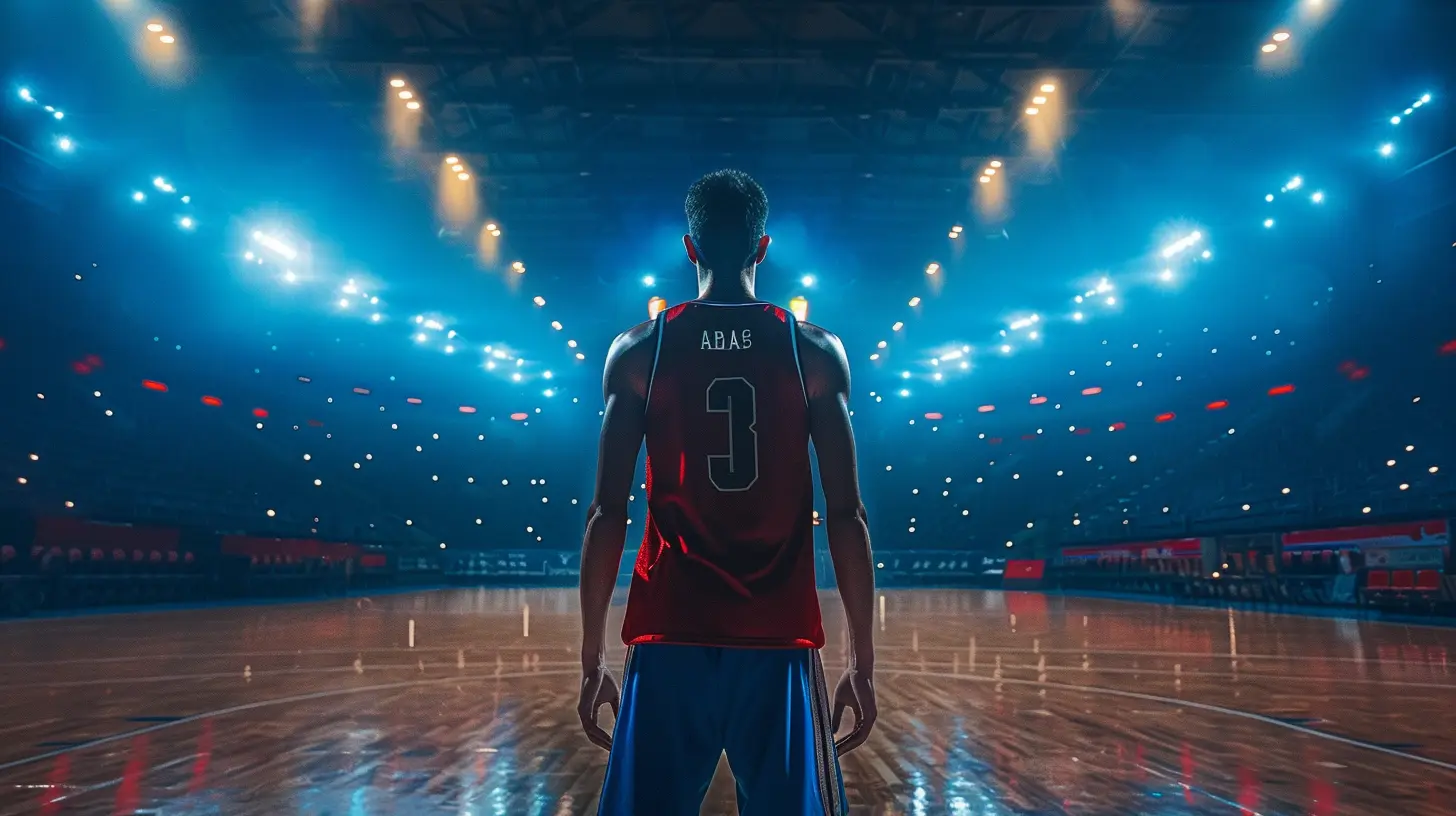
The Rise of Sports Documentaries: Real-Life Drama on Screen
Movies like Rocky and The Blind Side are fantastic, but let’s not ignore the power of sports documentaries. In recent years, series like The Last Dance (about Michael Jordan’s career) and Formula 1: Drive to Survive have captivated audiences beyond traditional sports fans.Why? Because these documentaries do more than just showcase highlights—they dive deep into the personal struggles, behind-the-scenes politics, and emotional battles of athletes. They reveal what happens when the cameras are off, turning legendary players into relatable human beings.
And guess what? The demand for sports documentaries is skyrocketing. With streaming platforms like Netflix and Amazon Prime investing heavily in this genre, expect even more gripping sports stories in the coming years. 
The Influence of Movies on Sports Culture
Just as sports influence cinema, the reverse is also true. Films have shaped how we view athletes, teams, and even entire sports.Iconic Training Montages: Inspiring Generations
Think of Rocky running up those iconic Philadelphia steps. That scene alone has inspired countless athletes (and probably a few weekend joggers). Sports movies often glorify the grind, making early morning workouts and grueling training sessions seem heroic.Creating Legends: The Power of Storytelling
Some athletes gain legendary status not just because of their performances but because their stories are immortalized on screen. For instance, Jesse Owens' legacy was cemented through Race, a film about his triumph at the 1936 Olympics.Changing Perceptions of Sports
Movies can also elevate the status of lesser-known sports. Before Cool Runnings, how many people outside of Jamaica cared about bobsledding? Films have the power to introduce audiences to new sports and redefine how they are perceived.The Future of Sports and Cinema
With technology evolving, the way we capture and experience sports on screen is changing rapidly.Virtual Reality: Total Immersion
Imagine putting on a VR headset and experiencing the NBA Finals as if you were courtside. With advancements in virtual reality, the gap between sports and cinema will shrink even further.AI and CGI: The Next Frontier
AI-driven analytics are already transforming how sports are broadcast, with real-time stats appearing on-screen. In the future, CGI could recreate legendary matchups—want to see Muhammad Ali fight Mike Tyson in their primes? AI might make it possible.Sports-Themed Video Games: A New Kind of Cinematic Experience
Games like FIFA and NBA 2K have blurred the line between interactive media and cinema, offering story-driven career modes that make players feel like they’re living an athlete’s journey.Final Thoughts
Sports and cinema are a match made in storytelling heaven. The thrill, emotion, and unpredictability of sports provide the perfect foundation for compelling films and documentaries. Whether it’s a scripted blockbuster, a gripping documentary, or a visually stunning live broadcast, the blend of sports and cinema will continue to evolve, captivating audiences worldwide.So next time you watch a game-winning shot or a last-second touchdown, take a moment to appreciate the cinematics of it all—you might just be witnessing the next great movie moment in real life.
all images in this post were generated using AI tools
Category:
Sports DocumentariesAuthor:

Easton Simmons
Discussion
rate this article
1 comments
Judith Phillips
This article brilliantly captures the transformation of sports into cinematic experiences, highlighting the synergy between athleticism and storytelling on screen. Great read!
July 5, 2026 at 12:40 PM