How to Conquer Fear of Wipeouts
24 January 2026
Let’s be honest—we’ve all been there. Standing at the edge of the water, board in hand, knees slightly shaking, heart racing. It’s not just the size of the waves that gets to us—it’s that inner voice whispering, “What if I wipe out?”
Whether you’re a beginner surfer, a seasoned pro battling a mental block, or someone just trying to get in the water more confidently, fear of wipeouts is a hurdle we all face. The good news? You can beat it. Not overnight, but step by step. In this guide, we’re diving deep into why we fear wipeouts and how to crush that fear for good.
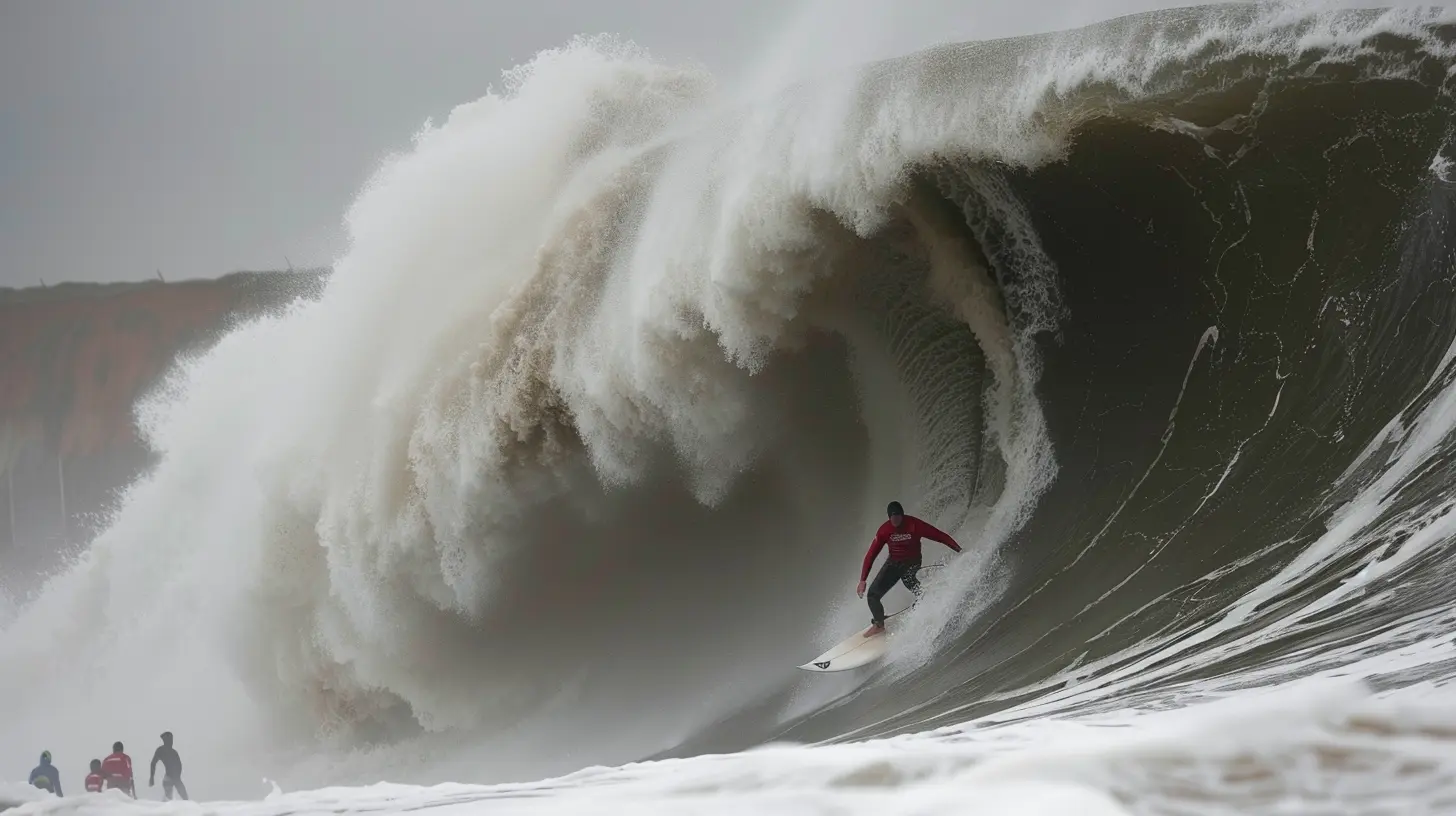
Understanding Fear of Wipeouts: What’s Really Going On?
First off, let’s break it down. The fear of wipeouts isn’t just about falling. It’s about losing control, getting held underwater, getting hurt, or looking like a fool out there. It’s the fear of the unknown. Your brain is wired to protect you, which means it’s doing its job when it tells you to back off from a big wave. But sometimes, the brain goes a little overboard.That fight-or-flight response? It’s meant for saber-toothed tigers, not waist-high sets at your local point break. Still, your body reacts the same way—tight chest, short breaths, shaky limbs. Your fear is valid, but it also doesn’t have to rule you.
Let’s Talk About Wipeouts—They’re Not the End of the World
Here’s a universal truth: everyone wipes out. Kelly Slater? Wipes out. John John Florence? Yep, him too. The difference between you and the pros isn’t that they don’t fall—it’s that they’ve made peace with it.Think of wipeouts like tripping over your shoelaces. Embarrassing? Maybe. Fatal? Highly unlikely. Most of the time, you’ll come up sputtering, laughing, and just a little salty. A wipeout is your body’s way of saying, “Nice try! Let's go again.”
Now that we’ve untangled the fear a bit, let’s dive into how you can actually conquer it.
1. Visualize Success (And Failure)
Sounds corny? Maybe. Effective? Absolutely. Visualization is a powerful tool that top athletes use to prep their minds for peak performance.Here’s how to do it:
- Close your eyes before a session. Picture yourself catching a wave, riding it flawlessly, feeling that rush.- Then—and this is important—picture a wipeout. Imagine the tumble, the spin, the hold-down. But then visualize yourself calmly floating up, catching your breath, paddling back out.
Why does that matter? Because your brain can’t tell the difference between real and imagined practice. By mentally rehearsing both the good and the bad, you’re telling your mind: “You’ve got this, no matter what happens.”
2. Learn How to Wipe Out the Right Way
Most fear comes from the unknown. So let’s make wipeouts a little less mysterious.Some golden rules to remember:
- Don’t dive headfirst. Always fall flat like a starfish to avoid hitting the bottom.- Cover your head with your arms. Especially in shallow waters, protect your noggin.
- Relax your body. Tensing up makes things worse. Go with the flow. Literally.
- Don’t panic underwater. You’re not being held down forever. Most hold-downs are under 5 seconds, even if they feel longer.
- Wait before resurfacing. Give the board and leash a moment to settle before coming up.
Understanding the physical mechanics of wiping out gives you more control, and control brings confidence.
3. Train for the Hold-Down
If the idea of being underwater freaks you out, you’re not alone. Hold-downs are probably the number-one cause of fear for surfers.Here's how to beat that:
- Breath-hold training. Start simple. Hold your breath while sitting on the couch. Increase your time gradually. Practice in a safe setting—never while swimming alone.- Deep breathing before paddling out. Inhale through your nose, exhale slowly. It lowers heart rate and calms the nerves.
- Get comfortable underwater. Play around in the white water. Dive under waves willingly. Let them move you around. The more you let go of control, the less scary it becomes.
Think of it like dancing with the ocean. You’re not trying to dominate it—you’re moving with it.
4. Start Small and Build Confidence
Let’s not be heroes. If you’re scared of overhead sets, maybe don’t paddle out on a double-overhead day. Fear thrives when you're out of your depth—literally and emotionally.Instead:
- Pick conditions that are just a bit challenging. Waist-high, slow rollers? Perfect.- Set mini-goals. Today, maybe it’s just paddling out. Next time, it’s catching one wave—wipeout or not.
- Celebrate small wins. Surfing isn’t just about the ride; it’s about showing up.
Confidence works like building muscle—you gain it rep by rep.
5. Talk to Other Surfers
Seriously, don’t suffer in silence. Ask others how they feel about wipeouts. You’ll be surprised how many seasoned surfers STILL get nervous.Why this helps:
- It normalizes your fear.- You get tips and hacks from people who’ve been there.
- Community builds courage.
Sharing your fears doesn’t make you weak—it makes you brave. No one rides solo in the ocean, and that includes the emotional ride, too.
6. Know Your Spot and Read the Ocean
You’d be scared blindfolded, right? That’s what surfing without ocean knowledge feels like. The more you understand wave behavior, the less scary it becomes.Learn to:
- Read wave patterns. Watch how they break, where others are sitting, and where the channels are.- Study the spot before paddling out. What’s the tide like? Any rocks? How strong is the current?
- Know your escape routes. Where can you safely bail or paddle out if needed?
When you know what to expect, the ocean feels more like a partner and less like an unpredictable beast.
7. Train Your Body for the Unexpected
Fear often shows up when your body doesn’t feel prepared. If you aren’t fit, a simple fall can feel overwhelming. On the other hand, a strong, conditioned body bounces back faster (and wipes out safer).Workout tips for surfers:
- Cardio: Keeps your lungs and heart ready for hold-downs.- Core strength: Helps with balance and recovering after a wipeout.
- Flexibility and mobility: Cuts down on injury risk during awkward falls.
- Functional training: Simulate twisting, turning, and duck-diving movements.
Basically, train like you’re going into battle—with a smile.
8. Embrace the Wipeout: It’s Part of the Ride
Here's the kicker: you’ll never completely eliminate wipeouts. It's just part of the game.But what if you saw wipeouts not as failures, but as progress? Every wipeout is a lesson. A badge of honor. Proof that you tried.
The ocean doesn’t care who you are—it humbles everyone. That’s what makes it magical.
Final Thoughts: Fear Is Just a Wave—You Can Ride It
Look, fear is natural. It tells you to pay attention. But it doesn’t have to paralyze you. You can have fear and still paddle out. You can be anxious and still drop in. That’s courage—not the absence of fear, but moving forward in spite of it.If you're serious about learning how to conquer fear of wipeouts, it starts with shifting your mindset, preparing your body, and gaining confidence in small doses. You’ll laugh at those fears one day, maybe from the lineup, maybe from shore, but with a smile that says, “Yeah, I wiped out. And I’ll do it again.”
So grab your board, breathe deep, and paddle out. The waves are waiting—and so is your courage.
all images in this post were generated using AI tools
Category:
SurfingAuthor:

Easton Simmons
Discussion
rate this article
2 comments
Remington Kim
Embrace wipeouts like a confetti shower at a unicorn parade!
March 1, 2026 at 5:24 AM
Easton Simmons
Love that analogy! Embracing wipeouts can definitely make the journey more fun and less intimidating!
Andrea Yates
Embrace the wipeouts! Every fall is just a heroic leap in disguise—laugh it off!
January 26, 2026 at 3:37 AM
Easton Simmons
Absolutely! Embracing wipeouts helps us learn and grow. Each fall is an opportunity for resilience and humor!