Behind the Scenes: The Human Side of Player Trades
19 January 2026
Trades. Just one word, but it carries a ton of weight in the sports world. Fans hear it all the time — a quick headline, a tweet notification, or a breaking news alert that their favorite player has been traded. Some cheer, some groan, and others rush to update their fantasy teams. But what about the players themselves?
What happens off the field, away from the spotlight? The truth is, player trades are way more than just stats and contracts. They're deeply human events that impact lives, families, and entire communities. If you’ve ever wondered what really goes on behind the jersey, buckle up — this is the story behind the scenes.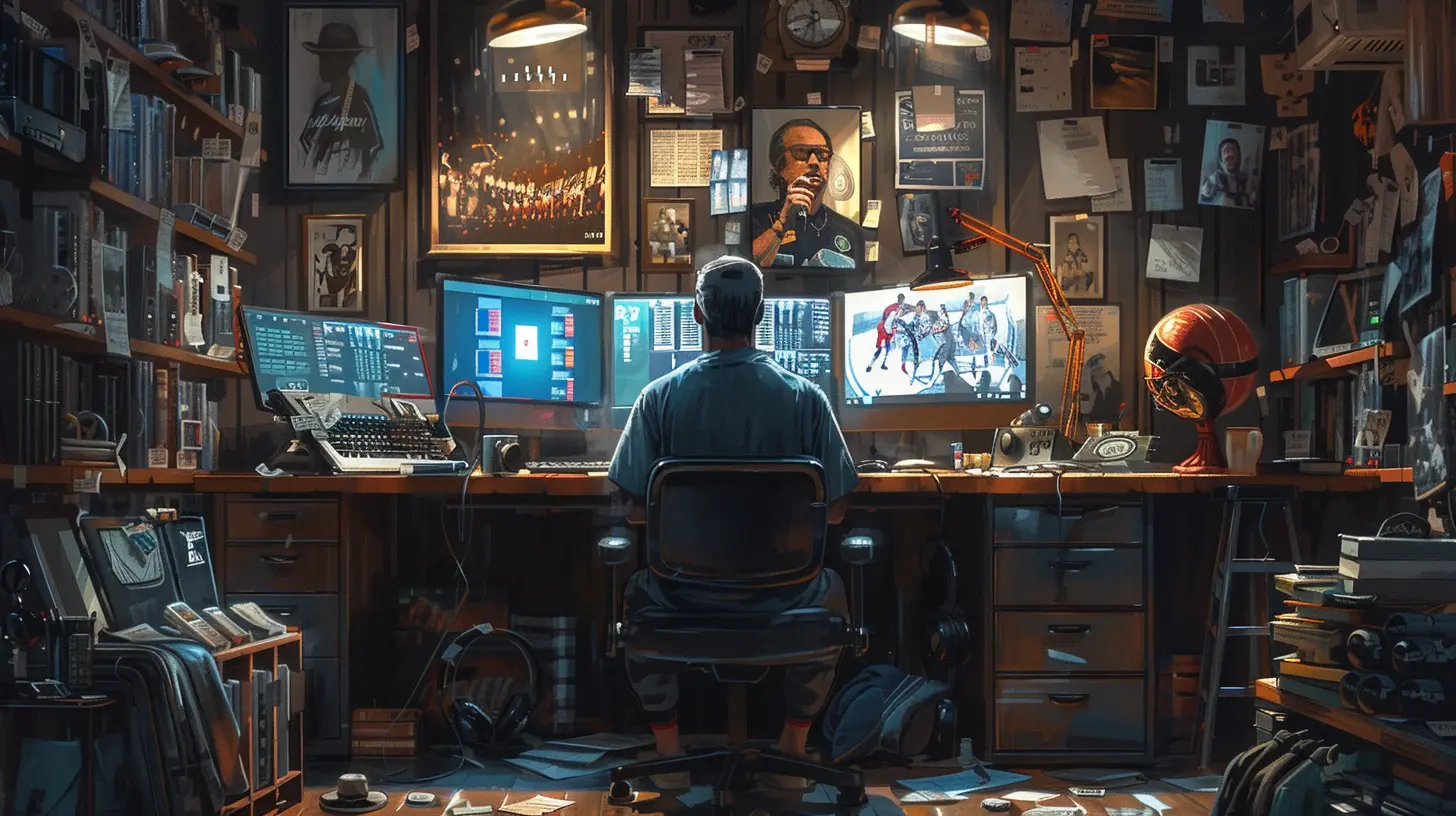
The Trade Deadline Rush: More Than Just Numbers
Every sports league has that moment — the trade deadline. It's like Christmas for some fans and heartbreak for others. But for players? Imagine living your life with a suitcase half-packed, never quite sure if you're staying or leaving.Trades are often painted with a cold, transactional brush. Teams look at performance metrics, cap space, and future picks. But players? They’ve got roots, relationships, routines. For them, a trade isn't just about switching jerseys — it often means uprooting their entire life, overnight.
Have you ever had to move for a job on 24 hours’ notice? Yeah, it’s like that. But instead of a couple of suitcases, some bring along spouses, kids, pets... even grandma.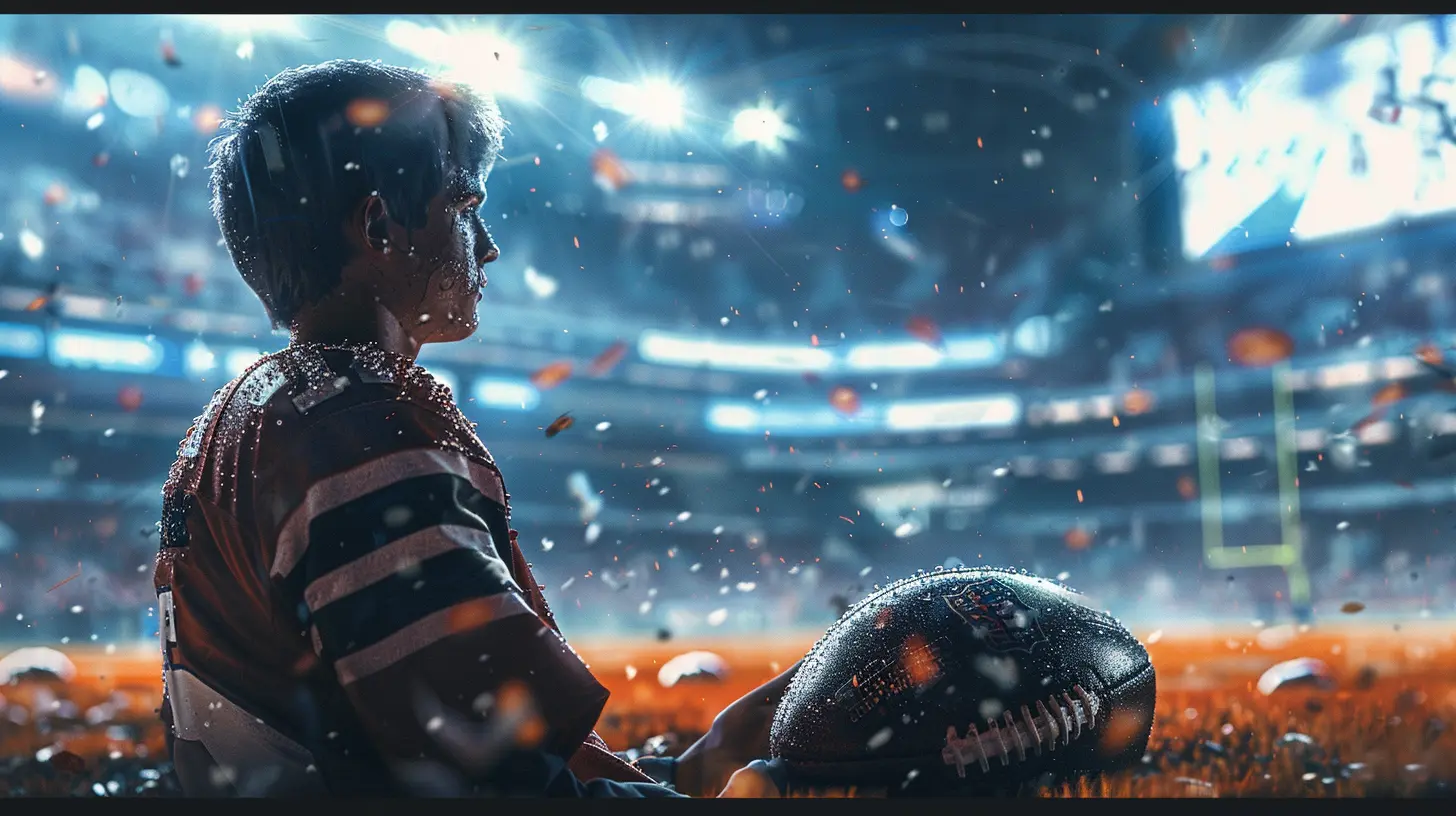
The Emotional Whirlwind
Let’s be real: getting traded can feel a lot like a breakup — sudden, painful, and sometimes totally blindsiding. One moment you're the hero of the home crowd, and the next, you're packing your locker in silence.Here’s the kicker — trades aren’t always about poor performance. Sometimes, despite giving your all, you're moved due to strategy or salary cap constraints. That stings. Imagine doing everything right at work and still being told, “We need to let you go… it’s not personal.” Ouch, right?
And it’s not just the player feeling the heat — their families go through it, too. Kids suddenly changing schools, partners leaving behind careers, friendships being cut short. These emotional undercurrents often don’t make it to center stage, but they’re always there, quietly shaping the trade’s aftermath.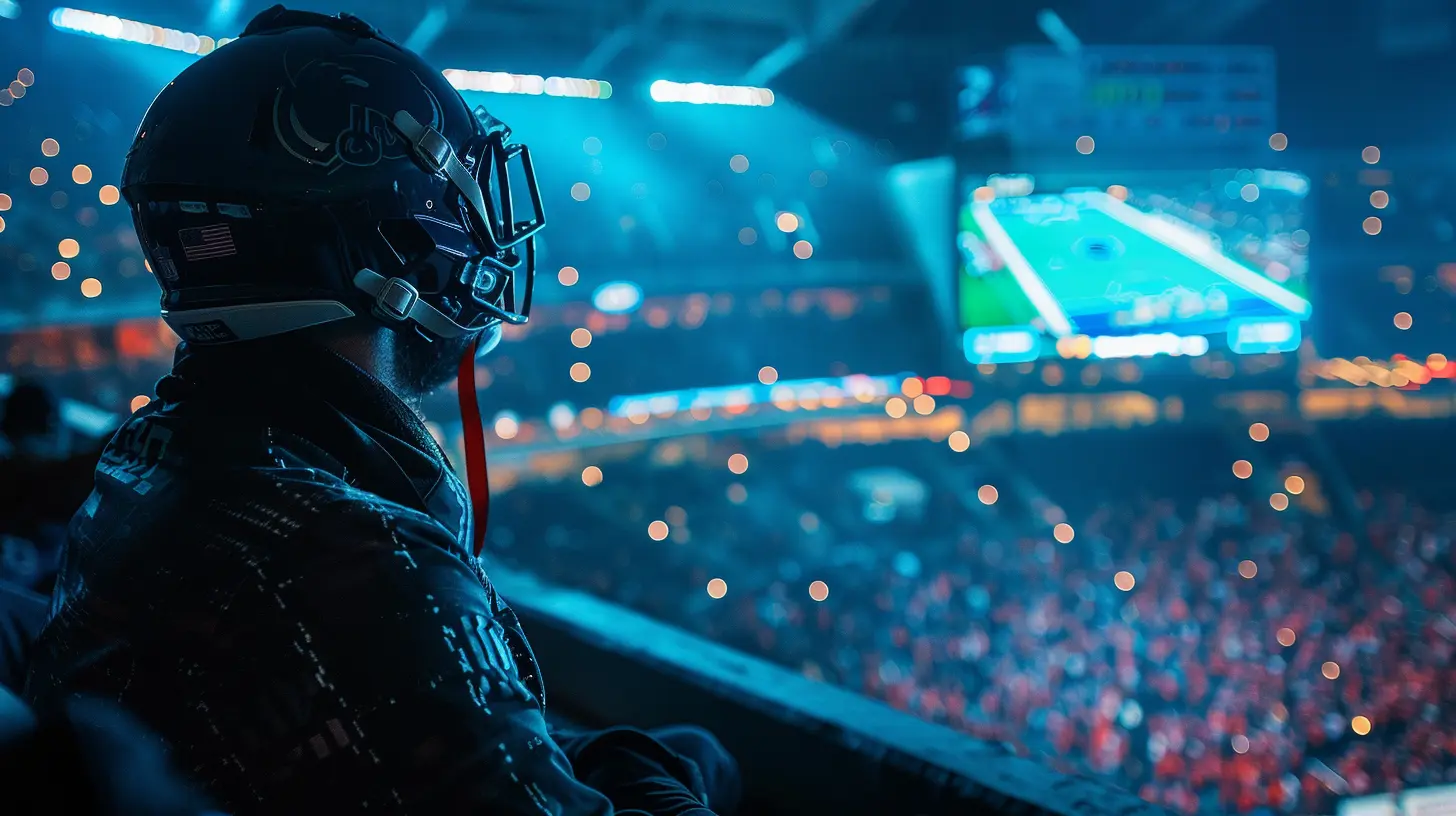
Family First: The Ripple Effect
When a player gets traded, they're not the only ones affected. Their family life often takes a hit. Moms, dads, spouses, partners — they all share the weight of uncertainty.Let's say an NBA player gets traded from Dallas to Toronto mid-season. Sounds exciting on paper. But behind the scenes? Their partner might be scrambling to find a school for the kids, dealing with moving companies, and emotionally supporting their stressed-out athlete — all while managing their own career or goals. It’s chaos.
And let’s not forget the players with children. Kids don’t get the nuances of salary caps or roster fits. All they know is their parent won’t be home as much or they have to make new friends again. That’s tough. Really tough.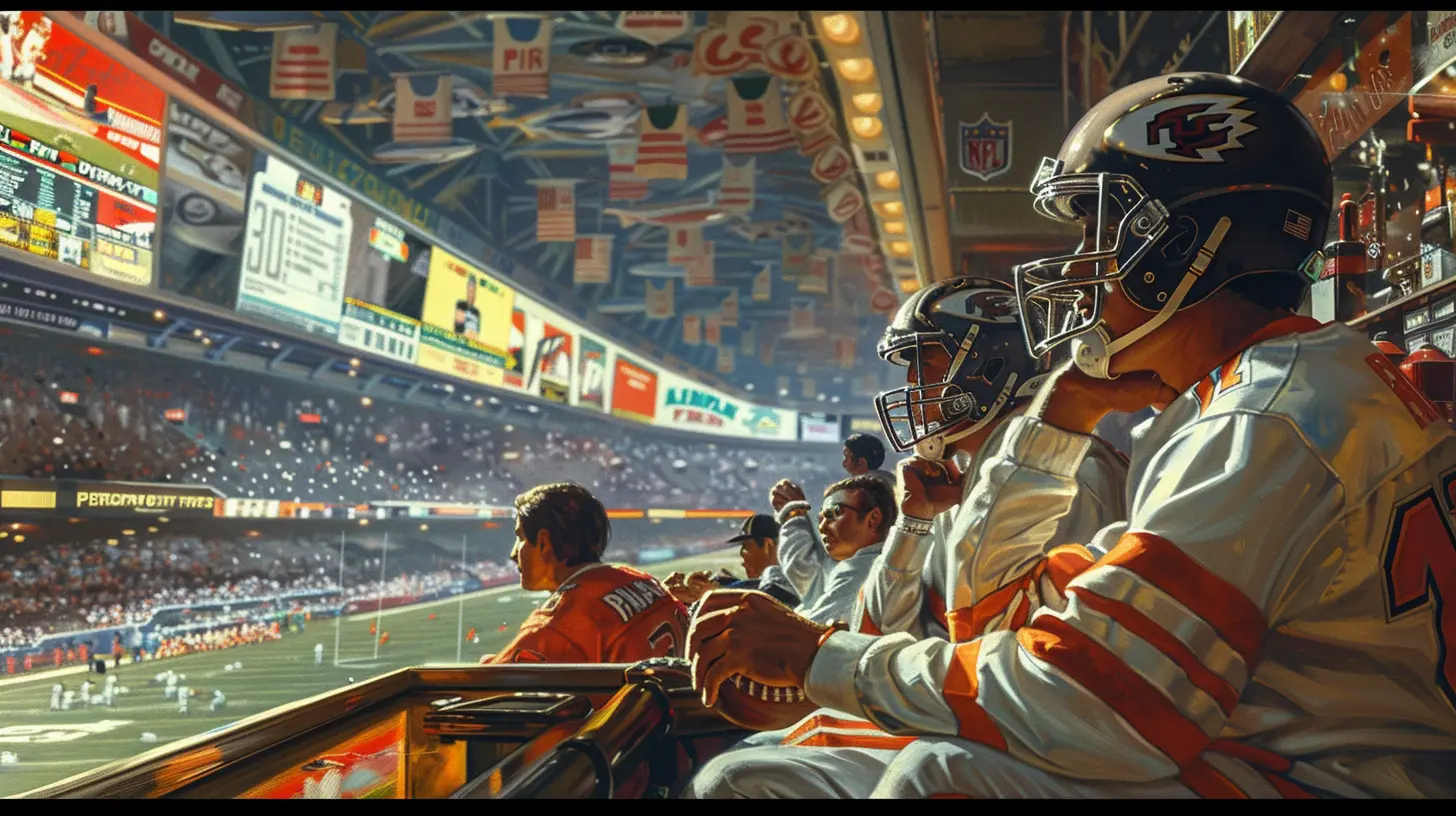
The Mental Game: Coping With Change
Sure, athletes are incredibly strong — both physically and mentally. But that doesn’t mean they’re immune to stress and anxiety, especially when it comes to trades. The pressure to perform with a new team, adapt to a new system, or even just find your locker — it adds up.Some players lean on sports psychologists, while others talk to therapists, meditate, or journal. A lot of them play it cool in interviews — “It’s part of the game,” they’ll say. But dig a little deeper, and you’ll see cracks. Anxiety creeps in, confidence wavers, and self-doubt starts to whisper.
Mental health in sports is finally getting the attention it deserves, and understanding the emotional toll of trades is a big part of that conversation. Because nobody talks about the sleepless nights after a sudden move. Or the pressure to prove yourself all over again.
Locker Room Bonds: Saying Goodbye to Brothers
Now, let’s talk about the locker room — a sacred space in sports culture. It’s where jokes fly, bonds are formed, and trust is built. It’s a second home. So when a player gets traded? It hits hard. Not just for them, but for the whole team.You can’t just replace chemistry overnight. Whether it’s a veteran leader or a beloved rookie, their absence changes the dynamic. Sometimes, it even shifts the team's identity.
Imagine building a deep friendship with someone, training alongside them day in and day out, sharing wins and losses — and then they’re gone, just like that. It's a gut punch, and players feel it deeply, even if they rarely talk about it in public.
Finding Their New Role: Earning Respect All Over Again
Starting fresh with a new team isn’t as easy as it sounds. There's a new coach to impress, a new playbook to learn, and a whole new set of expectations. Not to mention, the player might not even want to be there — they didn’t ask for the trade, after all.But here's the thing about top-tier athletes — most of them are wired to adapt. They find ways to settle in, prove themselves, and lead. Still, it takes time. It’s like being the new kid at school — you keep your head down, try to find your place, and hope someone shows you where the cafeteria is.
And sometimes, they do. Teammates invite them over for dinner, fans give them a warm welcome, and suddenly that new city starts to feel like home. That’s the beauty of sports — it’s community-driven, and it heals fast.
Players Turned Mentors: Guiding the Next Generation
Let’s shine a light on the veterans out there — the ones who’ve been traded more times than they can count. These players carry a quiet wisdom. They know the drill, the emotions, the uncertainty. And most importantly, they know how to cope.A lot of these seasoned pros take younger guys under their wings. They say things like: "Hey, man, I’ve been there. You’ll be alright." That kind of support? It goes a long way.
These veterans become living, breathing playbooks — not just on strategy, but on how to survive the whirlwind of trades with grace and grit. They might not trend on social media, but in locker rooms? They're legends.
When Trades Change Lives for the Better
Okay, let’s not forget — sometimes a trade is a blessing in disguise. Plenty of players have seen their careers take off after moving to a new team. Maybe a new coach sees something in them, or they finally get the playing time they deserve. Whatever it is — something clicks.And it’s not just about stats. Some players fall in love with their new city, raise kids there, and build businesses for life after sports. You’ll hear them say, “I didn’t want to be traded, but now I can’t imagine being anywhere else.” That’s the full-circle moment, and it’s beautiful.
Every change carries risk. But sometimes, it brings reward, too.
Media vs. Reality: What You Don’t See
The media loves the trade buzz. Who’s moving? What does it mean for the championship odds? Predicting winners and losers is fun, sure. But the human stories? They often get lost in the shuffle.The truth is, behind every trade is a person — with real fears, dreams, and emotions. They’re not just chess pieces. They’re people with families, friends, and futures to think about.
So next time a trade makes headlines, take a second. Think about the real-life story unfolding behind the scenes. Because understanding the human side of trades changes how you see the game.
Fans Play a Role Too
Yep, you heard that right. Fans matter in this story. A supportive fan base can make all the difference for a newly traded player. Booing someone before they’ve had the chance to prove themselves? That’s just cruel.But welcoming them, showing patience, being kind on social media? That can lift their spirits and help them feel at home. Players notice that stuff. They talk about it. Sometimes, a good fan base is what turns a trade into a triumph.
So let’s bring a little empathy into the game. After all, sports are nothing without heart — and that includes yours.
Final Thoughts: The Humanity in the Hustle
Player trades will always be part of sports. It's how teams evolve, rebuild, or chase that championship ring. But as fans, it's on us to remember the human side of this high-stakes business.Behind every headline is a soul navigating change, carrying hopes and concerns just like you and me. When we view the game through that lens, it becomes richer. More meaningful. More real.
So next time your favorite player gets traded — before you rage or celebrate — take a breath and think: How are they feeling? What are they giving up? And more importantly, how can we support them through it?
Sports have heart. Let’s not lose sight of that.
all images in this post were generated using AI tools
Category:
Player TradesAuthor:

Easton Simmons
Discussion
rate this article
2 comments
Amelia McMeekin
This article offers a refreshing glimpse into the emotional toll of player trades, reminding us that athletes are more than just statistics.
February 19, 2026 at 1:42 PM
Easton Simmons
Thank you for your kind words. I'm glad the article resonated with you and highlighted the human aspect of player trades.
Marni Montgomery
This article effectively highlights the emotional toll of trades, reminding fans that behind stats are real people facing life-altering changes.
January 21, 2026 at 1:16 PM
Easton Simmons
Thank you for your thoughtful comment! I'm glad the article resonated with you and shed light on the human side of player trades.