Analyzing Elite Swimmers: What You Can Learn from the Pros
25 January 2026
Swimming at the elite level is like an art form—fluid, powerful, and precise. Watching Olympic swimmers glide through the water with what seems like zero effort is downright mesmerizing. But here’s the secret: they weren’t born speeding through the pool. What separates pros from the average swimmer isn’t just raw talent—it’s a combination of technique, mindset, training, and consistency.
If you’ve ever wondered how these athletes make it look so easy and what you can do to improve your own swim skills, you’re in the right place. Let’s dive deep into the world of elite swimmers and break down what we can all take away from their approach.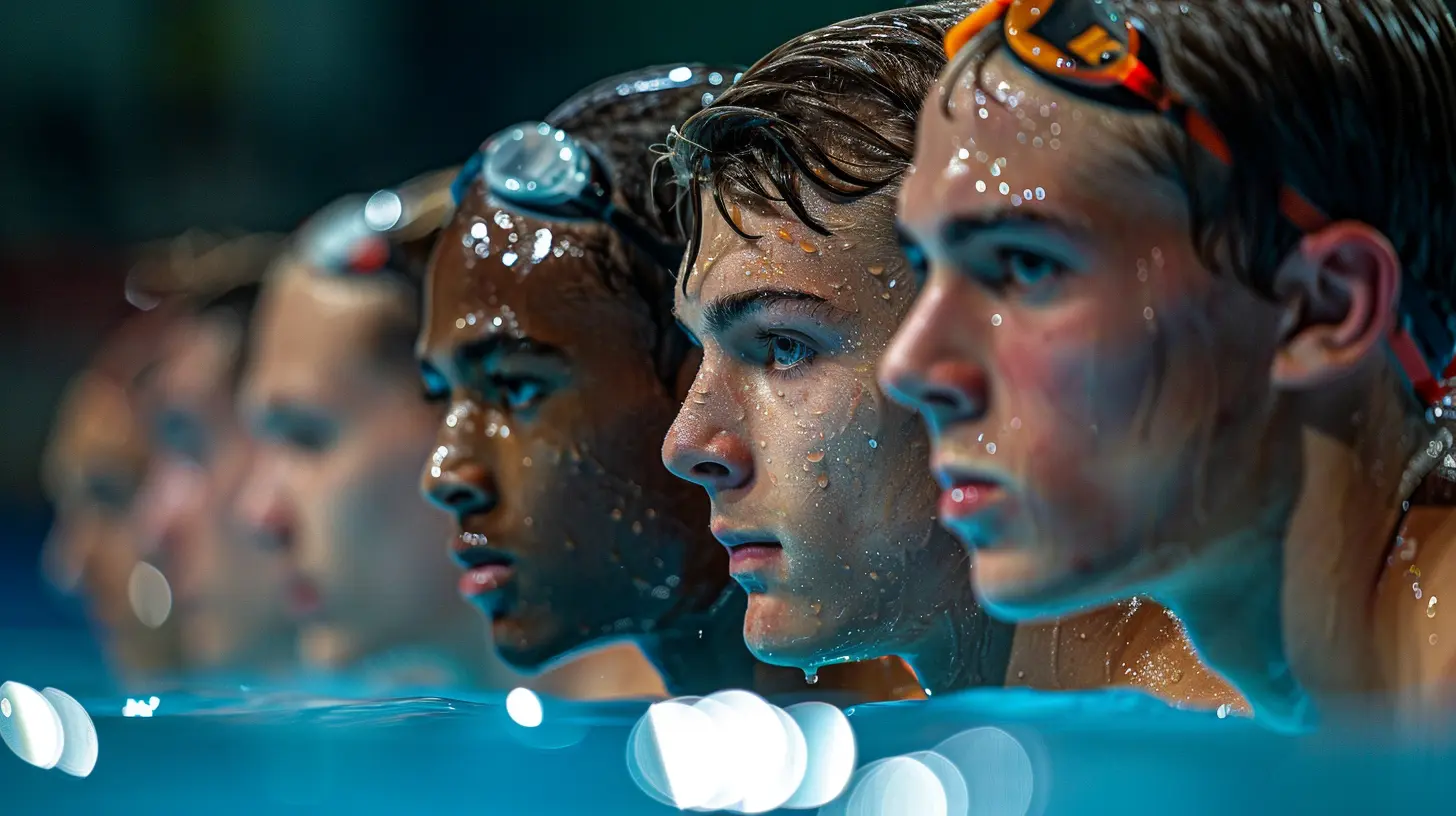
The Power of Technique: Efficiency Over Muscle
Streamline Like a Torpedo
Ever noticed how elite swimmers shoot off the wall like they're launched from a cannon? That’s because of perfect streamlining. They reduce drag by tucking their heads, squeezing their arms tight over their ears, and keeping their bodies as straight as an arrow. It's not about being muscular—it's about being slippery.Try this next time you push off the wall. Think “narrow and long,” not “strong and wide.” Even small tweaks here can shave seconds off your time.
Perfecting the Catch
The “catch” is that critical moment when your hand grabs the water to start the pull. Elite swimmers don’t just rely on brute strength—they focus on feeling the water. This isn’t just poetic—it’s practical.Their hands act like paddles, moving water strategically. So, instead of slapping at the water or fighting it, think about gently grabbing it and pulling yourself forward.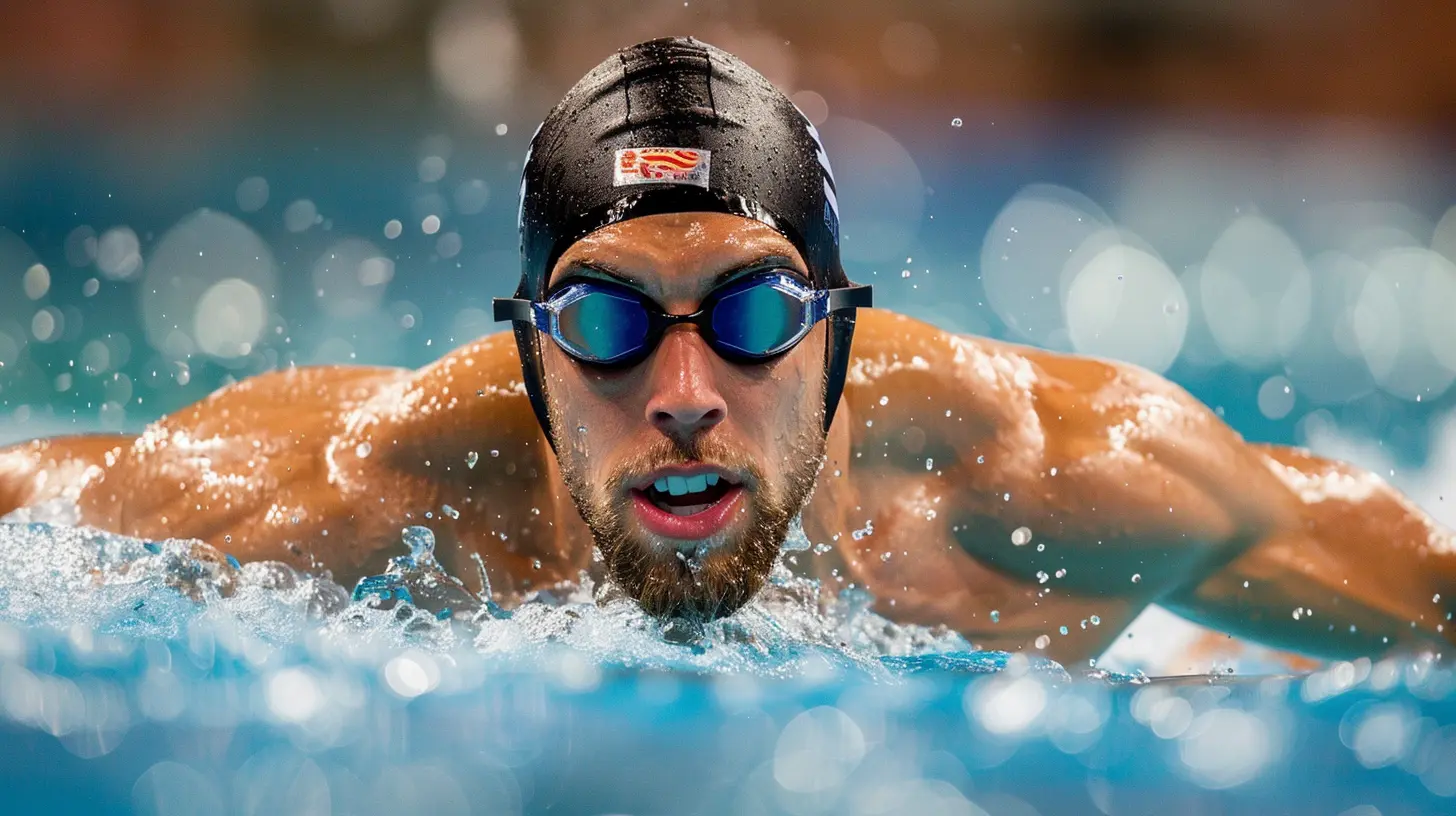
Breathing: It’s All About Control
Less Is More
If you ever watch Katie Ledecky or Caeleb Dressel sprint, you’ll notice they breathe less frequently than most of us would even attempt during an all-out effort. Why? Because lifting your head to breathe throws off your balance and slows you down.But don’t get it twisted—this doesn’t mean you should hold your breath. It means learning to breathe efficiently. Practice bilateral breathing (breathing on both sides) to develop rhythm and body balance. It’s like dancing—you want to stay in sync with your stroke.
Relaxed Exhalation
Take a deep breath—and now let it out slowly underwater. Elite swimmers don’t just gasp for air; they control it. By exhaling consistently while their faces are underwater, they avoid that panicky feeling when it’s finally time to breathe. No one performs well when they’re gasping.
Elite Kicks: The Unsung Heroes
A strong and steady kick is like having a hidden engine. You may not see it immediately, but it's doing massive work in the background.Small, Fast, and Steady
Elite swimmers keep their kicks tight and quick. They don’t create big splashes or wild movements. In fact, much of the kick happens beneath the surface, like the hidden propeller of a speedboat.Start focusing on kicking from the hips, not the knees. That’s where the real power comes from. And don’t forget your core—this is the glue that connects your kick to your pull.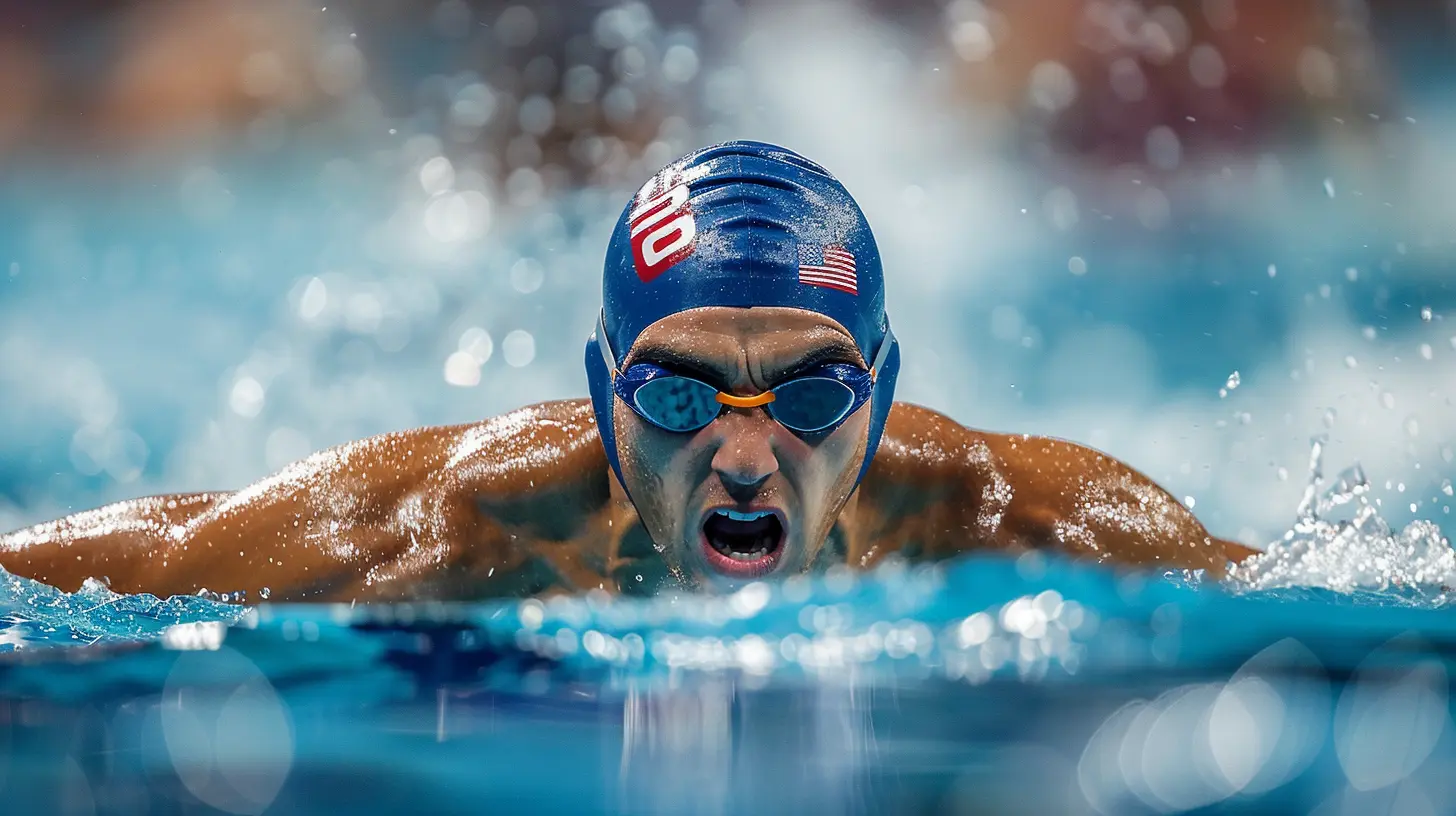
Starts and Turns: Where Races Are Won
Let’s face it—starts and turns are underrated. But in sprint races, these elements can literally make or break it.Explosive Starts
Ever watched an elite swimmer launch off the blocks? It's like watching a human rocket. They explode forward with perfect timing and hit the water in a tight streamline.You can practice this too. Work on your reaction time and body position off the blocks. And for non-competitive swimmers, even practicing clean push-offs can significantly improve your training efficiency.
Mastering the Flip Turn
Flip turns aren’t just cool—they’re crucial. Elite swimmers use the wall like a trampoline. They flip fast, plant their feet perfectly, and push off with a streamlined glide that gains serious ground.Don’t rush your flip—focus on tight rotation and strong push-offs. One solid turn can add serious momentum to your lap.
Mental Game: What’s Happening Inside Matters
Laser Focus and Visualization
Michael Phelps didn’t just train his body—he trained his mind. He famously visualized every single moment of his race before even stepping onto the block.You don’t have to be an Olympian to use visualization. Picture your swim before you dive in. Visualize your perfect stroke, turn, and finish. It sets the tone and dials in your focus.
Handling Pressure
Elite swimmers don’t get flustered easily. Even in high-stakes moments, they stay composed. That’s not just talent—it’s training.They develop routines, breathing exercises, and mantras to stay grounded. You can borrow this too. Create a pre-swim ritual that calms you and mentally prepares you to crush it, whether it’s a timed race or just a tough training set.
Recovery: Training Smarter, Not Just Harder
Active Recovery
Pros understand that more isn’t always better. Recovery is essential. They incorporate low-intensity sessions like light swims or kickboard sets to help their muscles bounce back faster.You can take this to heart by avoiding pushing 100% every session. Mix in active recovery days. Think of it as charging your batteries so you’re ready to go harder when it really matters.
Sleep and Nutrition
Yes, the basics still matter. Elite swimmers prioritize sleep and eat like champions—not just to stay fit, but to fuel performance and recovery.Start by staying hydrated and making small improvements in your diet. And never underestimate the power of a good night’s sleep. It’s nature’s recovery system.
Consistency is King
More than anything else, elite swimmers are consistent. They show up. Day after day. Week after week. Even when they’re tired. Even when it's cold. Even when Netflix is calling.Consistency doesn’t mean crushing every workout. It means committing to the process. Keep showing up, trust the grind, and the results will follow.
Know Your Numbers: Embrace the Data
Stroke Count and Splits
Elite swimmers are nerds about numbers. They know their stroke count, they track splits, and they use this data to refine their strategy.You don’t need fancy software. Count how many strokes it takes you to cross the pool. Record your times. Small improvements in these numbers lead to big gains in performance.
Training Smart: Quality Over Quantity
Focused Drills
Elite swimmers don’t just log miles—they swim with purpose. Drills are their secret weapon to refine every tiny piece of technique.Dedicate time to drills like “fingertip drag” (for high elbows) or “zipper drill” (for body rotation). These small pieces sharpen the whole puzzle.
Cross-Training
Many top swimmers do more than just swim—they stretch, lift weights, do yoga, or engage in dryland workouts. Strength training builds muscle support and balance, while yoga improves flexibility and mindfulness.You don't need to spend hours at the gym. Just 2-3 sessions a week of bodyweight or resistance exercises can improve both your technique and your injury resistance.
Surround Yourself with Support
Elite swimmers rarely go it alone. Behind every champion is a team—coaches, teammates, trainers, and supportive family.Find your tribe. Maybe it’s a local swim club, a coach, or just a friend who holds you accountable. Having people around who support your goals and push you to improve can make all the difference.
Final Thoughts: The Water Doesn’t Lie
At the end of the day, water is the great equalizer. It responds only to effort, consistency, and technique. Watching elite swimmers can be inspiring, but what’s even more empowering is knowing that many of their skills are learned and practiced—not gifts from birth.Every lap you swim with intent gets you closer. Every drill, every visualization, every mindful breath—it all adds up. You don’t need an Olympic medal to swim like a pro. You just need to bring that same passion, purpose, and patience to the pool.
So the next time you jump in the water, channel your inner elite athlete. Because you’re not just swimming—you’re mastering the craft, one stroke at a time.
all images in this post were generated using AI tools
Category:
SwimmingAuthor:

Easton Simmons
Discussion
rate this article
2 comments
Zoey Taylor
Don't just dive in—make a splash with style!
February 25, 2026 at 4:36 AM
Easton Simmons
Absolutely! Style and technique go hand in hand in swimming.
Honor Clayton
Great insights! Focusing on technique and mental strength can elevate any swimmer's performance significantly.
January 25, 2026 at 2:04 PM
Easton Simmons
Thank you! I'm glad you found the insights valuable. Technique and mental strength are indeed game-changers for swimmers.