Strength Training for Beginners: A Guide to Getting Started
14 December 2025
Strength training can seem intimidating at first. The weights, the machines, the grunts from experienced lifters—it’s enough to make any beginner feel out of place. But here’s the truth: strength training is for everyone. Whether you’re trying to build muscle, lose fat, or just get stronger for everyday life, starting with the right approach makes all the difference.
In this guide, we’ll break down everything you need to know to begin your strength training journey confidently. From understanding why it’s essential to creating an effective workout plan, we’ve got you covered. 
Why Strength Training Matters
Before we jump into the how, let’s talk about the why. Strength training isn’t just about looking good in the mirror (though that’s a nice bonus). It provides several benefits that go beyond aesthetics:1. Builds Muscle and Strength
Lifting weights challenges your muscles, forcing them to adapt and grow stronger. This doesn’t mean you’ll get bulky overnight—muscle growth is a gradual process that helps with functional strength in everyday life.2. Boosts Metabolism
Muscle burns more calories than fat, even at rest. The more muscle you have, the higher your metabolism, making it easier to maintain a healthy weight.3. Improves Bone Health
Strength training isn’t just for your muscles—it also strengthens your bones. Regular resistance training increases bone density and reduces the risk of osteoporosis as you age.4. Enhances Mental Health
Exercise, including strength training, releases endorphins—your brain’s feel-good chemicals. It can reduce stress, anxiety, and even symptoms of depression.5. Supports Better Posture and Mobility
Stronger muscles help improve posture and reduce the risk of injuries by supporting your joints and maintaining flexibility.
Strength Training Basics: What You Need to Know
If you’re new to strength training, it’s important to understand some fundamental concepts before diving into a workout plan.1. Types of Strength Training Exercises
Strength training isn’t just about lifting heavy weights. It includes several types of exercises, such as:- Bodyweight Exercises (Push-ups, Squats, Lunges) – Great for beginners as they require no equipment.
- Free Weights (Dumbbells, Barbells, Kettlebells) – Allow for a full range of motion and muscle engagement.
- Machines – Provide guidance and stability, making them beginner-friendly.
- Resistance Bands – A low-impact way to add resistance to bodyweight exercises.
2. Understanding Reps, Sets, and Rest Periods
- Repetitions (Reps): The number of times you perform an exercise (e.g., 10 squats).- Sets: A group of reps (e.g., 3 sets of 10 squats).
- Rest Periods: The time you take between sets or exercises (usually 30-90 seconds).
For beginners, a good starting point is 3 sets of 8-12 reps per exercise with 60-90 seconds of rest in between.
3. Progressive Overload: The Key to Growth
Muscles grow when they’re exposed to increasing levels of stress. This is called progressive overload, which means gradually increasing the weight, reps, or intensity over time.Ways to apply progressive overload:
- Increase the weight slightly.
- Add more reps or sets.
- Reduce rest time between sets.
- Improve exercise form and control. 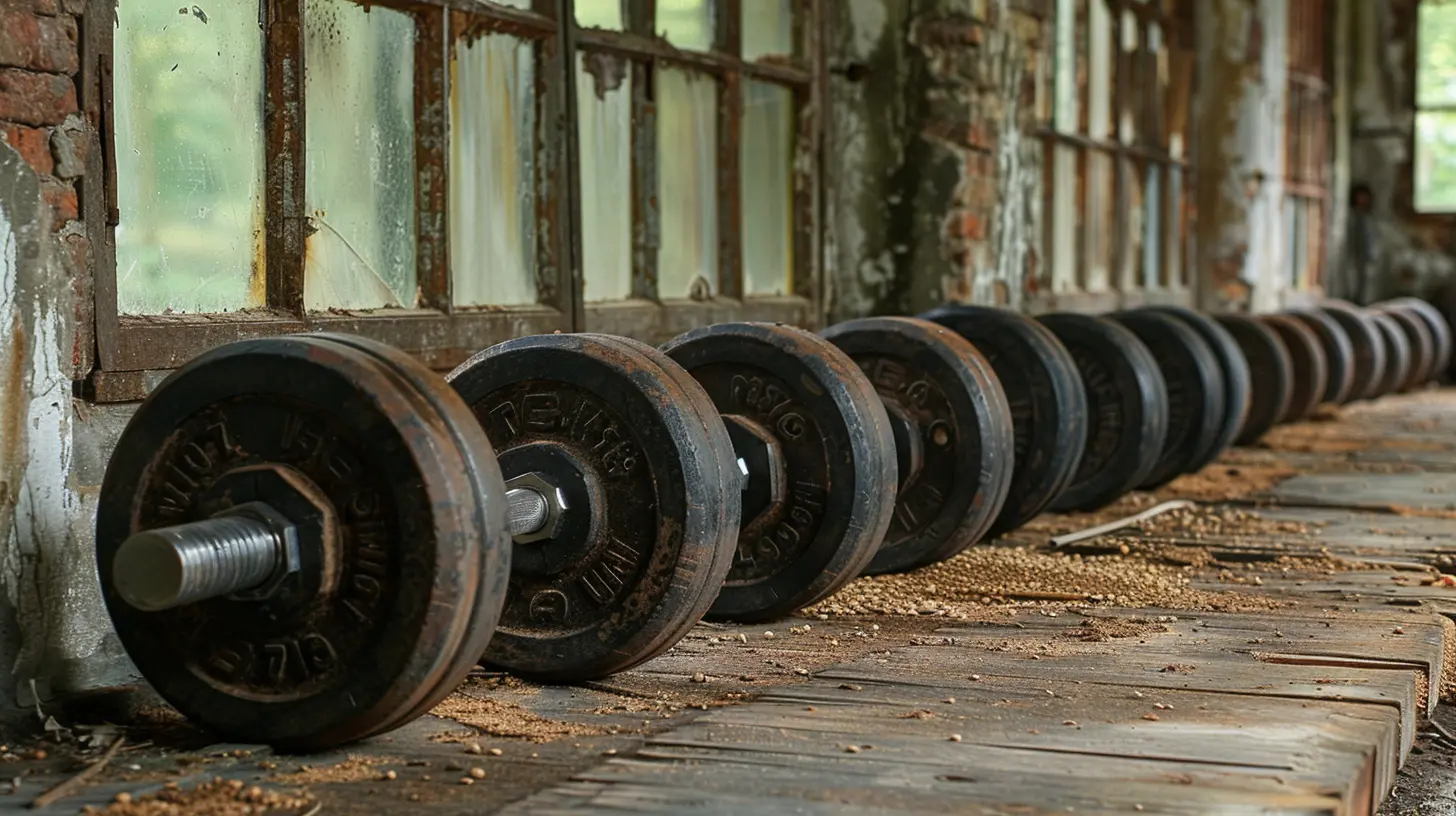
Creating a Beginner Strength Training Routine
Now that you understand the basics, let’s put together a simple, effective beginner workout plan. Start with 2-3 days per week to allow your body enough time to recover.Full-Body Beginner Strength Workout (3 Days a Week)
Day 1: Upper Body Focus
- Push-Ups (3 sets of 10-12 reps)- Dumbbell Shoulder Press (3 sets of 8-10 reps)
- Bent-over Dumbbell Rows (3 sets of 8-10 reps)
- Bicep Curls (3 sets of 10 reps)
- Triceps Dips (Chair or Bench) (3 sets of 10 reps)
Day 2: Lower Body Focus
- Bodyweight Squats or Goblet Squats (3 sets of 12 reps)- Lunges (Each Leg) (3 sets of 8 reps)
- Romanian Deadlifts (With Dumbbells) (3 sets of 10 reps)
- Calf Raises (3 sets of 15 reps)
- Plank (Core Strength) (3 rounds of 30-45 seconds)
Day 3: Full-Body Strength + Core
- Deadlifts (Light Weights or Bodyweight) (3 sets of 8 reps)- Dumbbell Bench Press (3 sets of 8 reps)
- Step-Ups (Each Leg) (3 sets of 10 reps)
- Russian Twists (Core Work) (3 sets of 20 reps)
- Hanging Leg Raises or Sit-Ups (3 sets of 12 reps)
Each workout should start with a 5-10 minute warm-up, such as jumping jacks, dynamic stretching, or light cardio. Finish with a cool-down and stretching to aid recovery. 
Common Mistakes Beginners Should Avoid
Even with a solid plan, beginners often make mistakes that can slow progress or lead to injuries. Here’s what to watch out for:1. Lifting Too Heavy Too Soon
It’s tempting to go heavy, but poor form leads to injuries. Start with lighter weights and focus on technique before increasing intensity.2. Skipping Warm-ups and Cool-downs
Your muscles need preparation before lifting. A proper warm-up prevents injuries, and a cool-down helps with recovery.3. Ignoring Form and Technique
Learn proper exercise form. Using bad technique can cause injuries and prevent you from maximizing results.4. Not Getting Enough Rest and Recovery
Muscles grow when you rest, not just when you train. Avoid training the same muscle groups back-to-back days and prioritize sleep.5. Being Inconsistent
Strength training works only when done consistently. Even two to three days per week will lead to noticeable progress over time.Nutrition Tips for Strength Training
Lifting weights is only half the battle—your diet plays a crucial role in muscle growth and recovery.1. Eat Enough Protein
Protein is essential for muscle repair and growth. Include sources like chicken, fish, eggs, beans, and protein shakes in your diet.2. Stay Hydrated
Your muscles need water to function correctly. Drink enough water throughout the day, especially before and after workouts.3. Get the Right Balance of Carbs and Fats
Carbs give you energy, while healthy fats support overall health. Include complex carbs (oats, rice, sweet potatoes) and healthy fats (avocados, nuts, olive oil).4. Fuel Before and After Workouts
Eat a small pre-workout meal (e.g., banana with peanut butter) for energy and a post-workout meal (e.g., chicken with brown rice) to help muscles recover.Final Thoughts
Starting strength training can feel overwhelming, but it doesn’t have to be. Focus on consistency, proper form, and gradual progress. With time, you’ll notice improvements in your strength, energy, and overall confidence.Remember, it’s not about being the strongest in the gym—it’s about becoming the strongest version of yourself. So grab those dumbbells, stay committed, and enjoy the journey.
all images in this post were generated using AI tools
Category:
Strength TrainingAuthor:

Easton Simmons
Discussion
rate this article
2 comments
Opal Mendoza
Strength training for beginners? It's like teaching a penguin to waddle! Embrace the quirkiness of lifting weights, channel your inner superhero, and remember: every rep is a dance move in the gym's spectacle. Let’s turn those muscles into a masterpiece of fabulousness!" 🏋️♂️✨
January 14, 2026 at 3:28 AM
Easton Simmons
Absolutely! Strength training is all about embracing the journey—every rep adds to your unique masterpiece. Let's celebrate each step toward becoming your strongest self! 🏋️♂️✨
Bria McKinney
Great article! Strength training is essential for beginners looking to build a solid foundation. Clear tips and techniques make it approachable. I’m excited to start my journey with these practical insights!
December 15, 2025 at 5:51 AM
Easton Simmons
Thank you for your kind words! I'm thrilled to hear you're excited to start your strength training journey! Best of luck!