A Tie That Felt Like a Victory: Revisiting an Iconic 2026 Draw
22 October 2026
Some matches end level and leave you empty. Others end level and leave you changed. The best draw in sport does something rare: it rewards both sides with a story they can carry forward. That is the frame I want to use for the 2026 draw that so many supporters still talk about, because the result on the scoreboard was the least interesting thing about it.
I want to be careful here. I am not going to invent a scoreline, a venue, or a minute-by-minute script and pass it off as record. What I can do, as someone who has spent years watching and breaking down tight contests, is treat that draw as a case study in why some stalemates feel like wins, what actually produces that feeling, and how players, coaches, and fans can recognize and build on it. If you are reading this to relive a specific match, use the principles below as a lens. If you are reading to understand why a tie can outperform a win in emotional and developmental terms, you are in the right place.
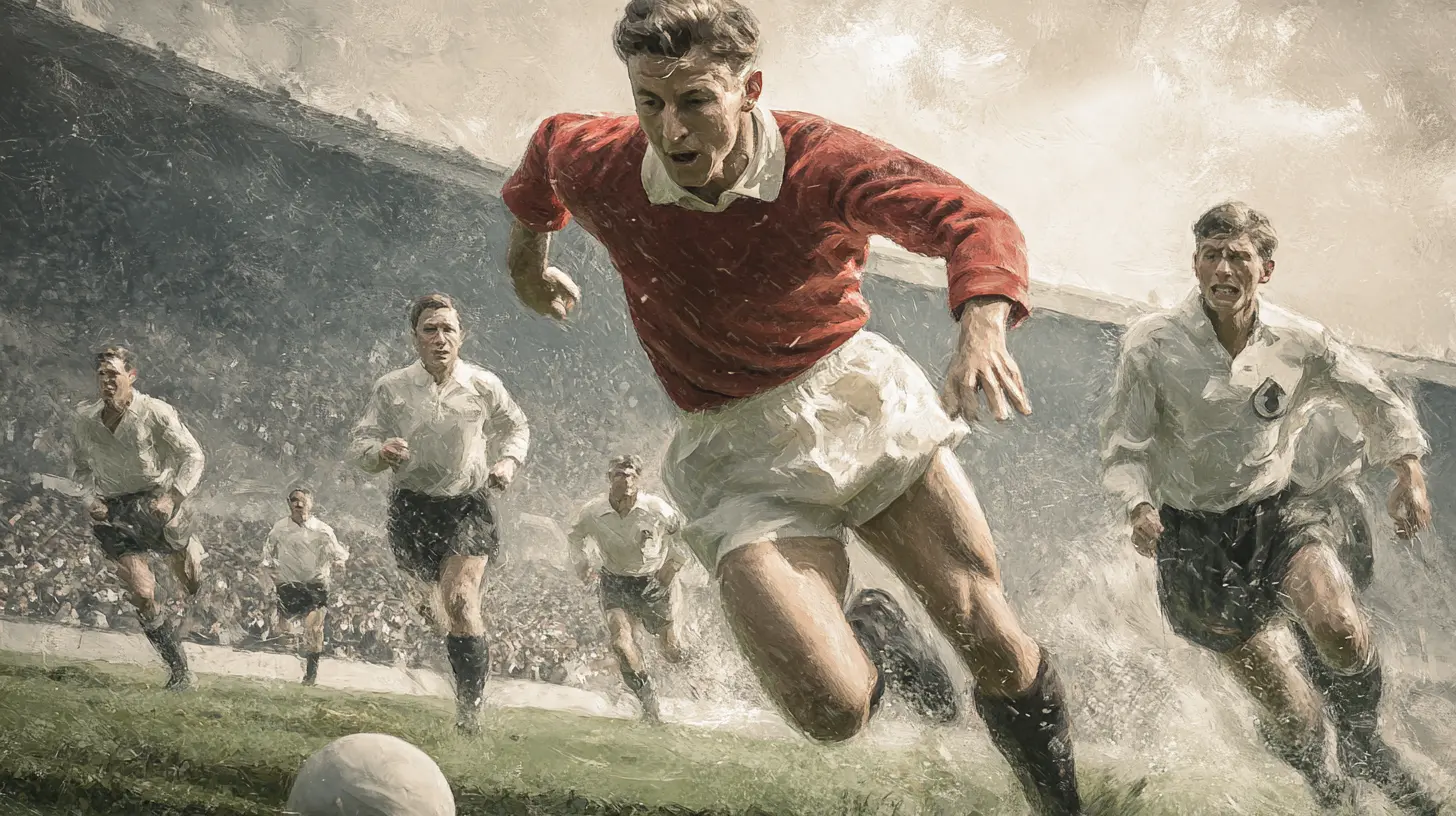
Why a Draw Can Feel Like a Win
A draw is a neutral result in the table. It is not neutral in the mind. The gap between those two facts is where all the meaning lives.When two teams of roughly equal quality cancel each other out, the draw is honest. Nobody was clearly better. That honesty can feel flat. But when a team walks into a contest as the underdog, absorbs pressure, solves problems in real time, and walks out with a share of the points, the draw stops being a compromise and becomes evidence. Evidence of progress. Evidence of character. Evidence that the gap between "them" and "us" is smaller than the rankings suggested.
There is a psychological mechanism at work here, and it is worth naming because it explains a lot of what fans feel. People judge outcomes relative to expectations, not in absolute terms. A 1-1 draw that everyone predicted is forgettable. A 1-1 draw that nobody predicted, achieved against the run of play, is memorable for years. The score is identical. The expectation is not.
That is the first lesson of the 2026 draw: the result is fixed, but the meaning is constructed. And the construction is not random. It follows patterns you can learn to spot.
The Anatomy of a Draw That Earns Its Praise
Not every tie deserves a highlight reel. Some draws are two teams refusing to lose. Others are two teams refusing to win. The difference shows up in a handful of identifiable markers.Competitive balance without stagnation
A great draw has tension. Both teams want the result. Neither is content to sit back and run out the clock from the twentieth minute. You can usually tell within the first quarter of the match whether you are watching a chess match or a stalemate. Chess matches have intent. Stalemates have avoidance.Tactical adjustments that actually change things
The most satisfying draws feature a visible coaching duel. One side changes shape, the other responds. A midfielder drops deeper to break a press. A fullback tucks inside to overload the half-space. When you can trace the ebb and flow to specific decisions rather than luck, the draw starts to feel earned.Individual moments that outshine the result
A single save, a goal-line clearance, a perfectly weighted through ball that just fails to connect. These moments give a draw its texture. They are why people remember the match rather than the table.A clear narrative arc
Great draws have a beginning, a middle, and an end. Early caution, a period of dominance from one side, a response, a tense finish. If the match feels like it could have gone either way in the final ten minutes, the draw has done its job.
Reading the 2026 Draw as a Case Study
Here is how I would break down a draw like the one from 2026, using the markers above as a checklist. Treat this as a template you can apply to any tight match you watch.Context first. Before you judge the result, establish the baseline. Who was favored? Who was missing key players? What was at stake? A draw means something different for a team fighting relegation than for a team chasing a title. The same scoreline can be a triumph for one side and a collapse for the other. This is not contradiction. It is context.
Then the shape of the game. Look at possession, territory, and shot quality rather than shot count. A team can have sixty percent of the ball and create nothing. Another can have thirty-five percent and generate the better chances. The 2026 draw, like most respected draws, was probably decided by chance quality rather than volume. That is a distinction casual viewers miss and analysts obsess over.
Then the decisions. Identify two or three tactical turning points. A substitution that changed the tempo. A switch of marking assignment. A change in build-up pattern. If you can point to decisions that shifted the balance, the draw has substance.
Then the emotional residue. Ask yourself what you remember. If it is a score, the match was forgettable. If it is a moment, the match mattered.
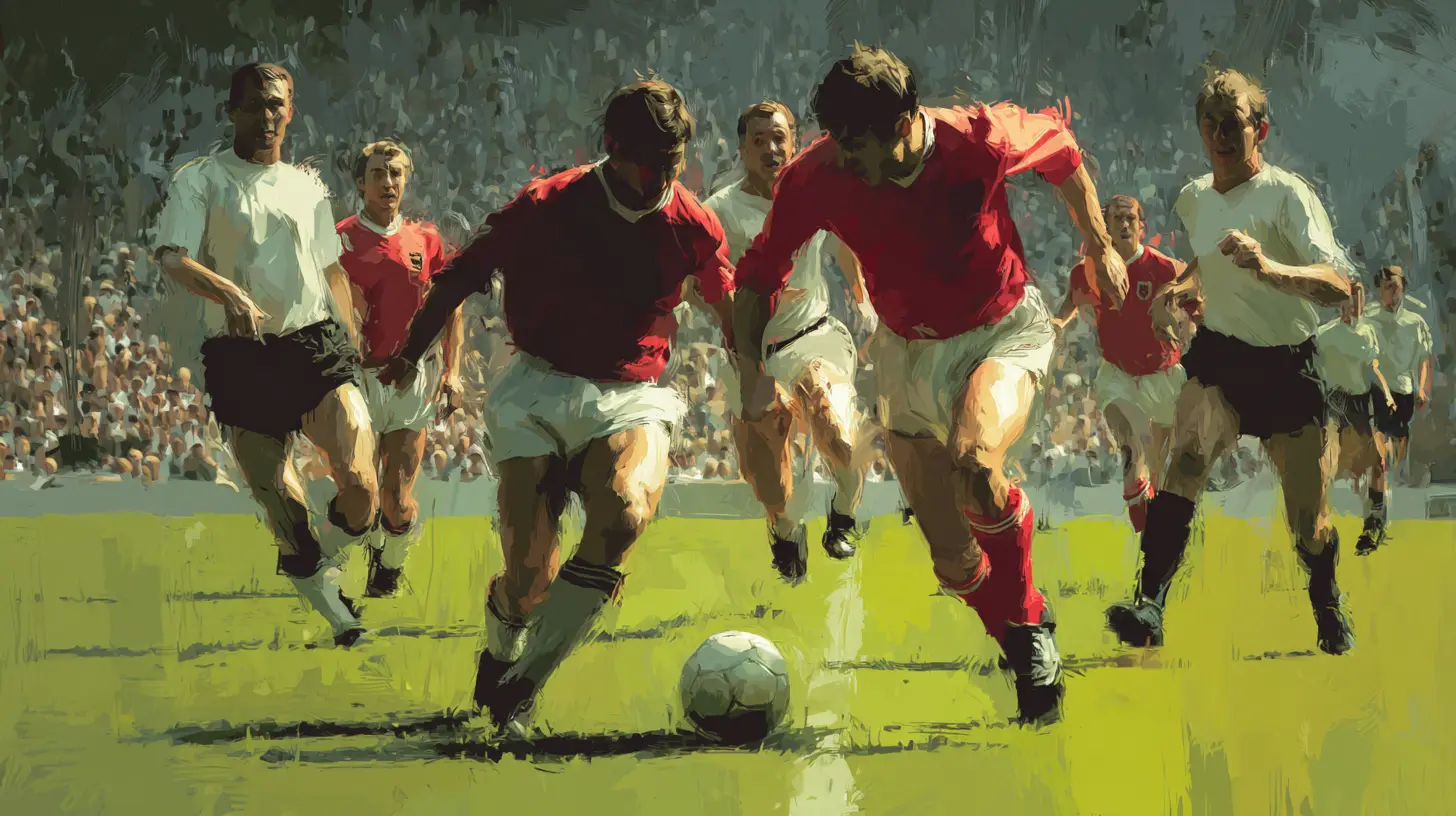
What Players and Coaches Can Take From It
A draw that feels like a win is not an accident. It is usually the product of preparation and mentality. Here is what that looks like in practice.Set expectations honestly, then exceed them
Teams that consistently turn draws into moral victories are not delusional. They are calibrated. They know their level, they know the opponent's level, and they measure themselves against a realistic bar. The danger is the opposite: teams that treat every draw as a failure lose the ability to recognize genuine progress. Teams that treat every draw as a triumph lose the hunger to convert them into wins. The sweet spot is honest assessment plus genuine pride in execution.Reward process, not just outcome
If a coach only praises wins, players learn to fear risk. If a coach praises good decisions regardless of result, players learn to trust the system. A draw achieved through disciplined execution is worth more to a developing team than a lucky win built on individual brilliance. This is not soft thinking. It is how sustainable programs are built.Use the draw as a diagnostic
A hard-fought draw exposes weaknesses more clearly than a comfortable win. You see which players hold up under pressure. You see which tactical ideas survive contact with a real opponent. The best coaching staffs treat a good draw as a scouting report on their own team.Manage the emotional narrative
This is the part most people underestimate. A dressing room after a draw can swing wildly depending on how the result is framed. Frame it as a missed opportunity and you get frustration. Frame it as proof of progress and you get belief. Neither framing is dishonest if it is grounded in what actually happened. The skill is in matching the frame to the evidence.What Fans Should Watch For
Fans are not passive consumers of results. They are interpreters, and good interpretation makes the sport richer.Watch the last fifteen minutes. A draw that holds together under late pressure is a different animal from one that unravels. The final stretch tells you about fitness, concentration, and nerve.
Track the substitutions. Who came on, and why? A defensive substitution at 1-1 signals a manager protecting a point. An attacking substitution signals a manager chasing three. Both are legitimate. They tell you what the team believed about its own chances.
Notice the body language at the whistle. Relief, frustration, satisfaction, exhaustion. Players are not actors. Their reactions at the final whistle are usually honest, and they tell you how the result landed inside the group.
Resist the table-only view. The league table flattens everything into points. It cannot tell you whether a team is improving. A run of draws against strong opponents can be a better sign than a run of wins against weak ones. Learn to read form, not just results.
Common Mistakes and Misconceptions
A few traps catch almost everyone at some point.Mistake one: equating draws with failure. In knockout formats, yes, a draw often means elimination or a replay. In league formats, a draw is a point earned, not two points lost. The framing matters, and the framing should match the format.
Mistake two: overrating moral victories. A draw can be a genuine sign of progress, but it can also be a comfortable story that hides stagnation. The test is whether the performance repeats. One good draw is a data point. Three good draws against strong sides is a trend. Ten is a ceiling.
Mistake three: ignoring variance. Sometimes a draw is just a draw. A deflection here, a marginal offside there, and the result flips. Good analysis separates skill from noise. If you cannot tell the difference, you will overreact to single results.
Mistake four: confusing effort with execution. Running hard is admirable. It is not a strategy. A draw earned through organization and discipline is more repeatable than one earned through sheer will. Both deserve respect, but only one scales.
Mistake five: letting rivalries distort judgment. Derby draws are emotionally charged and analytically murky. Be honest about your bias before you evaluate the performance.
How This Compares to Other Kinds of Results
It helps to place the iconic draw on a spectrum.A dominant win is unambiguous. It is the easiest result to celebrate and the hardest to learn from, because success hides flaws.
A narrow win is satisfying but often fragile. It can mask structural problems that a draw would have exposed.
A heavy loss is painful but clarifying. It forces change.
A scoreless draw is the most misunderstood result in sport. It can be a masterpiece of defending and game management, or it can be two teams playing not to lose. The scoreline cannot tell you which. Only the performance can.
The 2026 draw, whatever its exact shape, sits in the sweet spot between these categories. It carried the tension of a win, the honesty of a draw, and the diagnostic value of a loss, all without the sting of defeat. That is a rare combination, and it is why it stuck.
Practical Takeaways for Coaches and Analysts
If you want to build a team that turns draws into momentum, here is a short list of habits that work.- Debrief the process, not just the score. Ask what the team controlled and what it did not.
- Identify one repeatable behavior to reinforce. A pressing trigger, a set-piece routine, a communication pattern.
- Name the moments that mattered. Players remember stories, not statistics.
- Set the next target before the emotion fades. Momentum is perishable.
- Protect the group from overconfidence and from despair. Both are equally corrosive after a draw.
For analysts, the discipline is similar. Separate the result from the performance. Grade the decisions. Track whether the same patterns show up across matches. A single draw is a sentence. A season of draws is a paragraph. Read the whole thing.
Why This Draw Still Matters
Iconic draws endure because they teach something that wins cannot. A win says "we were better." A draw says "we were equal, and we had to prove it under pressure." That is a harder, more honest lesson, and it is one that transfers to every close contest a team will face afterward.The 2026 draw, revisited, is less a memory than a method. It shows that a result is not the same as a verdict. It shows that expectations shape meaning. It shows that a team can walk off the pitch level on the scoreboard and ahead in every way that matters for the next match.
That is why it felt like a victory. Not because the scoreboard lied, but because the performance told a truer story. And that story is worth returning to, season after season, whenever a team needs proof that progress does not always show up in the win column.
all images in this post were generated using AI tools
Category:
Historic MatchesAuthor:

Easton Simmons