A Festival of Sport: Live Vibes from the Major Tournament
25 November 2026
The atmosphere of a major sports tournament is unlike anything else. Imagine the thrill of competition, the roar of the crowd, and the palpable excitement that electrifies the air. This article delves into the essence of these grand events, capturing live vibes while providing insights into the intricacies that make them special.

The Essence of Major Tournaments
What Makes a Tournament Major?
Major tournaments, whether in football, tennis, or athletics, define the pinnacle of competitive sport. They unite athletes from diverse backgrounds, showcasing their skills on a global stage. But what exactly categorizes a tournament as "major"?1. Global Participation: The best athletes from around the world compete, often representing their countries. This international flavor elevates the tournament's prestige.
2. High Stakes: These events often carry significant implications-titles, rankings, and sometimes financial rewards for athletes and teams.
3. Historic Significance: Many major tournaments have rich histories, creating a narrative that enhances their allure. Events like the FIFA World Cup or the Olympics are steeped in tradition.
4. Extensive Media Coverage: Major tournaments attract global media attention, which amplifies their reach and impact.
The Festival Atmosphere
The term "festival" aptly describes the ambiance of major tournaments. Fans gather not just to watch but to celebrate sport itself. From the colors of national flags to the chants echoing in stadiums, the experience transcends mere competition.Fan Engagement
Fan engagement is crucial during these events. Many tournaments implement interactive experiences, such as:- Meet-and-Greets: Opportunities for fans to interact with athletes and obtain autographs.
- Fan Zones: Designated areas for activities, food, and entertainment, creating a social hub.
- Live Entertainment: Concerts and performances that enhance the festive atmosphere.
These initiatives foster a sense of community and camaraderie among fans, enhancing the overall experience.

Inside the Competition
Dynamics of High-Stakes Games
As spectators, we often see the final score, but the dynamics of high-stakes games are complex and multifaceted. Understanding these can enrich your appreciation of the sport.Game Strategy
Teams often employ distinct strategies that evolve throughout a tournament. For instance:- Defensive vs. Offensive Play: Some teams may prioritize defense to minimize risks, especially in knockout stages where a single loss is critical.
- Adapting to Opponents: Coaches analyze opponents' strengths and weaknesses, adjusting tactics accordingly. This adaptability can be the difference between winning and losing.
Mental Resilience
The pressure of performing on a major stage can be immense. Mental resilience becomes crucial. Athletes often utilize techniques such as visualization, mindfulness, and positive self-talk to maintain focus and composure.Real-World Example
Consider the 2019 Rugby World Cup, where South Africa's victory was not just a testament to physical skill but also to mental fortitude. The team faced immense pressure, but their ability to stay composed under duress was pivotal to their success.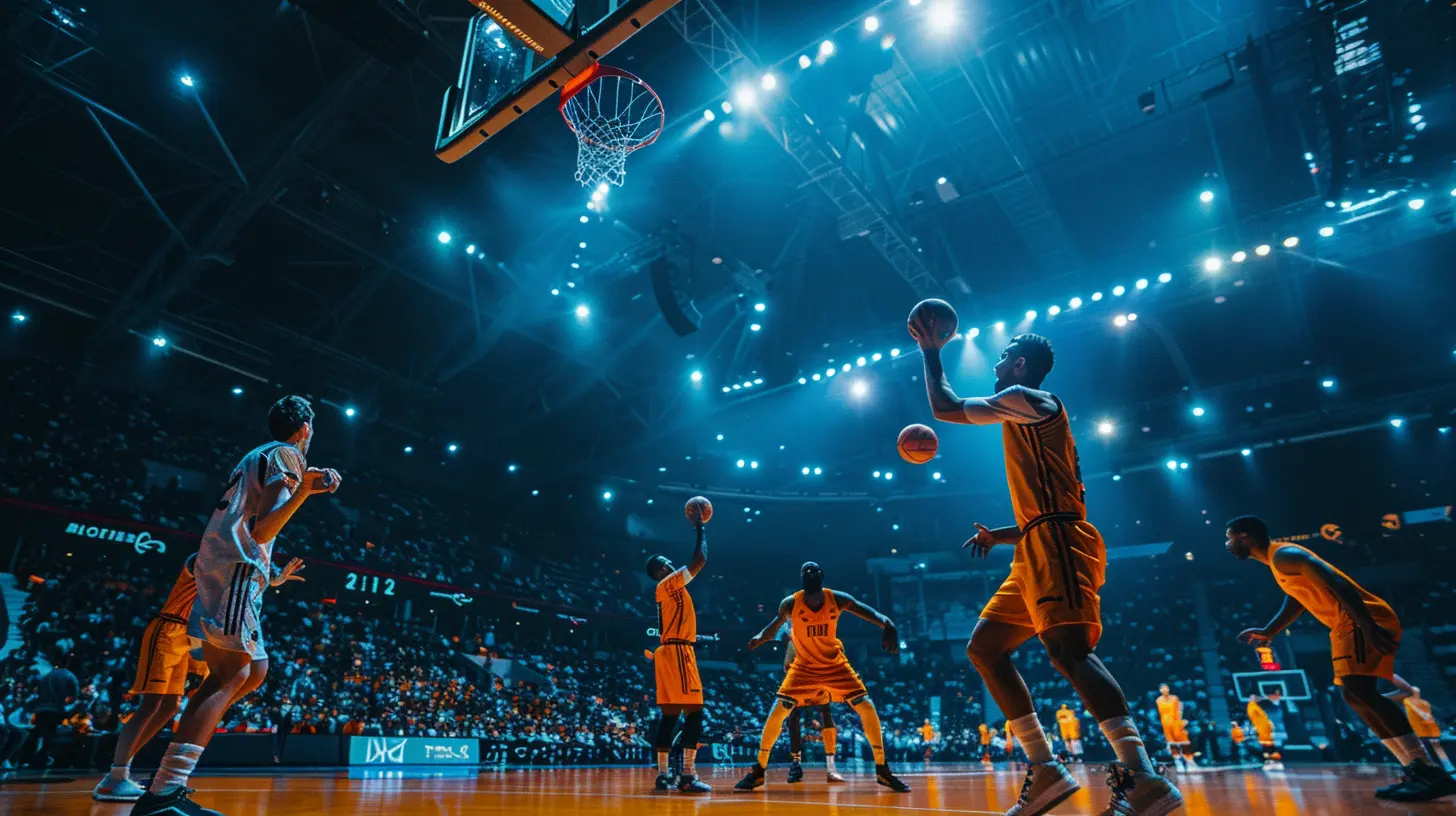
The Role of Fans
Creating an Unforgettable Atmosphere
Fans play an indispensable role in the vibrancy of major tournaments. Their energy fuels athletes and shapes the event's overall atmosphere.Chants and Cheers
Chants and cheers from fans can create a daunting environment for opponents. Historical examples abound where home-field advantage led to unexpected victories.Collective Memory
Fans also contribute to the narrative of a tournament. Iconic moments become etched in collective memory, often shared and celebrated long after the event concludes.The Digital Experience
In today's digital age, the fan experience extends beyond physical attendance. Social media platforms allow fans to engage in real-time, sharing their thoughts and reactions.The Power of Hashtags
Hashtags can unify fans around specific moments or themes, creating a global conversation. For instance, during the 2020 UEFA European Championship, trending hashtags enhanced fan engagement, showcasing their love for the game.
The Impact of Major Tournaments
Economic Influence
Major tournaments can significantly impact local economies. The influx of tourists stimulates businesses, from hotels to restaurants.Case Study: The FIFA World Cup
The FIFA World Cup not only brings attention to the host country but also generates substantial economic activity. For example, the 2014 World Cup in Brazil saw an estimated economic impact of around $3 billion.Social and Cultural Significance
Beyond economics, major tournaments often foster social cohesion. They bring people together, transcending differences and promoting a sense of unity.Bridging Cultures
Sport serves as a universal language. A major tournament can bridge cultural divides, as diverse groups come together to celebrate their shared passion.Common Misconceptions
The Myth of Fair Play
While major tournaments strive for fair play, the reality is that biases exist. These can stem from refereeing decisions, home advantage, or media influence, which can skew perceptions of fairness.Performance Consistency
Another misconception is that top athletes perform flawlessly during major tournaments. In truth, even the best can falter. Factors like pressure, injuries, and fatigue can affect performance, leading to unexpected outcomes.
Best Practices for Spectators
Preparing for the Experience
If you're planning to attend a major tournament, preparation is key. Here are some best practices:1. Research the Venue: Understand the layout, including entry points and amenities.
2. Arrive Early: Give yourself ample time to navigate crowds and enjoy pre-game festivities.
3. Stay Hydrated and Nourished: Long days require proper hydration and nutrition. Bring snacks and water when possible.
Engaging with Fellow Fans
Embrace the communal aspect of the tournament. Engage with fellow fans, share experiences, and partake in chants. This enhances the overall experience and fosters connections.Understanding the Game
Familiarize yourself with the rules and nuances of the sport. This knowledge enriches your viewing experience, allowing you to appreciate the strategies and skills on display.The Future of Major Tournaments
Technological Advances
As technology evolves, so does the landscape of major tournaments. Innovations like virtual reality and enhanced broadcasting techniques are reshaping how fans experience events.Enhanced Viewing Experiences
Imagine being able to watch a game from multiple angles or even experiencing it in virtual reality. These advancements promise to make the spectator experience even more immersive.Sustainability Initiatives
With growing concerns about environmental impact, major tournaments are increasingly focused on sustainability. Efforts include reducing waste, promoting public transport, and utilizing renewable energy sources.Example: The Tokyo 2020 Olympics
The Tokyo 2020 Olympics showcased sustainable practices, such as using recycled materials for medals and promoting eco-friendly transportation options.
Conclusion
Major tournaments are a celebration of sport, culture, and community. They evoke passion, unite fans, and showcase the pinnacle of athletic achievement. Understanding the intricacies of these events-from the dynamics of competition to the role of fans-enhances our appreciation and enjoyment.As the world of sports continues to evolve, the festival atmosphere of major tournaments will remain a cherished tradition, reminding us of the joy and excitement that sport brings to our lives.
all images in this post were generated using AI tools
Category:
Live CommentaryAuthor:

Easton Simmons