Wimbledon Women’s Semifinals: Will the Favorites Falter?
27 May 2026
Wimbledon is more than just a tennis tournament—it’s a stage where legends are made and dreams are crushed. As we approach the women's semifinals, the question hanging in the air is whether the top-seeded players will hold their ground or if the underdogs will rewrite the script.
History has shown us that at this stage, rankings often take a backseat to raw determination and nerves of steel. So, will the favorites cruise to the finals, or are we in for another upset-filled thriller? Let’s break it down.
The Weight of Expectations
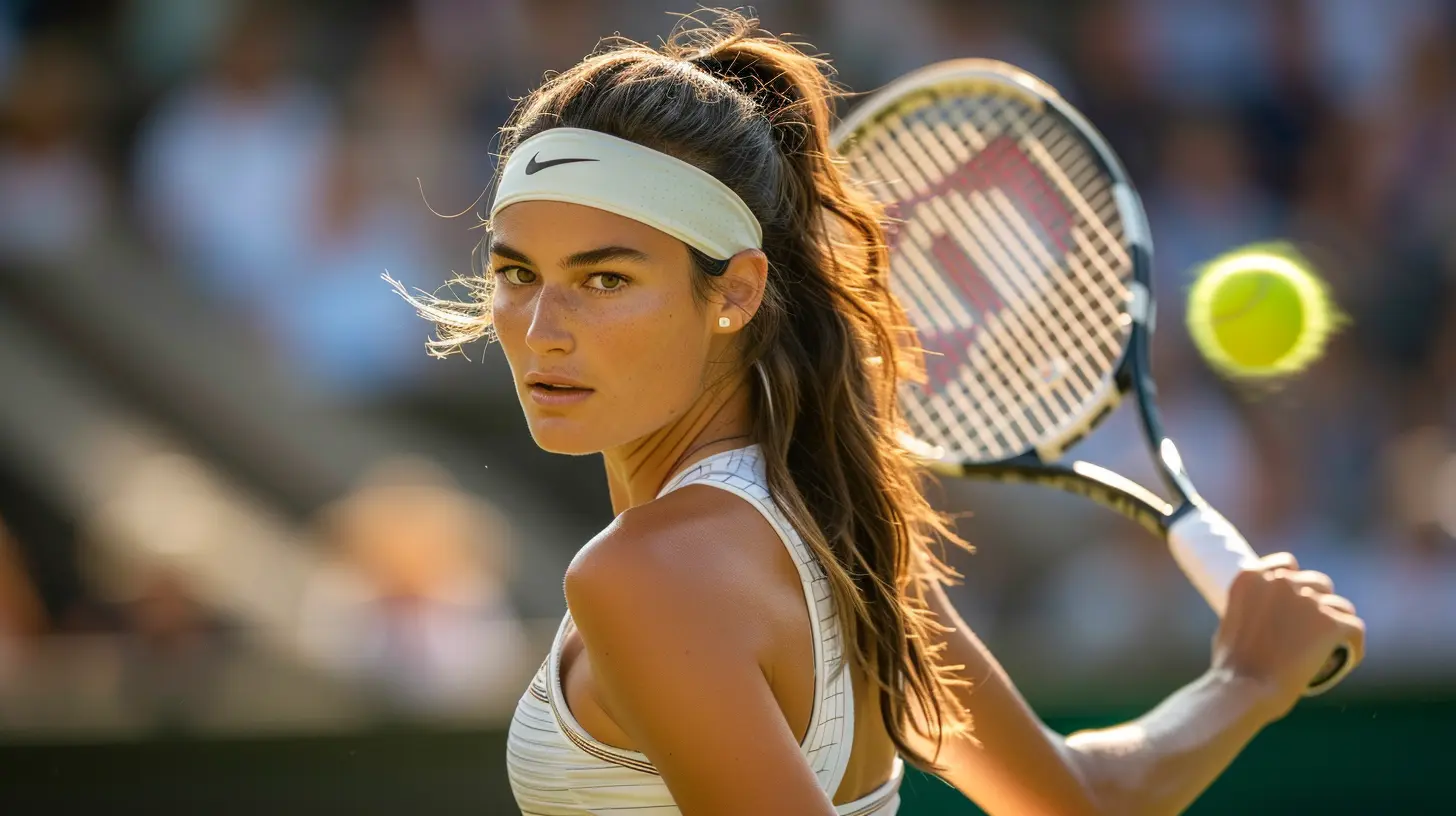
Being the favorite has its perks—but it also comes with immense pressure. A top-seeded player isn’t just competing against her opponent; she’s battling expectations, the media, and sometimes, her own doubts.Look at past tournaments. Serena Williams, one of the greatest players ever, has stumbled in crucial matches despite being the clear favorite. Why? Because even the best can buckle under pressure when the stakes are sky-high.
Mental Toughness Trumps Rankings
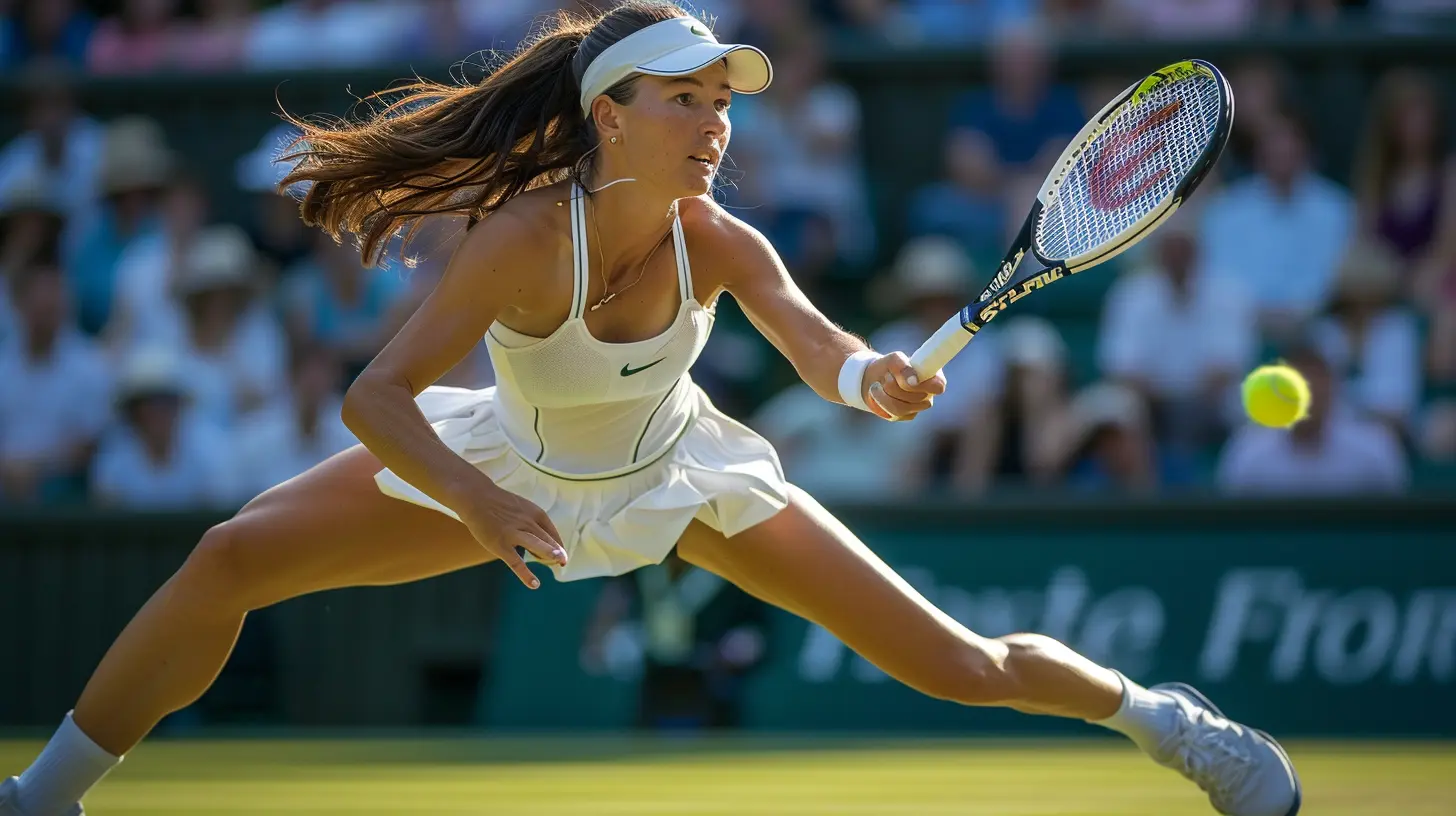
Tennis is as much a mental game as a physical one. A lower-ranked player with nothing to lose often plays with more freedom, while the favorite has everything to prove. Sometimes, this mental edge gives the underdog just the push they need to pull off the upset of the year.Take Ons Jabeur’s run in recent Wimbledons—she’s defied odds repeatedly, displaying resilience and creativity that shake even the most experienced opponents. Could we witness another dark horse rise to the occasion this year?
Breaking Down the Semifinal Contenders
Now, let’s take a closer look at the semifinalists and assess whether the favorites will hold their ground or collapse under the weight of expectations.1. The Dominant Favorite: Can She Stay Unshaken?
In recent years, players like Iga Świątek and Aryna Sabalenka have entered Wimbledon with a target on their backs. Their dominant form makes them the ones to beat. But grass courts are tricky—fast, unforgiving, and unpredictable.Świątek, for instance, has been nearly unstoppable on clay, yet her transition to grass has been a work in progress. If she finds her groove early, she’ll be tough to stop, but if she hesitates, a hungry opponent could pounce.
2. The Unpredictable Challenger: A Silent Threat
There’s always a player who flies under the radar until suddenly, she’s standing in the semifinals. Think of Elena Rybakina in 2022—she wasn’t the favorite, yet she walked away with the title.This year, a player like Coco Gauff or Madison Keys could fit that mold. With their powerful serves and aggressive baseline play, they have the tools to disrupt the favorites’ rhythm. The question is—can they hold their nerve when it matters most?
3. The Veteran Fighter: Experience Over Power
Experience is priceless at this stage. A seasoned player like Simona Halep (if competing) or Petra Kvitová knows what it takes to win at Wimbledon. They’ve been here before, they’ve handled the pressure, and they won’t go down without a fight.While younger players bring firepower, veterans rely on tactics, patience, and sheer grit. Could this be a year where experience triumphs over youth?
4. The Crowd Favorite: The X-Factor
Never underestimate the power of the crowd. A British hopeful like Emma Raducanu, if she makes it this far, will have the entire stadium behind her. That kind of support can fuel an inspired performance—or add overwhelming pressure.We've seen home favorites use the crowd’s energy to their advantage, but we've also seen them crumble under expectations. If a Brit is in the semis, expect fireworks—one way or another.
What Recent History Tells Us
Recent Wimbledons have been unpredictable. Upsets have become the norm rather than the exception. While favorites tend to reach the later stages, lifting the trophy is another story.- 2022: Rybakina defied expectations to win.
- 2021: Barty triumphed, but not without challenges.
- 2019: Halep crushed Serena in a final few saw coming.
The takeaway? Rankings matter—until they don’t.
Factors That Could Cause an Upset
1. Nerves and Pressure
No matter how talented you are, pressure can make or break you. If a favorite starts slow or tightens up, it could open the door for an opponent to take control.2. Playing Style Mismatches
Some players simply do not match up well against others. A big server like Sabalenka might struggle against a counterpuncher like Jabeur, who absorbs power and redirects it with precision.3. Weather and Court Conditions
Wimbledon’s unpredictable weather can mess with rhythm. If conditions slow the court down, it might favor defensive players over aggressive hitters.4. Fatigue and Injuries
The grueling nature of the tournament means even the fittest players can feel the wear and tear. If a favorite has had tough three-set battles leading up to the semis, a fresher opponent could take advantage.Prediction: Will the Favorites Hold or Fold?
Tennis purists will argue that class and talent always shine through. But history suggests otherwise—favorites fall more often than we think.This year, don’t be shocked if we see a surprise finalist. Whether it’s a young star making a statement or a veteran turning back the clock, expect drama, tension, and possibly, another major upset.
One thing’s for sure—as we head into the Wimbledon women’s semifinals, no player can take anything for granted. The grass is slippery, both literally and figuratively.
So, will the favorites hold their ground, or are we about to witness another shake-up in the women's game? Only time will tell—but one thing is certain: it’s going to be one heck of a ride.
all images in this post were generated using AI tools
Category:
Match PredictionsAuthor:

Easton Simmons
Discussion
rate this article
1 comments
Ivory McGrath
Wimbledon's semifinals are upon us, and I can already hear the strawberries and cream plotting their escape. Will the favorites crumble like dry biscuits, or will they serve up a surprise? Grab your popcorn, folks. This is bound to be a delightful court-side circus!
June 10, 2026 at 4:05 AM
Easton Simmons
It will be interesting to see if the favorites can handle the pressure or if we'll witness some unexpected upsets. Grab your strawberries and cream, it's going to be a thrilling match!