Will Experience Beat Youth in the 2026 Season?
22 September 2026
Every season, front offices face the same uncomfortable question. Do you pay for what a player has already done, or do you bet on what he might become? The 2026 campaign will test that question harder than most, because the league is being squeezed from both ends at once. A deep class of proven veterans is still producing at a high level, and a wave of young talent is arriving faster and more polished than anyone expected.
The honest answer is that "experience versus youth" is the wrong frame. The right frame is fit, cost, timing, and role. Let me break down why, and how to actually think about it.

Why the Debate Feels Louder in 2026
Three forces are colliding.First, roster economics. Long-term contracts signed during the spending boom of the early 2020s are now in their middle years, when the money is largest and the production often starts to flatten. Teams carrying those deals have less flexibility, which pushes them toward cheap young contributors to fill out the rest of the roster.
Second, player development. Modern training, analytics, biomechanics, and sports science have compressed the learning curve. Hitters see pitch shapes and tendencies in the dugout within minutes. Pitchers can add a usable pitch in a single offseason. Quarterbacks and point guards enter professional systems having already run similar concepts in developmental academies.
Third, roster rules and scheduling. Expanded playoff formats reward depth over a short sprint. Load management and injury risk mean no single veteran can carry a team for six months. You need bodies, and young bodies are cheaper.
None of this means youth wins. It means the trade-off is sharper and the margin for a lazy decision is smaller.
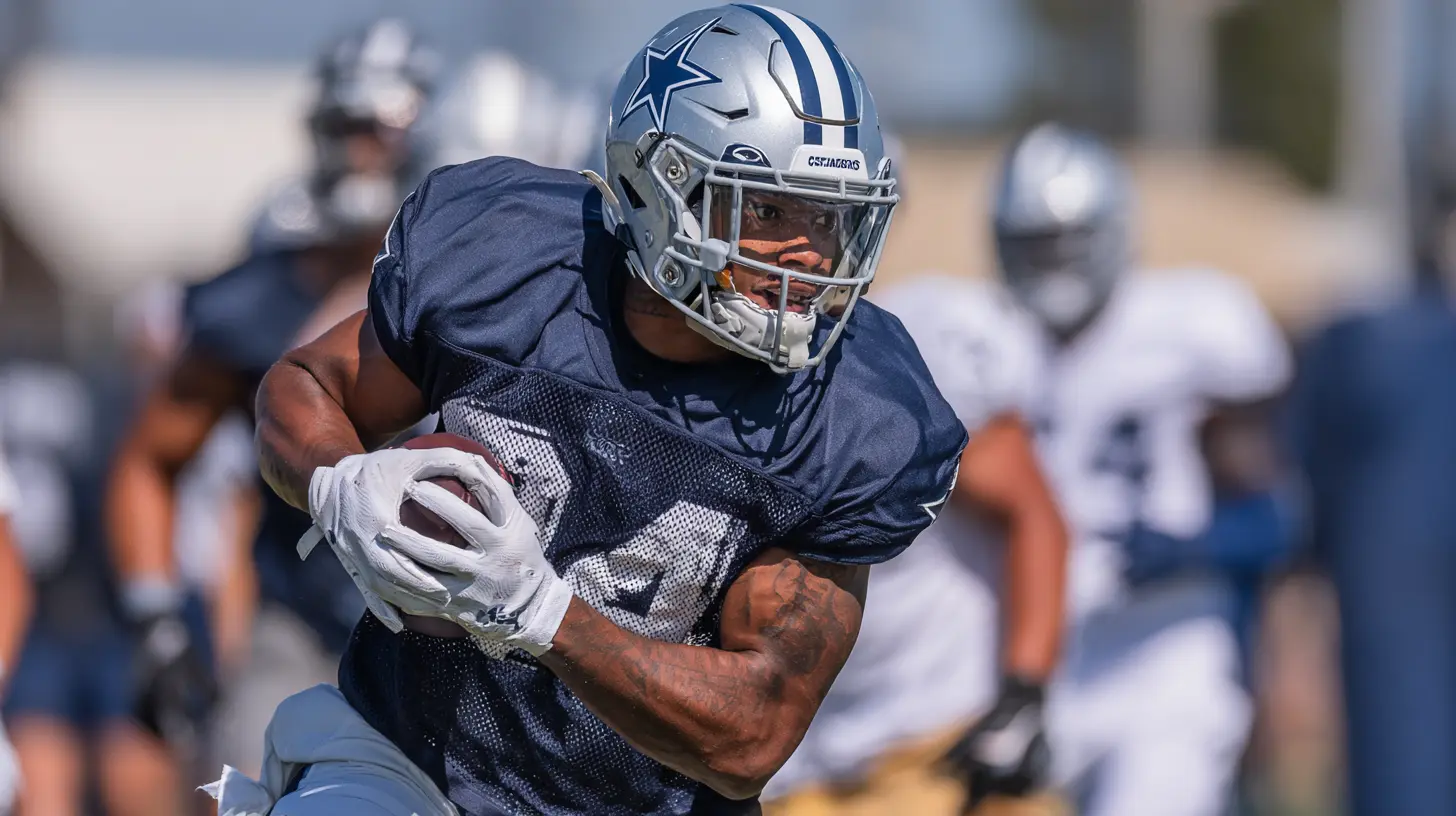
What Experience Actually Buys You
Experience is not a vague compliment. It is a set of specific, measurable-ish assets.Pattern recognition. A veteran shortstop reads a swing path and shifts two steps before contact. A veteran point guard recognizes a defensive rotation and delivers the pass a half-second early. This is real, and it is hard to teach quickly.
Emotional regulation. Young players often perform at their ceiling in low-stakes moments and below their floor in high-stakes ones. Veterans tend to compress that variance. In a seven-game series or a single-elimination playoff, variance compression is worth real wins.
Institutional memory. Knowing how a coaching staff operates, how a division rival pitches, how a referee crew calls contact. This shortens the adjustment period after a trade or a scheme change.
Leadership and standards. Not the speechmaking kind. The kind where a veteran sets the daily preparation bar and younger players copy it because they see the results.
The Catch With Experience
Experience depreciates. Reflexes slow. Recovery takes longer. A 34-year-old who was elite at 28 is often merely good, and "merely good" at a premium salary is a roster problem.The mistake is treating experience as a permanent asset rather than a depreciating one. Teams that pay for a player's past rather than his projected next three years routinely end up with an expensive, declining starter blocking a cheaper, improving one.

What Youth Actually Buys You
Upside. A 22-year-old can improve dramatically in a single year. A 34-year-old generally cannot. If your roster is not ready to contend, upside is the only rational currency.Cost control. Young players on entry-level or rookie-scale deals give you payroll room to add proven talent elsewhere. This is the single most underrated advantage in roster construction.
Energy and durability. Younger bodies tend to recover faster, which matters in compressed schedules and back-to-backs.
Adaptability. Young players are often more willing to change mechanics, positions, or roles because their identity is not yet fixed.
The Catch With Youth
Volatility. Young players have wider performance distributions. That cuts both ways. In a must-win game, a wide distribution is a liability.Hidden development costs. Every young player's mistake is a real loss in the standings. Development is not free. It is paid in games.
Confidence fragility. A bad month can derail a young player for a season. Veterans have been through slumps and know they end.

The Real Variable: Role, Not Age
Here is where most analysis goes wrong. People compare a 24-year-old to a 34-year-old as if they play the same role. They usually do not.Ask three questions before choosing:
1. What is the actual job? A high-leverage relief inning is not the same job as a fifth starter's outing. A primary ball handler is not the same as a corner shooter.
2. What does failure cost here? In a rebuilding season, failure is tuition. In a contending season, failure is elimination.
3. What is the alternative? A veteran only makes sense if the young option behind him is genuinely not ready, not just unproven.
If the job demands decision-making under pressure, experience usually wins. If the job demands raw physical output or repetition, youth usually wins. Most rosters need both, deployed correctly.
A Practical Framework for 2026 Decisions
Use this sequence. It works across sports.Step 1: Define the Competitive Window
If you are contending this season, you weight experience more heavily in high-leverage roles. If your window opens in two or three years, you weight youth and accept the losses.Step 2: Separate High-Leverage From Low-Leverage Roles
High-leverage: closing innings, two-minute offense, late-game free throws, playoff starts. These favor experience.Low-leverage: early-season innings, rotation depth, developmental at-bats. These favor youth.
Step 3: Price the Decline Curve Honestly
For veterans, project the next two years, not the last two. Ask whether the skills that made him good are the ones that age well. Plate discipline, positioning, and decision-making age well. Pure speed and raw power age poorly.Step 4: Price the Development Curve Honestly
For young players, do not assume linear growth. Some plateau. Some regress when the league adjusts. Build in a realistic floor, not just a ceiling.Step 5: Check the Cost of the Bridge
Sometimes the right answer is a short-term veteran on a modest deal to hold a role while a young player develops. This is the most underused move in roster construction. It avoids both overpaying for decline and rushing a prospect.
Common Mistakes Teams and Fans Make
Mistake 1: Treating age as a skill. Age is a proxy. The skills are what matter. A 35-year-old with elite plate discipline is a different bet than a 35-year-old who relied on bat speed.Mistake 2: Overvaluing playoff "pedigree." Postseason experience helps, but it is often overstated. Talent and health matter more. A veteran who has been to five postseasons but is now replacement level is not an asset.
Mistake 3: Assuming young players need to be "protected." Many young players are ready. The question is whether the role fits, not whether they have earned it through seniority.
Mistake 4: Ignoring the locker room. A veteran who blocks a young player and sulks is worse than no veteran. Culture is a real variable, and it is not measured by WAR or PER.
Mistake 5: Confusing "veteran" with "leader." They are not the same. Some of the best leaders are 24. Some of the worst teammates are 36.
Sport-by-Sport Reality Check
Baseball. The 2026 season will likely continue the trend of young pitchers arriving with refined arsenals while veteran hitters lean on approach and plate discipline. The smart teams will pair them: a veteran catcher or infielder to anchor the defense, young arms in bulk innings, and a short-term veteran in the late innings if the young closer is not ready.Basketball. The modern game rewards shooting, spacing, and switchability. Young wings are arriving more skilled than ever. But late-game execution still favors veterans who have seen every coverage. The tension will show up in the final five minutes of playoff games.
Football. Rookie quarterbacks are starting earlier and succeeding more often, partly because college offenses now resemble professional ones. But offensive line and defensive backfield still reward experience heavily. The 2026 debate will likely center on whether to start a rookie quarterback or a bridge veteran, and the answer depends almost entirely on the offensive line and the defense.
Soccer. Young attackers are being trusted earlier, but center backs and holding midfielders still tend to peak later. The best clubs rotate: youth in the attacking third, experience in the spine.
Hockey. Young defensemen and goalies are volatile. Veterans stabilize. But speed and skill are increasingly the deciding factors, which pushes coaches to trust youth earlier than they once did.
When Experience Should Win
Choose experience when:- The role is high-leverage and decision-heavy.
- The team is in a win-now window.
- The young alternative has clear, unresolved mechanical or mental gaps.
- The veteran's key skills age well.
- The contract is short and reasonably priced.
When Youth Should Win
Choose youth when:- The team is rebuilding or retooling.
- The role is developmental or low-leverage.
- The young player has already shown he can handle the level.
- The veteran's production is declining faster than his salary.
- The roster needs payroll flexibility for a bigger move.
The Best Answer Is Usually Both
The teams that win consistently do not pick a side. They build a roster where veterans handle the high-leverage, decision-heavy work and young players handle the volume, energy, and developmental roles. They use short-term veteran deals as bridges. They let young players earn high-leverage roles rather than granting them by default or denying them by seniority.This is harder than picking a philosophy. It requires honest evaluation of decline curves, development curves, and role fit. It also requires the courage to move on from a beloved veteran one year early rather than one year late.
What to Watch in the 2026 Season
Watch how teams handle three specific situations:1. The bridge veteran. Does he exist on the roster, and is his deal short enough to not block the future?
2. The high-leverage rookie. Does the coaching staff trust him in a real moment, or only in blowouts?
3. The declining star. Does the team reduce his role before his production forces it, or after?
The answers will tell you more about a franchise's direction than any preseason projection.
Final Take
Experience will not beat youth in 2026, and youth will not beat experience. The teams that win will be the ones that stop asking the question as a binary and start asking it as a role-by-role, cost-by-cost, timing-by-timing decision. Experience is a depreciating asset. Youth is an appreciating but volatile one. The art is knowing which you need in which slot, and having the discipline to pay accordingly.
all images in this post were generated using AI tools
Category:
Preseason AnalysisAuthor:

Easton Simmons